Nigeria has restated its readiness for large-scale tourism investment, with the federal government expressing confidence that the industry can grow into a major economic driver and a strong alternative to oil. This assurance was given at the maiden Style de Vie Pan-African Partnership and Investment Networking event held in Abuja over the weekend.
 Follow us on Google News
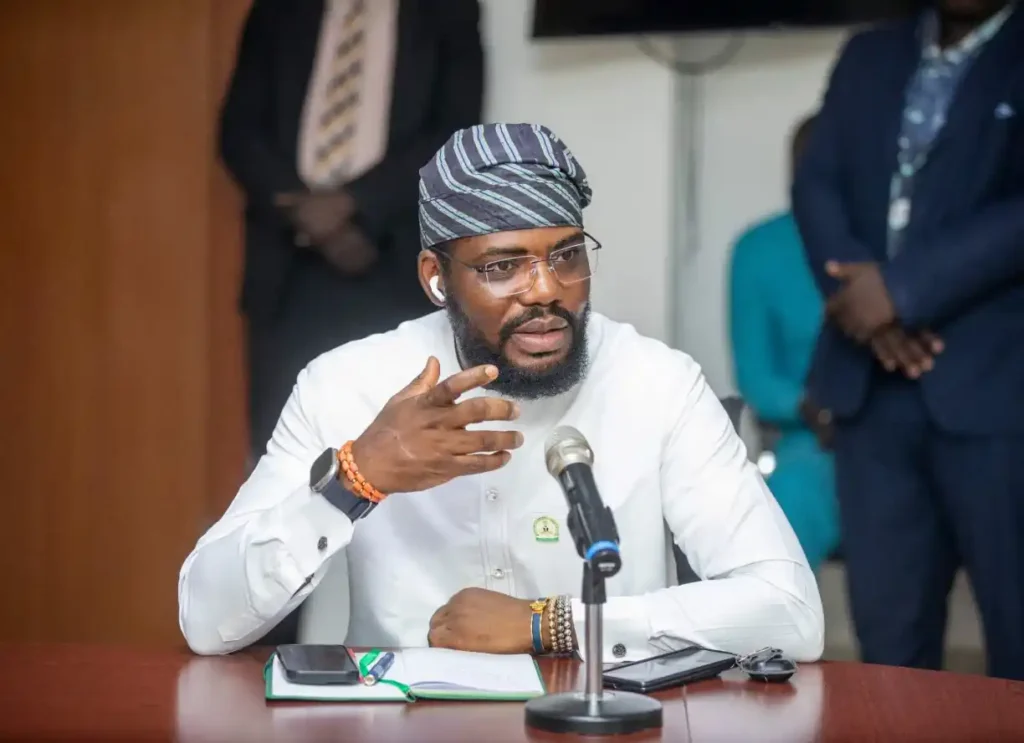
Abisoye Fagade, director general of the National Institute for Hospitality and Tourism, addressed African diplomats and investors, noting that the government is focused on reforms that will keep the sector attractive, profitable and globally competitive. According to him, Nigeria is entering a phase where tourism can play a significant role in national development.
“It’s important to let the world know that Nigeria is ready to do business especially in tourism and Nigeria is safe to do business,” Fagade said. He added that every challenge in the tourism sector represents a chance for growth, new investment and long-term value.
Describing tourism as a social bitcoin, he encouraged investors to take early positions in Nigeria’s underdeveloped tourism market. He explained that various parts of the country have unique tourism potential, ranging from safaris to agri-tourism and hiking, showing how wide the opportunities are for those willing to invest.
Fagade stated that the government is restructuring the hospitality and tourism value chain through NIHOTOUR to improve standards, strengthen service quality and create memorable visitor experiences. He said the agency has learned from its 38-year history that the sector must be well-organised to grow.
“For over 38 years of NIHOTOUR, we realised the sector cannot grow without organising ourselves. What drives tourism is repeat purchase, and that is created from experience. Every tourist encounter impacts the image of the country,” he noted.
He also revealed that NIHOTOUR has increased its revenue generation by more than 300 percent in one year. He explained that this development was supported by value-added services and expanded capacity development efforts that benefit operators across the tourism chain.
Fagade said a more structured tourism industry will improve employment, increase demand for agricultural products, especially local food and beverages, and support cultural exchange. He acknowledged existing gaps such as the shortage of recreational spaces in major cities, including Abuja, but stressed that improving tourism requires collaboration from all levels of government.
He added that the ministry is working to expand public awareness about the economic importance of tourism so that more Nigerians view the industry as a serious business opportunity instead of a secondary option.
Rebecca Tabe, creative director of Style de Vie, explained that the platform was created to connect diplomats and investors while offering a trusted channel for business matchmaking across the continent. “This is a platform to ensure that investment actually happens in Africa. Instead of travelling to different countries, Sté de Vie brings the entire continent to you in one place,” she said.
She added that the event will now be held every year and rotated across several African countries, supported by partnerships with key government agencies including the Presidency, FIRS, NIHOTOUR and the Ministry of Foreign Affairs.
In his remarks, Mohsen Antiet, Tunisian envoy to Nigeria, said both countries are expanding collaboration in medical tourism. He explained that Tunisia provides high-quality and affordable healthcare and is working with Nigeria to introduce direct flights that will make travel easier and strengthen economic ties. “Africans often travel far for medical care without knowing that excellent doctors and facilities exist right here on the continent,” he said. “The priority should be Africa first.”