A new technology transfer agreement between the Nigeria–China Strategic Partnership (NCSP) and the Presidential Implementation Committee on Technology Transfer (PICTT) is expected to open more job opportunities, improve local skills and expand access to advanced technology for ordinary Nigerians. The memorandum of understanding, according to the committee, is designed to strengthen industrial development, support local content and create clearer pathways for Nigerians to benefit from China’s growing investments in the country.
 Follow us on Google News
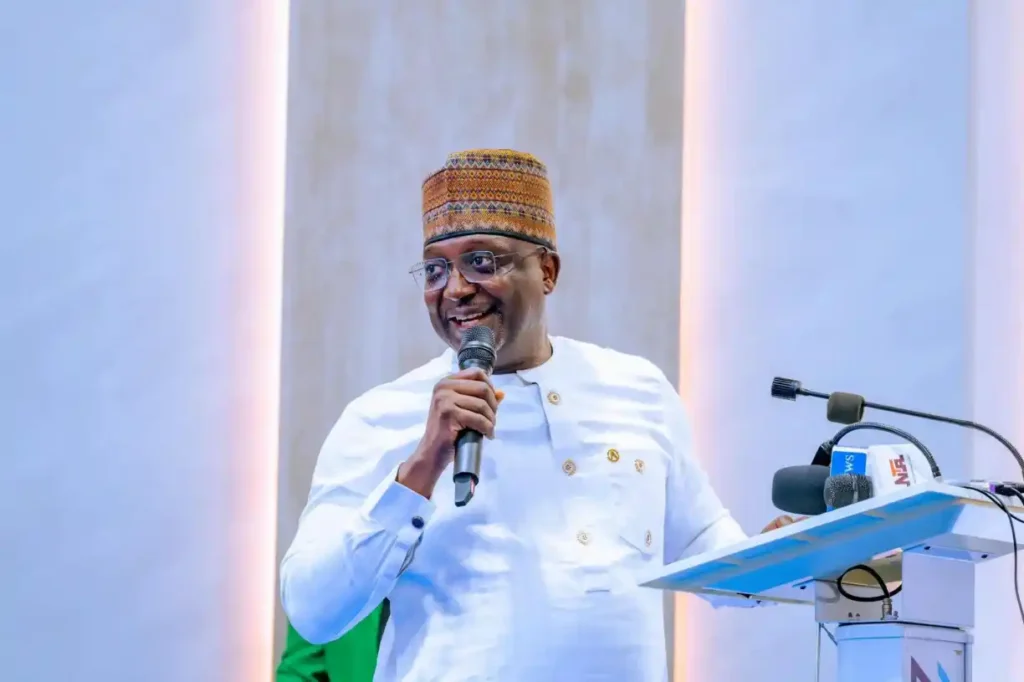
Dr Dahiru Mohammed, Chairman of the committee, said the partnership will immediately begin coordinated programmes that support local participation in infrastructure and industrial projects. He explained that the framework will guide how Nigerian workers, students and entrepreneurs benefit from ongoing and future Chinese investments.
Mr John Uwajumogu, Special Adviser to the President on Industry, Trade and Investment, said the deal will help attract high value investments that can stimulate job creation and strengthen Nigeria’s economy. He stated that the collaboration is expected to translate into real economic gains for communities.
Ms Judy Melifonwu, Head of International Relations at the partnership, highlighted that Nigerians stand to gain from expanded STEM scholarships, technical training, access to modern technology and collaboration across key sectors including steel, agriculture, automobile parks and cultural industries. She said young Nigerians would increasingly find opportunities to learn new skills and build careers in emerging industries.
The Director-General of the partnership reaffirmed commitment to measurable results, noting that the cooperation will prioritise initiatives that deliver direct national impact. The memorandum signals a new phase of Nigeria–China cooperation focused on practical delivery, local content and opportunities that improve everyday livelihoods.
In February 2025, China announced an expansion of its Africa STEM Development Fellowship, pledging scholarships and industrial training slots for more than 5,000 Nigerian students in AI, engineering, renewable energy and manufacturing. Officials warned that without institutional frameworks to internalise those skills and convert them into local productivity, Nigeria would continue exporting talent.
Later in May, both countries broke ground on the Haier Automobile Industrial Park in Ogun State, a multi-billion-dollar facility expected to assemble electric vehicles, motorcycle components and automotive electronics locally.
The project requires deep technical skills Nigeria currently lacks, prompting calls for stronger technology transfer and human capital development, the same gap the new agreement aims to address.