
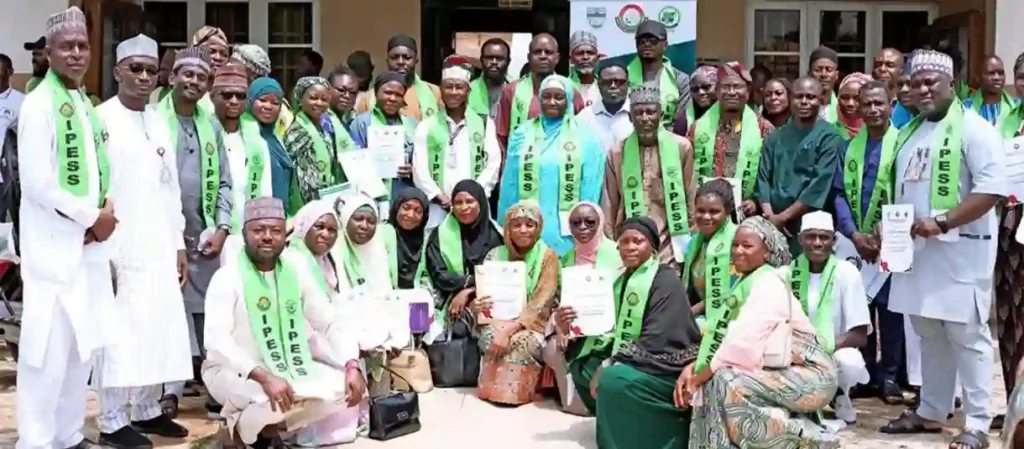
Nigeria’s push for inclusive growth is receiving fresh momentum as the World Bank says the country’s economic progress depends on building the right skills for the jobs of tomorrow. According to the Bank, training a new generation of Nigerians in sustainable procurement, environmental management and social standards is now central to shaping a stronger and more resilient economy. It explained that Nigeria’s ambition to diversify its economy and accelerate inclusive growth hinges on strengthening institutional capacity through the Sustainable Procurement, Environmental and Social Standards Enhancement Project known as SPESSE. The project is designed to train professionals in sustainable procurement and environmental and social risk management.
 Follow us on Google News
Nigeria remains one of the largest economies in Sub-Saharan Africa, with a GDP of 242 billion dollars in 2024 and an average annual growth rate of 3.7 from 2023 to 2024. Yet the World Bank notes that over 46 percent of the country’s population still lives in poverty. Weak public procurement systems continue to inflate contract costs and fuel corruption, while inadequate environmental and social standards worsen climate pressures, conflict and gender inequalities.
Ranked 154 out of 185 on the Notre Dame Global Adaptation Index, Nigeria faces rising climate risks, including flooding, droughts and desertification. These environmental challenges mostly affect women and young people, creating deeper social and economic instability.
Since its launch in 2020, the SPESSE project has trained more than 40,000 participants, out of which 43 percent are women. The project focuses on procurement, environmental management and social standards, but demand remains high. Records show that over 25,000 government staff and 29,000 private firms still require training to strengthen the country’s governance and development systems. With 65 million dollars in additional financing now approved, the project is expanding its reach and increasing its impact on Nigeria’s sustainable development goals.
At the core of SPESSE is a plan to build human capital for jobs that are becoming more relevant in the economy. Through Centers of Excellence located in federal universities, the project trains thousands of Nigerians in procurement, environmental management and social standards. These skills are described as strategic, helping to improve service delivery, attract investment and support responsible development across sectors. By expanding its training and certification programmes, SPESSE aims to close the national skills gap and link young Nigerians to formal job opportunities.
One of the most transformative components is the rollout of an Electronic Government Procurement system known as e-GP at the federal level. The digital platform streamlines procurement processes, reduces red tape and improves transparency. It also creates opportunities for small businesses, women-owned enterprises and other underrepresented groups. With a digital procurement system, Nigeria can generate new jobs in technology, compliance and contract management, while encouraging innovation and entrepreneurship.
Government institutions are also expected to benefit as SPESSE strengthens the capacity of agencies such as the Bureau of Public Procurement, the Federal Ministry of Environment and the Federal Ministry of Women Affairs. The project is helping these institutions create and sustain public sector roles ranging from procurement analysts to environmental management specialists and social compliance officers.
As environmental and social standards become more important in national planning, both government and private organisations will require certified professionals, ensuring long-term demand for skilled workers.
Beyond training individuals, SPESSE is also focused on building systems that can support sustainable development. Investments in certification programmes, policy reforms, online learning platforms and independent monitoring are helping to establish a self-sustaining ecosystem of professional standards. These structures improve transparency, strengthen accountability and position Nigeria to attract future investments in governance and job creation.
The newly approved 65 million dollars in additional financing is expected to support the certification of 14,000 new experts in procurement, environmental management and social standards. It will also enhance procurement efficiency with an estimated savings potential of up to 75 million dollars annually.
According to project documents, the funding will reduce corruption, speed up government contract execution and strengthen climate and gender inclusion, including support for women-led businesses and climate-resilient procurement. The nationwide digital rollout of the e-GP system is also set to continue.
Risk mitigation measures include stakeholder consultations, policy alignment, financial safeguards and sustainable business models to manage macroeconomic shocks. The project will also support ongoing training and inter-agency coordination to address gaps in institutional capacity.
The World Bank says Nigeria’s inclusive growth depends on building the right skills for the jobs of tomorrow, adding that projects like SPESSE show that investing in standards means investing in people.