The European Union has unveiled an €86 million investment package targeted at strengthening Nigeria’s agricultural sector, with a major focus on cocoa and dairy value chains.
 Follow us on Google News
The announcement was made during the Eighth Ministerial Dialogue between Nigeria and the EU held in Abuja, where both parties reaffirmed their commitment to deepening economic cooperation and supporting sustainable development.
According to details of the package, the funding will improve access to finance for local companies and smallholder farmers engaged in cocoa and dairy production. The initiative is expected to address longstanding challenges in agricultural financing, which has limited productivity and expansion across key value chains.
Under the arrangement, a new credit line from the European Investment Bank will provide preferential loans through the Bank of Industry to agribusinesses and farmers. This is aimed at boosting local production capacity, encouraging private sector participation, and enhancing value addition within the agricultural sector.
The EU said the intervention aligns with Nigeria’s ambition to significantly increase milk production and reduce dependence on imported dairy products. By supporting investments in the dairy sector, the programme is expected to stimulate growth, improve livelihoods, and create new opportunities for local producers.
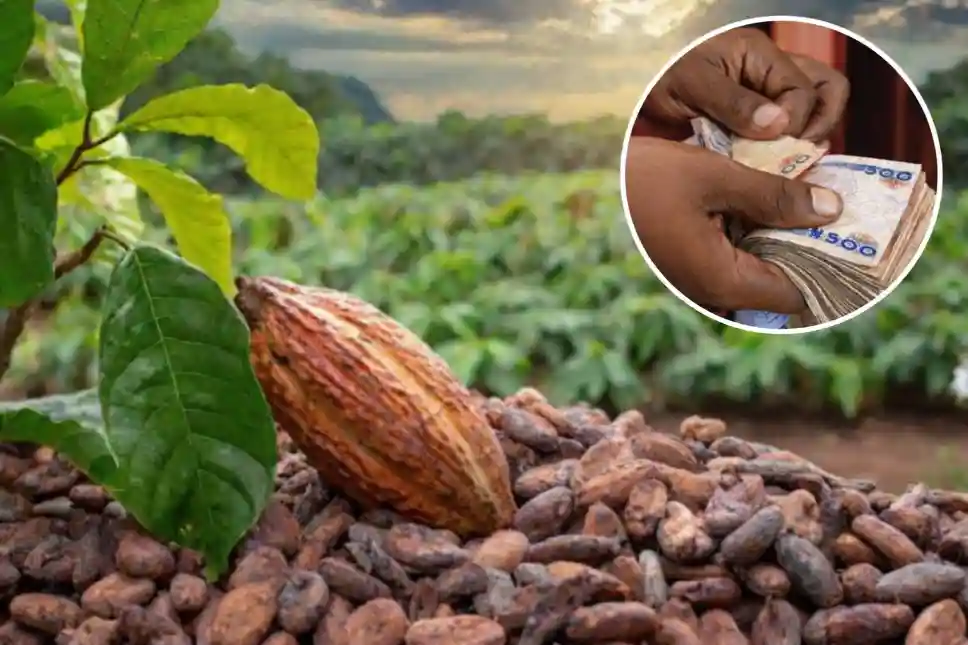
In the cocoa sector, the funding will support sustainable production practices and help position Nigeria for increased exports to the European market. Stakeholders believe that improving quality standards and access to finance will enable Nigerian cocoa producers to compete more effectively on the global stage.
A key component of the investment is the promotion of climate-smart agriculture. The EU noted that the initiative will support policies and practices that enhance resilience to climate change, improve resource efficiency, and ensure long-term sustainability of farming systems.
Experts say this approach is critical, given the growing impact of climate change on agricultural productivity in Nigeria, including irregular rainfall patterns and land degradation. By encouraging environmentally sustainable practices, the programme aims to safeguard food systems while boosting output.
The investment is also expected to strengthen policy implementation and institutional capacity within the agricultural sector. This includes support for frameworks that enable better coordination, monitoring, and delivery of agricultural programmes.
Industry stakeholders have welcomed the development, noting that improved access to affordable financing remains a key driver for growth in Nigeria’s agriculture. They added that targeted support for cocoa and dairy could unlock significant economic potential and reduce the country’s food import bill.
The EU maintained that the initiative forms part of its broader commitment to fostering inclusive growth and long-term economic development in Nigeria through strategic investments in critical sectors.