
The National Commission for Mass Literacy, Adult and Non-Formal Education (NMEC) has launched a new staff-driven initiative to tackle rising adult illiteracy in Nigeria, with a target of reaching 300,000 youths and adults through community-based learning centres.
 Follow us on Google News
The programme, known as the Staff-Led Literacy Facilitation Initiative, shifts responsibility directly to NMEC personnel, who will establish and run literacy centres in communities identified as having the greatest need. Rather than relying solely on external facilitators, the commission is mobilising its own workforce across the country to drive grassroots impact.
Speaking at the launch in Abuja, the Executive Secretary of NMEC, Prof. Garba Maitasfir, described the effort as more than just another government programme. Represented by the Director of Education and Development, John Edeh, he framed the initiative as a national call to action.
“This initiative is not merely a programme, it is a call to action rooted in the Renewed Hope Agenda of Mr President, the National Education Roadmap, and the renewed autonomy granted to NMEC by the Federal Executive Council,” he said.
At the core of the initiative is an ambitious plan to expand access to functional literacy, especially among underserved populations. NMEC aims to reach 300,000 learners by embedding education directly within communities, including markets, workplaces, religious centres, and other informal settings where adults are more accessible.
Maitasfir stressed the urgency of the intervention, noting that illiteracy continues to limit national growth and individual opportunity.
“As we have seen in recent months, with the ambitious targets to reach 300,000 youths and adults with functional literacy skills, the time for business as usual has passed. Illiteracy remains a barrier to national progress, economic inclusion, and social equity,” he stated.
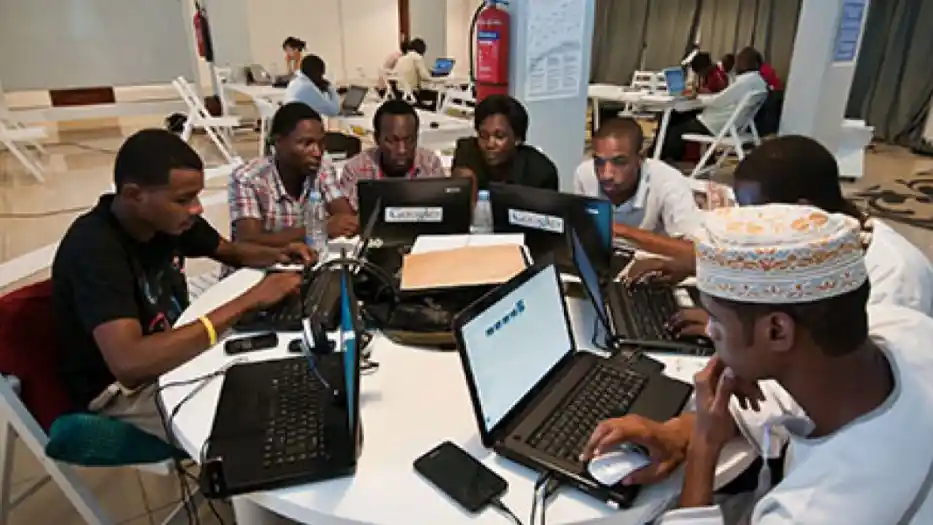
The initiative goes beyond teaching basic reading and writing. It integrates practical knowledge designed to improve everyday living and economic participation. Participants will be exposed to digital literacy, financial education, health awareness, and vocational skills, making the programme both educational and economically relevant.
According to NMEC, the structure of the programme reflects a deliberate move towards inclusivity and accessibility. Staff volunteers will serve as facilitators, bringing learning closer to people who may not have access to formal education systems. This model is expected to reduce barriers such as distance, cost, and time constraints.
“Today, we declare that NMEC staff who are dedicated professionals at the headquarters, the zones, and across the 36 states federation and the Federal Capital Territory, will lead by example and by direct participation in this regard,” Maitasfir said.
To ensure effective implementation, the commission has outlined key strategies, including community engagement and capacity building. These include sensitising local leaders, identifying suitable locations for literacy centres, providing learning materials, and training staff in modern adult education methods with a strong focus on digital skills.
Maitasfir also called on staff members living within underserved communities to take ownership of the initiative.
“We will provide learning materials, training support, and recognition for your efforts. Your involvement will inspire learners and demonstrate that literacy is a shared national responsibility,” she said, referencing recent engagement in communities such as Aco in Lugbe, Abuja.
Stakeholders in the education sector have welcomed the initiative while highlighting the scale of the challenge it seeks to address. Representing the FCT Department of Mass Education, Ben Ezumah pointed to the high rate of functional illiteracy among adults.
“It is alarming that over 31 per cent of adults are functionally illiterate, even in this digital age,” he said. “This initiative cannot be overemphasised. We need more people to work in the field of literacy, and we must leverage what we have to tackle this issue.”
Support has also come from non-governmental organisations. Emmanuel Noah, National President of the Non-Governmental Association for Literacy Support Services, described the programme as both timely and strategic, emphasising the importance of collaboration.
“Through impact lies strong collaboration and grassroots engagement. We reaffirm our commitment to partner. Together, we can build a programme where literacy becomes a culture,” he said.
The renewed push comes shortly after the Federal Executive Council restored NMEC to its full operational status, reversing its earlier downgrade within the ministry. The Minister of Education, Dr Tunji Alausa, noted that the move aligns with broader efforts to equip Nigerians with essential literacy and digital skills needed in a modern economy.