
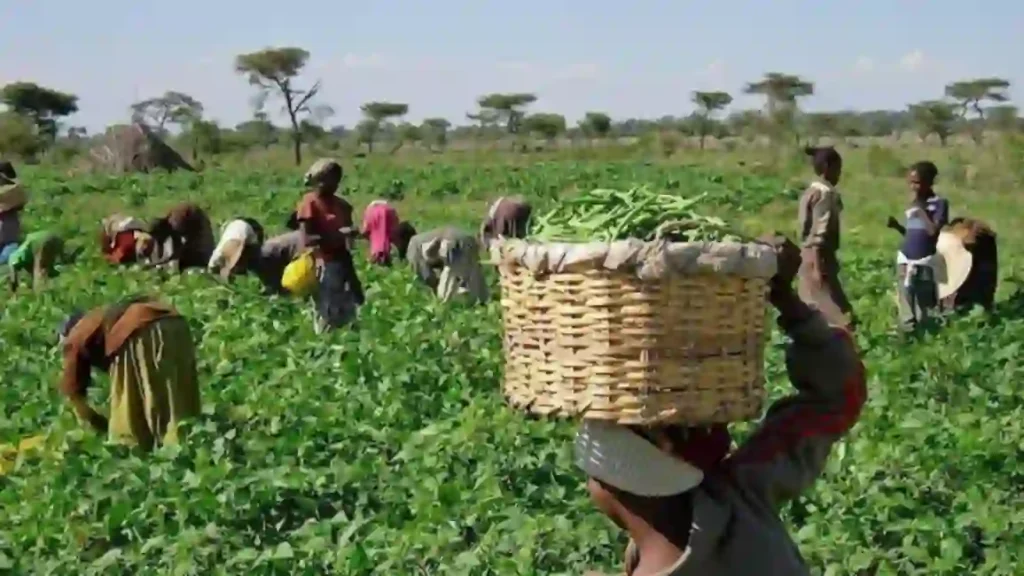
The World Bank has approved a $500 million loan to help Nigeria improve farming, boost food production, and support smallholder farmers through a new national agriculture programme known as AGROW.
 Follow us on Google News
The funding, provided through the International Development Association, will drive the Nigeria Sustainable Agricultural Value-Chains for Growth project, targeting key challenges that have long held back the country’s agricultural sector.
According to the World Bank, the programme is focused on raising productivity among smallholder farmers while strengthening value chains and creating jobs across the agriculture space.
“Agriculture remains Nigeria’s largest source of employment, yet low productivity, limited access to quality inputs, climate shocks, and weak market linkages for smallholder farmers have constrained its potential to generate better jobs and affordable food,” the bank stated.
The initiative is designed to move farmers beyond subsistence levels by improving access to inputs, markets, and modern farming support systems. It will also back agribusinesses that source directly from smallholder farmers through a results-based matching grant scheme.
“The intervention will focus on aggregation, post-harvest handling, agro-processing, and improved market access across priority value chains such as rice, maize, cassava, and soybeans,” the bank explained.
A key part of the programme includes expanding access to improved and climate-resilient seeds, while also strengthening agricultural research and extension services. The project will introduce a national digital farm and farmer registry to better track and support farmers.
“Farmers are expected to benefit from digital advisory services, including localised weather and climate information to boost productivity and resilience,” the financial institution added.
The World Bank also highlighted plans to improve seed and fertiliser regulatory systems, increase the supply of early-generation seeds, and encourage greater private sector participation in producing high-quality agricultural inputs.
“It will also promote transparent and responsible land-based investments,” the institution said, noting that accountability and inclusion will be central to the programme’s rollout, especially for women and young farmers.
Mathew Verghis, World Bank country director for Nigeria, described the initiative as a major shift for the sector.
“AGROW is a transformative step for Nigeria’s agriculture, empowering smallholder farmers, unlocking private sector–led growth, and strengthening food security in a sustainable way,” Verghis said.
He added that the project is expected to reach up to one million smallholder farmers, increase crop yields, and improve resilience against climate shocks.
The six-year programme, scheduled to run from 2026 to 2032, is also projected to attract about $220 million in additional private agribusiness investment, further strengthening Nigeria’s agricultural economy.