
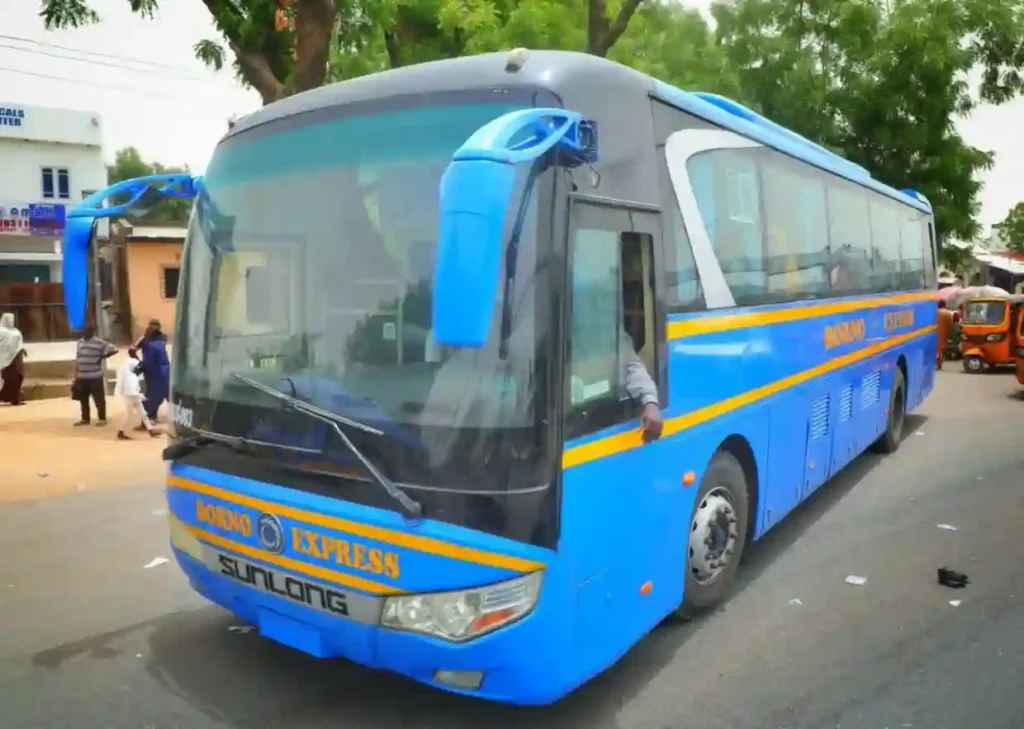
The Borno State Government has rolled out 20 electric buses across Maiduguri metropolis as part of measures to cushion the impact of the rising cost of petrol on residents.
 Follow us on Google News
Governor Babagana Umara Zulum approved the immediate deployment of the buses, which began operations on April 3, targeting major routes within the state capital and surrounding areas.
The initiative follows the earlier inauguration of the vehicles by President Bola Ahmed Tinubu on December 20, 2025. The event also featured the unveiling of 3,000 electric bicycles, 500 electric tricycles, and 100 electric vehicles aimed at strengthening transportation infrastructure in the state.
Findings show that the newly deployed buses consist of 17 units with 49 seating capacity, two 37-seaters, and one 28-seater. The government said the mix was designed to accommodate varying passenger volumes across different routes.
Officials disclosed that the buses are fully air-conditioned and energy-efficient, with each capable of travelling over 400 kilometres on a single charge. The development is expected to significantly reduce dependence on petrol-powered vehicles, which have become increasingly expensive to operate.
To support the transition, the state government has also established what it described as the largest electric vehicle charging terminal in the country. The facility can charge up to 50 vehicles simultaneously, ensuring uninterrupted operations of the fleet.
As part of efforts to provide immediate relief, Governor Zulum directed the Borno Express Transport Service to maintain a subsidised fare of N50 per drop. The move is targeted at protecting low-income earners from the ripple effects of the global energy crisis.
Residents who spoke on the development commended the intervention, noting that it has already reduced transportation costs and improved access to mobility for workers, students, and traders.
A commuter in Maiduguri said the initiative was timely, adding that the fixed fare had eased the burden of daily transportation despite the prevailing economic situation.
The electric bus rollout forms part of the state government’s broader plan to promote clean energy, modernise the transport system, and provide sustainable alternatives for urban mobility.