For many Nigerian households, television remains one of the most important sources of news, education, entertainment, sports, and public information. Yet rising subscription costs have pushed many families to ask a simple question: Is it possible to watch television without paying monthly fees to DSTV or GOtv?
 Follow us on Google News
The answer is yes.
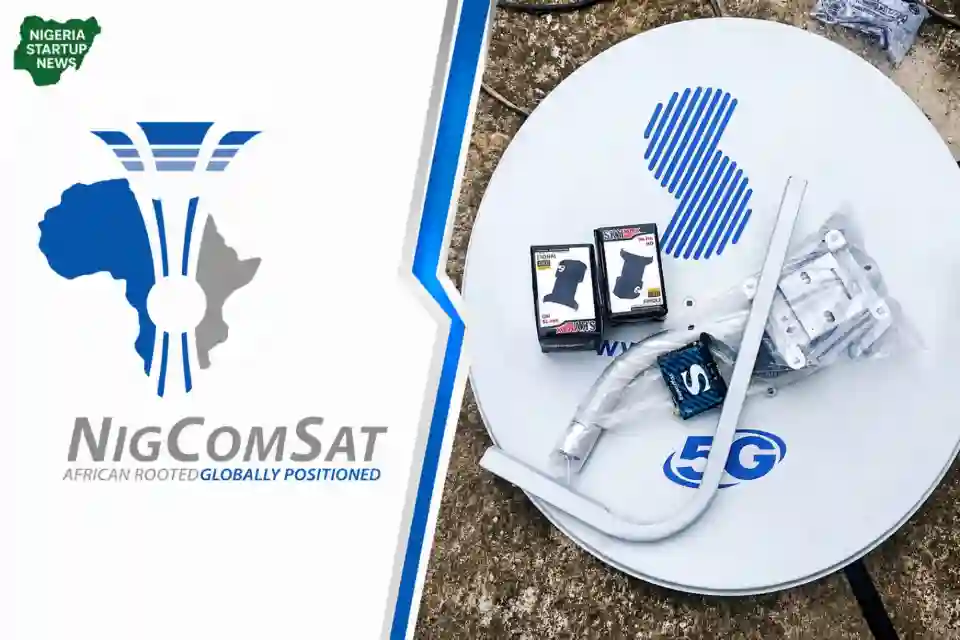
Thanks to Nigeria’s Digital Switch Over (DSO) programme and free-to-air broadcasting services available through NigComSat, viewers can access dozens of television channels without recurring subscription payments. In some cases, households can receive up to 100 free television channels after installing the correct equipment and configuring it properly.
The key is understanding what equipment you need, how to install it, and how Nigeria’s digital television ecosystem actually works.
Why Free TV Is Becoming More Important in Nigeria
Nigeria’s television landscape is changing rapidly. While internet streaming services continue to grow, millions of Nigerians still rely on traditional television because internet access remains uneven, mobile data costs are high, and electricity supply can be inconsistent.
This makes free-to-air digital television particularly attractive. Once the necessary equipment is installed, viewers can receive channels without paying monthly subscription fees.
Unlike streaming services, free-to-air television does not consume mobile data. Unlike pay-TV platforms, it does not require recurring payments. For many households, it represents one of the most affordable ways to stay informed and entertained.
Understanding the Digital Switch Over (DSO)
Nigeria’s Digital Switch Over programme is the country’s transition from analogue television broadcasting to digital broadcasting.
Digital television offers several advantages over analogue transmission, including:
- Better picture quality
- Clearer sound quality
- More channels
- Improved signal efficiency
- Additional interactive features
However, digital broadcasts require compatible receivers capable of decoding digital signals.
This is where set-top boxes come into the picture.
What Is a Set-Top Box?
A set-top box (STB) is a device that receives digital television signals and converts them into a format that ordinary television sets can display.
One of the biggest misconceptions about digital migration is that households must purchase brand-new televisions.
In reality, most existing television sets can continue working perfectly well with a compatible digital receiver.
That means many Nigerians can access digital broadcasting without replacing their current televisions.
What Type of Decoder Do You Need?
Not every decoder on the market is suitable for Nigeria’s digital television ecosystem.
For DSO and free-to-air digital television reception, households should look for a decoder that supports the DVB-T2 standard.
DVB-T2 is the digital terrestrial broadcasting standard adopted for Nigeria’s migration programme.
Consumers often mistakenly assume:
- Every decoder is compatible
- Every digital receiver supports Nigerian broadcasts
- Every smart TV automatically receives DSO channels
Unfortunately, that is not always true.
Before purchasing any device, verify that it supports DVB-T2 reception.
Types of Digital Receivers Explained
DVB-T2 Set-Top Boxes
These are the primary receivers used for Nigeria’s digital terrestrial television system.
They are specifically designed to receive DSO broadcasts and free digital television services.
DVB-S2 Satellite Receivers
These are designed mainly for satellite television reception and are commonly used for free-to-air satellite channels and direct-to-home services.
Android TV Boxes
These devices depend largely on internet connectivity and are designed for streaming rather than digital terrestrial broadcasting.
For viewers interested in free DSO channels, DVB-T2 compatibility remains the most important requirement.
How to Watch Up to 100 Free TV Channels in Nigeria
Once you have the correct equipment, the setup process is relatively straightforward.
Step 1: Purchase a Free-to-Air Decoder
Obtain a decoder that supports:
- DVB-T2 standard
- Free-to-air reception
- Digital broadcasting compatibility
Always buy from reputable dealers and verify the device specifications before purchase.
Step 2: Install Your Satellite Dish
Ensure your dish is correctly installed and positioned.
Signal quality plays a major role in channel reception, so proper dish alignment is essential.
Step 3: Point the Dish to NigComSat at 42.5° East
Configure the satellite dish to face:
NigComSat – 42.5° East
This satellite carries numerous free television channels accessible to Nigerian viewers.
Step 4: Enter the First Frequency
Input the following settings:
Frequency: 12.685 GHz
Polarity: Vertical
Symbol Rate: 30 Msps
Step 5: Enter the Second Frequency
Input:
Frequency: 12.730 GHz
Polarity: Horizontal
Symbol Rate: 26.249 Msps
Step 6: Scan for Channels
After entering both frequencies:
- Perform a blind scan or auto scan
- Allow the decoder to search for available channels
- Save all discovered channels
Depending on equipment quality, location, and signal conditions, viewers may receive dozens of channels, with some setups reportedly capable of accessing up to 100 free television channels.
Step 7: Organise Your Channels
Most modern receivers allow users to:
- Create favourites lists
- Group channels by category
- Rename channels
- Arrange channel order
This makes navigation easier after installation.
What Channels Should You Expect?
The exact channel lineup can vary over time.
Viewers may find a mix of:
- News channels
- Entertainment channels
- Religious channels
- Educational programming
- Sports content
- Regional broadcasters
- International channels
Channel availability depends on satellite capacity, broadcaster participation, and transmission agreements.
Will You Need Internet?
No.
One of the biggest advantages of free-to-air digital television is that internet access is not required.
Once the equipment is properly installed, channels are received directly through the satellite signal.
This makes free television particularly useful in areas with weak broadband coverage.
How Much Does It Cost?
Unlike subscription television platforms, free-to-air viewing involves primarily a one-time equipment investment.
Costs may include:
- Decoder purchase
- Dish installation
- Cabling
- Initial setup
After installation, viewers generally do not pay monthly subscription fees to access available free channels.
This affordability is one reason why digital migration remains important for millions of Nigerians.
Common Problems and Solutions
No Channels Found
Possible causes include:
- Incorrect frequency settings
- Poor dish alignment
- Weak signal quality
- Incompatible decoder
Signal Breaks Frequently
Possible causes include:
- Loose cable connections
- Weather interference
- Dish movement
- Faulty LNB
Some Channels Missing
Possible causes include:
- Outdated channel list
- Incomplete scan
- Frequency changes
Running a fresh channel scan often resolves the issue.
Why Digital Migration Matters Beyond Entertainment
The importance of digital television extends far beyond watching movies and sports.
For many Nigerians, television remains the most accessible platform for:
- National news
- Educational content
- Emergency information
- Government announcements
- Public health campaigns
- Civic participation
In communities where internet access remains limited, television continues to serve as a critical link between citizens and information.
This is why digital migration is often viewed not simply as a broadcasting project but as a digital inclusion initiative.
The Future of Television in Nigeria
Streaming services are growing, but traditional television remains deeply relevant.
Nigeria is likely to develop a hybrid media environment where:
- Digital terrestrial television
- Satellite broadcasting
- Mobile streaming
- Internet television
all coexist.
This means free-to-air television could remain an important source of information and entertainment for years to come.
Watching television without paying monthly DSTV or GOtv subscriptions is possible for many Nigerians.
With the right DVB-T2-compatible decoder, proper installation, and correct NigComSat frequency settings, households can access a wide range of free television channels.
The small set-top box sitting beside the television may not look revolutionary. Yet it represents one of the most significant changes in Nigeria’s broadcasting history. As the Digital Switch Over continues, understanding how to access free digital television could help millions of households stay connected without adding another monthly bill to their budget.