The Federal Government has explained the role of the National Social Register (NSR), a database used to identify poor and vulnerable households for social protection programmes.
 Follow us on Google News
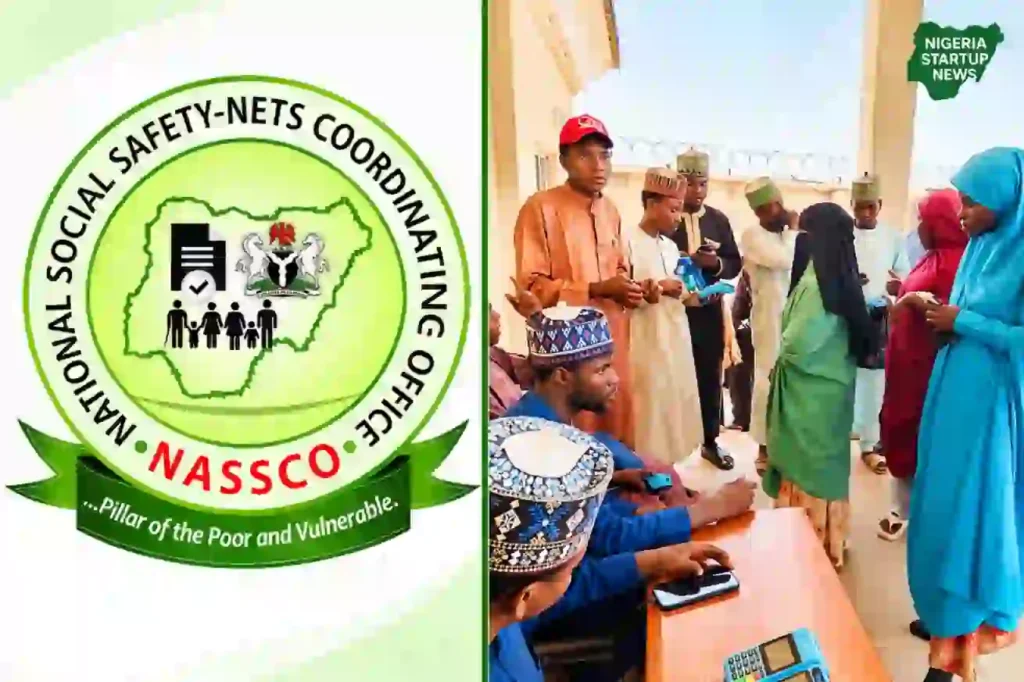
The National Social Safety Nets Coordinating Office (NASSCO), under the National Social Investment Programme Agency (NSIPA), coordinates the register.
Five things Nigerians should know
- It is not a payment platform. The NSR stores household information; separate government programmes use the data to identify potential beneficiaries.
- It targets vulnerable households. Identification is based on poverty and vulnerability, not simply on whether someone requests assistance.
- Data is collected at community level. Household information is gathered through structured field exercises and community-based targeting, with local validation.
- It supports different interventions. The register is used to identify households for programmes such as the National Emergency Relief and Stabilisation Intervention (NERSI), which provides selected beneficiaries ₦50,000, and the Renewed Hope Conditional Cash Transfer (CCT). Other initiatives may also use the register for livelihood support.
- Inclusion does not guarantee payment. Each programme has its own eligibility checks, funding limits and selection process. NERSI beneficiaries are selected from the register and verified national identity records in phases.
How to benefit
There is no public application form or fee to join its beneficiary list. NASSCO says household identification is conducted through community-based processes. Nigerians seeking information should contact their State Operations Coordinating Unit (SOCU) or NASSCO through official channels for further guidance. Never pay an agent who promises to add your name or release a payment.