

 Add us on Google
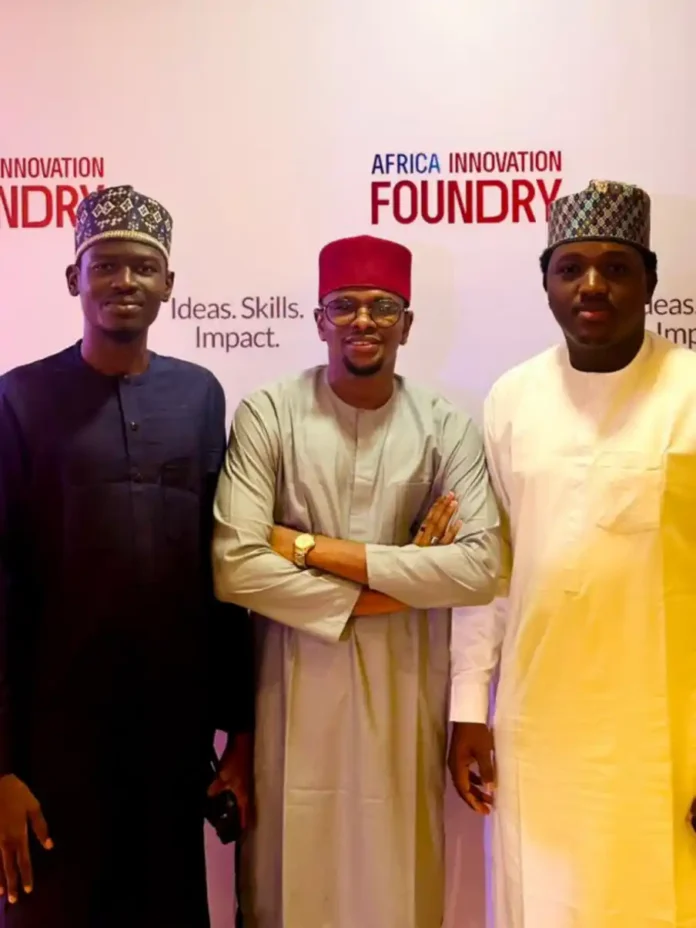
The Africa Innovation Foundry (AIF) has officially launched in Abuja, unveiling a multi-regional innovation and startup acceleration platform aimed at unlocking Nigeria’s innovation potential and supporting scalable ventures across the country.
The initiative is designed to bridge the gap between talent, capital, and opportunities by providing structured support for founders through incubation labs, regional bootcamps, policy dialogues, and investor pitch arenas.
Speaking at the launch, the Executive Director of AIF, Deji Garuba, said the platform represents a new phase of inclusive innovation development across the continent. He stated that AIF was established to ensure that innovators, regardless of location, have equal access to opportunities that can transform ideas into viable global solutions.
Garuba explained that the Foundry’s model focuses on developing talent within communities while promoting solutions that address real socio-economic challenges. He added that the platform would prioritise high-impact sectors such as health, education, agriculture, financial technology (fintech), clean energy, and frontier digital technology.
A key feature of the initiative is its region-specific engagement strategy, which aligns programmes with the unique strengths and development needs of each geopolitical zone. This approach, according to the organisers, positions AIF as one of the first platforms in Nigeria to adopt a localised, impact-driven innovation framework at a national scale.
The launch event attracted stakeholders from government institutions, development organisations, the private sector, venture capital firms, academia, and the broader technology ecosystem. Activities at the event included a keynote address on innovation-driven economic transformation, the official unveiling of the AIF platform, and a fireside discussion on the future of Africa’s innovation economy, focusing on policy, capital, and talent development.
AIF said it has concluded plans to roll out its full suite of programmes in the coming months, with regional activations scheduled across the North-Central, North-West, North-East, South-East, South-South, and South-West zones.
The organisation also disclosed that it would collaborate with ecosystem partners, donors, investors, and government agencies to strengthen its implementation framework and expand its reach across Nigeria.

