

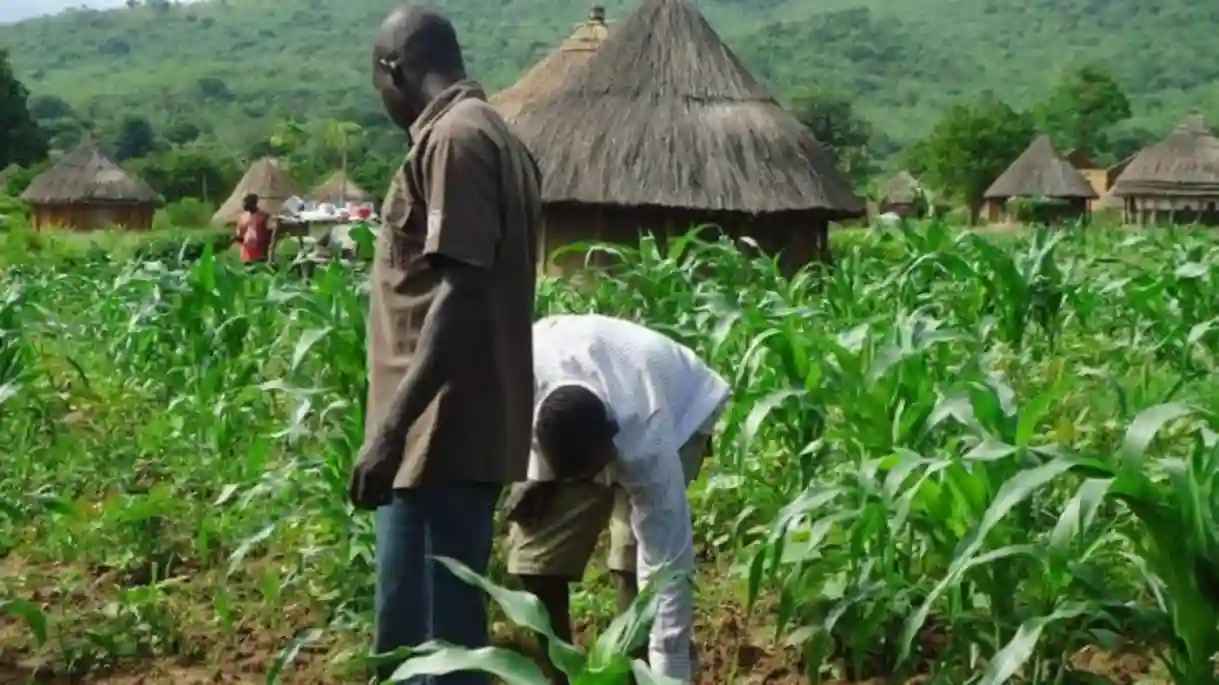
The Federal Government/International Fund for Agricultural Development (IFAD)-Livelihood Improvement Family Enterprises in Niger Delta (LIFE-ND) has announced plans to support end-to-end value chain development from production to processing, packaging, and export readiness beginning in 2026.
Dr Abiodun Sanni, National Project Coordinator for FG/NDDC/IFAD-LIFE-ND, disclosed this on Wednesday in Abuja during New Year commemorations, where he reaffirmed the project’s commitment to rural economic transformation and inclusive agripreneurship across the Niger Delta.
“Our vision for 2026 is to transform the rural economy in the Niger Delta, ensuring prosperity and equitable benefits for the rural population through sustainable agribusiness and value addition across commodity lines,” Sanni said.
He explained that the project would focus on creating an enabling environment for innovative beneficiaries and agripreneurs, supporting initiatives that strengthened food security while promoting inclusive economic growth and improved livelihoods for rural communities.
According to him, key priorities for 2026 include scaling up the incubation model, strengthening business development services, and improving access to finance, warehouse facilities, warm and cold chain logistics, as well as collective marketing opportunities for beneficiaries.
“The project will promote sustainable and climate-resilient agricultural practices by encouraging agroecology, water-use efficiency, soil health, and reduced post-harvest losses, ensuring that production is environmentally sound and economically beneficial for smallholder farmers,” he said.
Sanni added that LIFE-ND would foster the adoption of climate-smart technologies, digital decision-support tools, and stronger inclusion of youth, women, and marginalised groups in leadership roles, to ensure equitable access to agribusiness opportunities across the Niger Delta.
He further explained that expanded hands-on training programmes would be rolled out to provide incubatees, incubators, and mentorship networks with practical, market-driven curricula covering business planning, financial literacy, packaging, branding, and digital marketing to boost productivity and commercial viability.
The coordinator also emphasised the promotion of community-led cooperatives and farmer-led enterprises, noting that stronger partnerships with government agencies, NGOs, industry players, and financial institutions would enhance accountability, resource mobilisation, and long-term sustainability of the project.
Sanni said digital transformation would remain central to LIFE-ND activities, with plans to expand online marketplaces, e-extension services, and data-driven advisory systems aimed at improving market access, traceability, product quality, and consumer confidence across the region.
Reflecting on achievements recorded in 2025, he said the project expanded training and mentorship opportunities for emerging agri-entrepreneurs, with special focus on youth, women, and Persons with Disabilities, to build capacity for sustainable income generation and enterprise growth.
He noted that scalable value chain initiatives implemented in 2025 improved production levels, enhanced product quality, widened market access, strengthened financial inclusion, and created income stability for unemployed and underemployed youths, women, and smallholder farmers across the Niger Delta.
Sanni explained that sustainable farming practices, gender-sensitive agripreneurship, climate-resilient farming methods, and adoption of smart agronomy tools were accelerated during the year, helping rural enterprises become more resilient, productive, and competitive.
He also highlighted strengthened partnerships with public institutions, private sector actors, and development partners, which supported knowledge sharing, resource mobilisation, and collaboration to improve programme outcomes and advance policy-driven rural development.
Looking ahead, Sanni said expectations for 2026 include regional showcases and market linkages that will connect producers with national and international buyers, improve commercial exposure, and drive competitiveness for agripreneurs across different value chains.
He assured stakeholders that additional incubatee training hubs and processing centres would be established to accelerate value addition across commodities, supported by an enhanced monitoring and evaluation framework to track progress and inform policymaking.
Sanni expressed appreciation to incubatees, incubators, producers, processors, marketers, extension agents, financial partners, and policy advocates for their contributions to LIFE-ND’s achievements in 2025, describing their efforts as vital to the project’s success.
“To our implementing agencies, Federal Ministry of Agriculture, NDDC, IFAD, partner institutions, and resilient incubatees, your work is the heartbeat of this project, and we must carry forward momentum toward sustainable growth in 2026,” he said.
He urged all stakeholders to remain collaborative and committed to inclusive opportunities that would continue transforming agribusiness prospects for rural populations, particularly youth and women, across the Niger Delta.
Sanni concluded by extending New Year wishes to all stakeholders, partners, incubators, incubatees, communities, government agencies, and LIFE-ND team members at state and national levels, expressing hope for prosperity, productivity, sustainability, and inclusive growth in the year ahead.

