

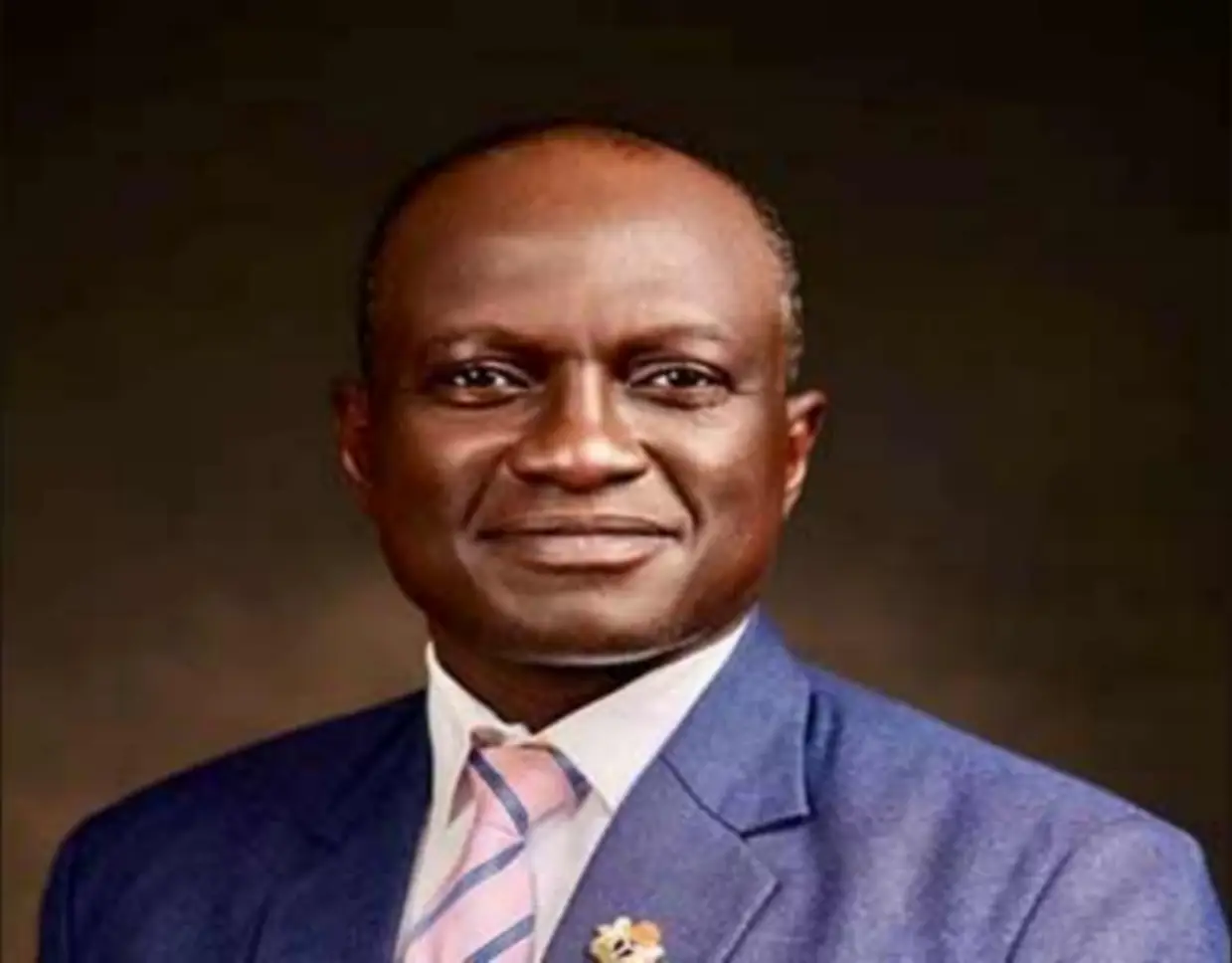
The Federal Government has raised fresh concern over the rising threat of kidnapping, warning that what was once seen as an opportunistic crime has now grown into a major source of funding for criminal and terrorist networks across Nigeria. This warning was given on Wednesday in Abuja at a Stakeholders Workshop of the Multi-Agency Kidnap Fusion Cell. The National Coordinator of the National Counter Terrorism Centre, Maj. Gen. Adamu Laka, said the proceeds from kidnapping are now being used to acquire weapons, sustain terror activities, and, in some cases, enable criminals to assert territorial control.
Laka explained that the workshop is part of ongoing efforts to improve coordination, intelligence sharing, and operational synergy among agencies involved in addressing kidnapping nationwide. According to him, Nigeria continues to face a wide range of security challenges driven by terrorism, banditry, separatist violence, and clashes between farmers and herders.
He noted that kidnapping has become a common factor across all these threats. He said, “What was once an opportunistic crime has become a persistent and destabilising enterprise, enabling these groups to procure logistics, perpetuate terror, and, in some cases, exert territorial control.”
He highlighted that the growing national and international worry over rising kidnapping cases resulted in strengthened collaboration between Nigeria and the United Kingdom, which eventually led to the creation of the Multi-Agency Kidnap Fusion Cell at the NCTC. Laka said, “The Cell, officially commissioned by the National Security Adviser on 19 December 2024, coordinates counterterrorism and anti-kidnap operations nationwide while supporting Nigeria’s ambition to become a regional centre of excellence in counterterrorism in West Africa and the Sahel.”
Laka added that since it began operations, the Fusion Cell has brought together the Armed Forces, intelligence services, and law enforcement agencies to prevent, disrupt, and respond to kidnapping incidents. He noted that analysts working within the Cell have generated intelligence that has led to the rescue of hostages and the dismantling of several kidnapping syndicates across the country. To improve coordination between the national level and state-level responses, he said the NCTC carried out a state expansion programme in July 2025 for Anti-Kidnap Commanders of the Nigeria Police Force and the Department of State Services from all 36 states and the Federal Capital Territory.
Despite the progress recorded, Laka stated that more work is still needed. He said additional stakeholders, including media organisations, telecommunications operators, and social media platforms, must be integrated into the national anti-kidnap framework. He urged participants at the workshop to propose practical ideas that can help rescue victims, dismantle kidnapping groups, and protect communities while keeping close contact with the Fusion Cell to support ongoing rescue operations.
The Acting High Commissioner, British High Commission, Gill Lever, said the UK government was impressed with the achievements of the centre since its establishment.
She assured that the UK would continue supporting Nigeria’s counterterrorism and anti-kidnapping efforts. Also speaking, the Head of the UK’s National Crime Agency, Chris Gibson, said strong collaboration and communication among critical stakeholders are essential to the Cell’s continued success. He encouraged Nigerians to support government efforts, stressing that “anti-kidnapping is a responsibility of every citizen.”

