

 Add us on Google
Nigeria’s drive toward industrialization continues to face challenges such as poor infrastructure, irregular government policies, shortage of energy supply, and overreliance on oil revenue. Over the years, several administrations have made efforts to diversify the economy and promote industrial growth, with mixed results.
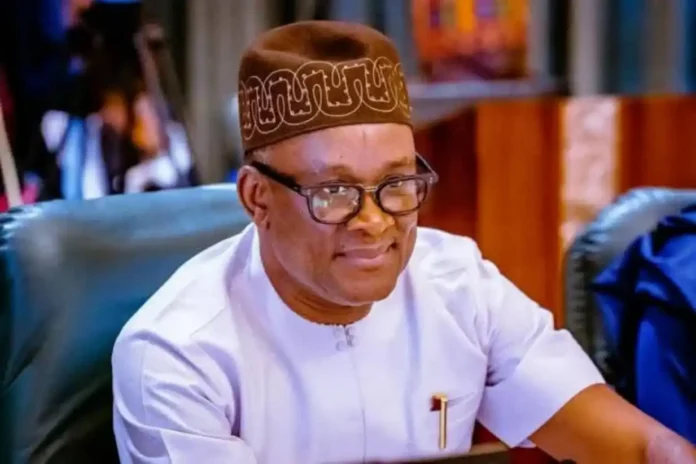
In Sokoto State, the Minister of State for Industry, Trade and Investment, Senator John Owan Enoh, said the present administration is taking the issue of industrialization very seriously. He explained that the government has introduced rebate policies to fast-track economic diversification and support local industries.
According to the minister, President Bola Tinubu’s recent declaration of the “Nigerian First Policy” reflects the government’s commitment to prioritizing local production and promoting Nigerian-made goods and services. He noted that the policy is expected to drive innovation and productivity within the industrial sector.
“The policy is not just about growth; it also focuses on quality and competitiveness,” Senator Enoh stated. “Nigerians will not only rely on gas and oil but will increasingly invest in quality manufacturing and service delivery. We are committed to industrialization and to improving services by bringing them closer to the people.”
He expressed confidence that Nigerians would soon have access to better and healthier products in the market as a result of stronger collaboration between the federal and state governments, alongside private stakeholders.
The Sokoto State government has pledged to partner with the Standards Organisation of Nigeria (SON) to enhance the production of quality goods that meet national standards and protect consumers. This partnership signals a new stage in industrial development, aimed at boosting quality infrastructure and supporting sustainable economic growth across Nigeria.

