

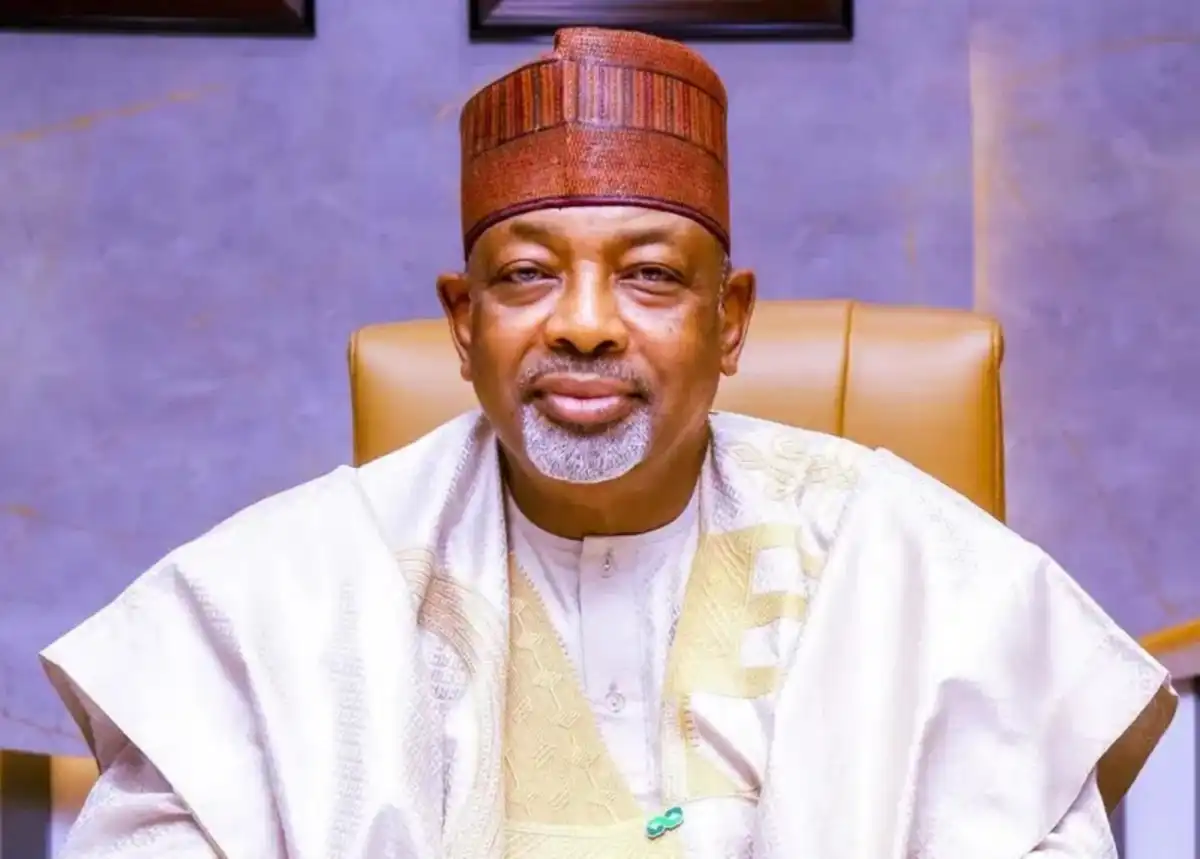
The Federal Government on Wednesday announced new plans to tap into the agribusiness potential of Nigerian youths. The move was revealed by the Minister of Agriculture and Food Security, Sen Abubakar Kyari, during an address at the Scaling up Youth Agripreneurship in Nigeria for Food Systems Transformation summit held in Abuja. The summit was organised by the Federal Government of Nigeria in partnership with the Niger Delta Development Commission, NDDC, the International Fund for Agricultural Development, IFAD, and the Livelihood Improvement Family Enterprises Niger Delta, LIFE-ND, Project.
Kyari highlighted the many challenges that have held young people back in the agricultural sector. He noted issues such as limited access to finance, land, processing facilities, markets, and mentorship. He also explained that many youths lack skills aligned with current market needs and often face environments that do not fully support their potential. He said the Tinubu-led administration is already implementing programmes and projects aimed at creating better opportunities for youth participation across major value chains.
In his words, “Today, we come together with one huge focus to change the narrative. This event marks a clear commitment to scale up youth agripreneurship across our country and region. Our goals are concrete: To unlock land and productive resources for young farmers, while ensuring secure tenure and responsible stewardship of the land.” He added that the government aims “to expand access to inclusive finance, credit guarantees, and streamlined procurement mechanisms that favor youth-led agribusinesses.”
Kyari also explained plans “to accelerate business development support—mentorship, incubation, and commercialization services that translate innovative ideas into viable enterprises.” He said the government intends “to strengthen market systems through digital platforms, value chains, and production, public-private partnerships that enable youth products to reach local, regional, and international markets.” He added that part of the agenda is “to embed climate resilience and sustainable practices at the core of all youth-led productive endeavours, aligning with our climate and food security commitments,” and “to measure progress with transparent, disaggregated data so that we can learn, adapt, and scale what works.”
The minister announced upcoming initiatives, including a land access and tenure assistance programme, innovative financing mechanisms with blended finance options, expanded business development services, a digital platform for youth agripreneurs to showcase products and reach buyers, and a strong monitoring, evaluation, and learning system. He stressed the need for collaboration, saying, “None of these ambitious plans will succeed without partnership. I call on all actors—government ministries and agencies, financial institutions, development partners, the private sector, academia, farmers’ organizations, and, most importantly, young agripreneurs— to join hands.” He added, “Your trust and collaboration give us confidence that scaling-up youth agripreneurship is not only possible but inevitable. Let us commit to concrete actions, shared accountability, and a shared vision of a transformed agrifood system where every young person can grow, innovate, and prosper.”
The National Coordinator of LIFE-ND, Dr Abiodun Sanni, also shared updates on the project’s achievements in states where it is active. Sanni said the project has trained over 29,620 youths and women as agripreneurs across major value chains such as cassava, rice, oil palm, aquaculture, poultry, and horticulture. He noted that the initiative has enabled the creation of over 23,751 direct jobs in rural communities and increased household incomes by an average of 50 percent among beneficiaries. He added that enterprise incubation has been strengthened through business mentorships.
Sanni stated, “The LIFE-ND Project has demonstrated that with the right model, Nigeria can convert its youthful population from job seekers to agripreneurial wealth creators capable of transforming the nation’s food system.” He expressed confidence that with continued commitment and broader partnerships, the project will grow into a national model for agricultural prosperity, food security, and economic resilience.

