

 Add us on Google
The Financial Reporting Council of Nigeria (FRC) has announced plans to formally integrate Islamic Finance Services into the country’s financial reporting framework through the adoption of standards issued by the Accounting and Auditing Organization for Islamic Financial Institutions (AAOIFI).
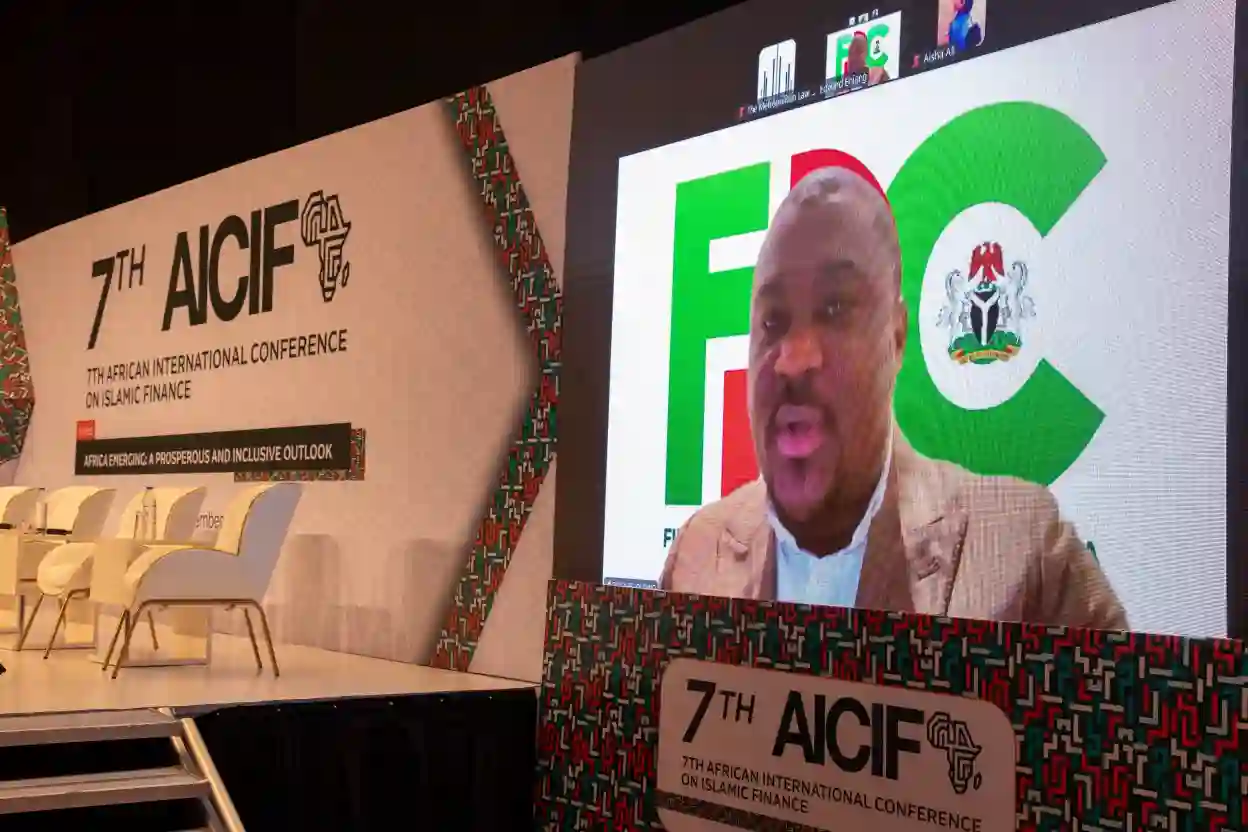
The Executive Secretary and Chief Executive Officer of the FRC, Baa’Șiro (Dr.) Rabiu Olowo, made this known in Lagos during his address at the 7th Africa Islamic Finance Conference. He explained that the initiative aligns with the FRC’s statutory responsibility to set, monitor, and enforce financial reporting standards in Nigeria.
According to him, the rapid expansion of Islamic Finance Services in Nigeria, including the rise of Islamic banking, Sukuk issuances, Takaful insurance, and non-interest capital market products, makes it necessary to establish consistent and globally comparable financial reporting practices.
“This sector has become a dynamic contributor to financial inclusion, infrastructure financing, and ethical investment alternatives. However, this growth brings with it the obligation for regulators to ensure that financial reporting for Islamic Finance Services is consistent, reliable, and globally comparable,” Dr. Olowo stated.
He added that adopting AAOIFI standards would complement the existing International Financial Reporting Standards (IFRS) while providing a dedicated framework for the unique contracts and financial instruments used in Islamic finance. He emphasized that this integration is vital for improving transparency and boosting investor confidence in the Nigerian financial market.
“Nigeria’s financial system is evolving, and our regulatory framework must evolve with it. The inclusion of AAOIFI standards into our national framework is not just a regulatory necessity, it is a strategic imperative for building trust, enhancing transparency, and ensuring that Islamic Finance continues to contribute meaningfully to economic growth and financial inclusion,” he added.
Vice President Kashim Shettima, represented by the Special Adviser to the President on Economic Affairs, Dr. Tope Fasua, noted during the conference that Islamic finance has become a significant driver of economic progress in Africa. “Islamic finance has emerged as a powerful ally because the system framework is rooted in ethics, fairness, and shared prosperity,” he said.
Also speaking, His Royal Highness Muhammadu Sanusi II, the 14th Emir of Kano and former Governor of the Central Bank of Nigeria, expressed satisfaction with the industry’s growth. “We are beginning to see geometric growth in the number of banks that have been licensed and the number that have applied for licences,” he said.
Sanusi added that Islamic financing focuses on investments in real assets such as roads, power plants, water, and digital networks. “In Nigeria, for instance, if we have constant access to electricity, it will easily give us a $1 trillion economy,” he explained. He concluded that “Islamic financing fits perfectly into infrastructure finance because it is built on truth, where every financing is tied to a real tangible asset that creates jobs and long-term value.”

