

 Add us on Google
The Kaduna State Livestock Productivity and Resilience Support Project (LPRES) has revealed plans to set up Milk Aggregation Centres across key pastoralist settlements in the state. This move is aimed at transforming the dairy value chain and improving the livelihoods of livestock-keeping communities.
The initiative is part of the broader goal to revitalise the dairy production sector by addressing key challenges such as milk collection, transportation, preservation, and market access. LPRES has been implementing the Support to Sedentary Pastoralist Communities programme, which has so far reached 19 groups with essential interventions.
These interventions include solar-powered boreholes, pasture demonstration plots, tricycles, animal supplements and medicines, molasses, milking cans, fodder choppers, and residue crushers. All of these are geared towards improving milk output and animal health in rural areas, boosting productivity and creating better income opportunities.
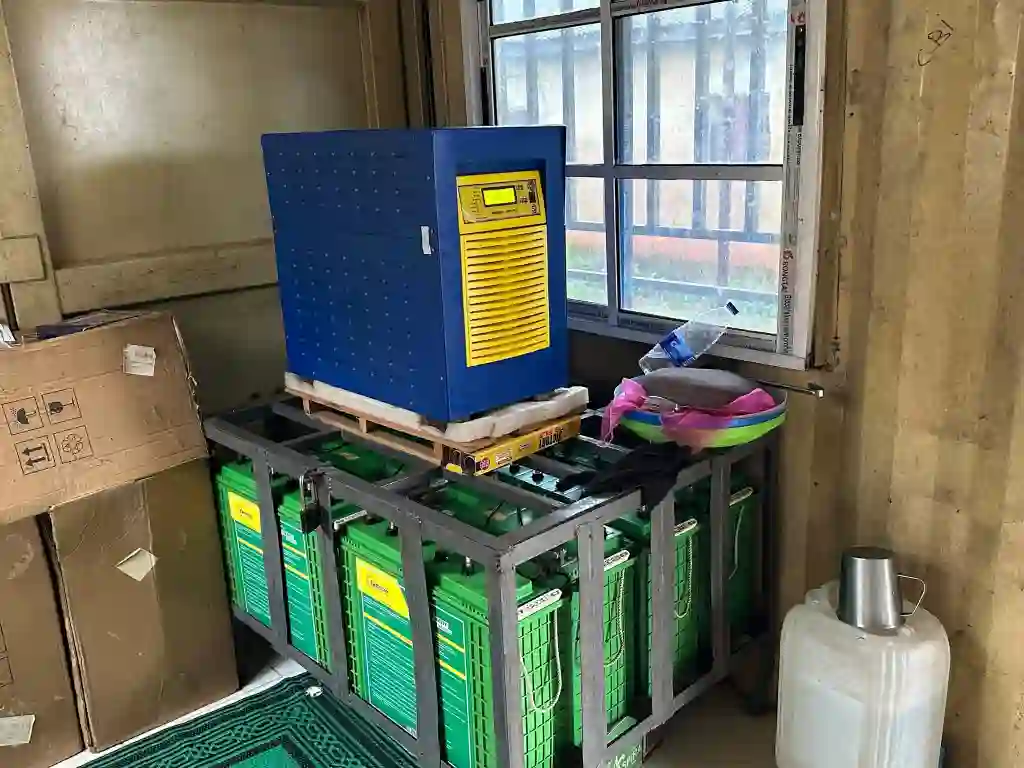
LPRES is now focusing on building community-based Milk Collection Centres. These centres will be fitted with solar-powered cold storage systems to ensure safe preservation of milk and reduce spoilage, especially in areas without steady electricity. This will make it easier for smallholder farmers to store milk until it is collected by commercial offtakers.
To prepare for this development, a team from the State Project Coordination Office visited a mini milk aggregation facility at Ladugga Crossing in Kachia Local Government Area. The facility was set up by Nestlé Foods and is supervised by Dr. Aliyu Lawal.
Dr. Lawal explained that the centre features a solar-powered refrigeration system and an insulated storage unit with the capacity to hold over ten large milking cans. He noted that “the system has helped reduce spoilage and increased income for local dairy farmers by supporting regular collection and sales.”
Dr. Shittu Hashim, the State Project Coordinator, stated that lessons from the Ladugga visit will guide the creation of similar centres across Kaduna.
He said, “We aim to strengthen the dairy supply chain, promote sustainable livestock production, and connect rural producers to the commercial dairy economy.” The project is expected to drive rural development and attract interest from high-value dairy buyers.

