

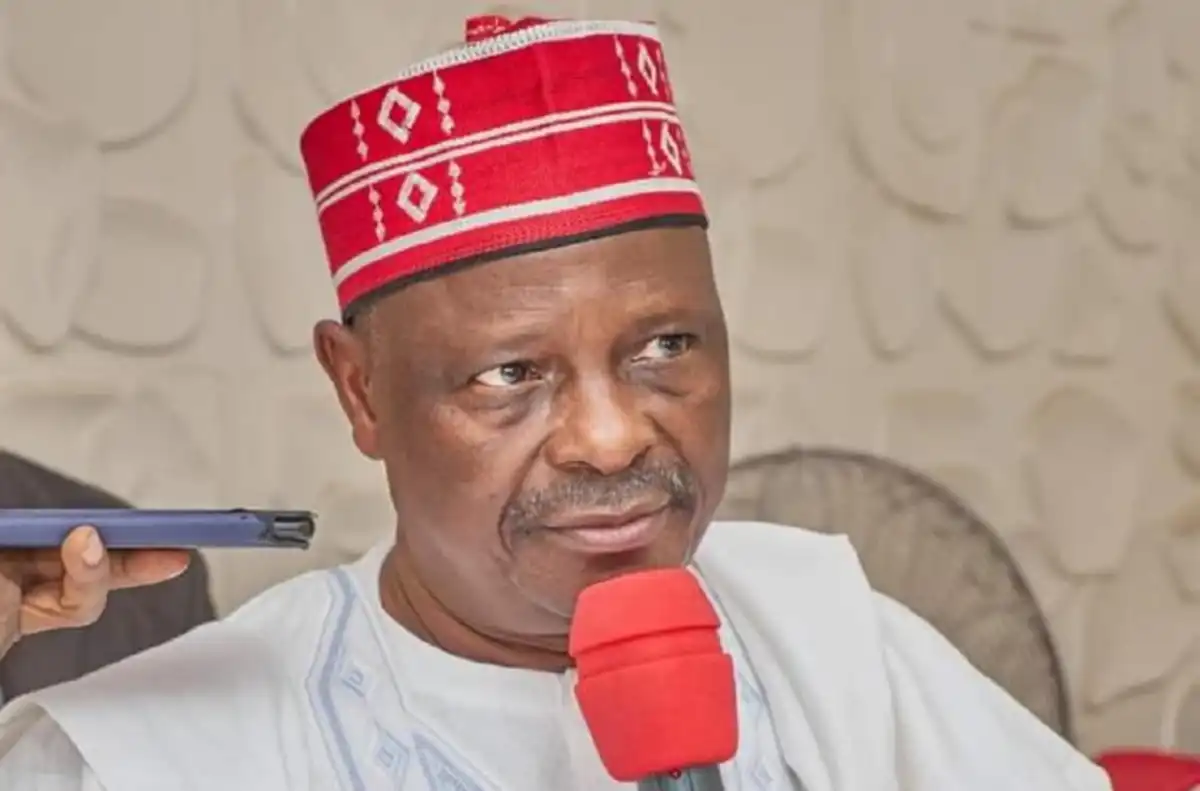
Former Kano State governor and leader of the Kwankwasiyya Movement, Rabiu Musa Kwankwaso, has revealed that he sold several of his personal properties to sustain foreign scholarships for young Nigerians after government sponsorship was discontinued following the 2019 general elections.
Kwankwaso made the disclosure while hosting over 300 PhD holders trained through the Kwankwasiyya scholarship programme at the maiden annual convention of Kwankwasiyya scholars held in Kano. The event brought together beneficiaries of the scholarship scheme supported for nearly 25 years.
He described education as the most enduring legacy any leader could leave behind, stressing that long-term investment in human capital remains the true measure of governance. According to him, leadership should be assessed by its lasting impact on people’s lives rather than short-term achievements.
Kwankwaso said the decision to personally fund overseas studies became necessary after public sponsorship of foreign students ended. “After the 2019 elections, government stopped sponsoring students abroad. I realised that many of these young people had already started their journeys, and abandoning them would destroy years of effort,” he said.
Explaining how he raised the funds, Kwankwaso disclosed that he sold properties he no longer needed across different parts of the country. “I realised I had properties I did not need, plots in Lagos, Kaduna, Sokoto, Adamawa and other places. I sold them and used the proceeds to sponsor 370 young men and women from Kano State to study abroad,” he said.
Before this intervention, he noted that the programme had already sponsored over 3,000 students within four years to study in 14 countries across Europe, Asia, Africa and the Middle East. He added that the initiative has produced hundreds of medical doctors and specialists, scores of pilots and aviation professionals, thousands of engineers, ICT experts and technologists, as well as academics and researchers, including over 300 PhD holders.
Kwankwaso described the gathering as historic for Kano State and Nigeria, noting visible progress among beneficiaries. “I remember many of you when you were very young. Some of you looked like you came straight from the villages. Today, I see confidence, professionalism and even grey hair,” he said.
He explained that the objective of the Kwankwasiyya Development Foundation extends beyond sponsorship to tracking, mentoring and integrating beneficiaries into public service and national development. “That is why we decided to engage you politically, at ward, local government, state, zonal and, by the grace of God, national levels, for those who are interested,” he stated.
Kwankwaso cautioned scholars against academic elitism, urging them to remain connected to grassroots communities. “It is not fair for someone with a PhD or master’s degree to feel too big to serve at the ward level,” he said.
He also commended Kano State Governor Abba Yusuf for appointing several beneficiaries of the programme as commissioners, advisers and senior aides, expressing optimism that scholars would eventually emerge as governors and even president.
Speaking at the event, Kano State Deputy Governor Aminu Gwarzo described the scholarship scheme as one of the most impactful human capital development interventions in Nigeria’s history, praising Kwankwaso’s consistency and foresight.
In his remarks, the National President of the Kwankwasiyya Scholars Assembly, Dr Mansur Hassan, said the convention marked a defining moment, describing the initiative as “the most unprecedented scholarship programme Nigeria has ever witnessed.” He added that many tertiary institutions in Kano and neighbouring states would face serious academic challenges without Kwankwasiyya scholars, noting that the convention featured award presentations, goodwill messages and testimonials from beneficiaries.

