

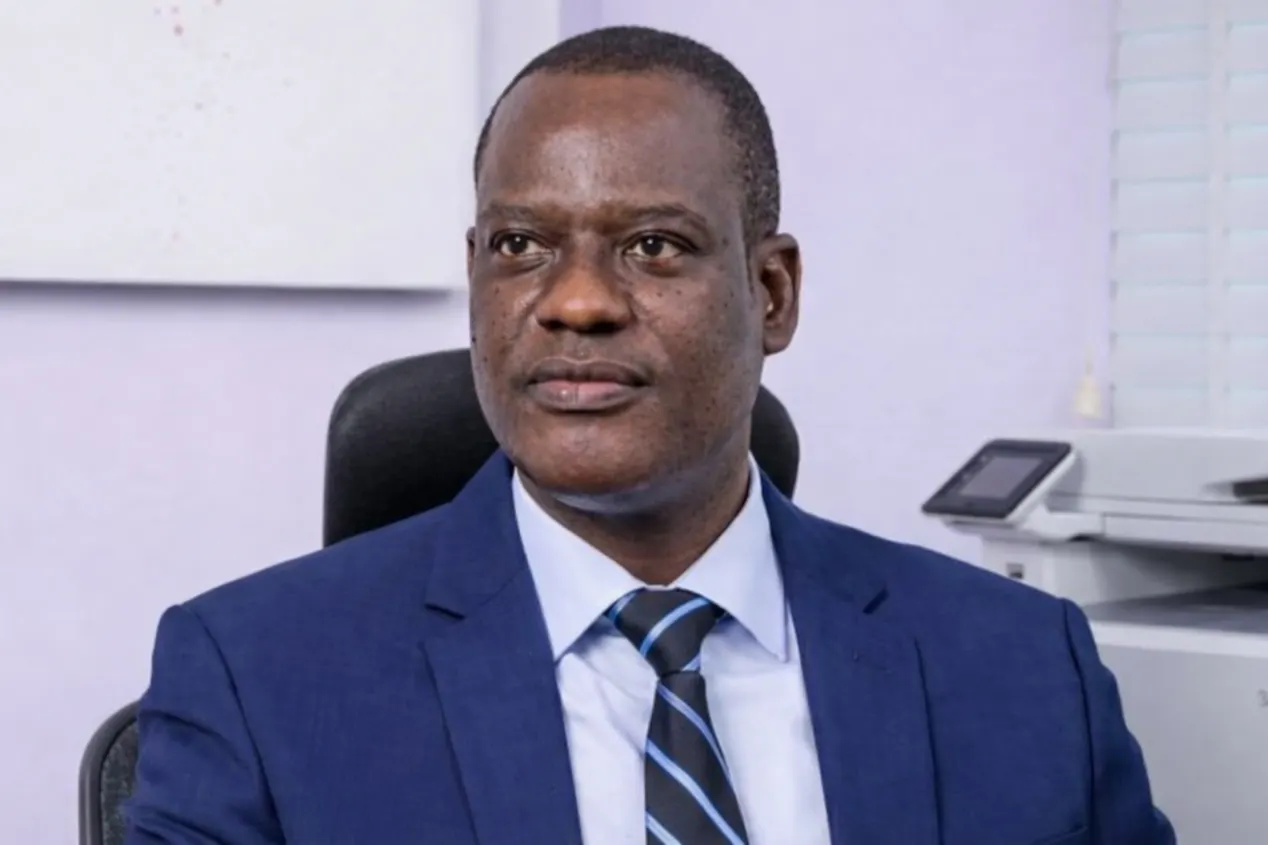
The Chairman of the Presidential Fiscal Policy and Tax Reforms Committee, Taiwo Oyedele, has clarified that he did not describe Nigeria’s gazetted tax laws as fake, contrary to some media reports circulating online.
Oyedele explained that his comments were misunderstood and taken out of context following interviews he granted on Channels TV and later on Arise TV on Wednesday. According to him, his remarks were specifically directed at a list of alleged alterations being circulated and presented as a report of a House of Representatives committee, even though the committee had not met at the time.
“So that’s not what I said,” Oyedele stated. “What I said was that there was a list of alleged alterations being circulated and the impression was given that it came from a House of Representatives committee report, when in fact the committee had not even met.”
He said he became concerned after seeing sections attributed to the gazetted tax laws that he knew did not exist. Oyedele added that he contacted a lawmaker involved in the matter, who confirmed that the committee had not issued any report. “Apparently some people decided to write what alterations they thought were made. It didn’t come from the committee,” he said.
Oyedele stressed that any claim of alteration to the tax laws can only be verified by officially comparing the gazetted documents with the harmonised versions passed by the National Assembly. Until that is done, he said, allegations remain speculative.
“There’s no basis to start discussing alleged alterations when we don’t even know where those documents came from,” he added.
Addressing specific claims, Oyedele said some controversial provisions being circulated do not appear in the gazetted Nigeria Tax Administration Act. He cited the claim that taxpayers must pay a 20 percent deposit before appealing a tax assessment, saying, “If you read Section 41, Subsection 8, you will not find it there.”
On concerns about tax authorities having excessive powers, Oyedele explained that many of the powers being described as new already exist in current tax laws. He said enforcement actions such as asset seizure or bank account substitution only occur after a long legal process involving objections, appeals, and court rulings.
“You don’t just wake up and say somebody is owing tax and take money from their bank account,” he said. “There is an elaborate process through the Tax Appeal Tribunal, the High Court, the Court of Appeal, and even the Supreme Court before a tax becomes final and conclusive.”
Oyedele also addressed criticism about provisions allowing tax computations in US dollars, particularly in the petroleum sector. He explained that oil companies already prepare their financial statements and pay taxes in US dollars under existing practice, in line with the Petroleum Industry Act.
On calls to suspend the tax laws, Oyedele said such a move would be impractical and could create serious legal and revenue challenges. He noted that some of the laws have already taken effect, including the repeal of the Federal Inland Revenue Service Act and the establishment of the Nigerian Revenue Service.
“How do you suspend a law that has already commenced?” he asked. “If you suspend revenue collection even for one month, that’s a crisis.”
While defending the reform process, Oyedele admitted that gaps exist and said the controversy should be used as an opportunity to improve transparency. He called for better automation and timely publication of harmonised bills to prevent similar disputes in the future.
“This reform is here to help Nigerians,” he said. “When there is a crisis, we should not waste it. Let us use it to fix the process so we don’t have these kinds of allegations again.”

