

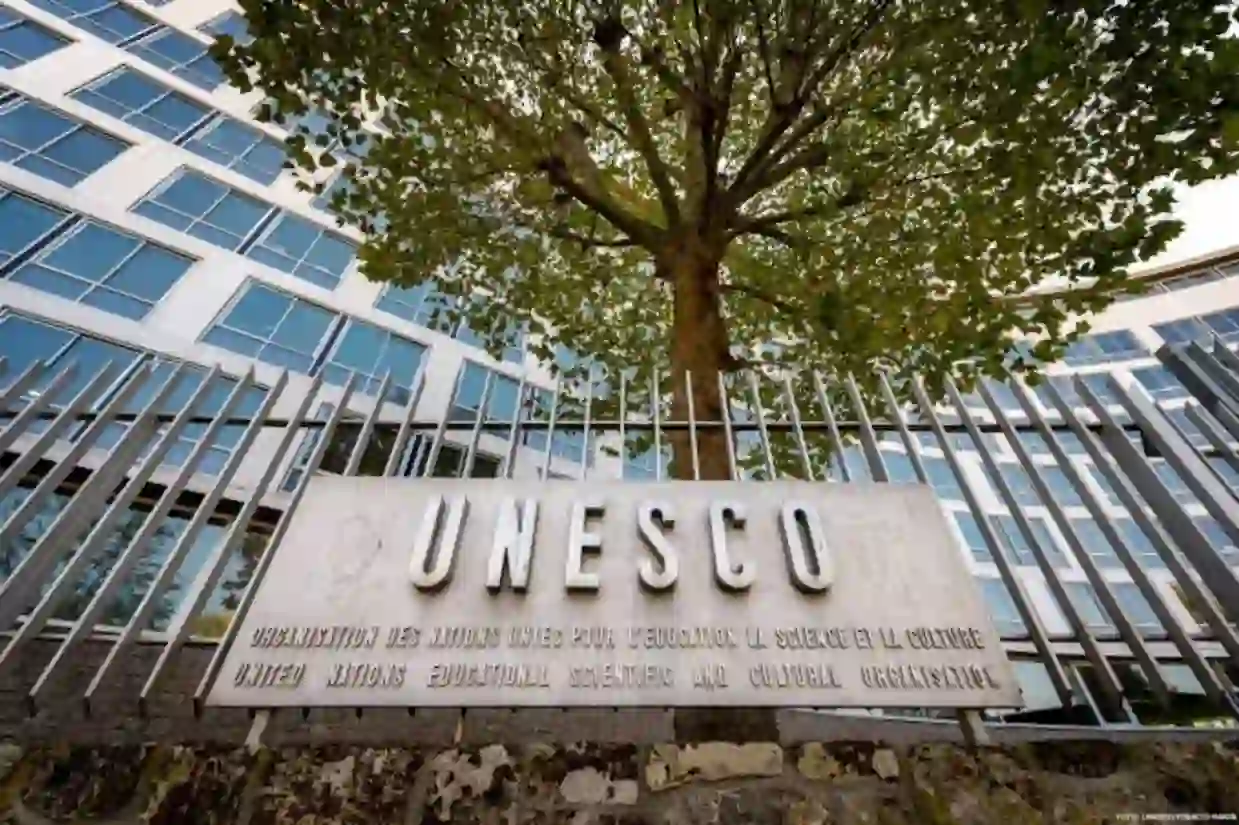
The Presidency, through the Office of the Senior Special Assistant to the President on Food Security, in collaboration with the UNESCO REF and the Police Officers’ Wives Association (POWA) Lagos State Chapter, has launched a bespoke Urban Agriculture Training Programme aimed at strengthening food systems and expanding income opportunities for women in Lagos.
The formal inauguration took place in Lagos, where the Senior Special Assistant to the President on Food Security, Barr. Yejide Ogundipe, said the initiative aligns with President Bola Ahmed Tinubu’s Renewed Hope Agenda. She stressed that women farmers must be recognised as key contributors to Nigeria’s food security.
Ogundipe explained that the programme is designed to strengthen the Lagos State agricultural food system while empowering women through innovation, sustainability, and financial inclusion. She noted that the training, themed “Seed of Empowerment: Growing Women in Lagos,” equips participants with practical tools, knowledge, and opportunities to succeed in urban farming.
According to her, the initiative aligns with the National Agricultural Technology Innovation Policy (NATIP) and connects directly with the ₦500 billion Offtake Guarantee Fund under the Produce for Lagos Programme, launched earlier in July 2025. She added that participants are guaranteed a steady income every two to three weeks, ensuring that empowerment leads to financial stability for households.
Organisers announced plans to expand the bespoke programme in 2026, targeting at least 120,000 women across all local governments and local council development areas in Lagos State.
Speaking at the event, President of UNESCO REF, Abdulsalami Ladigbolu-Oranmiyan, described the programme as empowerment rather than charity. He said, “Philanthropy provides immediate relief, but capacity building empowers individuals to achieve financial freedom and long-term sustainability. What we are launching today is designed to transform lives and communities.”
Also speaking, the POWA Chairperson in Lagos State, Risqat Jimoh, highlighted the impact of women’s empowerment on families, communities, and the food system of Lagos State.
Jimoh said, “Each participant would receive a Tier 2 certificate, which not only recognises training but also guarantees subsidised entry for their children into future agricultural programmes. This ensures that empowerment becomes generational, extending benefits beyond immediate participants.”
She added that each woman received a variety of seeds to ensure the training moves beyond theory into hands-on farming practice, enabling participants to begin cultivating produce immediately across their neighbourhoods and shared community spaces.
A participant, Aisha Sanni, described the programme as “an alternative means for financial income,” explaining that as a youth corps member, it helps her save and prepare for life after service and independent economic decisions.
The initiative is supported by partners including NIHORT, IAR&T, The Lichfield, Op3n Labs USA, Women’s Space USA, and others, under UNESCO REF’s Strategic Intervention Programme – Alpha Category 2 Framework.
Organisers noted that improved household financial stability is a strong deterrent to crime, positioning the programme as an economic and social intervention and a CSR model for partners investing in women’s empowerment and food security nationwide, especially in urban communities and densely populated areas across Lagos State, with term benefits for families markets livelihoods and local resilience.

