

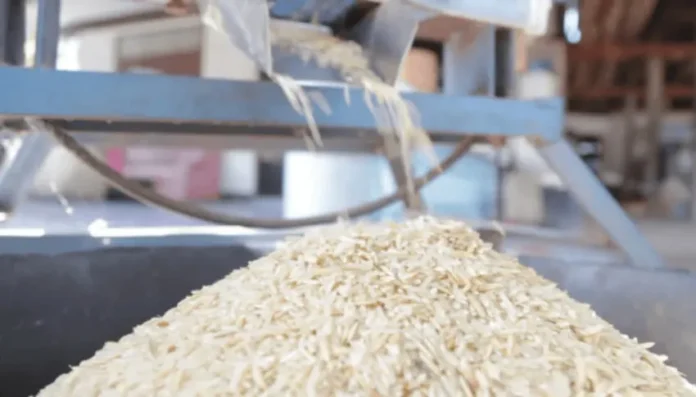
TechnoServe, through its Millers for Nutrition initiative and in collaboration with the Promoting Rice Fortification in Nigeria (PRiFN) programme, has trained rice millers in Lagos on how to fortify rice with essential micronutrients in line with national regulatory standards.
The training brought together rice millers from across the country for a two-day technical session focused on improving the nutritional quality of one of Nigeria’s most consumed staple foods. Participants were guided on how to enrich rice with key micronutrients such as iron, folic acid and vitamin B12, while also meeting the requirements set by regulatory authorities.
The programme reflects growing efforts to tackle malnutrition in Nigeria by using widely consumed foods as delivery vehicles for essential nutrients. Rice, which is eaten in homes across the country, is now being positioned as a strategic channel for improving public health outcomes.
Speaking during the training, representatives from regulatory agencies emphasised the importance of compliance with national standards. They explained that rice fortification must align with guidelines established by both the National Agency for Food and Drug Administration and Control and the Standard Organisation of Nigeria.
Mojisola Adeyeye, Director-General of NAFDAC, who was represented by Eva Edwards, highlighted the need for strong collaboration between regulators and producers. She said, “Fortification is a critical intervention in addressing micronutrient deficiencies, and it is important that millers understand and comply with the standards required to deliver safe and effective products.”
Participants were taken through practical sessions on how to apply micronutrient premix to rice during processing. The training also covered quality assurance, packaging requirements and labelling standards necessary for certification and market acceptance.
Olusola Sowunmi, Senior Food Fortification Specialist at TechnoServe, explained that the initiative is designed to build the capacity of millers while strengthening the entire rice value chain. According to him, “We are not just training millers to fortify rice, we are ensuring that they do it in line with national regulations so that the products can be trusted and widely accepted.”
He added that the programme is supported by the Federal Government and development partners, with a focus on scaling up production and encouraging more millers to adopt fortification practices. “The goal is to make fortified rice available to as many Nigerians as possible, using rice as a vehicle to deliver essential nutrients like iron, zinc and B vitamins,” Sowunmi said.
The training also highlighted the regulatory frameworks guiding fortified food production. Abiola Tijani, a control regulatory officer at NAFDAC, explained that manufacturers must meet clearly defined nutrient thresholds before their products can be labelled as fortified.
“Products that do not meet these thresholds cannot legally be marketed as fortified,” he said. “It is important that millers follow the approved standards to ensure that consumers are getting the nutritional benefits they expect.”
Tijani further stressed the importance of proper packaging, noting that exposure to heat, light and humidity can reduce the effectiveness of added nutrients. He explained that packaging must protect the product while also providing clear and accurate information to consumers.
Labelling requirements were also discussed in detail during the session. Millers were advised to include essential information such as product name, ingredient list, nutrient composition, manufacturing and expiry dates, batch numbers and storage instructions. All information must be clearly presented in English and include traceability features like barcodes.
From the Standard Organisation of Nigeria, Nene Obianwu spoke on the importance of maintaining quality across the production process. She explained that both milled rice and the final fortified product must meet specific standards before certification can be granted.
“If a product does not meet the required nutrient levels, it must not be labelled as fortified,” she said. “Standards are there to ensure consistency, safety and quality across the entire value chain.”
Obianwu also warned against the use of recycled materials in packaging fortified rice, noting that such materials may contain harmful residues that could compromise food safety.
The training included insights from industry experts as well. David Okorie of dsm-firmenich showcased examples of fortified rice packaging from other countries, particularly India, where rice fortification has been widely adopted.
He encouraged Nigerian millers to see packaging not just as a requirement but as an opportunity. “Your packaging can help your product stand out in the market,” he said. “As pioneers in this space, there is a need for your product to reflect quality and innovation.”
Participants at the training included millers already producing fortified rice as well as those in the process of obtaining the necessary licences. Companies such as Coscharis, Kiara, Ni-Agra, Ibom Agricon, Nadia, Swomen Dama and Gerawa were represented.
The session also provided an opportunity for millers to share experiences, challenges and expectations as the country moves towards wider adoption of rice fortification. Many participants expressed optimism about the programme, noting that the training has equipped them with the knowledge needed to meet regulatory standards and improve product quality.
With more millers expected to join the initiative, stakeholders say continued training and support will be key to ensuring that fortified rice becomes widely available and trusted by consumers across Nigeria.

