

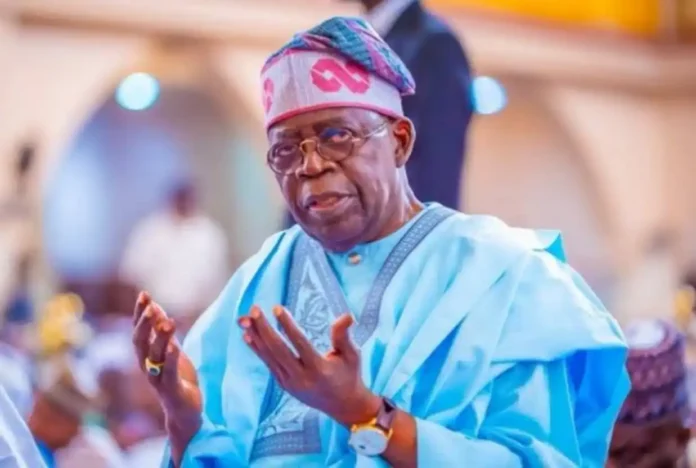
President Bola Ahmed Tinubu has proposed an allocation of ₦3.52 trillion to education in the 2026 Federal Budget, placing human capital development at the centre of the government’s fiscal priorities.
The education allocation was disclosed on Friday when Tinubu presented the ₦58.18 trillion 2026 Appropriation Bill to a joint sitting of the National Assembly in Abuja. The session was attended by Vice President Kashim Shettima, cabinet members, governors, and other top government officials.
Addressing lawmakers, the President said the 2026 Budget was prepared “against an improving global outlook” but stressed that the focus remains on building a strong Nigerian economy that works for citizens. He explained that education funding forms a key part of the administration’s plan to translate economic recovery into better living standards.
Tinubu said the 2026 Budget is guided by the need to “strengthen human capital while protecting the vulnerable,” one of the four core objectives shaping government spending for the year. According to him, investment in people is critical to long-term growth and national competitiveness.
Under the sectoral breakdown of the budget, education received ₦3.52 trillion, placing it among the top priority areas alongside security, infrastructure, and health. Tinubu noted that these sectors are closely linked, adding that “without educated and healthy citizens, productivity will not rise.”
Speaking specifically on education, the President highlighted ongoing efforts to expand access to higher education through the Nigerian Education Loan Fund. He said the scheme has already supported over 418,000 students in partnership with 229 tertiary institutions across the country.
“No nation can grow beyond the quality of its people,” Tinubu said, explaining that sustained funding for education and skills development is essential for Nigeria’s future. He added that the education investment is designed to improve access, build skills, and prepare young Nigerians for a changing economy.
The President also tied education spending to broader economic reforms undertaken over the last two and a half years. He acknowledged that the reforms have been difficult, noting that “families and businesses have faced pressure,” but assured Nigerians that the sacrifices are purposeful.
According to Tinubu, the 2026 Budget aims to consolidate gains already made while turning recovery into shared prosperity. He said government will spend with discipline and ensure that allocations deliver real value to citizens.
The education allocation forms part of a broader fiscal framework that projects total revenue of ₦34.33 trillion and total expenditure of ₦58.18 trillion. Tinubu assured lawmakers that the budget would be implemented with stronger discipline, adding that he has directed relevant officials to ensure strict adherence to approved details and timelines.
He concluded that education investment remains central to building a more resilient, inclusive, and competitive Nigeria.

