

 Add us on Google
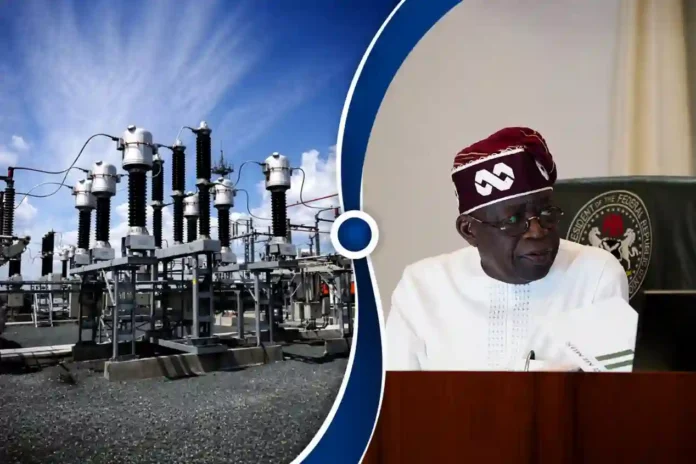
President Bola Tinubu has approved a ₦3.3 trillion payment plan aimed at clearing long-standing debts in Nigeria’s power sector, in a move that could mark a turning point for millions of Nigerians struggling with poor electricity supply.
The approval, announced in a State House statement on Sunday, comes at a time when households and businesses across the country continue to face prolonged blackouts, erratic supply, and rising dependence on generators.
According to the presidency, the payment will settle verified legacy debts accumulated between 2015 and 2025 under the Presidential Power Sector Financial Reforms Programme. The government described the move as a necessary step to restore confidence and stability across the electricity value chain.
So far, 15 power generation companies have signed agreements covering ₦2.3 trillion, while ₦223 billion has already been disbursed from the ₦501 billion raised for the first phase of payments.
What this means for Nigerians
For many Nigerians, the biggest concern is simple — when will electricity improve?
The government believes this intervention directly addresses one of the root causes of the crisis: unpaid debts to power generation companies and gas suppliers. With these payments, power plants are expected to receive the financial support needed to operate more consistently.
If sustained, this could lead to more stable generation, fewer disruptions, and gradual improvement in electricity supply to homes and businesses.
The administration also stated that reforms such as improved metering and service-based tariffs are ongoing, with a focus on ensuring that consumers receive electricity that reflects what they pay for.
A step towards relief, but not immediate change
While the announcement offers a sense of direction, it does not mean instant relief.
Electricity supply remains unstable across the country, and the impact of the payment plan will depend on consistent implementation and improved generation over time.
However, the decision signals a shift towards addressing the structural issues that have held the sector back for years.
For Nigerians who have endured persistent outages, high fuel costs, and unreliable supply, the expectation is clear — not just policy announcements, but visible and lasting improvement in power delivery.
The presidency has confirmed that the next phase of the programme will begin within the current quarter, raising expectations that further interventions are on the way.

