

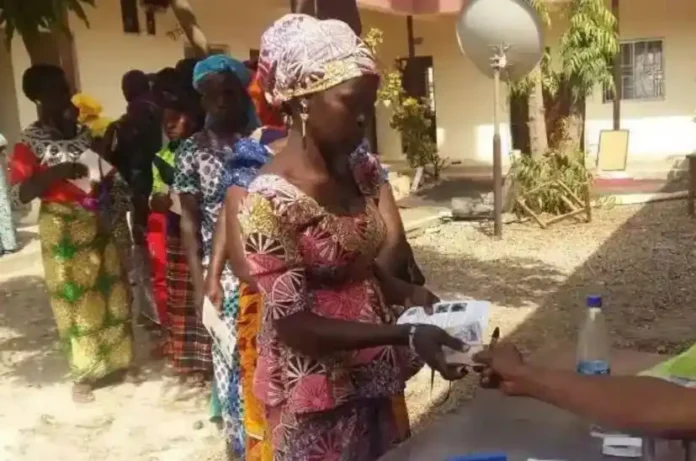
The United Nations has launched the 2026 Humanitarian Needs and Response Plan, targeting 2.5 million Nigerians for assistance with a funding requirement of $516 million, as humanitarian needs continue to rise across the country. The UN said about 5.9 million Nigerians are currently in need of humanitarian support, warning that worsening insecurity, climate shocks, and declining global funding are deepening the crisis.
The disclosure was made at the official launch of the 2026 Humanitarian Needs and Response Plan, where humanitarian agencies expressed concern that limited resources are forcing difficult choices. According to the plan, assistance will focus on the most vulnerable 2.5 million people out of nearly six million Nigerians in need, at a time when global humanitarian financing is under pressure.
The United Nations noted that humanitarian needs are increasing rapidly, especially in conflict-affected areas of the northeast. The situation, it said, is compelling aid agencies to scale back or prioritise operations as funding continues to shrink. Despite these challenges, the UN stressed the importance of sustaining life-saving interventions for affected populations.
Through the Federal Ministry of Humanitarian Affairs and Poverty Reduction, the Federal Government said it will continue to provide policy direction, coordination, leadership and system alignment. This, according to officials, is to ensure that humanitarian efforts complement broader national reforms aimed at reducing poverty, strengthening human capital and building resilient communities. Speaking at the event, the Minister of State for Humanitarian Affairs, Dr Yusuf Tanko Sununu said, “Distinguished ladies and gentlemen, one of the critical policy shift under Renew Hope Agenda is the emphasis on prevention and preparedness.” The official added that “Nigeria can no longer afford a cycle of responding to predictable shock without addressing underlying risk.”
Across the country, humanitarian needs are rising as families face increased food insecurity and economic pressure. Children are facing alarming levels of malnutrition, while civilians in Borno, Adamawa and Yobe states continue to live in fear of increased violent attacks. Children remain among the most affected groups. UNICEF disclosed that about three million Nigerian children are acutely malnourished, describing the nutrition crisis as widespread and stressing that life-saving support, including ready-to-use therapeutic food, must be sustained.
State governments also warned that growing humanitarian challenges are exposing children to child labour and early marriage. With funding under strain and needs continuing to rise, stakeholders said sharper prioritisation, improved coordination and sustained support are critical to protecting the most vulnerable, particularly children, warning that this is not the time to scale back life-saving interventions.

