

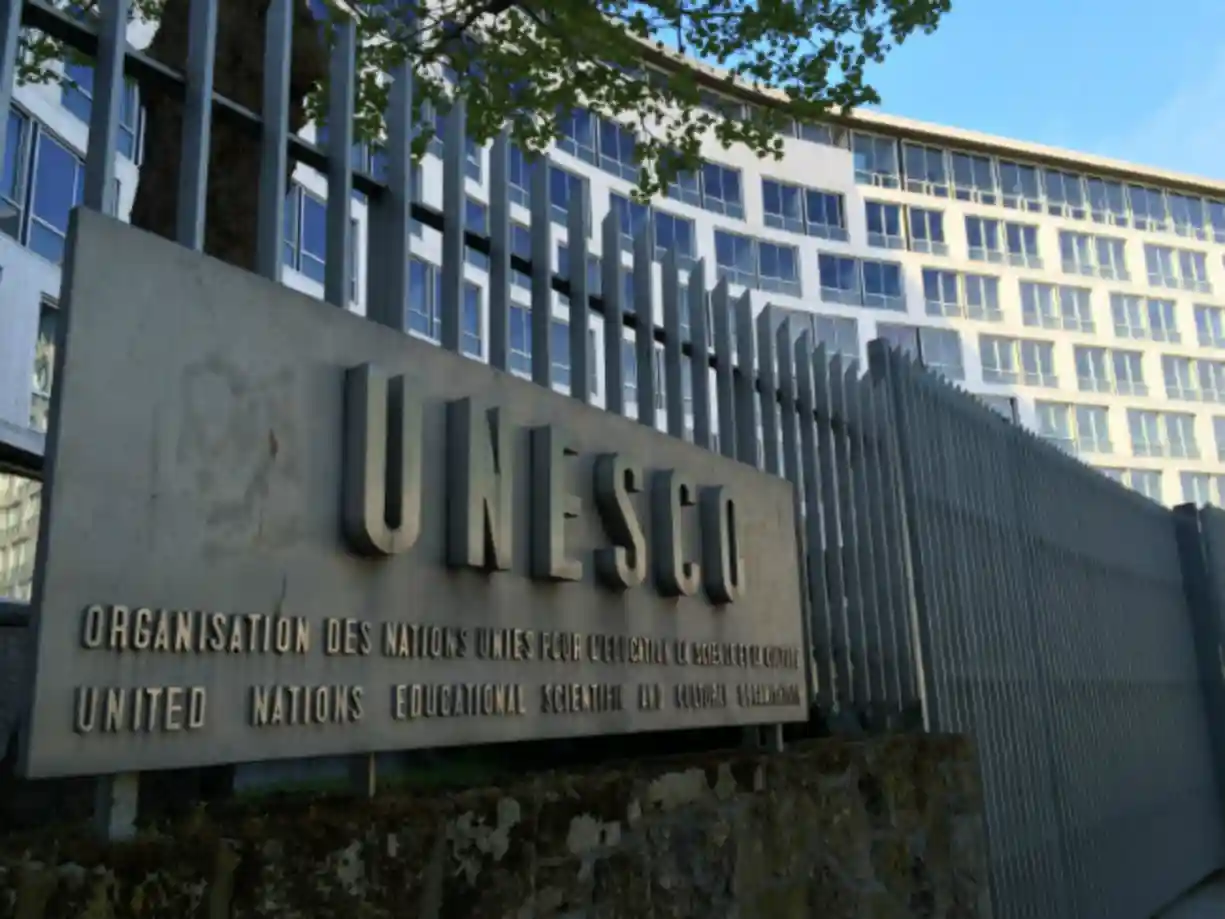
The United Nations Educational, Scientific and Cultural Organisation (UNESCO) has launched the second phase of the European Union (EU) funded education project known as Education and Youth Empowerment in Nigeria, Expand, Integrate and Strengthen Systems (EISS) to Build Teachers’ Capacity and Resilience.
The project officially commenced in Bayelsa State alongside five other states which include Adamawa, Enugu, Oyo, Plateau, and Katsina.
Speaking during the programme opening, the head of office and UNESCO representative in Nigeria, Dr Jean-Paul Ngome Abiaga, said the initiative aims to improve the country’s education sector through investment in teacher development.
“This initiative reflects a shared commitment to strengthening Nigeria’s education system by investing in the professional resilience, collaboration, and effectiveness of teachers—the backbone of learning and national development,” he stated.
He explained that the introduction of Teacher Learning Teams (TLTs) is a major part of the programme. According to him, these teams will provide a platform for teachers to learn from one another, upgrade their skills, and build stronger relationships with students and communities.
“The focus of today’s engagement—the establishment of Teacher Learning Teams (TLTs)—is at the heart of UNESCO’s vision for sustainable teacher development. TLTs create a platform where teachers learn from one another, strengthen their pedagogical practices, and build deeper connections with their students and communities. Evidence from around the world shows that when teachers collaborate, student learning improves, school communities thrive, and education systems become more equitable and resilient,” he said.
Ngome Abiaga emphasised the importance of school mapping which will also take place under the project in Bayelsa. He noted that it will help generate reliable data on school facilities and teacher distribution.
He praised the Bayelsa State government and residents for embracing the programme, describing their support as essential to its success and the growth of education in the state.
“Through collaboration with SUBEB, the state ministry of education, and LGEAs, this activity will generate vital, geo-referenced data on school locations, teacher deployment, and infrastructure. These data will feed directly into the national Teacher Management Information System (TMIS) and support smarter planning, effective clustering of schools, and more impactful implementation of TLTs,” he said.
He also commended the EU for funding the project and acknowledged the federal ministry of education for aligning the initiative with national standards and priorities.

