

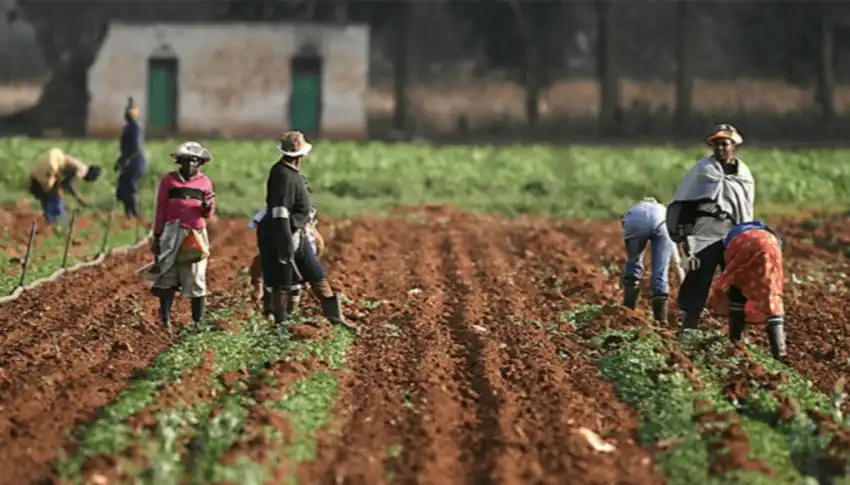
The World Bank plans to approve a new $500 million loan to Nigeria in March 2026, targeting the agriculture sector as part of efforts to improve food production and strengthen value chains across the country.
The proposed funding will come from the International Development Association (IDA), the concessional lending arm of the World Bank that provides low-interest loans to developing countries. With the Federal Government as the borrower, the project is expected to be implemented by the Federal Ministry of Agriculture and Food Security in collaboration with participating states.
According to details of the plan, the $500 million facility is designed to boost agricultural productivity, improve access to inputs and infrastructure, support value chain development, and create jobs in farming and agribusiness. The intervention is also expected to contribute to food security and reduce pressure on food prices if properly executed.
Farmers and agriculture experts in Lagos have reacted to the proposed loan with cautious optimism. The acting chairman of the All Farmers Association of Nigeria (AFAN), Lagos chapter, Shakin Agbayewa, described the development as positive but stressed the need for transparency and proper implementation. He noted that while funding is important, execution has often been the major challenge in past interventions.
An agriculture analyst and farmer, Omotunde Banjoko, also emphasized the importance of accountability in the disbursement process. He said the loan could make a real impact if properly managed, but raised concerns about how similar funds were allocated in the past. According to him, stakeholders are waiting for full details of the programme to understand which subsectors and regions will benefit.
As March 2026 approaches, attention is now on how the proposed World Bank loan will be structured, monitored, and implemented to ensure that it delivers measurable results for farmers across Nigeria.

