Mikano Motors and Autochek Africa have entered into a strategic partnership aimed at making it significantly easier for Nigerians to buy brand-new cars. At the centre of the collaboration is a digital platform that combines an online showroom with built-in loan access, allowing customers to browse vehicles and secure financing in one seamless process.
 Follow us on Google News
The initiative directly tackles two long-standing barriers in Nigeria’s automotive market: limited physical access to dealerships and the difficulty of obtaining structured vehicle loans. By integrating retail and finance into a single digital experience, both companies say they are simplifying the path to ownership for individuals and businesses alike.
Unveiled at a press conference in Lagos, the platform enables users to explore available models online, compare specifications side-by-side, and evaluate affordability before making a commitment. More importantly, prospective buyers can apply for financing directly through the system without needing to visit multiple banks or negotiate separate arrangements.
Group Executive Director of Mikano Motors, Joelle Haykal, described the platform as a step toward democratising access to brand-new vehicles across the country.
“We currently operate showrooms in Abuja, Kano and Port Harcourt,” she said. “But Nigeria is a large country, and not everyone can easily reach those locations. The virtual showroom ensures that any Nigerian with internet access can explore our vehicles and assess their options regardless of where they are.”
According to Haykal, the platform is not just about convenience but also about improving purchasing confidence. She noted that many vehicles imported informally into Nigeria are not built to suit local fuel standards or road conditions and often come without proper warranty or after-sales support.
“Buying a car should be viewed as a long-term investment,” she said. “Reliability, service history and warranty protection are just as important as price. Through our network, customers are assured of vehicles engineered for Nigerian operating conditions, with full after-sales backing.”
Vehicles supplied through Mikano’s distribution channels are adapted for local realities, including engines compatible with domestic fuel quality and reinforced suspension systems designed for rougher roads. Haykal explained that these technical modifications help safeguard performance and reduce long-term maintenance risks.
Chief Executive Officer of Autochek Africa, Etop Ikpe, framed the partnership as a structural solution to Nigeria’s financing gap. While the country records an estimated 1.2 million vehicle transactions annually, only about 20,000 of those are brand-new cars. He attributed the disparity largely to restricted access to affordable credit.
“The challenge has never been demand alone,” Ikpe said. “It has been the ability of customers to access transparent, structured financing that makes new cars attainable.”
Through the integrated system, buyers are connected to multiple financial institutions capable of offering vehicle loans with clearly disclosed terms. Fees typically range between 1.5 and 2.5 per cent of the loan value, depending on agreements with lenders. Ikpe emphasised that all charges are presented upfront.
“Transparency is essential to building trust,” he said. “Customers can see exactly what they are signing up for, compare offers and choose what works best for them.”
Data from Autochek indicates that the majority of financed-vehicle customers fall within the 35-to-55 age bracket, reflecting the income stability often required for loan qualification. Around 80 per cent of applicants are small and medium-scale enterprises, including logistics operators, retailers and service providers, while roughly 15 per cent are salaried employees. Many combine formal employment income with side businesses to strengthen their credit profiles.
Geographically, demand mirrors Nigeria’s economic concentration. Between 60 and 70 per cent of applications originate from Lagos, approximately 20 per cent from Abuja, with the remainder spread across other commercial hubs. Ikpe noted that this trend aligns with broader purchasing power patterns nationwide.
A distinctive feature of the partnership is a buy-back programme embedded within the broader ownership ecosystem. Vehicles purchased through the platform can later be revalued, serviced and resold as certified pre-owned cars. The structure is designed to protect residual value while maintaining clear service records.
“This is about creating a lifecycle approach to vehicle ownership,” Ikpe said. “When service standards and inspection records are maintained, everyone benefits — the buyer, the lender and even the next owner.”
Industry participants say the buy-back arrangement may also strengthen lender confidence by reducing depreciation risk. For consumers, particularly those targeting vehicles within the N10 million to N15 million range in the secondary market, the availability of certified options with verifiable histories could improve safety and reliability standards.
The partnership brings together complementary capabilities. Mikano contributes its established distribution network, technical expertise and after-sales infrastructure. Autochek provides the digital backbone and relationships with financial institutions, enabling real-time loan processing and structured repayments.
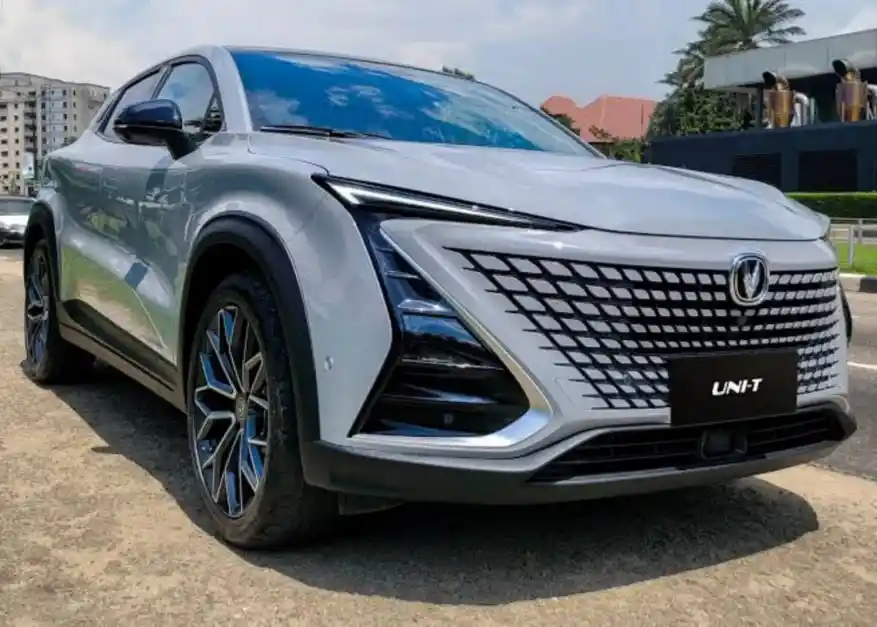
The online showroom currently features global brands represented by Mikano, including Changan, Maxus and Deepal. Customers can compare models, review technical specifications and evaluate financing scenarios before initiating applications.
Executives from both firms said the alliance was developed through deliberate planning to ensure product selection, financing structures and customer experience were aligned before launch. They characterised the relationship as one built on mutual respect and shared objectives rather than a short-term commercial arrangement.
For Mikano, which operates under the umbrella of Mikano International, the move represents an expansion of its traditional dealership model into a more digitally integrated format. For Autochek Africa, it reinforces its ambition to connect buyers, dealers and lenders within a unified marketplace across the continent.
As Haykal stated during the briefing, “Our goal is not merely to sell cars, but to sell trust and integrity alongside mobility.”
Ikpe echoed that sentiment, stressing that the platform is designed to reshape how Nigerians approach vehicle ownership. “When retail and finance are seamlessly connected, the process becomes simpler, more transparent and more accessible,” he said.