The Federal Government is planning a partnership with the Leventis Foundation Nigeria to train young Nigerians in livestock and agribusiness as part of efforts to build practical skills, increase livestock productivity, and expand economic opportunities within the agricultural sector.
 Follow us on Google News
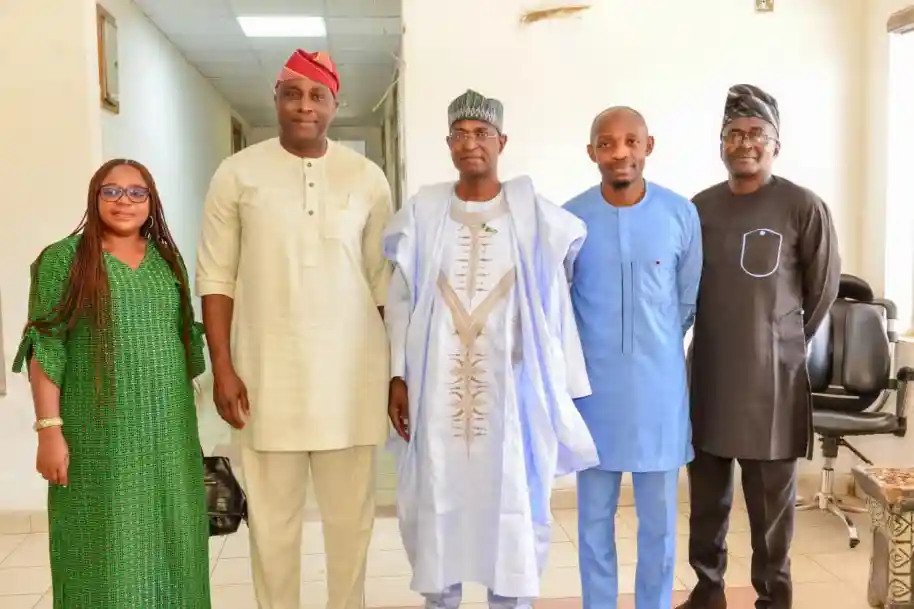
The plan emerged during a meeting in Abuja on Wednesday, March 11, 2026, when the leadership of the Leventis Foundation Nigeria paid a courtesy visit to the Minister of Livestock Development, Idi Mukhtar Maiha, to explore areas of collaboration.
Speaking during the engagement, Maiha said the government sees youth-focused agricultural training as a key pathway to strengthening Nigeria’s livestock sector and creating sustainable livelihoods.
“The livestock sector offers vast opportunities, from feed and fodder production to animal husbandry, processing, marketing and value addition. As a Ministry, we are committed to creating an enabling environment for partnerships that will help unlock these opportunities,” the minister said.
He explained that equipping young Nigerians with practical agribusiness skills would help expand participation across the livestock value chain while improving productivity and long-term sector growth.
According to him, the government’s livestock development agenda goes beyond animal rearing alone and includes opportunities across feed and fodder production, micro-livestock systems, poultry, dairy, cattle, sheep and goat farming, as well as honey production, processing, marketing, storage and transportation.
Maiha stressed that training programmes must be comprehensive enough to prepare young people for real business conditions in agriculture.
“Training must be comprehensive. If a youth is given 50 goats, we must ensure they can manage, market, and maintain them without losses,” he said.
He added that access to veterinary services, market linkages and modern production practices would be necessary components of any youth livestock training programme.
“Market linkages, veterinary care, and proper production practices are crucial to prevent setbacks and increase productivity,” the minister noted.
The proposed collaboration is also expected to support youth empowerment in vulnerable regions, particularly in the North-East, where many young people displaced by insurgency are seeking sustainable economic opportunities.
Maiha said agricultural training could play a role in stabilising communities by providing productive engagement for youths emerging from internally displaced persons camps.
“The North-East requires more programmes to scale up youth participation and strengthen local economies,” he said.
During the meeting, the Executive Director of Leventis Foundation Nigeria, Dr. Hope Usieta, highlighted the organisation’s long history of training young Nigerians in agriculture and agribusiness.
According to him, the foundation has spent more than three decades building practical agricultural training programmes designed to equip youths with hands-on knowledge and entrepreneurial skills.
He explained that the foundation currently operates six agricultural training centres across Nigeria, each admitting around 150 trainees every year.
The trainees undergo 10 to 11 months of intensive practical training covering livestock production, crop cultivation, agroforestry, enterprise development and value addition.
Usieta noted that thousands of young Nigerians have already graduated from the programme and gone on to establish successful agribusiness ventures across the country.
“We believe the platform we have built for attracting young people into agriculture can complement the Ministry’s mandate of improving livestock productivity and expanding opportunities within the sector,” he said.
He also explained that the foundation works with state governments through a cost-sharing model that supports the establishment and operation of agricultural training schools.
According to him, the meeting with the ministry was aimed at aligning the foundation’s training model with the Federal Government’s livestock development priorities, particularly in ruminant production, fodder development and strengthening youth participation across the livestock value chain.