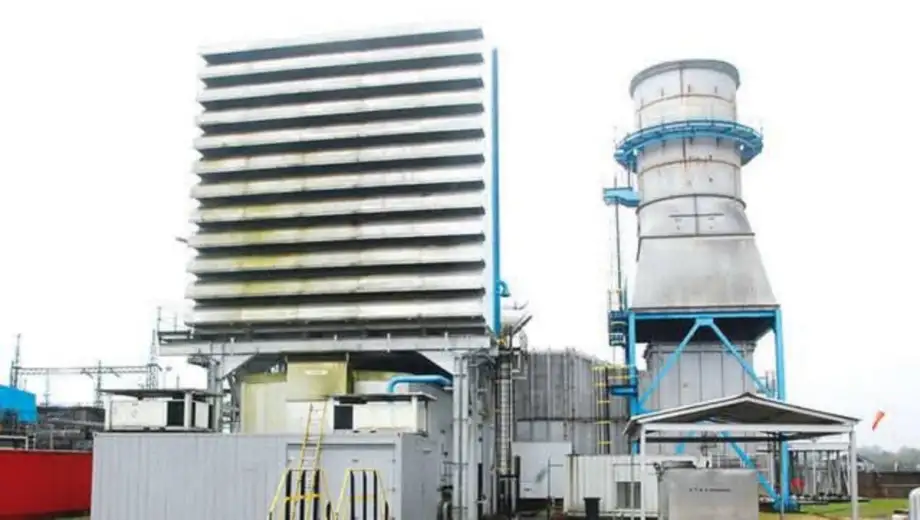
The Akwa Ibom State Government has dismissed reports claiming that the Ibom Power Company is up for sale, describing such claims as false, malicious, and entirely misleading. In a strongly worded statement, the government clarified that there has been no approval at any level to sell the state-owned power asset, insisting that the narrative being circulated is a fabrication designed to misinform the public and undermine ongoing reforms in the electricity sector.
 Follow us on Google News
According to the government, “at no time has the Government approved the sale of Ibom Power Company as scrap or otherwise,” stressing that such allegations “exist only in the imagination of mischief-makers intent on misleading the public.” The statement was issued in response to a publication by a Uyo-based tabloid, Guide Newspaper, which had suggested that the power company was being disposed of under the current administration.
Rather than pursuing any form of liquidation, the state emphasised that it is actively investing in the recovery and repositioning of Ibom Power Company. Central to this effort is the ongoing repayment of a $9 million loan previously secured from Afreximbank. The government explained that this repayment plan is not only deliberate but structured to ensure that the company is freed from long-standing financial burdens that have affected its performance over the years.
Providing details, the administration revealed that Governor Umo Eno had, on March 15, 2025, approved a quarterly repayment plan of $560,000 aimed at gradually liquidating the facility. This approach, it noted, is part of a broader commitment to restoring the operational strength and financial stability of the power company. The government described the move as “a decisive action clearly reflecting a government focused on revival, stability, and long-term value preservation, not liquidation.”
The clarification comes amid ongoing electricity sector reforms being implemented by the state government, which include measures designed to attract private sector participation without relinquishing ownership of public assets. While the controversy centres on alleged plans to sell Ibom Power Company, officials insist that the actual strategy involves a concession framework that allows qualified private operators to invest in, rehabilitate, and manage electricity infrastructure under strict regulatory oversight.
Under this model, the government maintains full ownership of Ibom Power and other electricity assets, while transferring operational responsibilities and certain commercial risks to experienced private sector players. The aim, according to the statement, is to improve efficiency, enhance service delivery, and ensure sustainable growth in the state’s power sector without placing additional financial strain on public resources.
The government further pointed out that several institutional steps have already been taken to support this reform agenda. These include the establishment of a state electricity regulatory commission to oversee the sector, as well as the creation of a holding company responsible for managing all state-owned electricity assets. These structures are intended to ensure transparency, accountability, and proper regulation as the reforms progress.
In addressing concerns about ongoing power outages in parts of the state, the government clarified that transmission and distribution challenges currently lie outside its direct control. However, it noted that engagements are ongoing with the relevant authorities responsible for those segments of the power value chain, with the aim of improving supply to residents and businesses.
The administration also used the opportunity to criticise the publication that originated the claims, accusing it of repeatedly spreading falsehoods. It described the report as part of a pattern of misinformation and questioned the credibility and intent of the newspaper. “It is deeply troubling that Guide Newspaper appears to have consistently resorted to merchandising falsehood across its editions,” the statement read, adding that such actions raise serious concerns about editorial standards.
While reaffirming its commitment to transparency, the government warned that the deliberate spread of false information could attract legal consequences. It reminded media organisations and the public that laws governing libel and defamation remain in force, and that “government’s measured silence should not be mistaken for weakness.”
The state urged residents to rely only on verified and official sources of information, particularly on matters relating to critical infrastructure such as power. It maintained that its priority remains the long-term sustainability of Ibom Power Company and the broader electricity sector, anchored on responsible financial management, institutional reforms, and strategic partnerships.
By highlighting the ongoing repayment of the Afreximbank loan and the absence of any sale plan, the government seeks to reinforce confidence in its approach to managing key public assets. The emphasis, it insists, is not on divestment, but on recovery, stability, and positioning the company to deliver consistent value within a reformed and more efficient electricity market.