Jobberman Nigeria, in partnership with the Mastercard Foundation, has launched the second phase of its Associates Programme to tackle youth unemployment and underemployment across West Africa, expanding its impact beyond Nigeria to reach more young people in the region.
 Follow us on Google News
The programme is designed to provide young professionals aged 18 to 34 with structured pathways into the workforce through paid internships, while also addressing the persistent gap between skills acquisition and real-world job experience. Beneficiaries from Nigeria, Ghana, Liberia, Sierra Leone, and The Gambia will receive job search support, career development guidance, and a 12-month work placement with employers.
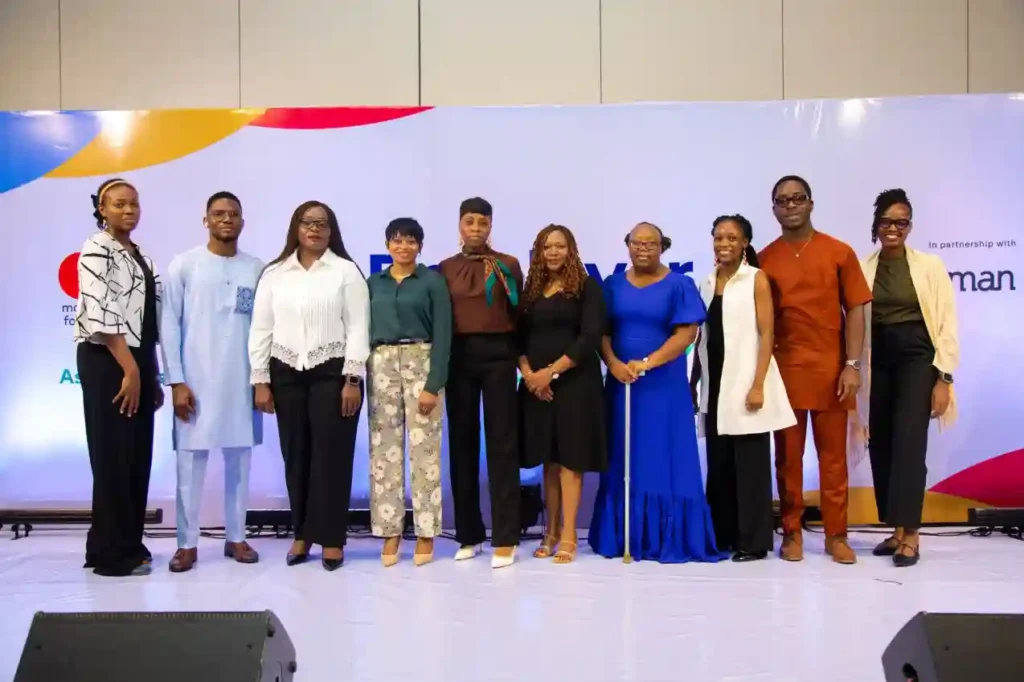
Speaking at the employer onboarding event held in Lagos, the Country Head of Programmes at Jobberman Nigeria, Olamide Adeyeye, said the initiative reflects a strategic shift from training-focused interventions to employment-focused outcomes.
“Jobberman Nigeria has partnered with the Mastercard Foundation since 2020. One of our projects focused on skilling millions of young people to transition into the digital economy. However, we observed that knowledge and skills alone are not enough, experience makes a huge difference,” Adeyeye said.
He explained that the second phase of the programme directly responds to this gap by integrating paid internships into the employability pipeline.
“This programme connects skilling with earning by giving young talent the opportunity to enter the workforce through paid internships,” he added.
The Associates Programme builds on the outcomes of its first phase, where 375 young people participated, with more than 68 per cent securing meaningful employment after completing their internships. According to Adeyeye, these results demonstrate the effectiveness of combining skills training with hands-on work experience.
The newly launched phase significantly scales up its reach, with a target of 3,650 young people across five West African countries. The programme also places a strong emphasis on inclusion, with 70 per cent of participants expected to be women, while five per cent will be persons with disabilities and another five per cent internally displaced persons.
“We are expanding into five West African countries; Nigeria, Ghana, The Gambia, Sierra Leone, and Liberia. The objective is to support 3,650 young people, with 70 per cent being women, five per cent persons with disabilities, and five per cent internally displaced persons, to gain valuable experience through internships and transition into dignified, fulfilling work,” Adeyeye noted.
Beyond supporting job seekers, the programme is also structured to benefit employers, particularly small and medium-sized enterprises that often face challenges in hiring skilled talent due to cost constraints. By connecting these businesses with trained young professionals, the initiative aims to strengthen workforce capacity without placing a heavy financial burden on employers.
“While young talent builds valuable experience, we are also helping entrepreneurs who want to expand but are limited by staffing costs. This programme provides them with the right talent,” Adeyeye said.
He further emphasised the importance of prioritising women within the programme, noting that broader participation in the workforce is essential for sustainable economic growth.
“Women have historically been marginalised from opportunities like this. If only one segment of society contributes meaningfully to the economy, we all lose. When everyone participates in the workforce, we reach our objectives faster,” he said.
Also speaking, the Programme Coordinator for the Mastercard Foundation Associates Programme, Toluwani Aina, said the initiative was specifically designed to address the challenges young people face when transitioning from education into employment.
“The programme is designed to support young people between the ages of 18 and 34. Its primary aim is to reduce unemployment, the shock and gap young people face when they leave school and enter the workforce. The second aim is to tackle underemployment,” Aina said.
She highlighted the programme’s deliberate focus on inclusivity, ensuring that vulnerable groups are not left behind in employment opportunities.
“We are very intentional about inclusivity. We focus on women, persons with disabilities, and internally displaced people. The programme is meant to help young people create a career focus,” she added.
Aina also called on organisations across the region to participate by hosting associates, noting that the programme offers long-term benefits for employers in building sustainable talent pipelines.
“For the good of Nigeria and Africa as a whole, it is the responsibility of all of us who understand the impact of this programme to be part of it. It helps build talent pipelines, once interns come in through this programme, it reduces recruitment stress,” Aina said.
She added that participating employers will receive ongoing support throughout the programme cycle, including assistance in developing organisational structures and policies.
“We support our employers throughout. For one year, and even beyond, we provide assistance in developing policies, structures, and systems that strengthen organisations,” Aina stated.