
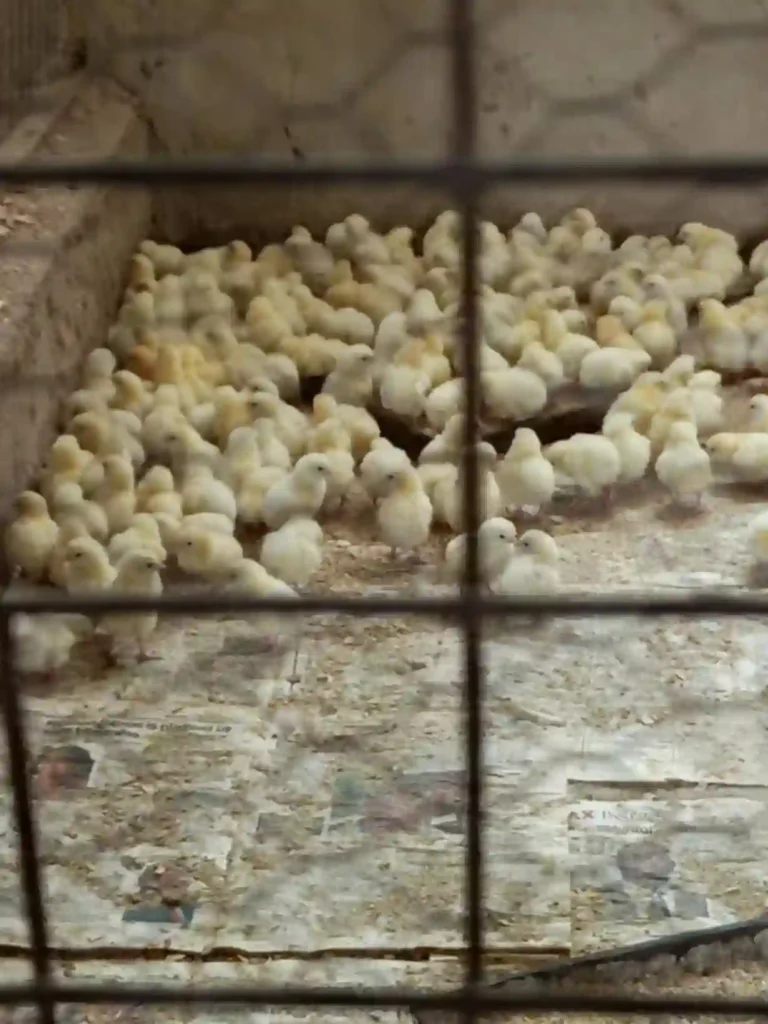
The National Animal Production Research Institute, Ahmadu Bello University, has commenced its 2025/2026 annual hatching exercise, with a projection of producing about 25,000 chicks.
 Follow us on Google News
The institute disclosed that the exercise began successfully on March 31, 2026, with over 3,000 grandparent stock chicks already hatched.
The chicks, comprising Shikabrown grandparent stock and broiler foundation stock, are intended to serve as replacement stock for the institute’s existing flock.
NAPRI noted that the 25,000 target represents a significant increase from the 17,000 chicks produced in the previous cycle, underscoring efforts to scale up production and meet growing national demand.
According to the institute, the programme is designed to support hatcheries nationwide through the supply of high-quality parent stock layers and Shikabrown pullet commercial layers for both large-scale and small-scale poultry farmers.
Speaking during an inspection of the chicks at the poultry brooding unit in Shika, near Zaria, the Acting Executive Director, Prof Muhammad Rabiu Hassan, expressed satisfaction with the progress recorded so far.
Hassan, who was accompanied by the Deputy Director, Dr Muhammad Sa’Id Tanko, and other management staff, said the programme had commenced on a strong footing.
He commended the Minister of Livestock Development, Alhaji Mukhtar Idi Maiha, and the Vice-Chancellor of Ahmadu Bello University, Prof Adamu Ahmed, for their support towards the success of the exercise.
The acting director also praised staff of the institute for their contributions and urged them to intensify efforts to ensure that the production target is achieved.
Providing further insight, the Head of the Poultry Research Programme, Dr Idris Abdullahi, said the institute had recorded improvements in the physical characteristics of its grandparent stock through consistent annual selection and sorting processes.
He noted that the advancements had enhanced the quality and performance of NAPRI’s commercial layers.
Abdullahi also acknowledged the support of the university management and the NAPRI Reform Committee, stating that their contributions had been instrumental to the ongoing success of the hatching programme.