
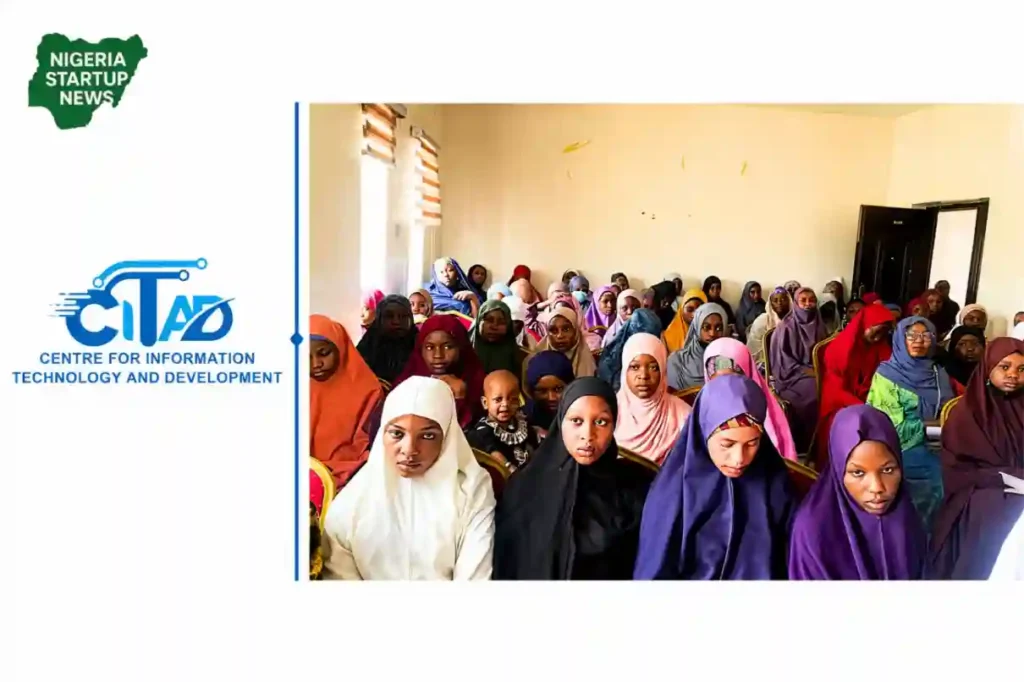
Centre for Information Technology Development has launched a large-scale digital empowerment programme targeted at training 15,000 women across Northern Nigeria in digital literacy, online safety and digital hygiene as part of efforts to close the region’s widening technology gap.
 Follow us on Google News
The initiative comes at a time when concerns continue to grow over the level of digital exclusion in Northern Nigeria, particularly among women and young girls who have limited access to technology education, internet opportunities and digital business skills compared to their counterparts in other parts of the country.
Speaking during the launch of the programme in Kano, Isa Garba, who represented CITAD Executive Director Y.Z. Yau, said the organisation decided to intensify intervention in digital education after observing the sharp imbalance in ICT development between Northern Nigeria and technology hubs like Lagos.
According to him, the digital gap has continued to slow economic development in the region and has also limited opportunities for many women who could benefit from online jobs, digital entrepreneurship and remote work opportunities.
“Businesses dealing with ICT on a single street in Lagos are more than the entire ICT businesses in Kano. While Lagos has advanced significantly in ICT, we are only beginning the journey here. That is why we resolved to train 15,000 women in digital literacy to bridge the digital divide,” he said.
Garba explained that the programme was designed not only to improve digital access for women but also to create long-term economic impact within households and communities.
He noted that empowering women with technology skills would increase their chances of generating income independently while also improving financial stability within families.
The programme will focus on practical digital knowledge, including basic computer literacy, internet usage, online communication, digital entrepreneurship, cyber safety and digital hygiene.
CITAD said the initiative is particularly important because the global economy is becoming increasingly dependent on information and communication technology, making digital skills necessary for education, employment and business growth.
Fatima Babakura, the project manager leading the digital literacy training, disclosed that about 5,000 women and girls between the ages of 16 and 40 would receive specialised training in digital entrepreneurship.
According to her, the goal is to help participants understand how to use online platforms and digital tools to build businesses, promote services and create sustainable income opportunities.
She added that the programme would also address online safety concerns, especially as internet usage continues to expose many women and young people to cyber threats, online harassment and digital scams.
“We want these women to return to their communities and share the knowledge they have acquired. We are also training students on Computer-Based Tests because we discovered that many students fail examinations due to inadequate digital skills,” Babakura said.
She explained that beyond entrepreneurship, the initiative would also help students improve their familiarity with digital systems increasingly used in schools, examinations and workplaces.
The inclusion of CBT training reflects growing concerns about the performance of students in computer-based examinations due to low digital exposure, especially in parts of Northern Nigeria where access to computers and internet infrastructure remains limited.
Also speaking at the event, Isyaku Garba, Director of ICT at the Kano State Secondary Schools Board, said the board had continued to introduce programmes aimed at exposing students to modern ICT knowledge and practical digital skills.
He said collaboration between public institutions and organisations like CITAD would play an important role in preparing young people and women for the realities of a digital economy.
According to him, Lagos had already achieved over 60% ICT infrastructure utilisation as far back as 2006, while many Northern states are still working to improve digital access and technology adoption.
He noted that many women in Lagos and other technology-driven cities have already benefited from digital empowerment initiatives, online jobs and technology-based businesses, creating a strong case for similar investments in Northern Nigeria.
Garba added that women equipped with digital skills can now work remotely from their homes, support their families financially and contribute to local economic development without relocating to major commercial centres.
The CITAD initiative adds to growing efforts by organisations, technology advocates and development groups pushing for stronger digital inclusion policies in Northern Nigeria.
With internet access and digital services becoming increasingly important in education, business and communication, stakeholders believe programmes focused on women and girls could help reduce economic inequality and create wider participation in Nigeria’s digital economy.
For CITAD, the programme represents more than a training exercise. The organisation sees it as part of a broader push to ensure women in Northern Nigeria are not left behind as technology continues to shape economic opportunities across the country and beyond.