

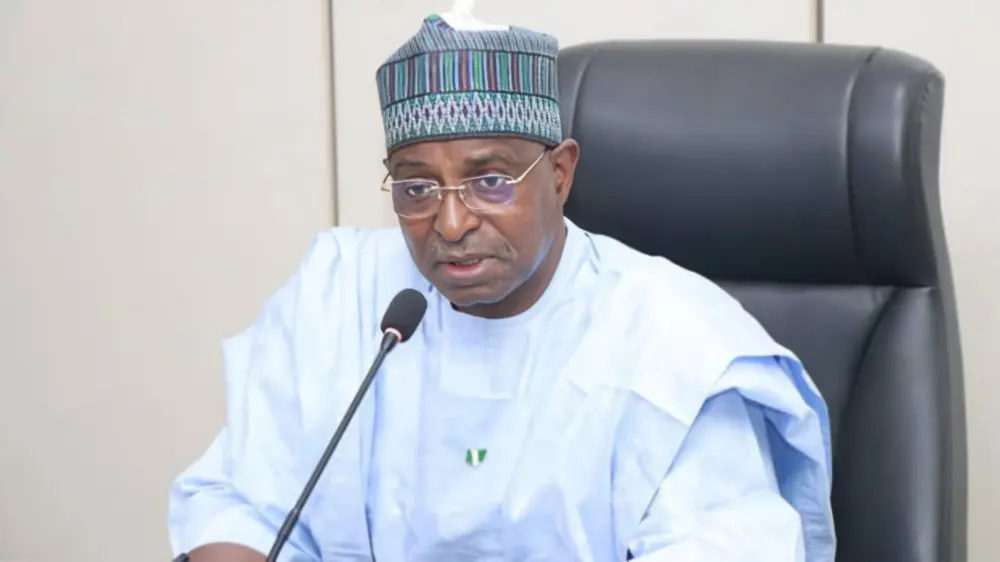
The Federal Government has launched a Livestock Development Service Centre and an Artificial Insemination and Breed Multiplication Centre in Sokoto State to create decent jobs for young people and strengthen Nigeria’s food security. The intervention is part of efforts to unlock the economic potential of the livestock sector and expand opportunities across the agricultural value chain.
The facilities were inaugurated by the Minister of Livestock Development, Idi Mukhtar Maiha, who described the projects as strategic investments aimed at stimulating rural livelihoods while supporting agribusiness growth in urban centres. He said the launch reflects the Federal Government’s resolve to reposition livestock production as a key driver of economic growth, job creation and national food security.
Maiha explained that modernising the livestock sector would increase incomes for pastoralists and farmers in rural areas while opening up new roles for processors, marketers, transporters and other service providers operating in cities. According to him, the Livestock Development Service Centre is designed to function as a one stop hub for veterinary services, livestock training, breed improvement and youth empowerment programmes.
He added that the Artificial Insemination and Breed Multiplication Centre would improve livestock genetics, raise meat and dairy yields and support the development of commercially viable livestock enterprises. Maiha said strengthening the livestock value chain would reduce post harvest losses, stabilise food supply to urban markets and lower dependence on imports, in line with Nigeria’s economic diversification agenda.
The minister said the projects align with national development plans and are part of a wider strategy to establish a nationwide network of livestock service centres focused on disease control, sustainable production and increased private sector participation. He also commended the World Bank for supporting the Livestock Development Programme, noting that development partnerships remain critical to closing infrastructure and capacity gaps in the sector.
“Our goal is to build a livestock economy that connects rural production to urban markets, creates decent jobs for young people and delivers value across the supply chain,” Maiha said.
Earlier, the National Coordinator of the Livestock Development Programme, Dr. Muhammad Sanusi, said improved access to modern livestock services would boost productivity and competitiveness. He said the programme is structured to attract private investors, agribusiness firms and training institutions, strengthening rural urban economic linkages.
Sokoto State Governor, Ahmad Aliyu, welcomed the intervention, saying it would complement ongoing agricultural reforms and stimulate economic activities in rural communities and urban markets. He added that improved security and efforts to curb banditry are essential to sustaining livestock production and protecting investments across the state.

