

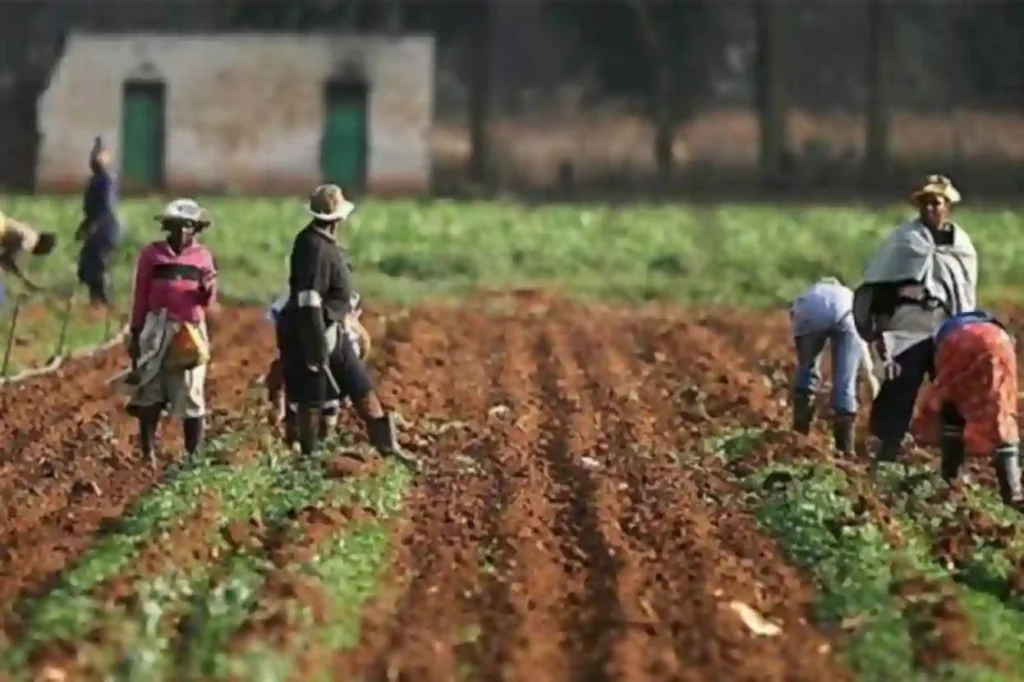


The Foundation for Sustainable Smallholder Solutions (FSSS) has launched 11 Farmers Hubs across Bauchi North Senatorial District in a move expected to improve agricultural productivity, create jobs, and increase income opportunities for rural farmers and agribusiness operators in the state.
The hubs were established with support from the Heineken Africa Foundation (HAF) under the N4 billion Empowerment of Smallholders to Thrive and Build Climate Resilience through Regenerative Agriculture (ESTRRA) project.
The initiative is designed to provide farmers with easier access to quality farm inputs, extension services, mechanisation support, climate-smart farming techniques, aggregation services, and market opportunities.
Speaking during the inauguration of one of the hubs in Dogon Jeji community in Jama’are Local Government Area, the Executive Director of FSSS, Dr. Isaiah Gabriel, said the project represents a long-term investment in rural communities and sustainable agriculture.
According to him, the hubs are expected to support smallholder farmers who often struggle with poor access to genuine fertilisers, agrochemicals, improved seedlings, and modern farming support services.
He explained that the facilities would also serve as centres for agricultural innovation, youth engagement, and enterprise development, especially for communities that depend heavily on farming activities.
“These hubs are more than storage or input centres. They are designed to become community-based agricultural support systems that will improve productivity and strengthen food systems in Bauchi North,” Gabriel said.
He added that farmers would benefit from mechanisation support, aggregation opportunities, and training on climate-resilient farming practices that can help improve yields despite changing weather conditions.
Gabriel urged community members and farmers to take ownership of the facilities and ensure they are properly managed for long-term sustainability.
“We want farmers to see these hubs as their own. The success of this project depends on how well the communities protect and utilise them,” he stated.
The Emir of Jama’are, Alhaji Nuhu Ahmad Wabi, commended FSSS and the Heineken Africa Foundation for bringing the project to the area, describing it as a major development effort that could improve livelihoods and strengthen the local economy.
The traditional ruler said more communities across the state should benefit from similar projects because of their potential impact on employment and agricultural growth.
He also advised beneficiaries to maintain the facilities properly to ensure that future generations continue to benefit from them.
The Programme Manager of the Bauchi State Agricultural Development Programme (BSADP), Alhaji Yau Mohammed, described the project as timely, especially as farmers prepare for increased agricultural activities during the rainy season.
He noted that many farmers in rural communities face serious challenges accessing quality agricultural products and support services, a situation he believes the hubs will help address.
Speaking on behalf of farmers in the area, the Sarkin Gona, Alhaji Shehu Yakubu, said the hubs would reduce many of the problems farmers currently face, particularly in accessing genuine fertilisers, pesticides, and processing facilities.
“This is a giant project and it is like a one-stop shop for farmers. Whatever farmers need, they will get it here, from agrochemicals to fertilisers and other farm support services,” Yakubu said.
He revealed that the hubs also include rice processing facilities, a development he described as important for farming communities in Jama’are where rice farming is a major economic activity.
“Our people are rice farmers and it will now be easier for them to process rice and access markets. This project will improve economic activities in our communities,” he added.
Yakubu further said the hubs could help increase farmers’ profits by providing access to genuine agricultural inputs capable of improving productivity and reducing losses associated with fake products.
In his remarks, Alhaji Shafiyu Haladu of the Women Farmers Advancement Network (WOOFAN) said the hubs could become active trading centres during farming seasons as farmers and buyers gather for agricultural business activities.
“People from different communities will come here to buy and sell farm produce. It will help farmers connect with markets and improve the quality of products being sold,” he said.
Haladu also encouraged those managing the facilities to ensure proper accountability and transparency to sustain the confidence placed in them by the project partners.
Also speaking, the leader of the hub managers, Alhaji Yusuf Bichi, said one of the biggest problems farmers face is the circulation of fake pesticides and poor-quality fertilisers in rural markets.
According to him, the establishment of the hubs now gives farmers confidence that the products being sold are genuine and safe for agricultural use.
“This is a major boost for farmers because trust is very important in agriculture. Farmers now know they can get quality products from these hubs,” Bichi said.
He stressed the importance of proper management of the facilities, warning that communities must not misuse the opportunity provided by FSSS and HAF.
Bichi added that the project has the potential to increase agricultural production in Jama’are and neighbouring communities while improving income opportunities for farmers, traders, and young people interested in agribusiness.