Home Blog Page 103

FG to launch 2026 MSME Census after $200m disbursed to 115,000 businesses

0

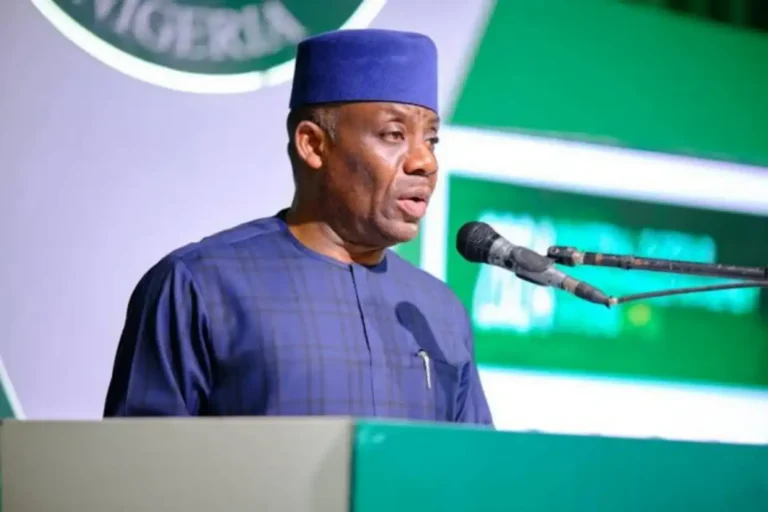
The Federal Government, through the Federal Ministry of Industry, Trade and Investment, has announced plans to launch a National MSME Census in 2026 to strengthen its database of operators, improve targeting of incentives, and deepen access to finance. This follows the disbursement of $200m in funding and support to more than 115,000 Micro, Small, and Medium Enterprises (MSMEs) and exporters in 2025.

According to the Federal Ministry of Industry, Trade and Investment Outlook 2026, the MSME Census is part of efforts to boost small business financing, strengthen data integrity, and accelerate industrial planning. The government said the census would replace estimates with verifiable data and provide a reliable backbone for industrial planning, targeted incentives, and measurable impact.

The ministry disclosed that in 2025, $200m was disbursed to MSMEs and exporters through the Bank of Industry and the Nigerian Export-Import Bank. “In 2025, $200m was disbursed to MSMEs and exporters through the Bank of Industry and the Nigerian Export-Import Bank. In addition, more than 115,000 MSMEs received grants, loans, and trade finance through initiatives of BOI, NEXIM, and the Nigerian Export Promotion Council,” it read.

The National MSME Census has been identified as Priority 1 for 2026 under a broader reform agenda anchored on disciplined implementation, sub-national delivery, and closer integration of trade, investment, and industrial policy.

The Minister of Industry, Trade and Investment, Dr Jumoke Oduwole, said 2025 marked a turning point in Nigeria’s trade and industrial trajectory. She said, “As we reflect on 2025, we recognise it as an inflection point in Nigeria’s trade, investment, and industrial journey, marked by deliberate execution, renewed confidence, and a Nigeria First approach to building a credible export economy.”

She added, “Guided by the Renewed Hope Agenda of His Excellency President Bola Tinubu, the ministry focused on delivery by strengthening facilitation, coordination, and outcomes.”

Oduwole revealed that total capital importation reached approximately $21bn in the first 10 months of 2025, up from $12.3bn in 2024 and $3.9bn in 2023. “Investment outcomes reflected this execution focus. Total capital importation reached approximately $21bn in the first ten months of 2025,” she stated.

She explained that the ministry curated a pipeline of over $5bn in bankable projects, conducted more than 150 bilateral and investor engagements, convened five deal rooms and sector roundtables, and tracked over $50bn in signed commitments from presidential engagements, with about 25 per cent progressing towards implementation. She also said the ministry resolved around 50 investor bottlenecks to accelerate project execution timelines.

On trade performance, Oduwole disclosed that Nigeria recorded total trade of N113.03tn in Q1–Q3 2025, with exports valued at N66.16tn, up by over 11 per cent year-on-year, sustaining a positive trade balance. “In Q1–Q3 2025, Nigeria recorded total trade of N113.03tn, with exports of N66.16tn, up by over 11 per cent year on year, sustaining a positive trade balance,” she said.

She attributed the gains to the gazetting of Nigeria’s AfCFTA tariff schedule, the launch of an air cargo corridor to East and Southern Africa, and targeted support to over 100 MSMEs for export certification and market readiness.

According to her, non-oil exports exceeded $6bn, representing an 11 per cent year-on-year increase. She added that freight costs dropped by about 50 per cent, while export processing times were reduced to under 24 hours.

Oduwole noted that economic diversification accelerated under Priority 7 of the President’s Eight-Point Agenda, with the repositioning of the Nigeria Commodity Exchange delivering over 500 per cent growth in traded volumes and a 111 per cent increase in traded value in 2025.

She further stated that Nigeria ratified the AfCFTA Digital Trade Protocol, secured appointment as AfCFTA Digital Trade Co-Champion, launched the National Intellectual Property Policy, and won hosting rights for CANEX 2026 and the Intra-African Trade Fair 2027.

Looking ahead, the minister said the ministry would anchor its 2026 strategy on four reinforcing pillars: unlocking global and regional demand through trade facilitation; strengthening the domestic supply of exports; mobilising investment through policy coherence and execution; and leveraging data, digital infrastructure, and strategic communications.

Beyond the MSME census, the ministry listed women-led businesses and long-term finance as Priority 4 for 2026. The plan proposes dedicated financing frameworks for women-led industrial and MSME enterprises to address access to patient capital and integrate them into priority value chains.

The Minister of State for Industry, Mr John Enoh, said lessons from 2025 reinforced the urgency of strengthening MSME data and execution frameworks. “Data gaps undermine good intentions. The absence of reliable MSME data constrained planning, targeting, and evaluation, reinforcing the urgency of a national MSME census,” Enoh said.

He added that policy without proper execution architecture would not deliver results. “Sector plans without ownership, sequencing, and monitoring do not translate into outcomes,” he stated.

Enoh stressed the importance of engagement with industry players. “Industry trust is built through listening, not announcements. Engagements with manufacturers, MSMEs, and investors confirmed that credibility is built when policy reflects real constraints, not theoretical models,” he said.

He warned against fragmentation across agencies and stakeholders. “Fragmentation is the enemy of scale. Industrial progress is slowed when MDAs, states, financiers, and private actors operate in silos. Coordinated platforms like the Industrial Revolution Working Group proved essential,” he noted.

On inclusion, he said women-led enterprises must be deliberately supported. “Inclusion is an economic imperative. Women-led enterprises show strong resilience and impact but face disproportionate barriers to long-term finance, a gap that must be addressed deliberately,” Enoh said.

Other priorities outlined in the 2026 agenda include the Made-in-Nigeria National Campaign, industrial cluster development, cotton, textile, and garment value chain transformation, AI and digital industrial governance, review of privatised industries, and the Industrial Revolution Working Group Ministerial Roundtable.
Advertisement

Wema Bank Opens 2026 Bankers-in-Training Sales Program for Graduates

0

Wema Bank has announced that application is open for its 2026 Bankers in Training Program – Sales, a graduate trainee initiative created to groom young professionals for careers in banking and relationship management.

The Wema Bank Bankers-in-Training (Sales) Program is a specialized entry-level development initiative designed to equip participants with both foundational and advanced skills required for success in sales and client management within the banking industry. The program focuses on building strong commercial capabilities through structured training, hands-on experience, and career development support.

The training covers customer acquisition skills, product knowledge, and a deep understanding of commercial, corporate, retail and SME banking. The program adopts a regional training structure, with sessions scheduled to hold in key locations across Nigeria, including Lagos and Ibadan in the South-West, Abuja in the North, and Port Harcourt covering the South-East, Mid-West, and South-South regions.

The Bankers-in-Training Program – Sales is also positioned to develop the next generation of banking leaders. Following an intensive classroom training phase that covers banking operations, financial products, and credit analysis, successful candidates will be deployed to the field.

Upon successful completion of the classroom phase, graduate trainees are expected to execute data-driven sales strategies to acquire new-to-bank customers and grow the branch’s overall deposit and loan portfolio. They will also conduct localized market research to identify untapped business opportunities and monitor competitor offerings and industry trends.

Participants will be required to meet and exceed assigned monthly sales targets through disciplined prospecting and pipeline management. They are also expected to provide end-to-end customer support, ensuring inquiries and complaints are resolved promptly to maintain high satisfaction and retention rates.

In addition, trainees will collaborate with credit and risk teams to carry out preliminary assessments of loan applicants, ensuring documentation meets regulatory and internal standards. Accurate record-keeping of sales activities and regular progress reports to senior management and mentors will also form part of their responsibilities.

The career path progression is structured into three phases: Phase 1, Classroom Training; Phase 2, Shadowing and Field Immersion; and Phase 3, Full Deployment, which transitions successful candidates into a Relationship Manager role.

Benefits include competitive pay with attractive salary packages, comprehensive training led by experts within the banking industry, and fast-track career growth opportunities. Participants will also gain exposure to real-world banking and sales operations in a dynamic and collaborative work environment.

Other benefits include healthcare coverage, a year-end bonus (13th month allowance), company events, leave allowance, profit sharing, and additional rewards for dedication and hard work.

Eligible applicants must be passionate, driven, and customer-focused individuals who aspire to grow within the banking industry. Applicants must possess a minimum of a Second Class Upper degree or its equivalent in any business or social science related discipline from an accredited university. They must also have at least five credits including Mathematics and English in WAEC, NECO, or its equivalent.

Candidates must not be older than 26 years at the time of application and must have completed NYSC with a valid discharge certificate. A strong interest in sales, client management, and financial solutions is required, while 0–2 years of experience in sales and relationship management is considered an added advantage.

Applicants are expected to demonstrate strong communication, negotiation, and interpersonal skills, as well as the ability to work in a target-driven environment. Analytical thinking, problem-solving skills, and a proactive, self-motivated attitude are also highlighted as important qualities.

The application closes on Friday, February 20, 2026. To apply, interested applicants should visit https://wemabank.seamlesshiring.com/job/view/247.

BOI, MTN launch N1bn Y’ellopreneur 3.0 Matching Fund for Women

The Bank of Industry (BOI) and the MTN Foundation are set to establish a N1bn Matching Fund under the Y’ellopreneur 3.0 programme to expand access to finance and capacity building for women-led micro enterprises across Nigeria.

Both BOI and MTN said the fund would operate as a pilot to reach women running viable businesses who remain excluded from formal credit due to collateral and documentation requirements.

Speaking at the signing of a memorandum of understanding (MoU) ceremony held recently in Lagos, the Managing Director and Chief Executive Officer of BOI, Dr Olasupo Olusi, said the initiative goes beyond the continuation of an existing collaboration and targets women at the base of the economic pyramid.

Olusi said the intervention focuses on women who operate viable businesses but remain excluded from structured finance. He said, “Across Nigeria, women sustain a large share of micro-businesses in the markets and communities, while processing and providing services that support household income and local economic activity.”

He added that despite their contributions, many women cannot access affordable capital because traditional lending models demand documentation, collateral, and financial histories that do not reflect how their businesses operate.

The BOI CEO noted that the partnership aims to bridge that financing gap through a model tailored to women entrepreneurs who need funding the most.

He said, “This partnership is designed to specifically bridge that gap. The programme is structured as a pilot to test, learn and refine the model that works for women entrepreneurs who need financing the most, while building a framework that can be sustainably expanded over time.”

Olusi explained that beyond credit provision, the programme embeds capacity building, business development support, and mentorship. He disclosed that the partners plan to train about 1,000 women entrepreneurs in record-keeping, growth management, and competitiveness.

He stressed that expanding opportunities at the microenterprise level strengthens productivity, stabilises income, and contributes to broader economic resilience.

“BOI remains committed to working closely with MTN Foundation and all stakeholders to ensure the effective implementation of this programme,” he said. “Our focus will be on transparency, on sustainability and measuring outcomes so the programme delivers real value and provides a model that can be replicated under other programmes.”

On her part, the Executive Director of MTN Foundation, Odunayo Sanya, said the renewed partnership builds on earlier pilot phases that helped both institutions refine their approach and scale impact in women-led businesses.

Sanya said the new phase seeks to deliver faster and more measurable outcomes for women-owned enterprises. She explained that the foundation aims to build capacity for 30,000 female-led businesses by 2030, up from nearly 6,000 reached so far, while unlocking access to capital for 10,000 women-owned enterprises through the renewed partnership with BOI.

Sanya stated, “This partnership will deepen support for women entrepreneurs, improve business survival rates, and attract additional partners to scale funding for the segment.”

She added that the initiative would combine training, mentorship, and financing and serve as a blueprint for broader public–private cooperation in unlocking new pools of capital for enterprise development and inclusive growth in Nigeria.

Startbench Hub Opens Climate Startup Pre-Incubation Programme

0

Applications are now open for the Climate Startup Pre-Incubation Programme designed to support early-stage founders developing climate solutions in Northwest Nigeria. The programme invites visionary entrepreneurs who are ready to transform climate challenges into scalable business opportunities that drive sustainable growth and impact.

Organised by Startbench Hub under its Climate Free Change initiative, the pre-incubation programme aims to reposition innovative ideas and help them thrive in today’s green economy. It focuses on equipping founders with the tools, structure, and guidance needed to build viable climate-tech ventures.

Participants will receive one-on-one mentorship from industry experts, access to a collaborative workspace, and relevant technology resources. The programme also offers support in validating business models and developing Minimum Viable Products (MVPs). In addition, selected founders will benefit from networking opportunities with investors and members of the global green ecosystem.

Eligibility is open to early-stage founders who are based in or actively serving Northwest Nigeria. This includes applicants from Kano, Kaduna, Katsina, Kebbi, Jigawa, Zamfara, and Sokoto States.

The application deadline is 27 February 2026.

To apply, interested applicants should visit https://climate.startbench.com.ng and complete the application process.

DBN Opens 8th MSME Engagement for North-West Entrepreneurs

0

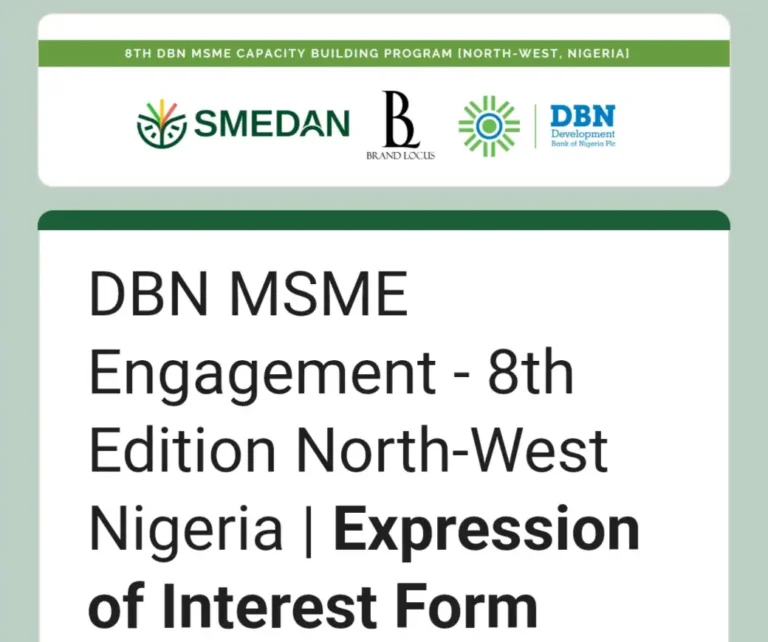
The Development Bank of Nigeria (DBN) has opened the Expression of Interest form for the 8th Edition of the DBN MSME Engagement in North-West Nigeria. The programme is funded by DBN and delivered in the region by Brand Locus Limited in collaboration with SMEDAN. It is a capacity building program designed to support entrepreneurs and Micro, Small and Medium Enterprises (MSMEs) that are ready to strengthen their operations and unlock new growth opportunities.

The engagement offers participants access to a N100 million grant pool and other funding opportunities. It also provides practical, expert-led capacity-building sessions aimed at improving business knowledge and management skills. Participants will benefit from business development support, advisory services, and exposure to cash prizes, incentives, and additional growth programmes. In addition, selected entrepreneurs will become part of a network of forward-thinking business owners focused on driving impact and sustainable growth.

Applicants should note that submission of the Expression of Interest form does not automatically guarantee funding or selection. Shortlisted participants will be contacted with further details regarding programme activities, training sessions, and available opportunities.

To apply, interested applicants should visit https://forms.gle/MjeSYWthgm7sz7Zn8 and complete the form.

FG releases Education Reform update on TVET, ASUU, Scholarships

The Federal Government, through the Minister of Education, Dr. Tunji Alausa, has released the Ministry’s quarterly overview of programmes, policies and financial incentives, featuring TVET and other key reforms. The update was presented at the weekend as part of efforts to keep Nigerians informed about developments in the education sector.

Dr. Alausa, who was appointed on October 23, 2024, said the ministry is executing the Nigerian Education Sector Renewed Initiative (NESRI), a six-point agenda aimed at transitioning the country from a resource-based economy to a knowledge-based economy. According to the report, the ministry is marking 14 months of aggressive reforms focused on ensuring that every Nigerian child has access to quality education in a safe environment, regardless of location.

One of the major highlights in the report is the formalisation of the Academic Staff Union of Universities (ASUU) and FGN Agreement, which took effect on January 1, 2026. The ministry described this as a significant achievement for industrial harmony after years of recurring strikes in universities. The new agreement introduces a 40 per cent upward review of academic emoluments and a revised salary structure. It also establishes a new professional cadre allowance for full-time professors and readers, while a similar arrangement for polytechnics is being drawn up.

To promote transparency, the ministry launched the Federal Tertiary Institutions Governance Transparency Portal (FTIGTP). The platform tracks key performance and funding metrics across institutions. According to the report, 47 out of 67 Federal Universities and 35 out of 39 Polytechnics have already been onboarded.

On technology integration, the ministry said it is investing heavily to bridge learning gaps. Through the Digitisation of Public Schools Initiative, over 1,000 smart boards have been deployed to Federal and State Basic Education schools nationwide to equip students with future-ready skills.

Teacher welfare and capacity building were also highlighted. The launch of Edurevamp, a mobile-based professional development platform, has recorded 37,000 teacher registrations, with 18,000 fully enrolled to receive digital skills training and stipends. In addition, a partnership with the UK-funded PLANE programme and telecommunications companies MTN and Airtel will provide 8,000 teachers across the six geopolitical zones with zero-rated internet access to support modern teaching methods.

In line with President Bola Ahmed Tinubu’s Renewed Hope agenda, the ministry rolled out several social intervention programmes. A N2.55 billion Menstrual Health campaign titled “Flow with Confidence” was launched in Gombe. The initiative aims to distribute over 1 million sanitary pads to 370,000 girls in rural areas to reduce school absenteeism.

The ministry also secured a major scholarship initiative through the Dangote Foundation. The programme aims to provide scholarships to 3 million young Nigerians. It specifically targets 170,000 young girls and over 1 million students in Science, Technology, Engineering, Mathematics, and Medical Sciences (STEMM).

To reduce the cost of living for students, the ministry distributed 240 electric tricycles and 12 solar-powered charging stations to 12 universities across the geopolitical zones. The ministry projects that this intervention will cut campus transportation costs by up to 70 per cent.

On school security, Alausa disclosed that the ministry partnered with the National Security and Civil Defence Corp (NSCDC) to unveil the School Safety Portal. The system currently has 15,000 schools registered and has geolocated 141,000 schools to enable real-time tracking and improved security support.

The Technical and Vocational Education and Training (TVET) programme also recorded major funding support. The ministry said N2.97 billion in stipends has been disbursed to 160,000 young Nigerians, alongside an additional N4.6 billion allocated to skills training centres. To ensure accountability, Biometric Attendance Verification has been enforced at all TVET centres to monitor stipend disbursements.

Looking beyond Nigeria’s borders, the ministry signed a landmark Memorandum of Understanding (MoU) between the University of Lagos (UNILAG) and the University of Birmingham. Under Nigeria’s Transnational Education framework, the UK institution will offer postgraduate and undergraduate programmes in STEMM disciplines.

Dr. Alausa also revealed that he recently visited Singapore to discuss a bilateral agreement focused on training leaders for technical schools and adopting global excellence models for Nigeria’s TVET institutions.

The ministry reiterated that its focus remains on the NESRI six-point agenda. The National Council on Education (NCE) recently reaffirmed English as the language of instruction and suspended the previous National Language Policy in a move aimed at streamlining the curriculum nationwide.

The report further stated, “Dr Alausa held a roundtable discussion with the CBN and VCs of Federal Universities to formally transition documentation, responsibility and ownership of CBN-supported intervention education projects, to the benefitting institutions, in order to maintain institutional continuity, proper asset stewardship and long-term value for public investment in education.

“FGN and BOI launched a N50 million grant initiative to provide mentorship and capacity building opportunities to students in tertiary education. 30,639 registrations received since launch,” the document added.

FG to Invest N11.76bn in MSMEs, Industrial Revitalisation in 2026

The Federal Government is set to invest up to N11.76bn in 2026 to drive the growth of Micro, Small, and Medium Enterprises (MSMEs) and support industrial revitalisation across the country. The funding forms part of the capital projects allocated to the Small and Medium Enterprises Development Agency of Nigeria (SMEDAN) in the 2026 Appropriations Bill.

An analysis of the capital allocation shows that projects directly targeting MSMEs, entrepreneurship, and trade account for about N11.76bn out of the total N26.87bn capital projects vote for the agency. The allocation reflects a broader push by the Federal Ministry of Industry, Trade and Investment to deepen MSME financing, strengthen data integrity, and accelerate industrial planning in 2026.

The largest single allocation is N2.1bn for the Grow Nigeria for MSME Development programme, designed to scale enterprise support nationwide. SMEDAN also earmarked N1.4bn to revitalise Industrial Development Centres and convert them into Common Facility Centres. The move is expected to reduce production costs for small manufacturers by providing shared infrastructure.

In a major logistics intervention, N3.5bn was set aside for the supply of project vehicles to SME ecosystem stakeholders across the country to improve programme monitoring and outreach.

On policy and data reforms, the government allocated N154m for a comprehensive review of the national MSME policy, while N119m will fund the development of a Marketplace MSME Database. The database is expected to improve formalisation, enhance targeting of incentives, and increase access to finance.

To support energy transition, N700m was earmarked for a National MSME Green and Renewable Energy Initiative to help small businesses adopt cleaner and more affordable energy solutions in line with global standards. In addition, N140m was set aside for alternative power solutions for entrepreneurs in Cross River State, while N70m will fund solar power installations in business premises in Benue State.

Capacity building also received strong attention, with N1.05bn allocated to the National Business Skills Development Initiative. Another N350m was voted for the One Local Government One Product scheme to stimulate grassroots production and value addition across communities.

To promote financial inclusion, N140m was budgeted for financial literacy training, and N70m will support a microfinance bank initiative tailored specifically for MSMEs.

Inclusion-focused programmes were also featured in the budget. The government provided N69.9m for the Women in Self Employment Programme and N29.7m for specialised skills development targeting internally displaced persons, inmates, and retirees.

To strengthen digital competitiveness, SMEDAN allocated funds for digital skills training in partnership with global technology firms. The agency also set aside N17.5m for an MSME Export Facilitation Programme and N280m for the Enterprise Network Initiative.

Stakeholders in the SME ecosystem welcomed the targeted allocations but urged the government to prioritise access to affordable finance. In a phone interview with The PUNCH obtained by Nigeria Startup News, the Director-General of the National Association of Small and Medium Enterprises, Eke Ubiji, said while SMEDAN had supported members in capacity development, more effort was needed in funding access.

He said, “SMEDAN has been assisting our members, but not much in the area of access to funding and such. They assist them in capacity building and so on.”

Speaking on the proposed MSME database, Ubiji noted that the association was aware the agency relied on data from organised groups. “What they do for that is they use the data from our groups,” he said.

He urged the agency to strengthen financial support mechanisms for small businesses. “What SMEDAN should focus on in terms of growth and development is to help our members get more access to funding. They should continue the capacity building, which they’ve already been doing,” NASME’s Chief added.

The MSME investment drive follows the Federal Government’s disbursement of $200m to small businesses and exporters in 2025. More than 115,000 MSMEs benefited from grants, loans, and trade finance interventions during the period.

The Minister of State for Industry, Sen. John Enoh, said lessons from 2025 highlighted the urgency of strengthening MSME data systems and execution frameworks.

Enoh said, “Data gaps undermine good intentions. The absence of reliable MSME data constrained planning, targeting, and evaluation, reinforcing the urgency of a national MSME census.”

He stressed the importance of implementation discipline in public policy. “Sector plans without ownership, sequencing, and monitoring do not translate into outcomes,” he noted.

The minister also said sustained engagement with industry players shaped the ministry’s direction. “Industry trust is built through listening, not announcements. Engagements with manufacturers, MSMEs, and investors confirmed that credibility is built when policy reflects real constraints, not theoretical models,” Enoh explained.

Ondo State to Partner Volunteer Organisations

0

Ondo State Governor, Lucky Aiyedatiwa, has said his administration is ready to partner with volunteer organisations working toward the development of the state.

The governor described volunteers as critical partners in complementing government efforts across key sectors and reaffirmed his commitment to strengthening volunteerism in Ondo State.

Aiyedatiwa spoke on Sunday at the official launch of the United Nations International Volunteer Year 2026 in Akure, the state capital. He was represented at the event by his Senior Special Assistant on Humanitarian and Community Integration, Muyiwa Eyitayo.

According to him, the Ondo State Volunteer Service was established to coordinate, promote and strengthen volunteerism across the state. He said the initiative was designed to create an enabling environment for voluntary organisations and individuals to thrive, collaborate and expand their impact.

“I must say this clearly: volunteers in Ondo State have played a critical role in complementing development efforts — in environmental sustainability initiatives, community sensitisation programmes, youth engagement activities, and health and social interventions. You have stood in the gap,” he said.

He stressed that development cannot be achieved by government alone.

“The government alone cannot do it. No administration, no matter how committed, can achieve sustainable development without the active participation of its people. Volunteerism reminds us that development is a shared responsibility,” he added.

The governor assured volunteer organisations that his administration would continue to provide the necessary support to enable them operate effectively across communities in the state.

Earlier, the Senior Special Assistant to the Governor on Volunteer Service and organiser of the programme, Iwakun Charles, described the launch as a renewed call to service, unity and shared responsibility.

He said volunteerism strengthens communities, bridges social gaps and inspires hope. He noted that the event aligns Ondo State with the global vision of the United Nations to celebrate and expand volunteer impact. Charles also commended the governor for his continued support for youth development and civic engagement.

Delivering a keynote address titled “Volunteering as a Catalyst for Sustainable Development,” Professor Adebukola said the Sustainable Development Goals are practical action points that require grassroots participation.

“Volunteerism serves as a bridge between policy formulation and community-level implementation, particularly in areas such as quality education, good health and well-being, climate action, gender equality and poverty reduction,” she said.

She added that achieving the 2030 Agenda demands collective ownership, stressing that governments alone cannot attain the SDGs without active citizen engagement.

The don urged institutions, youth groups and civil society organisations in Ondo State to deliberately align their volunteer activities with specific SDG targets to ensure sustainability and long-term transformation.

RecycleUp Innovation Programme Announces Shortlisted Candidates

0

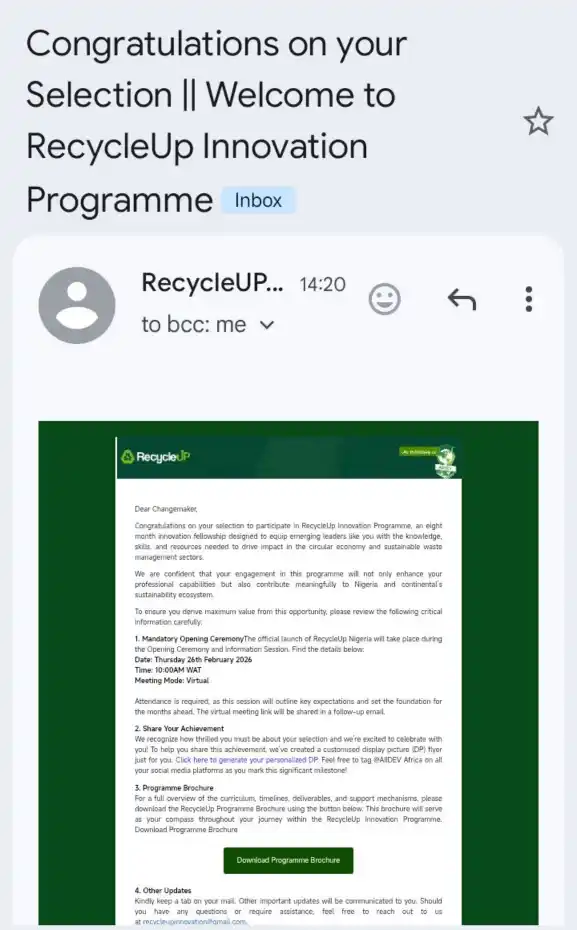
RecycleUp Innovation Programme has begun the selection of shortlisted candidates for its new cohort, urging applicants to check their email for confirmation messages.

Successful candidates received a message titled, “Congratulations on your Selection || Welcome to RecycleUp Innovation Programme,” informing them of their acceptance into the eight-month innovation fellowship.

In the message addressed to “Dear Changemaker,” the organisers stated, “Congratulations on your selection to participate in Recycle Up Innovation Programme, an eight month innovation fellowship designed to equip emerging leaders like you with the knowledge, skills, and resources needed to drive impact in the circular economy and sustainable waste management sectors.”

The organisers added, “We confident that your engagement this programme will not only enhance your professional capabilities but also contribute meaningfully to Nigeria and continental’s sustainability ecosystem.”

Participants were asked to carefully review key information to ensure they derive maximum value from the opportunity.

According to the notice, the Mandatory Opening Ceremony and Information Session will hold virtually on Thursday 26th February 2026 at 10:00AM WAT. “Attendance is required as this session will outline key expectations and set the foundation for the months ahead. The virtual meeting link will be shared in a follow-up email,” the statement read.

Selected fellows were also encouraged to celebrate their achievement. “We recognize how thrilled you must be about your selection and we’re excited to celebrate with you,” the organisers said, noting that a customised display picture flyer has been created for participants. They were invited to generate a personalized DP and tag @AIDEV Africa on social media.

The Programme Brochure, which contains details on curriculum, timelines, deliverables, and support mechanisms, is available for download. “This brochure wil serve as your compass throughout your journey within the RecycleUp Innovation Programme,” the notice added.

Organisers further advised participants to monitor their emails for updates and contact recyclespinnovation@gmail.com for assistance.

LCCI Seeks Strategic Trade Reforms to Protect SMEs

0

The Director-General of the Lagos Chamber of Commerce and Industry (LCCI), Dr Chinyere Almona, has said that protecting Small and Medium Scale Enterprises is vital to Nigeria’s long-term economic prosperity.

Almona made this statement while delivering the keynote address at the Economic Freedom Summit themed “Towards a Competitive Nigerian Economy.” The event was organised by Ominira Initiative in collaboration with Atlas Network and Fraser Institute and held in Ikeja, Lagos, on Friday.

She described the Nigerian business environment as tough, pointing to high inflation, multiple tariffs, and burdensome regulations as major obstacles facing SMEs.

“If you can succeed in doing business in Nigeria, you can succeed anywhere because the challenges are enormous. But we continue to push, and sometimes we pull through. At LCCI, we see firsthand how streamlined regulations and transparent licensing can make a difference,” she said.

Almona called for a harmonised tariff schedule and responsible trade openness to reduce input costs for businesses. She also urged the elimination of bureaucratic bottlenecks and greater policy clarity to help investors plan better. According to her, full activation of the National Single Window regime, expansion of digital lending, and operationalisation of the National Credit Scheme would improve SMEs’ access to finance.

“The global evidence is clear. Countries that embrace predictable trade, secure property rights, digital governance, and financial deepening experience sustained growth and resilience. Nigeria has the scale, talent, and strategic location; what is required is institutional clarity and policy consistency,” she said.

She added that with political will and measurable implementation, Nigeria could move from economic vulnerability to structural competitiveness.

“At LCCI, we remain committed to partnering with government, civil society, and research institutions like Ominira Initiative to drive economic reforms. Our vision is a Nigeria where enterprise flourishes, competition thrives, and economic freedom expands opportunities for all,” Almona stated.

Also speaking at the summit, economist Dr Muda Yusuf stressed the need for strategic trade openness built on transparency to support SMEs and private sector growth.

“Greater openness increases import intensity and amplifies vulnerability to foreign exchange shocks. In Nigeria, where exports depend heavily on oil prices, import dependence creates exposure to forex scarcity, inflationary pressures, and cyclical disruptions to production,” he said.

Yusuf noted that businesses are struggling with high interest rates and unfair competition from subsidised imports. “Domestic firms face unequal competition from foreign producers benefiting from export subsidies, cheaper energy, lower financing costs, and more efficient logistics. This structural asymmetry reduces Nigeria’s industrial competitiveness,” he said.

He explained that Nigerian manufacturers, especially those competing with products from China, face serious disadvantages, which have led to the closure of many firms.

Yusuf called for trade policies that promote export competitiveness and strengthen domestic productive capacity instead of presenting trade as a choice between total openness and protectionism.

“Trade policies must be strategic. Nigeria should pursue integration in ways that support export competitiveness and domestic productive expansion while addressing structural constraints that weaken industrial performance,” he said.

He recommended improved trade facilitation and export promotion strategies, as well as macroeconomic stability. He also urged a shift from an “open-to-import” to an “open-to-export” strategy. According to him, this should include export promotion zones, performance-based incentives, and sectoral export targets.

Yusuf further called for stabilisation of the foreign exchange framework to help businesses plan investments, reduce production costs, and improve access to imported inputs. He advocated reforms at the ports, including digitisation of trade procedures, streamlined agency presence, predictable clearance processes, and reduced informal charges.

He also suggested expanding export financing and insurance support through NEXIM and other instruments. In addition, he urged investment in industrial power supply, infrastructure clusters, and machinery upgrades to boost productivity.

Prof Olawale Ogunkola of the University of Ibadan’s Department of Economics said Nigeria’s productive sector has weakened due to economic policies and the broader business environment. He criticised the country’s tariff structure, arguing that it focuses more on revenue generation than trade promotion. He called for trade openness that supports development while resolving contradictions between trade and investment policies.

Another economic expert, Fred McMahon, said countries with higher levels of economic freedom tend to enjoy greater prosperity. He rejected claims that economic freedom undermines national progress and said citizens must be able to control their economic lives.

“There is a lot of poverty in countries without free markets. The greatest prosperity exists in countries with high economic freedom. Literacy and life expectancy are also higher. Lack of economic freedom is a breeding ground for corruption,” he said, while criticising bureaucratic bottlenecks, particularly at the ports.

The summit also featured panel sessions led by the Director of Ominira Initiative, Bayonle Fesob. Speakers included Prof Bongo Adi of Lagos Business School, Ishmael Balogun of the Nigeria-Indonesia Chamber of Commerce, Stephen Akut of the Nigerian Economic Summit Group, Prof Akintunde Otubu, Ikhine Mary, Festus Ogun, and James Sonde. The Communications Manager of Ominira Initiative, Adedapo Akinola, anchored the programme.