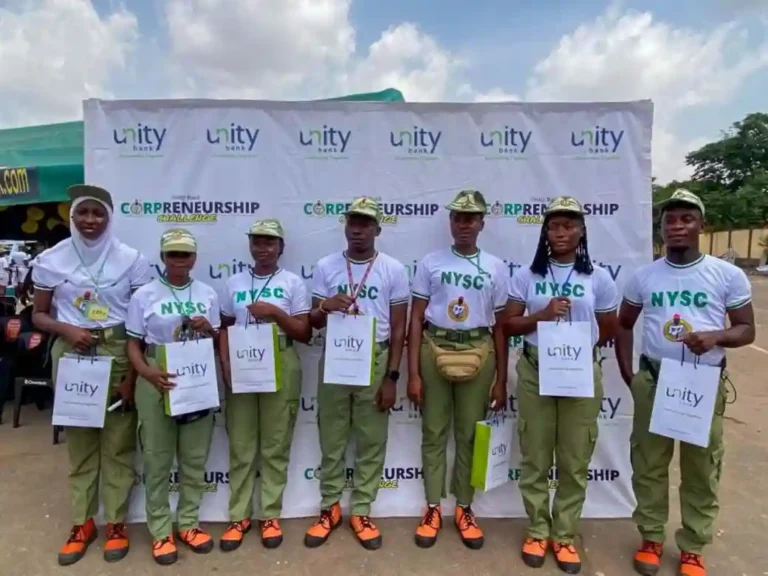
Unity Bank Plc has announced the winners of the 27th edition of its Corpreneurship Challenge, awarding millions of naira in equity-free grants to fresh graduates from OAU, UNN, and The Polytechnic, Ibadan.
The initiative, which operates as a nationwide incubator for the Batch C, Stream 2 cohort, has produced 638 young entrepreneurs since inception, with a cumulative investment exceeding ₦300 million. The bank said the programme continues to support young Nigerians at a critical stage of their entrepreneurial journey.
This edition featured a diverse mix of hardware and service-based startups from a 10-state pitch competition. Unlike pure software ventures, the selected Corpreneurs are focused on the real-sector economy.
In Lagos State, the Grand Prize of ₦800,000 went to Awolumate Fawaz Babatunde, a Civil Engineering graduate of The Polytechnic, Ibadan, for his high-scale fashion design enterprise.
In Rivers State, the Top Pitch award was secured by Abdur-Razaq Sayfullah Adebola, an OAU graduate, for his innovative footwear manufacturing business.
Kwara State’s winner was Olatunde Esther Funmilayo, an OOU graduate, who pitched a chemical production and deodorant service startup.
For many fresh graduates, the period immediately after the NYSC year is often described as the “Valley of Death,” when business ideas struggle due to lack of capital. Unity Bank said its strategy is to intervene at this pre-seed stage to prevent promising ideas from collapsing.
“Many young Nigerians possess viable business ideas but lack the initial capital. The Corpreneurship Challenge was designed to bridge that gap by providing financial backing and mentorship at a critical stage,” said Mrs. Adenike Abimbola, Divisional Head, Retail, SME & E-Business at Unity Bank.
Through its partnership with the NYSC Skill Acquisition and Entrepreneurship Development (SAED) programme, the bank said it is de-risking future SME loans.
By training and funding graduates during their service year, Unity Bank is building a base of structure-ready entrepreneurs prepared for the open market, at a time when white-collar jobs continue to shrink.
The Federal Government has opened applications for the Connect NextGen Innovation Hackathon, in partnership with Ericsson (NASDAQ: ERIC), to upskill Nigerian youths in modern technologies. Participation in the hackathon is completely free for selected startups.
The Connect NextGen Hackathon is a national innovation initiative designed to identify, support, and scale early-stage technology startups building solutions to address Africa’s most pressing challenges. Through an intensive hackathon and acceleration programme, selected startups will receive mentorship, exposure, and access to strategic partners, helping them transform ideas into sustainable, impact-driven ventures.
The programme aims to help participants turn innovative ideas into practical solutions, in line with the Renewed Hope Agenda of the administration of President Bola Ahmed Tinubu on the digital economy, technology integration, and education. It combines hands-on mentoring, an eight-week acceleration phase, and practical learning across priority technologies.
The hackathon is designed to spotlight key domains of innovation and problem-solving, including telecommunications, with solutions that improve connectivity, network performance, and digital access; FinTech, featuring digital tools that enhance payments, banking, and financial inclusion; HealthTech, focused on improving healthcare access, delivery, and outcomes; AgriTech, promoting innovations that boost farming productivity and food systems; EdTech, offering digital solutions that improve learning and skills development; the Internet of Things (IoT), enabling smart, data-driven systems through connected devices; CleanTech, advancing clean energy and environmental protection; AI/ML, which supports intelligent systems that automate tasks and drive better decisions; and sustainability, which encourages solutions that support long-term social, economic, and environmental impact.
Selected startups will benefit from an eight-week intensive acceleration programme, technical and business mentorship from industry experts, access to funding opportunities and investor networks, visibility through media, partners, and ecosystem platforms, networking opportunities with government, corporate, and ecosystem stakeholders, and the opportunity to pitch live at the Hackathon Demo Day.
To be eligible for the programme, startups must operate in Nigeria, possess a minimum viable product (MVP), demonstrate measurable traction or pilot usage, and maintain a gender-inclusive team composition. The hackathon is open to innovators across Nigeria, including university students, startups, and emerging young talent.
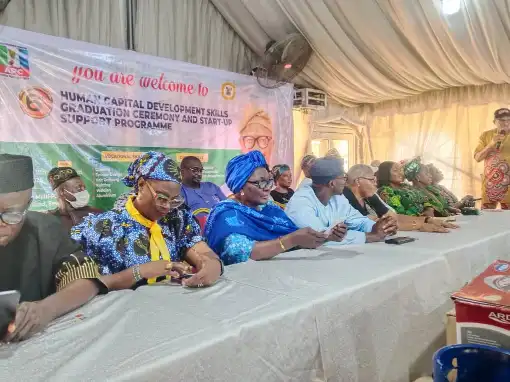
The lawmaker representing Eti-Osa Constituency II in the Lagos State House of Assembly, Engr. Gbolahan Olusegun Yishawu, has empowered 504 women, with 88 outstanding graduates receiving start-up equipment under the Women’s Vocational Training Programme.
Yishawu made this known during the 6th Annual Human Capital Development Skills Graduation Ceremony and Start-Up Support Programme held at the Y-Arena Multipurpose Centre, Awolowo Road, Ikoyi.
The event celebrated beneficiaries of three key initiatives: the Women’s Vocational Training Programme; the Vocational Training Programme organised in collaboration with the Ministry of Women Affairs and Poverty Alleviation (WAPA); and the Digital Skills Training Programme.
In his address, Yishawu reaffirmed his commitment to human capital development, describing leadership as service to the people. He said the programmes were created to equip youths and women with practical skills that would help them become self-reliant and economically productive.
“Leadership is about service. These programmes are designed to give our people practical skills so they can stand on their own and contribute meaningfully to society,” he said.
Under the Women’s Vocational Training Programme, implemented in partnership with the Lagos State Vocational Education Board (LASTVEB) and the Federal Ministry of Labour and Employment, 74 women graduated from the December 2025 cohort. Out of them, 15 outstanding participants received start-up tools at the ceremony. The training covered catering, hairdressing, knitting, fashion design and soap making.
Similarly, the Vocational Training Programme organised with WAPA has trained over 2,500 beneficiaries in photography, barbing, screen printing, welding, catering, computing, fashion design and adult literacy. More than 300 participants have received start-up tools and equipment support, with another set of outstanding graduates empowered at the event.
In the digital category, 84 youths graduated in areas such as data analytics, graphic design, digital marketing, cybersecurity and UI/UX. This brings the total number of beneficiaries under the Digital Skills Training Programme to 280. Top-performing students were presented with laptops to support their career growth.
Yishawu acknowledged the support of partners, including Seed Builders Innovation Hub and Sodbridge Academy, for their roles in delivering quality training to participants.
He also highlighted several Federal Government initiatives aimed at supporting graduates and small businesses. These include the 3 Million Technical Talent Programme (3MTT), NELFUND, the National Directorate of Employment (NDE), SMEDAN, the Bank of Industry (BOI) and NIRSAL Microfinance Bank. According to him, these programmes provide access to funding, certification and business support for entrepreneurs and digital professionals.
“Our youths and entrepreneurs must take advantage of these Federal Government opportunities. They are designed to provide funding, certification and business support that can help them grow,” he stated.
Beyond skills acquisition, the lawmaker listed other constituency interventions. These include the GOY Artisan Trade Enhancement Programme, which has empowered over 400 artisans; the GOY JAMB and Admission Support Initiative, which has distributed more than 12,000 forms; and the GOY Youth Entrepreneur Programme, which has supported over 1,000 youths.
He added that free school buses, eye and dental care services, borehole installations, sports initiatives and anti-drug advocacy campaigns have also been implemented across the constituency.
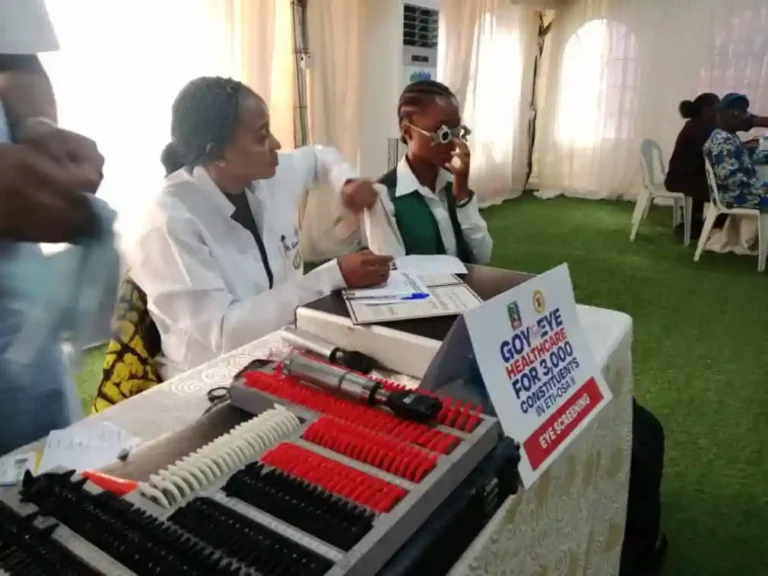
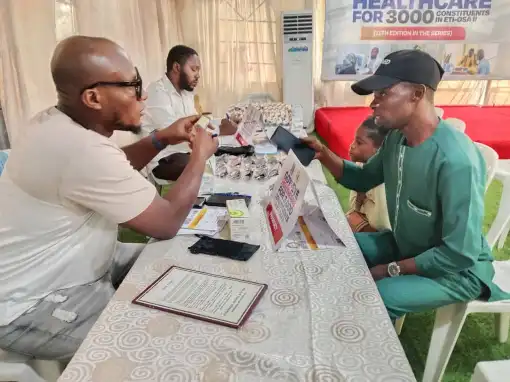
Yishawu further disclosed that the 13th Free JAMB Form Distribution and the 11th Free Eye Care and Cataract Surgery Programme are currently ongoing and open to residents. He noted that the free eye healthcare services are targeting 3,000 people, while free cataract surgeries are planned for 20 constituents.
Congratulating the graduands, Yishawu urged them to remain disciplined, consistent and focused as they begin new chapters in their lives. He encouraged them to use the tools and opportunities provided to build sustainable businesses and contribute to national development.
Beneficiaries who spoke at the event commended the lawmaker for his continuous support and pledged their backing in future elections. Party leaders also called on residents of Ikoyi-Obalende and surrounding areas to vote en masse for Yishawu and the All Progressives Congress (APC).
A representative of the Lagos ministry also graced the occasion, alongside party leaders, community stakeholders, youths, women groups and members of the press, marking another milestone in efforts to strengthen human capital development in Eti-Osa Constituency II.
The Adamawa State government has directed beneficiaries of the Conditional Cash Transfer (CCT) first cohort to visit any nearby bank ATMs or POS point to access and withdraw their N40,000 funds.
The ATM cards were earlier given to female students under the Adolescent Girls Initiative for Learning and Empowerment (AGILE) after Governor Ahmadu Umaru Fintiri flagged off a ₦40,000-per-girl support programme for 24,000 out-of-school girls across Adamawa State.
AGILE Adamawa stated that all beneficiaries of the CCT First Cohort can now access their funds. “Beneficiaries can visit any nearby bank or POS point to access and withdraw their funds,” the directive said.
In an additional announcement, the Second Cohort (JSS 1 and SS 1) exercise will be conducted soon. All concerned are advised to visit the nearest NIN registration centre to register, especially those who have not yet done so. Failure to register may disqualify potential beneficiaries.
The Nigerian Content Development and Monitoring Board (NCDMB) has highlighted its field readiness training programme aimed at preparing 10,000 Nigerian youths to benefit from opportunities expected from new major oil and gas projects across the country.
The programme was presented at the 10th Anniversary Edition of the Sub-Saharan International Petroleum Exhibition and Conference (SAIPEC 2026), taking place from February 10–12 at the Eko Convention Centre in Lagos, with over 1,200 delegates and more than 150 exhibitors from across the continent in attendance.
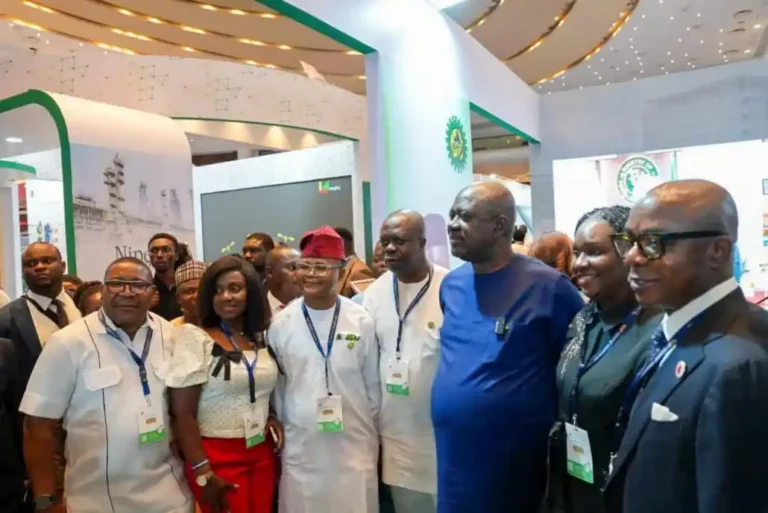
The Minister of State for Petroleum Resources (Oil), Senator Heineken Lokpobiri, and the Chief Executive (CE) of the Nigerian Upstream Petroleum Regulatory Commission (NUPRC), Mrs. Oritsemeyiwa Eyesan, on Tuesday led industry leaders to visit the NCDMB exhibition booth at the conference.
They were received by the General Manager Corporate Communications, Dr. Obinna Ezeobi, and the Acting Director Monitoring and Evaluation, Mr. Omomehin Ajimijaye. Explaining the Board’s messages at the conference, Ajimijaye said they include NCDMB’s role in promoting African local content, the field readiness training programme, and the successes of the Nigerian Content Intervention Fund (NCO Fund).
According to him, the Board’s field readiness training programme “will prepare 10,000 youths to benefit from the opportunities that would be created from the new major oil and gas projects.”
Earlier at the conference, the Executive Secretary of NCDMB, Engr. Felix Omatsola Ogbe, delivered a keynote address titled “Africa’s Local Content Collaboration Strategy.” He underlined the importance of collaboration and a shared vision as Africa’s oil- and gas-producing nations explore strategies to foster local content and energy sufficiency in order to boost sustainable growth.
In his remarks, Engr. Ogbe said, “Our efforts cannot be siloed; they must be collective” to ensure not only real progress but consolidation of successes attained.
Represented by the Director Corporate Services, Dr. Abdulmalik Halilu, the Executive Secretary stated that collaboration between governments, private sector players, particularly captains of the oil and gas industry and financial institutions, as well as local communities, remains the bedrock upon which Africa’s energy sector must build successful local content strategies.
He disclosed that Nigeria has achieved 61 per cent in-country value retention within the last 15 years, noting that the local content strategy has been deliberate and systematic. According to him, it began with deepening indigenous participation in the oil and gas value chain, followed by capacity building.
He added that policies and guidelines have now been introduced that prohibit the transfer of certification to intermediaries. Engr. Ogbe explained that the current approach of NCDMB is aimed at ensuring that the Board works with very competent and capable contractors, describing this as a critical criterion in technical tenders.
At the continental level, he recalled the strategic commitment made by member countries of Africa Petroleum Producers Organisation (APPO) at their November 2025 meeting in Brazzaville, capital of Republic of the Congo, toward harmonisation of policies on local content development and collaboration in the exploitation and utilisation of hydrocarbon resources.
He emphasised that countries must collectively leverage the Brazzaville Accord to promote regulatory harmonisation and sectoral cooperation, noting, “By working together across borders, industries, and sectors, we will be able to craft a robust, all-inclusive, and sustainable local content strategy that propels Africa’s energy sector to new and greater heights in a rapidly changing world.”
Engr. Ogbe also expressed satisfaction with the establishment of Africa Energy Bank (AEB), headquartered in Abuja under APPO in partnership with Afreximbank. He described the development as a strategic milestone that would significantly ease access to funding for energy sector projects across the continent and called on stakeholders to actively support the operational success of the Bank.
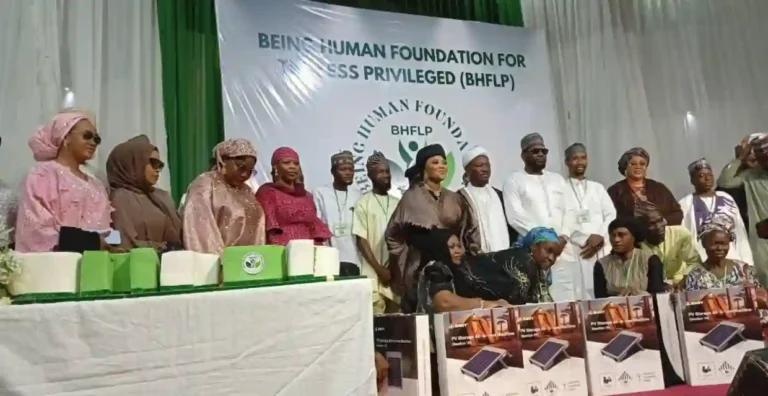
Being Human Foundation for the Less Privileged has distributed solar power systems to selected beneficiaries across the Federal Capital Territory (FCT), Abuja, as part of efforts to promote sustainable empowerment and reduce dependence on unreliable electricity supply.
Speaking at the distribution event, the founder, Hajia Khadizat Ibrahim, said the move was informed by Nigeria’s persistent power challenges. She stressed that government alone cannot meet all the needs of citizens, especially in the area of stable electricity.
According to her, solar energy provides a sustainable and cost-effective alternative to generators, which are expensive to fuel and maintain, particularly for low-income households. She explained that the foundation decided to focus on solutions that would have long-term impact rather than short-term relief.
“Solar energy offers a sustainable and cost-effective alternative to generators,” she said, noting that meaningful empowerment should prioritise quality and lasting value instead of just increasing the number of beneficiaries.
Hajia Ibrahim disclosed that although the foundation initially planned to reach more people, only 200 solar power units were distributed because of the high cost of the systems. She added that the goal was to ensure beneficiaries received practical tools capable of improving their livelihoods and daily living conditions.
She reaffirmed the foundation’s commitment to supporting the less privileged and complementing government efforts in nation-building.
The Director-General of the Energy Commission of Nigeria, Mr. Mustapha Abdullahi, commended the initiative, describing it as timely and impactful. He said deploying solar solutions aligns with national efforts to tackle one of Nigeria’s most pressing challenges, which is access to reliable electricity.
Mr. Abdullahi noted that electricity remains central to economic growth and human development. He added that solar energy provides a cleaner, greener and more affordable alternative to conventional power sources.
He also recalled President Bola Ahmed Tinubu’s pledge that every Nigerian should have access to 24-hour electricity by 2030, stressing that government cannot achieve this goal alone and calling for stronger collaboration with non-governmental organisations and other stakeholders to advance the President’s renewable energy agenda.
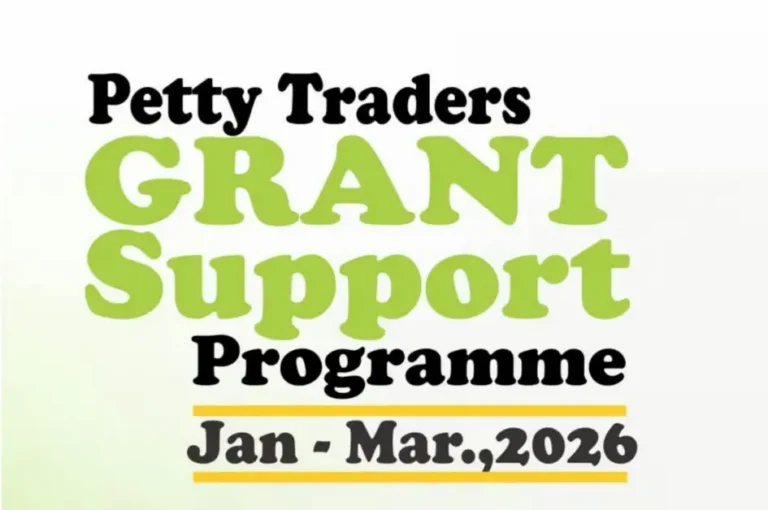
The Petty Traders Grant Support Programme 2026 has officially opened applications for its third circle, offering financial support to small-scale business owners across Nigeria.
The initiative is a community-driven programme created to empower both aspiring and existing petty traders. It provides financial assistance to individuals who need low start-up capital for small businesses such as buying and selling goods or offering basic services. For traders already in business, the grant is designed to serve as additional funding to strengthen and expand their operations.
The programme provides seed capital ranging from ₦10,000 to ₦100,000 to help petty traders generate sustainable income. Unlike most funding opportunities, no business registration is required, and the process is simple, with minimal documentation. As long as an applicant is a Nigerian resident within the required age bracket, they are eligible to apply.
The grant is open to intending entrepreneurs and existing business owners who need recapitalization or support to grow their enterprises. Eligible small-scale traders will receive non-repayable financial grants, business growth support, and opportunities to improve and sustain their livelihoods.
To qualify, applicants must be between 18 and 55 years old. They must be entrepreneurs or aspiring entrepreneurs who own a business or have a business idea or initiative. Applicants are also required to possess a valid National Identification Number (NIN Slip), provide the details of one contact person, and have a verifiable residential address. In addition, they must hold a valid 10-digit bank account number and reside in Nigeria. The programme is available to applicants with or without CAC registration.
Applications will close on March 31, 2026, while disbursement is scheduled to take place between April and May 2026. Applicants should not apply more than once.
To apply for Petty Traders Grant Support Programme, interested applicants should visit https://bit.ly/PettyTradersGrant and apply.
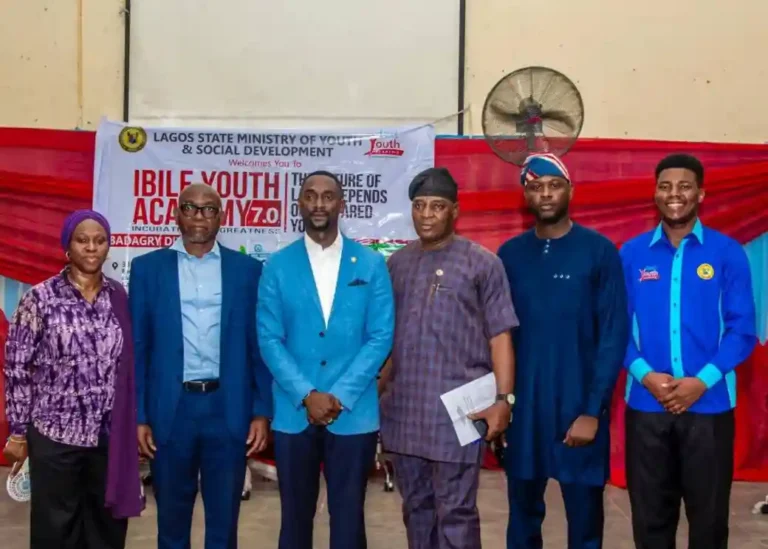
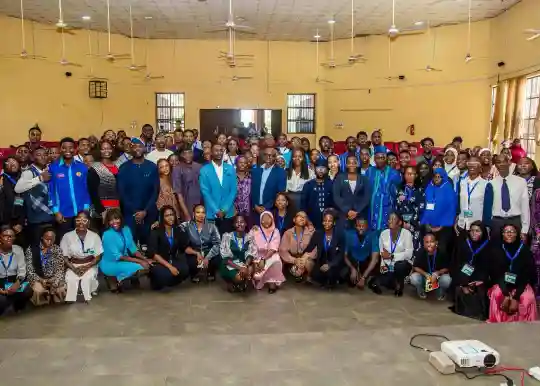
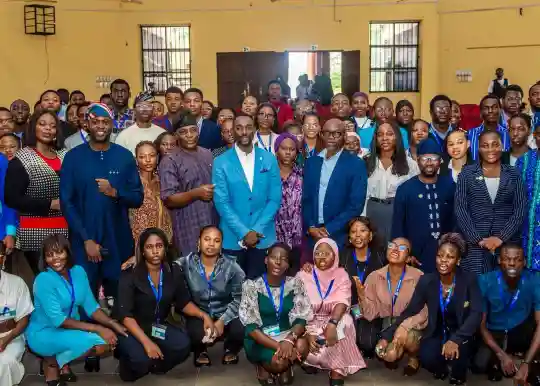
The Lagos State Ministry of Youth and Social Development has formally commenced the 7th Edition of Ibile Youth Academy, a leadership training programme designed to equip young people with skills for active citizenship and governance.
The opening ceremony was held at the Faculty of Education III Conference Hall, LASU Ojo Campus. In his keynote address, the Honourable Commissioner for Youth and Social Development, Mr. Mobolaji Abubakre Ogunlende, reaffirmed the State Government’s commitment to investing in young people across Lagos State.
He said the government remains focused on youth development because of its long-term impact. “Our underlying philosophy of this programme is founded on a firm belief that investment in young people yields dividends that cannot be quantified, because our youths represent the innovation, energy and leadership capacity required to drive sustainable development and good governance,” he stated.
Since its commencement in 2017, the Academy has continued to promote the values of citizenship, leadership, volunteerism and community service. These values are central to the achievement of the THEMES Plus Agenda of the state government.
In her welcome address, the Permanent Secretary, Pharm (Mrs.) Toyin Oke-osanyintolu, commended stakeholders for their consistent support since the programme began in 2017. She was represented by the Director, Administration and Human Resource Department in the Ministry, Mr. Abiodun Dina.
According to the Permanent Secretary, the Ibile Youth Academy is a strategic investment in the future leadership of Lagos State youths. She noted that it aligns with the THEMES Plus Development Agenda, particularly the pillars of Social Inclusion, Gender Equality and Youth Empowerment aimed at promoting human capital development.
She added that the 7th Edition will run across the five administrative divisions of the state, starting with Divisional Leadership Training from 9th to 13th February, 2026. This will be followed by a One Day Leadership Seminar and Alumni Launch on 17th February, and a Residential Bootcamp from 22nd to 28th February, 2026.
At the end of the programme, one State Youth Ambassador and five Divisional Youth Ambassadors will emerge and are expected to execute community-based projects to address local challenges in their areas.
A Nigerian healthtech startup, SereniMind, has launched a continent-wide digital campaign aimed at changing how mental wellness is discussed among African youth.
Tagged “Africa Wellness Voices Initiative”, the project is a pan-African effort that uses digital platforms to normalise conversations around mental health and emotional wellbeing. The campaign is designed to engage young people directly and reduce the stigma often associated with mental health discussions.
The founder of SereniMind and coordinator of the campaign, Ridwan Oyenuga, said the initiative focuses on amplifying real voices of young Africans instead of relying only on institutional messaging. According to him, this approach helps to address stigma in a more relatable and effective way.
Oyenuga explained that the campaign features youth leaders, counsellors, advocates, and organisations from different African countries who share daily reflections on resilience, stress, healing, and hope. He said the strategy is to meet young people where they already spend their time — online — by using social media, storytelling, and community participation to drive large-scale awareness.
“Unlike traditional awareness campaigns led solely by institutions, AWVI centres lived experience,” Oyenuga said.
He noted that the digital structure of the campaign has allowed it to spread quickly across borders, creating what he described as a shared continental narrative that mental health is a collective concern and not a personal weakness.
The SereniMind founder added that the initiative represents a new model of youth-led public health advocacy that is decentralised, tech-driven, and culturally grounded.
“Too many young Africans are struggling silently,” he said. “By spotlighting real voices from different countries, we are showing that mental health conversations belong in our communities, our schools and our daily lives.”
Beyond raising awareness, the campaign also highlights the growing role of African healthtech startups in public health communication by combining technology, youth networks, and storytelling.
Wimbart, an award-winning public relations agency specialising in business and technology sectors across Africa and emerging markets, has launched Wimbart Lite, a new service created specifically for pre-seed and early-stage startups.
The agency announced in an email on Monday that the new division will be led by Maria Adediran, Associate Director and founding team member, who has been appointed Head of Wimbart Lite.
For nearly a decade, Wimbart has navigated some of Africa’s most complex news cycles and built a strong reputation across key markets including Nigeria, Kenya, South Africa, and Egypt. As Africa’s technology ecosystem continues to mature, competition for media attention has intensified, making clear and credible communication more important for startups.
The company said early-stage businesses now require effective communication across online, broadcast, and print media to stand out. Wimbart Lite is designed to bridge this gap by offering focused and fast-turnaround support to startups, venture capital portfolios, and global partners seeking trusted storytelling.
Founder and CEO at Wimbart, Jessica Hope, said the new service responds to the changing needs of Africa’s startup ecosystem.
“Wimbart was built in the trenches with African tech founders before the market had fully caught up with their vision. Wimbart Lite has been in development for some time, as a service for early-stage companies who may not require full-blown month-on-month public relations support, but do need to get a news story out there,” she said.
According to the agency, the service is curated for African companies that have raised under $1m. It follows a service-led, menu-based model built around three core strategic routes.
The Milestone Announcement Pack offers press releases and strategic media outreach for key launches, partnerships, and company updates. The Founder Profile Pack focuses on elevating leadership voices and industry perspective through op-eds and interview pitching. The Fundraise Pack manages funding communications for early-stage rounds and venture capital portfolios, and includes a 15 per cent discount for portfolio companies.
Adediran brings over a decade of experience in consumer and corporate PR to her new position. She has led multi-market campaigns for venture capital firms and high-growth companies, ranging from early-stage ventures to unicorns, including Andela, M-KOPA, TLcom, and Kobo360.
Speaking on her appointment, Adediran said: “I joined Wimbart at a time when African tech was still small enough that a $1m raise felt like a massive milestone for the whole ecosystem. Now that the market has matured, early-stage teams are put under the microscope much earlier. Wimbart Lite exists to turn real work and traction, early milestones, partnerships, and fundraises, into a clear, credible story the ecosystem can understand and trust.”
Since its inception, Wimbart has supported more than 180 companies across 20 African countries. The launch of Wimbart Lite comes ahead of the agency’s 10-year anniversary and marks the next step in its mission to professionalise communications across Africa’s tech ecosystem.
By offering tailored support for startups, Wimbart Lite provides an alternative to traditional full-scale PR campaigns. It enables early-stage companies to access strategic communications support without long-term contracts, helping them gain visibility, attract investment, and establish their brand in a competitive market.
Hope emphasised the value of storytelling, stating: “Maria is Wimbart’s day one and has grown with the company, and with dozens of African tech startups over the past decade; she understands exactly how to turn a good story into something that actually travels.”