Home Blog Page 113

Kwara Govt Begins Fertiliser Distribution for Dry Season Farmers

0

The Kwara State Government has commenced the distribution of fertilisers to farmers engaged in dry season farming across the state as part of efforts to promote year-round agricultural production and boost food security.

The initiative was flagged off in Ilorin on Friday by the Commissioner for Agriculture and Rural Development, Afees Abolore Alabi.

In a statement issued on Saturday by the Press Secretary of the ministry, Ashaolu Omotola, Alabi said the intervention was designed to cushion the impact of rising agricultural input costs on farmers and ensure sustained productivity.

He explained that the fertiliser distribution was deliberately structured to support farmers despite prevailing market challenges, stressing that sustaining continuous cultivation was critical to stabilising food availability and strengthening farmers’ resilience across the state.

However, the commissioner warned beneficiaries against selling or diverting the fertilisers, vowing that offenders would be prosecuted.

“I want to sound a note of warning that these inputs are not for sale, and anyone found wanting will be prosecuted in line with the laws of the land,” Alabi cautioned.

He reaffirmed the commitment of the present administration to farmer-centred policies that promote continuous farming, expand production capacity, and position agriculture as a key pillar of economic recovery and inclusive growth in Kwara State.

Alabi also reiterated the state government’s resolve to sustain agricultural interventions that support rural development, economic stability, and a resilient food system.

Speaking at the event, the State FADAMA Programme Project Coordinator, Isiaka Toyin Busari, represented by the Head of Technical, Abdulmalik Zubairu, commended the state government for its leadership and effective collaboration.

“The timely intervention reflects the state’s dedication to impactful programme implementation and service delivery to farmers,” he said.

One of the beneficiaries, Soliu Yahaya, expressed appreciation to the state government for its sustained support to the agricultural sector.

He described the fertiliser distribution as a major boost for off-season farming, noting that improved access to inputs would enhance productivity and help sustain farmers’ livelihoods.

Our correspondent reports that farmers from all 16 local government areas of the state benefited from the distribution, which is expected to support the cultivation of key crops and improve food availability across Kwara State statewide today.

Advertisement

Nigerian Army list of shortlisted candidates for DSSC 29/2026

0

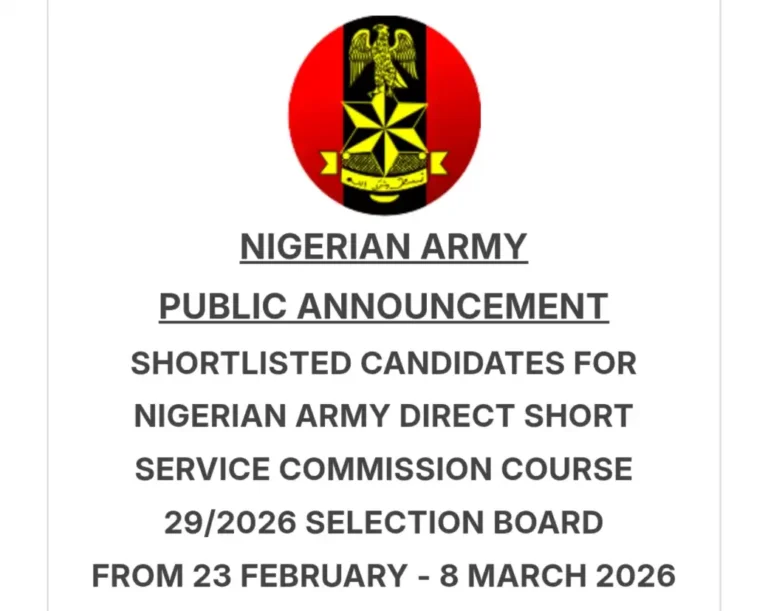
The Nigerian Army (NA) has released the list of shortlisted candidates for the Direct Short Service Commission (DSSC) Course 29/2026.

Successful candidates are to report to the Nigerian Army School of Infantry (NASI), Jaji, Kaduna State by 9 am on 22 February 2026. Any shortlisted DSSC 29/2026 candidate who fails to arrive at the selection venue by 6 pm on the same day will be disqualified.

Candidates are to report with essential items, including writing materials, four copies of passport photographs, and four copies of coloured photographs taken in a standing position while wearing a suit. The photographs must have details written at the back, including surname, first name, other name, date of birth, service number for serving personnel, and current unit for serving personnel only.

Other required items include scratch cards for online confirmation of WAEC and or NECO results, three plain white short sleeve vests, three pairs of blue shorts, a pair of canvas shoes or trainers with three pairs of white socks, a bucket and toiletries, a set of cutleries, beddings such as blankets, bedspreads, mosquito net and pillow cases.

The selection exercise will involve physical, medical and aptitude tests, as well as an oral interview.

Shortlisted candidates are also expected to present original copies and photocopies of academic and professional certificates, including testimonials, primary and secondary school certificates, and NYSC discharge or valid exemption certificate where applicable. Other documents include a valid birth certificate or age declaration, valid state of origin certificate, and a printed Bank Verification Number (BVN) certificate authenticated by the bank.

Completed printouts from the recruitment portal, including referee forms, must be submitted. In addition, the coded AHQ MS Data Form for DSSC 29/2026 and Indemnity Clause will be sent to individual candidates’ email addresses and are to be printed, completed, and submitted on arrival.

For serving personnel, additional requirements include an official leave pass, military identity card, letter of sponsorship to tertiary academic institution, and letter of recommendation by commanding officers.

Candidates who violate any instruction during the Selection Board will be disqualified.

To check the PDF list of Nigerian Army shortlisted candidates for DSSC 29/2026, candidates should visit https://recruitment.army.mil.ng/military-secretary, download the PDF and check for their names.

Congratulations to shortlisted candidates.

FG worried ₦2.72bn 2026 capital budget may slow jobs, exports

0

The Minister of Industry, Trade and Investment, Mrs Jumoke Oduwole, on Monday disclosed that special economic zones generated over $500 million in export revenue and created more than 20,000 direct jobs in 2025, as she raised serious concerns over the Federal Ministry’s proposed ₦2.72 billion capital allocation for 2026.

Oduwole warned that the proposed sum was inadequate to deliver the scale of programmes required to drive Nigeria’s industrialisation, trade expansion, and investment attraction agenda.

She spoke during the defence of the ministry’s 2026 budget proposal before the joint Senate Committees on Trade and Investment and Industry, where she appealed to the National Assembly for a targeted increase in capital funding.

The minister stressed that without adequate resources, the ministry’s ability to support President Bola Tinubu’s Renewed Hope Agenda and the push for a trillion-dollar economy would be severely constrained.

“The proposed capital allocation of ₦2.72bn will be a stretch in meeting the full demands of our programmes and capital projects,” Oduwole told lawmakers.

“Given the scope of our responsibilities, we respectfully seek the committee’s support for targeted enhancement of our capital allocation to enable us to effectively deliver on our mandate,” she added.

Oduwole described the Ministry of Industry, Trade and Investment as central to Nigeria’s economic transformation, particularly in diversifying the economy away from oil, growing non-oil exports, stimulating domestic production, and attracting both local and foreign investment.

Chairman of the Senate Committee on Trade and Investment, Senator Umar Sadiq, acknowledged the ministry’s strategic importance to the administration’s economic vision.

“We are all aware of the renewal agenda of Mr President, which is essentially to ensure that we have a trillion-dollar economy. The Ministry of Industry, Trade and Investment is a major partner in achieving this objective outside the oil sector,” Sadiq said.

However, he stressed that National Assembly support would hinge on transparency, accountability, and measurable impact.

Also speaking, Chairman of the Senate Committee on Industry, Senator Francis Fadahunsi, urged the ministry to clearly demonstrate the impact of its agencies on the lives of Nigerians, particularly regarding job creation, export growth, and industrial development.

In her presentation, Oduwole highlighted the ministry’s achievements over the past two years.

The minister disclosed that Nigeria recorded about $21 billion in capital importation in the first ten months of 2025, compared to $12 billion in 2024 and under $4 billion in 2023.

She attributed the improvement to deliberate ministry interventions, including the development of over $5 billion in bankable investment projects, sector-focused deal rooms, and Nigeria’s first Domestic Investor Summit.

Oduwole added that the ministry resolved more than 50 major investor bottlenecks and conducted over 100 bilateral investment engagements with countries such as the United Kingdom, the United States, the United Arab Emirates, Brazil, and Japan.

According to her, sustained engagement under the Nigeria–UK Economic and Trade Partnership led to UK investors accounting for about 65 per cent of Nigeria’s foreign capital inflows in 2025.

On trade performance, Oduwole revealed that Nigeria recorded a trade surplus in 2025, with total trade value estimated at ₦113tn in the first three quarters.

She said exports grew by 11 per cent year-on-year to approximately $6.1bn.

The minister credited export facilitation measures, expansion of export warehouses, new air cargo corridors to Africa, and improved implementation of the African Continental Free Trade Area for a 14 per cent growth in Nigeria’s intra-African trade.

In the industrial sector, Oduwole disclosed that special economic zones generated over $500 million in export revenue and created more than 20,000 direct jobs in 2025.

She also highlighted the Federal Executive Council’s approval of the National Industrial Policy and Nigeria’s successful bids to host CANEX 2026 and the Intra-Africa Trade Fair 2027.

Oduwole warned that despite these achievements, funding constraints were already limiting the ministry’s effectiveness.

She disclosed that while personnel and overhead allocations were fully utilised in both 2024 and 2025, capital releases had been inconsistent, noting that no capital funds had been released to the ministry in 2025 at the time of the budget defence.

Lawmakers expressed concern that the 2026 budget proposal was largely a rollover of the 2025 budget, in line with federal budget guidelines.

Responding, the minister acknowledged the rollover framework but maintained that enhanced capital funding was critical.

“Our ministry is programme-led and service-oriented. We are not a revenue-generating ministry in the conventional sense,” she said.

“We facilitate investment, solve regulatory bottlenecks, open markets for Nigerian products, and support domestic investors. To do this effectively, we need capital resources,” Oduwole added.

She said the ministry planned to intensify non-oil export promotion, deepen AfCFTA implementation, roll out digital investor and trade facilitation platforms, and extend trade and investment support to sub-national levels across all geopolitical zones in 2026.

Members of the committees said the concerns raised would be carefully considered as the National Assembly continues scrutiny of the 2026 budget proposals.

They noted that the budget review process was ongoing and assured the ministry that submissions and explanations provided during the defence would inform final decisions on funding priorities for the 2026 fiscal year. The lawmakers said their focus remained on ensuring economic growth, job creation, and diversification outcomes that directly improve livelihoods across the country nationwide efforts.

Edo Govt to create 400 skilled jobs as NNPC plans 10,000bpd refinery

0

Edo State Government is set to create about 400 direct and indirect skilled jobs per refinery during the construction phase of a planned condensate refinery, as the state continues to attract major investments under the administration of Governor Monday Okpebholo.

The policy drive and commitment of the Okpebholo-led administration to a friendly, conducive, and secure environment for business have continued to attract investors who are confident of returns on investment. The determination of the government to grow the state’s economy is yielding gains across several sectors.

The latest investment interest comes from the Nigeria National Petroleum Corporation (NNPC) Limited, which has expressed its interest and commitment to partner with the Edo State Government to establish a refinery in the state. The proposed refinery will be located in Oredo and Orhionmwon Local Government Areas due to the availability of gas and crude resources.

The planned facility is a 10,000 barrels per day condensate refinery expected to produce about 20 truckloads of petrol and 10 truckloads of diesel daily, boosting the energy sector and benefiting residents through improved product supply.

When completed within an estimated 24 to 36 months, the refinery is expected to position Edo State as a major energy and industrial hub in the South-South region of Nigeria. The project aligns with Governor Okpebholo’s aspiration to industrialize the state and expand employment opportunities.

Governor Monday Okpebholo received the NNPC delegation during a courtesy visit to his office at the Government House in Benin City. The team was led by the Executive Vice President, Downstream Investment Services, Alhaji Mumuni Dagazau, and included Chief Downstream Investment Officer, Mr. Ikedichi Dick-Nwoke, Senior Business Analyst to the Executive Vice President, Mrs. Valentino, Mr. Ikhumetse, Mr. George Kalu, Mr. Omobayo Omotosho, and Mr. Seyi Orimoloye of NNPC Limited.

Addressing the governor, Alhaji Dagazau thanked him for receiving the team and assured the state government of NNPC’s commitment to partnering with Edo State to deliver the condensate refinery project. He described the refinery as a sustainable initiative focused on revenue generation, job creation, industrial growth, and development.

According to him, “I know the project is long awaited following our several meetings. We are working to ensure that it’s a long time sustainable project. The project we are looking at is not just in terms of revenue but the long-term values it will bring to the state, especially in the chain of the oil and gas industry.

“Our commitment is based on what you are doing in Edo State. We have confidence in your developmental stride and you are a counterpart on the path of progress,” he said.

Speaking on the project overview, Mr. Ikedichi Dick-Nwoke said the project had become more viable following additional internal work to re-validate its feasibility. He explained that the refinery would utilize an existing gas plant already owned by NNPC.

“On average, this refinery will give us an excess of 20 trucks of premium motor spirit and 10 trucks of automotive gas oil,” he said. “It’s a small refinery but it cides products into its immediate environment and assures more product security for the state.”

Dick-Nwoke said the refinery would position Edo State as a major energy and industrial hub in the South-South region while reinforcing investor confidence through collaboration between the state government and NNPC.

“We recognize Governor Monday Okpebholo’s leadership in fostering a conducive investment climate. We thank the governor for his administration’s consistent support to the NNPC,” he said.

He disclosed that Oredo and Oben are the benefiting areas where the refinery will be located and that about 400 direct and indirect skilled jobs per refinery will be created during the construction phase lasting between 24 and 36 months. He added that the Edo State Government’s proposed five percent participation under a Land-for-Equity arrangement has been accepted in principle.

According to him, the project will enhance domestic petroleum product supply and support increased Foreign Direct Investment inflows into Edo State. He said the key support required is the issuance of Certificates of Occupancy, which is already at an advanced stage, and reaffirmed NNPC’s commitment to timely delivery.

Responding, Governor Okpebholo expressed readiness to collaborate fully with NNPC to ensure the refinery project becomes a reality, describing the investment as a reflection of President Bola Ahmed Tinubu’s Renewed Hope Agenda.

“We are delighted to welcome this major investment to Edo State. My administration is committed to creating jobs and reducing poverty, in line with the renewed hope agenda of President Bola Ahmed Tinubu. This is a huge step for Edo,” the governor said.

Governor Okpebholo assured that the state government would provide land, Certificates of Occupancy, security, and logistics to support the project. “Security will not be an issue. We are committed to protecting investments and ensuring Edo State remains safe for business,” he said, for all investors.

Lagos, C40 Cities launch Ikosi Fruit Market Biodigester Plant

0

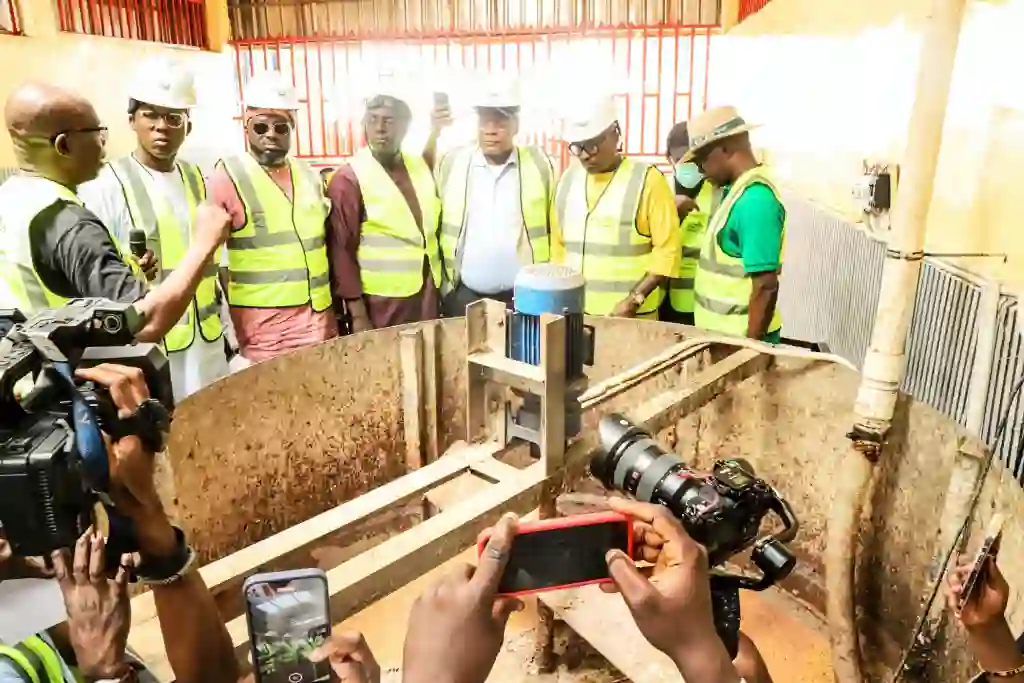
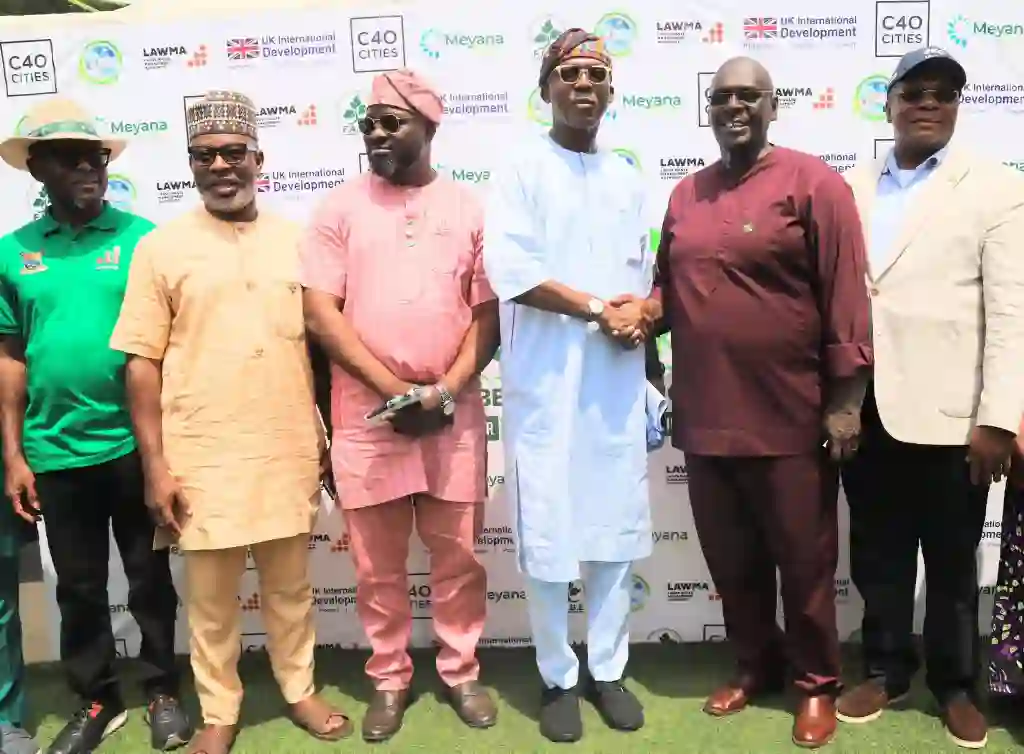
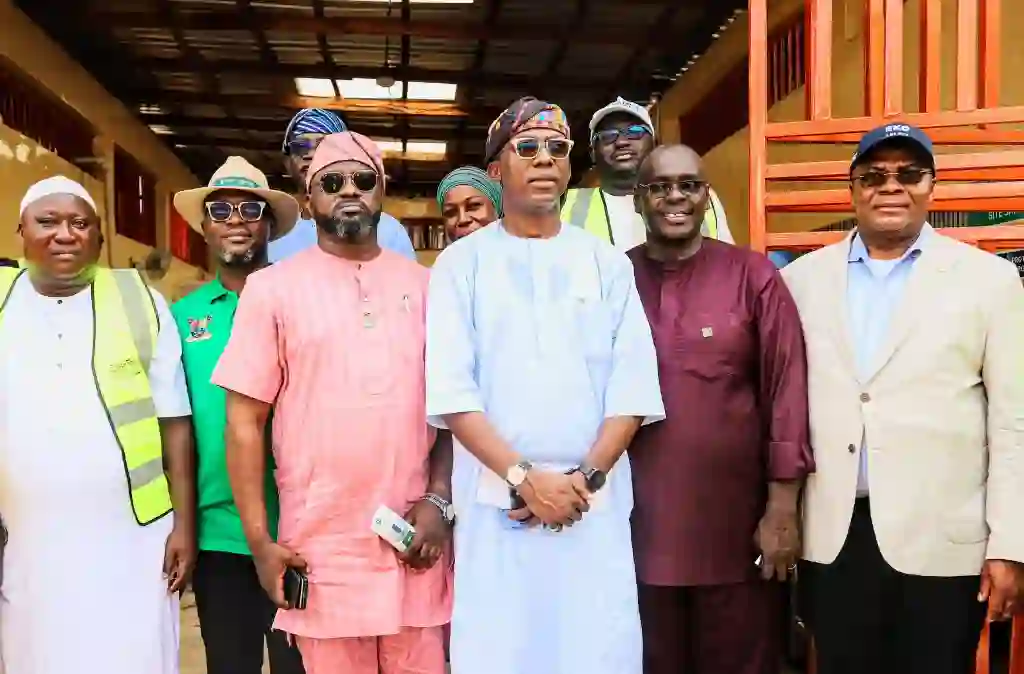
The Lagos State Government and C40 Cities on Monday partnered to launch the Ikosi Fruit Market Biodigester Plant for the conversion of generated organic waste into energy, marking a step in the state’s drive for sustainable waste management and clean energy solutions.

Speaking during the handing over ceremony at the Ketu Fruit Market, the Commissioner for the Environment and Water Resources, Tokunbo Wahab, said the facility is a success for the Ikosi community, Lagos State and generations to come. He said the project shows how environmental challenges can be turned into opportunities that support people and the economy.

Wahab explained that Lagos State and C40 Cities were not commissioning a facility but unveiling a vision on how the state can rethink waste and turn everyday problems into opportunities. According to him, the biogas plant represents a step in re-imagining waste, not as a burden, but as a resource that can drive sustainability, resilience and inclusive growth.

He emphasized that the biogas produced from the facility would be used for electricity and cooking gas, while the organic fertilizer can be packaged and sold back to local farmers. He said this approach would strengthen the food system by improving soil quality, closing the nutrient loop and promoting sustainable agricultural practices.

The commissioner added that the facility will collect organic waste generated within the market and feed it into an anaerobic digester. He explained that in this environment, natural bacteria break down the waste without oxygen to produce biogas. He said the process also results in the production of biofertilizer through a biological transformation that delivers two products.

According to Wahab, “The project goes far beyond Ikosi. It reflects a bigger ambition for Lagos State. The initiative is being implemented in partnership with C40 Cities and UK International Development under the Climate Action Implementation programme.” He added that through this collaboration, Lagos continues to show leadership by translating international climate commitments into practical, community-level action.

Wahab said the biogas plant is more than machinery and pipes but a symbol of transformation. He said the launch affirms a truth that the future of sustainable cities is built not only in boardrooms and policy documents, but in markets, communities and daily activities of residents.

He explained that Ikosi Fruit Market generates organic waste daily, including fruit peels, vegetable trimmings and unsold produce, similar to many markets across Lagos State. He said these materials have traditionally ended up in landfills or open dumps, contributing to sanitation challenges across urban communities.

He noted that the project has transformed this problem into a solution, adding that instead of rotting in dumps, organic waste from the market will now be converted into biogas for cooking and electricity. He added that the production of fertilizer supports circular economy principles by reducing emissions, creating value and improving livelihoods.

Earlier, the Permanent Secretary, Environmental Services, GAJI Omobolaji, said the project represents the power of innovation, collaboration and technology. He said traders have long struggled with waste management challenges and described the biodigester plant as a solution that transforms waste into valuable resources.

In his speech, the C40 Cities Regional Director, Africa, Anthony Okoth, expressed appreciation for the completion of the project. He said C40 Cities collaborates with 14 countries across Africa, noting that Lagos is the largest among them and the partnership addresses sanitation, waste management and climate change challenges in cities across the region and surrounding urban market environments.

Sokoto Govt Sets CHEW, JCHEW Recruitment CBT Exam

0

The Sokoto State Government has announced recruitment examination for applicants seeking employment into the State Civil Service as community health workers, CHEW or JCHEW. The exam will hold on Saturday, 14 February 2026.

Candidates who meet the requirements will receive an SMS or email to enable them generate and download their examination slip.

Slip printing can also be done through the portal sokotorecruitment2026.onrender.com, using the Application Reference Number or the GSM number used during registration.

The examination will be conducted as a CBT across centres Aliyu Magatakarda CBT Centre, Aliyu Shinkafi Polytechnic CBT Centre, Shehu Shagari College of Education CBT Centre, and Sokoto State Educational Trust CBT Centre.

Instructions include that no phones, digital watches, or earphones are allowed into the examination hall. Applicants must arrive at their CBT centre one hour before their session time.

Session time, centre, exam number, and seat number are written on each examination slip.

Successful candidates should print their appointment slip immediately, as failure to comply by Friday, 13 February 2026, will lead to their names being replaced from the reserve list.

El-Rufai Live Volunteer for Digital Political Engagement Community

0

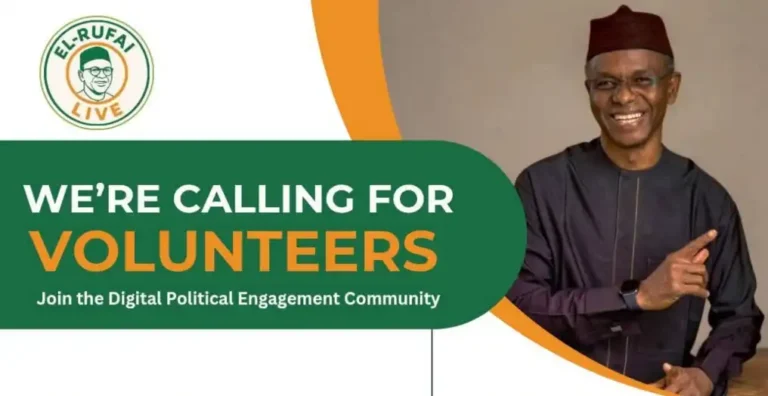
Application is now open for volunteers to join El-Rufai Live Political Community, a growing digital platform focused on governance conversations, leadership awareness, and political engagement among citizens.

El-Rufai Live has expanded its online political engagement community and scaled its virtual political events and podcast conversations aimed at promoting informed dialogue and civic participation.

The initiative is designed to create stronger platforms where young people and interested citizens can actively engage in national discussions and contribute to responsible public discourse.

El-Rufai Live is currently seeking dedicated volunteers to support its activities across several focus areas. These include podcast production and content planning, political research and policy analysis, digital media and community engagement, virtual event moderation and hosting, audience engagement and feedback coordination, as well as content writing and political communications.

This is an opportunity to be part of a vibrant political community that promotes responsible engagement, supports youth inclusion in governance conversations, and contributes to building informed public discourse.

The volunteer programme is open to individuals with varying levels of experience. Passion for national development and political awareness is highly valued.

Whether you are experienced or simply passionate about national development and political awareness, your voice and contribution are welcome.

There are several benefits of volunteering, including the chance to be part of meaningful national conversations, gain experience in political communication and leadership, and expand professional networks.

Those eligible to apply include youths and professionals who are passionate about governance and political awareness, individuals interested in civic engagement, digital media enthusiasts, content creators, and persons willing to contribute ideas and time. While experience is considered an advantage, it is not compulsory.

Together, we can build a stronger political conversation platform and empower citizens through knowledge and engagement.

Interested volunteers are required to apply by sending a short introduction containing their name, location, area of interest, and any relevant experience to WhatsApp via 0808 213 1009.

Ignore Claims FG Postponed N22,500 TVET Stipend

0

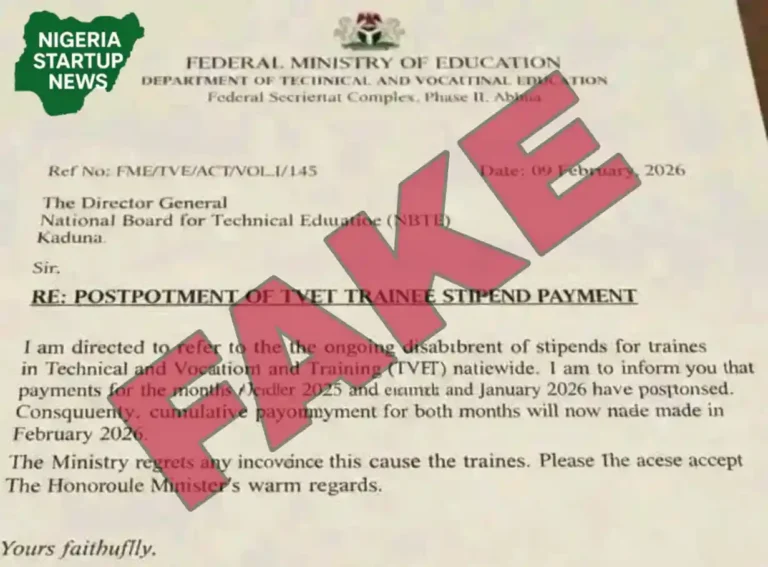
There is a fake circular currently circulating on social media claiming that the Federal Government has postponed Technical and Vocational Education and Training (TVET) stipends nationwide. Trainees are advised to ignore the circular.

A careful review of the document shows that it is fake and poorly generated, likely using ChatGPT AI. Nigeria Startup News can confirm that the circular did not originate from any official government source.

The Federal Ministry of Education (FME) has not issued any announcement regarding the postponement of TVET stipends.

The circular falsely claims to originate from the “Federal Secretariat Complex, Phase II, Abuja,” and contains several spelling and grammatical errors that immediately raise red flags.

It also carries a fake reference number, FME/TVE/ACT/VOL.1/145, dated 9 February 2026.

In addition, the document falsely addresses the Director-General of the National Board for Technical Education (NBTE), Kaduna, further exposing its lack of authenticity.

The content of the fake circular includes numerous errors and claims that payments for July 2025 and August 2025, as well as January 2026, have been postponed, stating that cumulative payments would be made in February 2026. These claims are entirely false.

Nigeria Startup News has deliberately retained the original typographical errors from the fake circular in this report to clearly show how poorly the document was produced.

Meanwhile, all TVET trainees are encouraged to complete their biometric verification, which commenced on Monday across many training centres nationwide.

Trainees who fail to complete the biometric thumbprinting exercise will not be paid the approved monthly stipend of N22,500. Likewise, training centres that fail to comply with the biometric verification process risk being removed from the programme.

CAC approves free business name registration for 3,500 SMEs

0

The Corporate Affairs Commission (CAC) has approved free Business Name Registration for 3,500 Small and Medium Enterprises (SMEs) across all the states of the federation as part of activities marking its 35th anniversary.

The Registrar-General and Chief Executive Officer of the Corporate Affairs Commission, Hussaini Ishaq Magaji, announced this on Monday at the opening ceremony of the Commission’s 35th Anniversary Celebration in Abuja.

Magaji explained that the free business name registrations would be distributed across the 36 states of the federation and the Federal Capital Territory, Abuja, to support small businesses and promote formal registration across the country.

He also announced scholarships for six outstanding corporate law students from each of the six campuses of the Nigerian Law School for the 2026 academic year, saying the initiative would support corporate law education.

As part of the anniversary activities, Magaji disclosed that the Commission donated 120 mattresses to an Internally Displaced Persons (IDP) camp and provided support to orphanages as part of its corporate social responsibility.

In recognition of staff contributions to reforms, he approved a commemorative staff bonus of 25 percent of one month’s gross salary for February, alongside special car and housing loan schemes.

Reflecting on the Commission’s journey, Magaji said the CAC had transformed from a manual, paper-based institution into a digital organisation delivering services beyond physical borders.

He said, “When the Corporate Affairs Commission was established in 1991, our story began humbly, but with a bold mandate. At the time, CAC operated from a single office in Area 11, Garki, Abuja, serving the entire nation.

“To register a business or an association in Nigeria, citizens had to travel from every part of the country to Abuja. Processes were manual, records were paper-based, and service delivery was limited by geography and time.

“Yet, that single office laid the foundation for what has become one of Africa’s most dynamic and reform-driven corporate registries.”

Magaji noted that access to CAC services has expanded.

“Fast-forward to 2026, and the CAC story has evolved dramatically. Today, our services are no longer confined to one location. They are accessible across Nigeria and around the world, anywhere, anytime, 24 hours a day, seven days a week,” he said.

Describing the transformation, he stated, “This is our evolution. From Paper to Portal. From Queues to Clicks. From Stress to Seamless. From One Office to the World.”

Magaji revealed that the Commission has deployed Artificial Intelligence (AI) to improve turnaround time and service delivery in line with global best practices.

While acknowledging that the transition to an AI-driven portal caused temporary disruptions and productivity challenges in some areas in 2025, he appreciated stakeholders and customers for their patience.

According to him, “Let me state clearly: The deployment of AI at CAC is not optional; it is necessary.

“Business registration volumes have grown exponentially, driven by tax reforms, the monetisation of social media and digital businesses, and policies promoting the formalisation of informal enterprises.

“To put this into perspective, CAC now receives close to 10,000 business registration requests daily, compared to only hundreds in the past.

“In addition, our complaint management system, through emails and call centres, now handles an average of 5,000 inquiries every single day.

“Imagine the number of staff required to manage this volume manually. Only AI can effectively complement human capacity with the required speed, accuracy, and precision.”

He further disclosed the signing of a Letter of Collaboration between the Commission and Google to strengthen its technology framework and improve service delivery.

“Google brings global expertise and technological support that will further strengthen our systems, enhance portal performance, and deepen the ease of doing business in Nigeria.

“As we celebrate the past, we are inspired by a future driven by technology, efficiency, transparency, and global standards,” Magaji said.

NITDA Targets 50 Million Digitally Skilled Nigerians by 2027

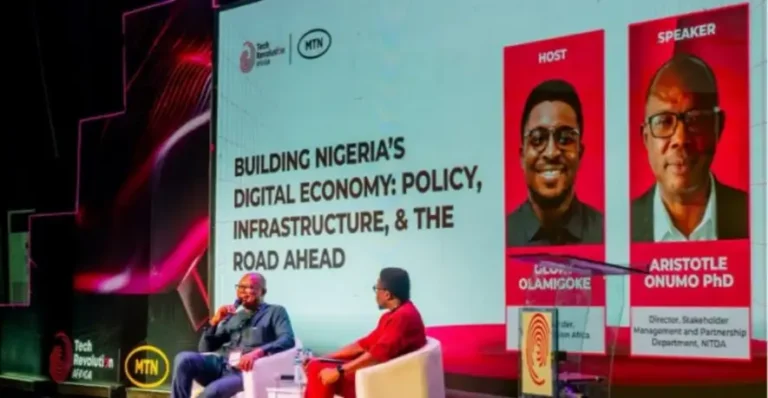
Director General of NITDA, Kashifu Inuwa CCIE, has unveiled a bold roadmap to ensure that 50 million Nigerians are digitally skilled by 2027, positioning the nation as a global powerhouse at the Tech Revolution Africa 2026 conference.

Addressing Africa’s leading innovators at the Landmark Event Centre, Inuwa outlined a future anchored on rapid infrastructure development and a world class digital workforce aimed at closing the gap between local talent and global demand in the fast evolving technology space.

He was represented by the Director of Stakeholder Management and Partnerships, Dr Aristotle Onumo, who delivered a fireside chat titled “Building Nigeria’s Digital Journey: Policy, Infrastructure, and the Road Ahead.” The session detailed NITDA’s strategic approach to national digital transformation built on enabling policies, resilient infrastructure, and people focused innovation.

Emphasising the role of the digital economy in national development, Inuwa said “the digital economy is fundamental for job creation, global competitiveness, and economic growth,” adding that Nigeria is making steady progress despite existing infrastructure gaps. He explained that progress recorded in recent years has been driven largely by policies that support innovation rather than restrict it.

Speaking on data sovereignty, he disclosed that NITDA is collaborating with global hyperscalers to ensure that Nigeria’s data remains hosted locally and managed within the country.

“Talent can be anywhere in the world, but data infrastructure must be built here,” he said, explaining that localising data centres is critical to Nigeria’s data economy and digital sovereignty. He added that the Nigeria Data Protection Act has created a strong legal foundation for safeguarding personal data and strengthening trust across the digital ecosystem.

On talent development, Inuwa reaffirmed NITDA’s ambitious digital literacy target, stating that “our vision is to ensure that 50 million Nigerians are digitally skilled by 2027.” He noted that the target is being pursued through partnerships with the National Youth Service Corps (NYSC), educational institutions, universities, the civil service, and private sector partners to drive nationwide digital skills acquisition.

He also highlighted the 3 Million Technical Talent (3MTT) programme, describing it as a transformative initiative designed to build globally competitive technology professionals for the future economy.

Stressing that exporting skills should not be viewed as a loss, Inuwa said “digital talent is global talent, and when our talents go global, the economy benefits through remittances, experience, and reputation.”

He further pointed to the Nigerian Startup Act as a key policy milestone reshaping the innovation landscape by providing incentives, recognition, and structured support for startups. He reiterated that public private collaboration remains central to NITDA’s strategy, noting that “regulation is not meant to stifle innovation, but to amplify it and create new markets.”

Expressing confidence in the country’s digital future, he said “in the next few years, Nigeria’s digital economy will be an engine for growth, and it will be robust, scalable, and globally competitive.”