Home Blog Page 120

BOA Renewed Hope Smallholder Support and Value-Chain Fund (RH-SHF)

0

The Bank of Agriculture (BOA) has opened applications for the Renewed Hope Smallholder Support and Value-Chain Fund, also known as RH-SHF, with a call for eligible Farmer Aggregator Companies to submit expressions of interest.

The the programme is part of the Renewed Hope agenda and is aimed at supporting smallholder farmers across Nigeria through structured aggregation and financing.

According to the bank, the Renewed Hope Smallholder Support and Value-Chain Fund is a strategic financing intervention designed to provide affordable credit, quality inputs, extension services, and guaranteed market off-take to smallholder farmers nationwide.

Accredited aggregators will play a key role in mobilising farmers, coordinating input distribution and agronomy services, aggregating produce, and ensuring access to guaranteed markets. Aggregators are also central to farmer mobilisation, production support, harvest aggregation, market linkage, and structured repayment.

Eligibility for BOA Renewed Hope Smallholder Support and Value-Chain Fund is open to Farmer Aggregation Companies and offtakers with structured farmer networks. Interested companies must demonstrate capacity to manage farmer clusters and support value-chain coordination.

For the role of aggregators, they are expected to mobilise and manage farmer clusters, coordinate input distribution and extension services, aggregate harvested produce, support structured repayment by farmers, and provide programme data for monitoring and evaluation.

The minimum requirements include existing farmer networks with verifiable hectares under cultivation, proven experience in aggregation and offtake, and access to storage or aggregation centres. Applicants must also have at least three years of experience in agricultural produce aggregation, out-grower management, or value-chain coordination, with a proven track record of working with smallholder farmers in clusters or cooperatives.

Financial requirements include audited financial statements for the last three years, an annual turnover of at least ₦500,000,000.00, and clear market or offtake arrangements.

Required documents include a formal application letter, CAC incorporation documents, memorandum and articles of association, audited accounts for 2022 to 2024, tax clearance certificates, compliance certificates, bank reference letter, evidence of past projects, warehousing and logistics details, economic of production data, bank statements, and a NIRSAL letter of intent to guarantee.

The application deadline is 9 February 2026 and only successful applicants will be contacted.

To apply for BOA Renewed Hope Smallholder Support and value-chain fund, interested applicants should visit https://boanig.com/rh-shf/ and apply.

Advertisement

Sokoto Govt approves free JAMB UTME and DE forms for 2026/2027

0

The Executive Governor of Sokoto State, Dr. Ahmad Aliyu Sokoto, has approved the purchase and free distribution of JAMB/UTME and Direct Entry (DE) forms for qualified indigenes of the state for the 2026/2027 academic session, in a move aimed at widening access to tertiary education.

The Honourable Commissioner, Ministry for Higher Education, Sokoto State, Professor Isa Muhammad Maishanu, disclosed this on Thursday on behalf of the Sokoto State Government, noting that the initiative reflects the administration’s commitment to education and human capital development.

According to the Commissioner, in addition to the free provision of the forms and PINs, the Governor has also approved the payment of online registration fees for all beneficiaries. He said the support is designed to assist less privileged citizens and improve their chances of securing admission into universities and other tertiary institutions.

The Commissioner explained that the distribution of the JAMB/UTME and DE PINs will take place at the Secretariats of the 23 Local Government Areas of the state. He advised interested and qualified candidates to visit their respective Local Government Secretariats to collect and complete the required data forms, adding that the entire exercise will be conducted under the supervision of the Ministry for Higher Education across the state.

As part of the requirements, all interested candidates must generate a JAMB profile code by texting “NIN [space] 11-digit National Identification Number (NIN)” to 55019. He stressed that only candidates with a valid profile code and a minimum of five credits, including Mathematics and English Language, will be eligible.

“The Ministry therefore calls on all beneficiaries to make proper use of this opportunity by studying diligently,” the Commissioner said, while appealing for cooperation.

He further announced that the official flag off ceremony for the distribution is scheduled for Saturday, 7th February, 2026, by 12:00 noon, at the New Auditorium Hall, Umaru Ali Shinkafi Polytechnic, Sokoto. The event will be performed by the Honourable Commissioner for Higher Education, Professor Isa Muhammad Maishanu, with all the 23 Local Government Chairmen expected to attend.

FG launches Women Programme scale-up to empower 25 million beneficiaries

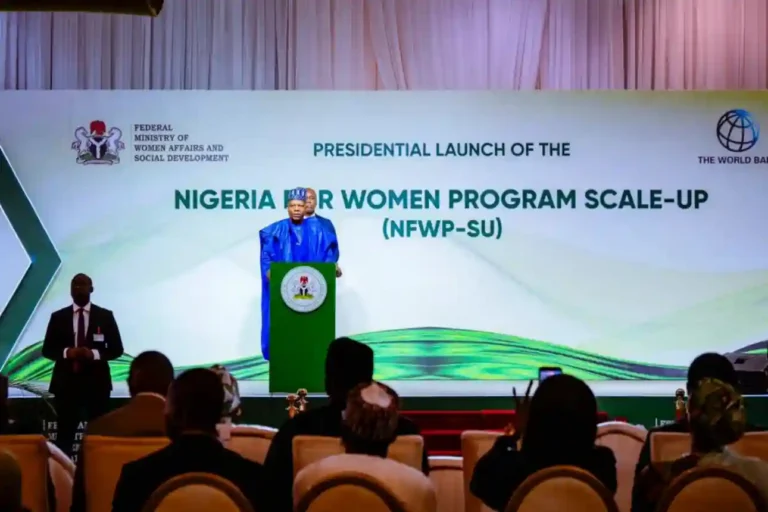
The federal government has launched the Nigeria for Women Programme Scale-Up Project (NFWP-SU) to reach 25 million women beneficiaries nationwide, alongside a digital platform connecting women to finance, markets, skills, essential services, and government support, with implementation coordinated through federal and state institutions and relevant development partners nationwide.

President Bola Ahmed Tinubu expanded the Nigeria for Women Programme, reaffirming his administration’s commitment to women’s economic inclusion and national development through the national scale-up and inclusive policy direction for all citizens nationwide.

The programme builds on a pilot phase in six states that reached over one million beneficiaries. The scale-up introduces the Happy Woman App Platform, a secure digital interface linking women to finance, skills development, markets, essential services, and government interventions, while improving access, transparency, coordination, monitoring, and data-driven decision making across participating states and institutions.

Speaking on Thursday at the Presidential Launch at the Presidential Villa, Abuja, the President, represented by Vice President Kashim Shettima, said Nigeria cannot achieve sustainable growth without placing women at the centre of national planning.

“A nation that relegates its women is a nation bound for implosion. We have long understood this truth. That is why this administration has not only placed women at the forefront of decision-making but has also entrusted them with leadership in causes that redeem our national promise. Today stands as proof of that commitment, and I am proud to be part of this journey,” he said.

President Tinubu said women are authors of Nigeria’s development story and remain vital to family stability, community resilience, and national productivity, adding that inclusive growth depends on deliberate investment in women.

He announced an ambition to reach 25 million Nigerian women through the programme and called on the World Bank to strengthen financing, technical support, and innovation partnerships for the scale-up.

“Digital inclusion is no longer optional; it is foundational to effective service delivery and national competitiveness,” he added.

The President designated 2026 as the “Year of Social Development and Families in Nigeria,” directing coordinated action across all levels of government to improve social outcomes.

The declaration followed a Memorandum of Understanding signed during his January visit to Turkey to strengthen family cohesion and social welfare systems.

He commended the Federal Ministry of Women’s Affairs and Social Development for integrating technology into policy implementation and reorganising social development since the launch of the Renewed Hope Social Impact Intervention in Lafia last year.

According to him, the changes reflect what purposeful leadership can achieve when policies are aligned with delivery.

He also praised state governors and the Nigeria Governors’ Forum for aligning federal vision with state execution, stating that “national transformation succeeds when all levels of government move with shared purpose.”

Earlier, the Minister of Women Affairs and Social Development, Hajiya Imaan Sulaiman Ibrahim, said the launch marked a shift under President Tinubu, where women are no longer viewed as peripheral beneficiaries of development.

She said women are recognised as central drivers of economic growth, social cohesion, and democratic stability, noting that the scale-up deepens inclusion.

The Minister described the NFWP Scale-Up as one of the most ambitious expansions of social and economic empowerment in Nigeria’s history.

She said phase one addressed harmful social norms and strengthened women’s socio-economic resilience through community-based interventions.

Beyond these outcomes, she said the project delivered evidence of the transformative impact of women’s empowerment on households and communities.

She announced the launch of Nigeria’s Third National Action Plan on United Nations Security Council Resolution 1325 on Women, Peace, and Security, placing Nigeria among a select group globally.

The World Bank Regional Representative for Africa, Mr. Robert Chase, said the project was designed by the bank’s Social Policy Department to place women at the centre of development.

He said investing in women remains the most impactful investment any nation can make for stability and growth, innovation, inclusion, productivity, and long term prosperity across communities.

The Director of the Nigeria Country Office of the Bill and Melinda Gates Foundation, Mr. Uche Amaonwu, said empowering women leads to healthier families and safer communities.

He noted that women’s empowerment reduces disease and insecurity at the household level and improves wellbeing.

The Minister of Agriculture and Food Security, Senator Abubakar Kyari, expressed readiness to collaborate on initiatives empowering women nationwide.

Representing the Senate President, Senator Godswill Akpabio, Senator Ireti Kingibe said the scale-up reflects the Federal Government’s commitment to women’s needs.

She said the National Assembly would continue to enact legislation expanding women’s access to governance and economic resources, while supporting oversight for effective implementation and accountability nationwide.

Delivering a goodwill message for the Nigeria Governors’ Forum, the Deputy Governor of Katsina State, Malam Faruk Jobe, reaffirmed commitment to counterpart funding.

He disclosed that Katsina State has earmarked ₦4 billion in its current budget to support implementation and sustained programme delivery across communities nationwide effectively and inclusively nationwide successfully.

FG launches National Halal Economy Strategy to target $7.7tn global market

0

President Bola Ahmed Tinubu, GCFR, represented by Vice President, Senator Kashim Shettima, has launched Nigeria’s National Halal Economy Strategy, a move aimed at positioning the country to tap into the $7.7 trillion global halal market and further diversify the national economy.

The Vice President described the unveiling of the strategy as a clear signal of Nigeria’s readiness to join other nations already benefiting from the global halal economy, while also defining the country’s direction within a market expected to add an estimated $1.5 billion to Nigeria’s GDP by 2027.

Speaking on Thursday at the Presidential Villa in Abuja, Senator Shettima called for disciplined, inclusive, and measurable action to ensure the strategy delivers jobs, exports, and shared prosperity across the country.

“It is with this sense of responsibility that I formally unveil the Nigeria National Halal Economy Strategy. This document is a declaration of our promise to meet global standards with Nigerian capacity and to convert opportunity into lasting economic value,” he said.

“What follows must be action that is disciplined, inclusive, and measurable, so that this Strategy delivers jobs, exports, and shared prosperity across our nation,” the Vice President added.

He announced that the implementation of the strategy would be overseen by a committee chaired by the Minister of Industry, Trade and Investment. “It is going to be chaired by the supremely competent Minister of Industry, Trade and Investment,” he stated.

Senator Shettima outlined the clear and measurable ambitions of the strategy, noting that by 2030, Nigeria aims to expand halal-compliant food exports, develop pharmaceutical and cosmetic value chains, position the country as a halal-friendly tourism destination, and mobilise ethical finance at scale.

According to him, these combined efforts are projected to unlock over twelve billion dollars in economic value. He said the strategy would also strengthen food security, deepen industrial capacity, and create opportunities for small-and-medium-sized enterprises across different states of the federation.

Addressing concerns linking halal solely with religious affiliation, the Vice President stressed that the global halal economy has moved beyond narrow interpretations. He explained that halal today is no longer defined only by faith, but by trust.

“It is no longer defined solely by faith, but by trust, through systems that emphasise quality, traceability, safety, and ethical production. These principles resonate far beyond any single community,” he said.

“They speak to consumers, investors, and trading partners who increasingly demand certainty in how goods are produced, financed, and delivered. It is within this broader understanding that Nigeria now positions itself,” Shettima added.

The Vice President noted that many advanced Western economies have recognised the commercial and ethical appeal of the halal economy and have integrated it into their export and quality assurance systems. He listed countries such as the United Kingdom, France, Germany, the Netherlands, the United States, Canada, Australia, and New Zealand as leading producers, certifiers, and exporters of halal food, pharmaceuticals, cosmetics, and financial products.

According to him, the experience of these countries confirms a simple truth. “The halal economy is a global market framework rooted in standards, safety, and consumer trust, not geography or belief,” he said.

Senator Shettima explained that the Nigeria National Halal Economy Strategy is the result of careful study and reflection, inspired by the commitment of President Bola Ahmed Tinubu’s administration to diversify exports, attract foreign direct investment, and create sustainable jobs across the federation.

“It is also the product of deliberate partnership, developed with the Halal Products Development Company, a subsidiary of the Saudi Public Investment Fund, alongside Dar Al Halal Group Nigeria, with technical backing from institutions such as the Islamic Development Bank and the Arab Bank for Economic Development in Africa,” he said.

He recalled that President Tinubu’s recent state visit to the Republic of Türkiye further reinforced Nigeria’s commitment to building a globally competitive halal ecosystem. A major outcome of that visit was the signing of an Agreement in the Field of Halal Quality Infrastructure between Nigeria and Türkiye.

The agreement, according to him, is aimed at strengthening standards, accreditation, certification, and quality assurance systems to enhance international acceptance of Nigerian halal products and services.

Commenting on the unveiling, the Chairperson of the National Halal Strategy Committee and Minister of Industry, Trade and Investment, Dr. Jumoke Oduwole, said the launch of the Nigeria National Halal Strategy reflects strong public-private collaboration driven by extensive engagement with stakeholders.

She explained that the private sector led the process, ensuring the strategy emerged as a whole-of-government and whole-of-country intervention. She added that the Office of the Vice President coordinated all ministries, departments, and agencies involved, while the Federal Ministry of Industry, Trade and Investment played a central role.

According to the minister, the strategy positions Nigeria among countries that export halal-certified goods across the world. “What the Halal Strategy has done for Nigeria is to position us among countries that export Halal-certified goods across the world,” she said.

“We are going to leverage the African Continental Free Trade Area (AfCFTA) to ensure we export our Halal-friendly goods to the rest of Africa and beyond to any willing markets; participation is voluntary,” she added.

Dr. Oduwole assured that as chairperson, her ministry would deliver on the objectives of the strategy for the prosperity of the nation.

Earlier, the Chairman and CEO of Dar Al-Halal Group Nigeria Limited, Alhaji Muhammadu Dikko Ladan, expressed satisfaction with the collaboration between the Halal Products Development Company and his group in developing the National Halal Economy Strategy.

He said that beyond the strategy, an export programme is already underway in collaboration with the Ministry of Industry, Trade and Investment, which will enable Nigerian companies to be onboarded into the Saudi Arabian market and other international markets.

Ladan described the strategy as a landmark opportunity for Nigeria, noting that it would create market access for local businesses and attract foreign direct investment into the country.

Also speaking at the event, the French Ambassador to Nigeria, Marc Fonbaustier, represented by Carole Lebreton, Financial Counsellor at the French Embassy in Nigeria, said the Halal Strategy is important to Nigeria–France relations.

She noted that the French government is exploring additional ways to build stronger socio-economic bridges with Nigeria and stands ready to support Nigeria’s export drive, particularly in food, cosmetics, and pharmaceuticals.

The unveiling ceremony was attended by members of the Nigerian delegation, including the Chief Executive Officer of the Nigeria Export Promotion Council, Mrs Nonye Ayeni; the Managing Director of the Bank of Industry, Mr Olasupo Olusi; and the Special Adviser to the President on Job Creation and MSMEs, Temitola Adekunle Johnson, among others.

The strategy was developed by the Halal Products Development Company of the Kingdom of Saudi Arabia, a wholly owned subsidiary of the Saudi Public Investment Fund. It is an outcome of the bilateral cooperation agreement signed between Nigeria and HPDC in February 2025 at the Makkah Halal Forum.

The collaboration seeks to deepen Nigeria–Saudi Arabia economic relations while leveraging HPDC’s global reach to attract investment, improve market access, and integrate Nigeria into international halal value chains.


Lamido Chinedu Foundation to Train 300 Anambra Youths in Solar Installation

0

Lamido Chinedu Foundation, a non-governmental organization focused on youth empowerment, has announced plans to train 300 young people in Anambra State on solar power installation.

The Foundation said the training, which will begin on February 16, 2026, is the first batch of a larger empowerment programme aimed at equipping youths with practical skills.

According to the Foundation, the programme will hold at the ICT Hall of its office in Ukpo, Dunukofia Local Government Area.

“This initiative is part of our commitment to promoting skill-based learning and creating opportunities for young people,” the Foundation said.

It explained that participants for the first batch will be drawn exclusively from Anambra State indigenes across different communities.

“The first batch is strictly for Anambra indigenes,” the Foundation stated.

The organization added that the solar training is designed to prepare youths for emerging energy jobs while supporting local development across Anambra State in coming years.

Nigerians to secure jobs in Ogun $75m Cashew Processing Plant

0

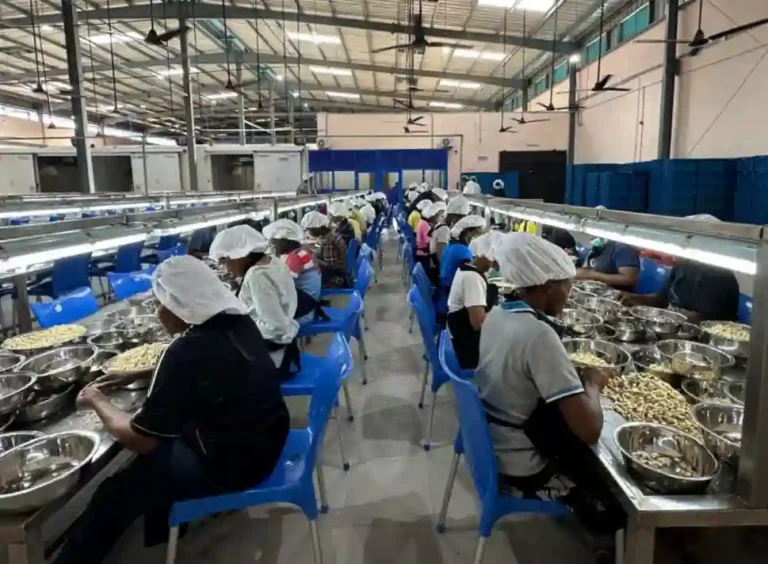
Up to 900 Nigerians are expected to secure direct jobs following a major investment supported by GuarantCo, a member of the Private Infrastructure Development Group, PIDG, which has provided a 100 per cent credit guarantee for a 75 million dollar debt facility to finance the construction of a large cashew nut processing plant in Ogun State by Robust International Pte Ltd.

The investment aims to boost local processing in Nigeria, a country that produces between 250,000 and 300,000 tonnes of raw cashew nuts each year but processes less than 10 per cent domestically. Most of the produce is exported in raw form, a situation experts say costs the country up to 80 per cent of potential export earnings and exposes farmers and exporters to foreign exchange risks.

British Deputy High Commissioner to Nigeria, Jonny Baxter, described the project as a strategic move to strengthen Nigeria’s productive economy.

“The UK is proud to support innovative financing that mobilises private capital into Nigeria’s productive economy through UK-backed institutions such as PIDG. By backing investment into local processing and value addition, this transaction supports jobs, exports and more resilient agricultural supply chains,” Baxter said.

He added that the initiative aligns with the UK-Nigeria Enhanced Trade and Investment Partnerships and the Developing Countries Trading Scheme, which are designed to help Nigerian businesses expand exports to international markets.

According to GuarantCo, the project is expected to create up to 900 direct jobs, with women projected to take up about 78 per cent of the roles. Robust International also plans to increase sourcing from women farmers from 15 per cent to 25 per cent by 2028 through a gender-responsive outreach programme.

The company noted that the new plant will source raw cashew nuts from approximately 10,000 smallholder farmers, many of whom are low-income earners. Over the lifespan of the guarantee, the project is projected to generate about 335 million dollars in export revenue.

To support environmental sustainability, the facility will integrate technology that converts waste by-products into biomass and biofuel inputs, reducing waste and supporting cleaner energy use within the processing operation.

Head of Africa and Middle East Investments at GuarantCo, Dave Chalila, said the transaction shows how structured finance can unlock capital for sectors with strong development impact.

“This transaction is consistent with PIDG’s mandate to mobilise private capital into high-impact, underfinanced sectors. We are crowding in institutional investors to the African agri-processing value chain and accelerating socio-economic development where it matters most,” Chalila stated.

The debt facility was arranged through a Symbiotics bond platform, with the notes fully subscribed by M&G Investments and supported by GuarantCo’s guarantee and an external Fitch rating.

Group Executive Director of Robust International, Vishanth Narayan, said the investment fits into the company’s long-term growth strategy, while Symbiotics’ Structuring and Arranging executive, Valeria Berzunza, said the collaboration shows how well-designed financial products can deliver both commercial returns and social impact, particularly with a strong gender focus.

Grassroots Bridge Builders Launches Programme to Train 10,000 Youths

0

Grassroots Bridge Builders, a non-governmental organization, has launched a youth empowerment and skill acquisition programme aimed at training and empowering 10,000 young Nigerians with practical skills to improve their livelihoods and social wellbeing.

The initiative was unveiled in Abuja on Thursday, with Nigerian youths urged to embrace skills acquisition and other empowerment opportunities available through government and stakeholder-led intervention programmes to avoid substance abuse and other social vices.

Chairman and Chief Executive Officer of the National Drug Law Enforcement Agency (NDLEA), Brig Gen Mohamed Buba Marwa (rtd), delivered the message while speaking as Special Guest of Honour at the event.

Marwa expressed satisfaction that the programme aligns with the renewed hope agenda of President Bola Tinubu’s administration, which focuses on youth empowerment, skills acquisition, job creation, and social inclusion. “Training and empowering 10,000 young Nigerians through practical skills is not just an NGO activity; it is direct support to government efforts, complementing national programmes aimed at reducing unemployment, poverty, drug abuse, and general crimes,” he said.

He added that “initiatives such as this one by Grassroots Bridge Builders deserve national applause,” noting that the impact of such programmes extends beyond economic benefits to social stability and public safety.

According to him, “what this organization is doing today is not charity; it is capacity building, character development, future protection, and prevention from drug abuse and its attendant consequences on our youth and the larger society.”

Marwa stressed that government alone cannot address all societal challenges. “The fight against drug abuse and associated crimes is everybody’s business,” he said, calling on NGOs, civil society organizations, faith-based bodies, community leaders, the private sector, and well-meaning Nigerians to emulate the initiative.

He encouraged stakeholders to partner with NDLEA in designing and implementing programmes that give young people skills, dignity, purpose, and a sense of belonging. He explained that prevention works best when communities, organizations, and government collaborate in a coordinated manner.

Addressing the youths present, Marwa said, “You are not a problem to be managed; you are a solution to be empowered. Your talents, creativity, and resilience are needed to build a stronger, safer, and more prosperous Nigeria. Embrace opportunities such as this, stay away from drugs, and invest in yourselves and the country.”

While congratulating Grassroots Bridge Builders for demonstrating that youth empowerment remains the most sustainable path to securing Nigeria’s future, he assured the organization of his support for all genuine, non-partisan initiatives that promote youth development, skills acquisition, and drug-free communities in line with national objectives and shared responsibility.

Ondo releases land to boost oil palm, cocoa, cashew farming, create jobs

0

Ondo State has declassified 15 hectares of land for the cultivation of oil palm, cashew and cocoa as part of efforts to create jobs and empower youths across the state.

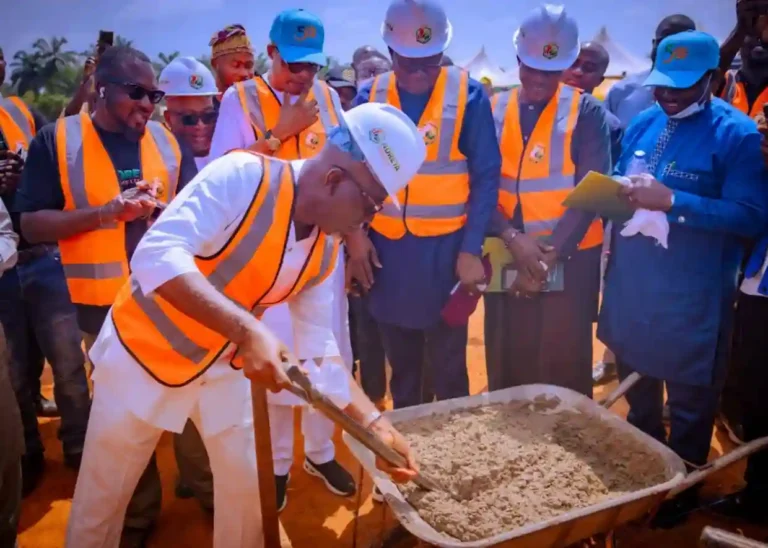
The State Governor, Dr Lucky Orimisan Aiyedatiwa, made this known during the groundbreaking ceremony of Noreta Farms, a technology-driven agribusiness initiative located at Owena-Idanre, off the Akure–Ondo Road.

According to the governor, the declassification of the land is aimed at deepening agricultural investment, expanding employment opportunities and positioning Ondo State as a hub for industrial-scale farming.

Describing the event as more than a ceremonial activity, Governor Aiyedatiwa said it symbolised planting trust, sowing innovation and laying the foundation for the prosperity of the people of Ondo State.

He explained that the land declassification is part of a deliberate strategy by his administration to attract private sector investment and modernise agriculture across the state.

“This initiative is designed to transform agriculture from a subsistence activity into a viable, export-oriented, wealth-creating sector,” he said. “It will create jobs, empower youths, and strengthen Ondo State’s economy.”

The governor commended Noreta Farms Limited for choosing Ondo State as the location for its high-tech, closed-environment agribusiness project, describing the initiative as a model of modern, precision agriculture that aligns with the state’s economic policies.

“In choosing Ondo State for this project, you have reaffirmed the status of our Sunshine State as a fertile, peaceful and secure environment with a sound and stable economic climate,” he said.

“Projects like Noreta Farms demonstrate how technology-driven agriculture can generate employment, develop skills, and deliver sustainable economic value for our people,” Governor Aiyedatiwa added.

He further stated that the state government has created an enabling environment for investors through its OUR EASE policy thrust, which provides policy clarity, infrastructure support, ease of doing business, and security of lives and property.

The governor stressed that Ondo State has strengthened its security architecture, enhanced intelligence-led operations and encouraged collaboration between security agencies and local communities to ensure a safe and stable investment climate.

“These efforts are deliberate, sustained, and yielding results, because investment flows where safety is assured and confidence is guaranteed,” he said.

Speaking on the administration’s focus on value addition in agriculture, Governor Aiyedatiwa noted that the state is promoting agriculture as innovation, enterprise and industry.

“We are promoting agriculture as innovation, enterprise, and industry. When policy, technology, and private capital converge, development becomes inevitable,” he stated.

He identified agriculture as one of Ondo State’s greatest comparative advantages, noting that the government’s vision goes beyond traditional farming methods.

The governor also highlighted achievements recorded under the Climate Smart Agriculture (CSA) programme, stating that Ondo State has become a major supplier of tomatoes to Lagos State.

He explained that CSA is designed to sustainably increase agricultural productivity, enhance resilience and reduce greenhouse gas emissions.

According to him, investors such as JB, Saudit Farms, Tropic, SAO Farms, Bambi Palms, ACME Farms and Bola Oil are already engaged in oil palm production on the declassified lands, contributing significantly to job creation and the reduction of unemployment in the state.

Governor Aiyedatiwa described the Noreta Farms project as a practical demonstration of the state’s policy direction.

By establishing a commercial-scale, precision greenhouse farm, he said the project is expected to provide jobs, transfer skills to youths and open new markets, with economic benefits extending beyond the immediate host community.

He added that the project aligns with his administration’s commitment to economic diversification, food security, youth empowerment and export-oriented agriculture.

The governor urged more investors to take advantage of the opportunities created by the state government.

In his welcome address, a member of the Board of Directors of Noreta Farms, Pelumi Olajengbesi, said the decision to locate the project in Ondo State followed a careful assessment of government support, security and the enabling environment for private sector participation across the southwest.

“Noreta Farms is leading innovation in farming today in Nigeria and it is our desire to see that this company contributes towards food security and development in the country,” Olajengbesi said.

He stated that the project is designed to thrive in Ondo State due to the supportive business environment provided by the state government.

Olajengbesi commended the leadership of Governor Aiyedatiwa for facilitating the project, describing the administration’s support as instrumental to its success.

“This project will bring development for our people. It will create employment opportunities and stimulate growth in the state,” he said.

He added that the initial phase of the project would cover 15,000 hectares under Precision Green Farming, also known in the United Kingdom as closed-environment farming.

Olajengbesi further disclosed that the long-term vision of Noreta Farms is to establish the largest market farm in West Africa, leveraging the strategic support of the Ondo State Government.

Also speaking at the event, a consultant, Samuel Bagnor, expressed appreciation to the governor for trusting the company and selecting it as the technological partner for the project.

He thanked the state government for the confidence reposed in the firm and assured stakeholders of the project’s success.

Among dignitaries present at the ceremony were the Secretary to the State Government, Dr Taiwo Fasoranti; Chief of Staff, Prince Segun Omojuwa; Commissioner for Agriculture and Forestry, Engr. Leye Akinola; Commissioner for Culture and Tourism, Hon. Adesoji Afolabi; Commissioner for Physical Planning and Urban Development, Hon. Sunday Olajide; Special Adviser to the Governor on Communication and Strategy, Barr. Allen Sowore; Chairman, SUBEB, Rt. Hon. Victor Olabimtan; Director-General, OSRC Media Group, Mr Kenneth Odusola-Stevenson; Ondo State Commissioner of Police, CP Adebowale Lawal; and the State Commandant of NSCDC, Commandant Oluyemi Ibiloye, among other senior government functionaries.

Tracka report exposes incomplete and abandoned govt projects nationwide

0

Tracka, BudgIT’s service delivery promotion platform, has released its 2024/2025 project tracking report, showing that many government-funded projects across Nigeria remain incomplete, abandoned, or impossible to trace despite approved budgets and released funds. Tracka allows citizens to collaborate, track, and give feedback on public projects in their communities, and the latest findings point to serious gaps between public spending and real development.

According to the report, Tracka monitored 2,760 projects across 28 states during the 2024/2025 reporting cycle. The monitoring revealed that 1,438 projects were completed, 99 were abandoned, 660 were still in progress, 471 were not done at all, and 92 were classified as fraudulently delivered. These fraud cases included diversion of project funds or locations, payments for projects completed in earlier budget cycles without fresh work, partially executed projects, and poorly delivered outcomes.

The report showed that the highest cases of fraudulently delivered projects were recorded in Imo at 17.43 percent, Lagos at 12.73 percent, Kwara at 11.76 percent, Abia at 10.67 percent, and Ogun at 8.33 percent. Together, these five states accounted for 57.1 percent of all fraud-related projects tracked. The report added that these projects represented N8.61 billion out of the total N15.07 billion disbursed for projects in this category.

Tracka explained that beyond general tracking, the report also involved targeted monitoring of strategic infrastructure to assess broader development impact. This focused approach covered dam projects, revitalised primary healthcare centres, and federally funded projects in the Niger Delta. The aim, according to the platform, was to better understand how public investments translate into visible benefits for citizens.

Following repeated national grid collapses recorded in 2024, Tracka placed special attention on dam-related projects across 13 states, with a combined value of N432 million. The report noted that dams are vital for water management, irrigation, and power generation, and weak oversight in this area can affect energy supply, food production, and economic stability. Out of 16 dam projects tracked, none had been completed at the time of assessment. Four projects were abandoned, six were progressing slowly, and six had not started despite funds being released.

Primary healthcare access was another major focus of the report. Tracka tracked 47 revitalised primary healthcare centres across 25 states. Findings showed that 26 centres had visible improvements in infrastructure or equipment, 12 were under renovation, eight had no intervention despite being listed as revitalised, and one facility was completely abandoned. In communities with neglected centres, residents continued to travel long distances for care while dealing with poor staffing, weak sanitation, and inadequate equipment.

The report also noted that limited public disclosure of disbursement data made it difficult to determine whether delays were caused by funding gaps, contractor inefficiency, or weak supervision. In the Niger Delta, Tracka monitored 48 federally funded projects across Akwa Ibom, Cross River, Delta, and Rivers states. While 29 projects were completed and delivered measurable benefits, 13 had not started, four were ongoing, and two were untraceable despite confirmed funding.

Despite the challenges, the report highlighted 15 success stories linked to citizen engagement. These included the revitalisation of Kaida Sabo Primary Healthcare Centre, renovations at Nawairudeen Primary School in Plateau State, completion of a previously stalled healthcare centre in Ikirun, empowerment programmes for persons with disabilities in Katsina, erosion control projects in Rivers State, and borehole projects that improved access to clean water in Akwa Ibom.

Commenting on the findings, the Head of Tracka, Joshua Osiyemi, stressed the importance of citizen oversight. “The 2024/2025 Tracka report confirms what we have long known. Allocation of funds does not guarantee project delivery. Citizen oversight is not optional; it is essential,” he said. He added that Tracka monitored 11.2 percent of budgeted projects, representing 2,760 out of 24,553 projects under ERGP+ZIP, and noted that wider citizen participation could significantly reduce corruption and improve service delivery.

The report called on the federal government to publish detailed project information, release timely disbursement data, strengthen supervision, and prioritise projects with clear social impact. It also urged state governments to treat federal allocations as development tools rather than patronage funds, while encouraging anti-corruption agencies to act preventively and close systemic loopholes. Citizens were advised to visit project sites, document progress, and use civic platforms like Tracka to support grassroots accountability.

The full report is available at https://www.yourtracka.org/ng/documents

TVET trainees to be posted closer to home as FG registers more centres

0

More Technical and Vocational Education and Training (TVET) trainees may soon be posted closer to their places of residence as the federal government moves to register additional training centres, in addition to the 1,600 centres already approved nationwide. The development follows widespread complaints by trainees over long travel distances and the impact on their ₦22,500 monthly stipend.

TVET trainees have taken to social media, particularly Facebook groups created for the programme, to express frustration over being posted to centres far from their homes. Many complain that daily transportation costs consume most of the stipend meant to support them during training.

Some trainees said they spend thousands of naira daily on transport, while others disclosed that the distance forced them to reject their TVET approvals via the portal dashboard.

The TVET programme, coordinated under the Federal Ministry of Education, is designed to provide tuition free technical and vocational skills training to young Nigerians, alongside a monthly stipend to support participation. The goal is to equip trainees with practical skills for employment and self reliance. However, distance to assigned centres has emerged as a major challenge during implementation.

Several trainees say the long commute affects punctuality and attendance, with some missing sessions entirely due to transport costs. Others noted that relying on family support defeats the purpose of the stipend. The complaints have intensified calls for the government to decentralise training locations and ensure trainees are matched with centres closer to their homes.

According to programme information, the federal government has already approved about 1,600 accredited TVET training centres across the country. These centres include federal and state technical colleges, vocational enterprise institutions, and private skills acquisition centres that meet required standards. Authorities have now begun registering additional centres to expand coverage and improve access.

Expanding the number of centres is also aimed at improving course completion. Programme guidelines show that TVET training follows structured curricula regulated by relevant bodies, with emphasis on hands on learning and industry relevant skills. Reducing travel distance is expected to lower dropout rates linked to fatigue, cost, and irregular attendance.

The TVET framework also includes completion focused incentives such as recognised certification and, in some cases, starter packs or take off support loan and grant after training. These measures are designed to keep trainees engaged until the end of their programmes and help them transition into work or self employment.

As registration of new centres in 2026 continues, postings are expected to increasingly consider proximity to trainees’ residences. Stakeholders say the adjustment reflects lessons from early implementation and is intended to ease financial pressure, improve participation, and ensure trainees can complete their training without avoidable hardship.