Home Blog Page 123

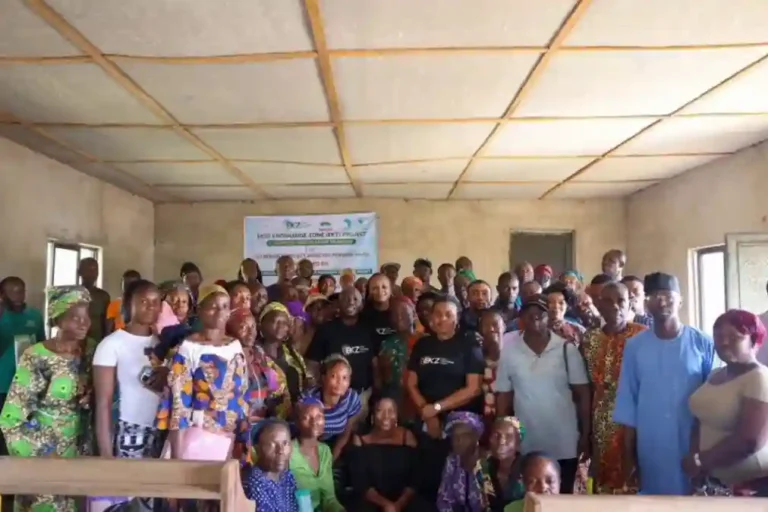
Ekiti Begins Livelihood Training for 97 EKZ Project Affected Persons

Ekiti State Government has commenced a two-day Livelihood Restoration Training for 97 identified vulnerable Project Affected Persons (PAPs) impacted by land acquisition for the Ekiti Knowledge Zone (EKZ) Project. The programme forms part of efforts to address the social and economic impact of the project on host communities.

The training followed the payment of ₦1.4 billion as compensation to Project Affected Persons in June 2025 under the Resettlement Action Plan (RAP) for the Ekiti Knowledge Zone, funded by the (AfDB). Officials said the compensation and training are designed to provide support beyond financial payouts.

Speaking during the programme, the RAP implementation Consultant, Dr. Oliver Nwuju, described the livelihood restoration programme as a critical phase aimed at strengthening resilience and improving long-term income opportunities for vulnerable households. He said the initiative focuses on practical support that helps beneficiaries adjust to changes caused by land acquisition.

Dr. Nwuju explained that the training was designed to enhance existing livelihoods, improve financial literacy, promote cooperative development, and link beneficiaries to emerging economic opportunities within the EKZ ecosystem. He noted that these steps are expected to help participants rebuild income sources.

He added that beneficiaries span multiple vulnerable categories, including tenant farmers, hunters, women engaged in oil palm processing and petty trading, as well as other persons affected by land acquisition and displacement linked to the project.

In her remarks, the Project Coordinator, Ms Lolade Olutola, who spoke through the Environmental Safeguards Expert in charge of the project, Mr. Ayodele Aluko, assured the Project Affected Persons of inclusivity and transparency in project implementation.

Reiterating the commitment of administration to strict adherence to Local Content Law, Ms Olutola pledged to ensure that all qualified community members are engaged in both direct and indirect employment opportunities generated by the throughout its development phases.

She also assured that all stakeholders, including farmers, hunters, and oil palm processors who were originally operating within the EKZ project site, would benefit from stipends and livelihood support. She said, “the Ekiti Knowledge Zone is a flagship development initiative aimed at positioning the state as a hub for innovation, research, technology, and enterprise combining infrastructure development with social safeguards to ensure that host communities are active beneficiaries of progress.”

Advertisement

Apply: FG TVET Training Centre 2026 (N45,000 per trainee)

0

The federal government has opened an application portal for training centres to apply as trainers under the Technical and Vocational Education and Training (TVET) programme for 2026. Training centres interested in participating are required to obtain accreditation from the National Board for Technical Education (NBTE) before applying through the official portal.

The registration portal is currently open and accepting applications from interested centres. Nigeria Startup News can confirm that the portal is active and receiving submissions from new applicants across the country.

Applications for TVET training centres are ongoing, and only businesses registered with the Corporate Affairs Commission (CAC) are eligible to apply for accreditation. Trainers engaged under the TVET initiative will receive N45,000 per student every month. The programme is open to Skill Training Centres (STCs), Vocational Enterprise Institutions (VEIs), and Mastercraft Persons (MCPs) seeking accreditation.

To become accredited by the National Board for Technical Education (NBTE), applicants are required to meet specific criteria based on their training category. These requirements differ for VEIs, STCs, and MCPs.

For VEIs, applicants must provide proof of CAC registration and use NSQ-based curricula. Each trade must have at least one qualified instructor, maintaining a 1:40 instructor-to-student ratio. VEIs are also required to have at least one Quality Assurance Assessor (QAA) and one Internal Quality Assurance Manager (IQAM) per trade, which can be part-time. Physical facilities such as workshops, offices, classrooms, and restrooms are required, alongside documented evidence of previous training programmes and certifications.

STCs must be registered with the CAC and use NSQ-based curricula. Each programme must have at least one qualified instructor or senior artisan with NSQ Level 3 certification. STCs are also expected to have at least one QAA and one IQAM per trade, adequate technical and support staff, essential training facilities such as workshops and restrooms, and records showing previous training activities.

For MCPs, applicants must provide either CAC registration or a National Identification Number and use NSQ-based curricula. Each programme must have at least one qualified artisan, with a ratio of one junior artisan to every five trainees. Workshops, restrooms, and proof of prior training and skills delivery experience are also required.

After completing the application, applicants are to save their User ID for future login access. Only one application is permitted per applicant.

To apply, interested trainers can visit the NBTE TVET portal at www.digitalnbte.nbte.gov.ng/TVET/TVETApplication2.

NDE, NAWE to Drive Women Skills and Enterprise Growth

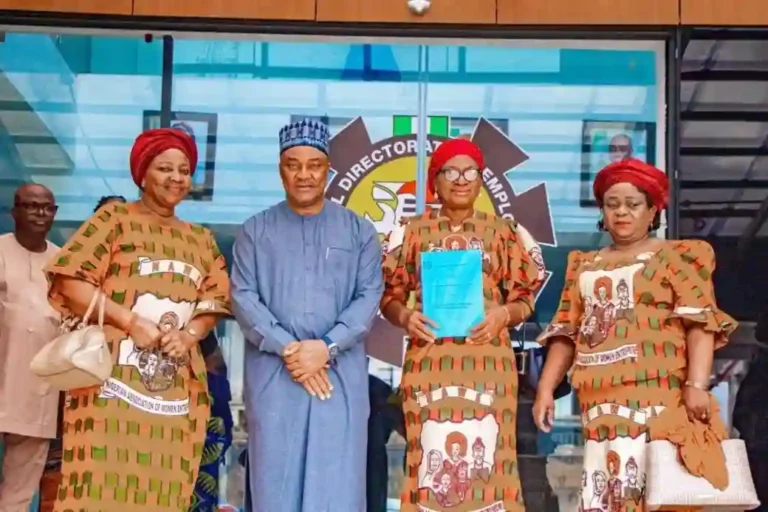
The National Directorate of Employment (NDE) and the Nigerian Association of Women Entrepreneurs (NAWE) have signed a Memorandum of Understanding to promote skills acquisition, women empowerment, training, and mentorship.

The signing ceremony took place at NDE Headquarters, with the Director General of NDE, H.E Silas Ali Agara, and NAWE delegates in attendance.

The partnership aims to boost women-led enterprises and economic development. According to the Director Small Scale Enterprises of NDE, Hajia Amina-Lewa Abba Shettima, the collaboration will focus on “skills acquisition, training, and mentorship” over a two-year period to support sustainable growth nationwide for women entrepreneurs across Nigeria effectively.

Read also: TVET Trainees to Undergo Biometric Verification Before Stipend Payment

TVET Trainees to Undergo Biometric Verification Before Stipend Payment

0

The Federal Government has directed all Technical and Vocational Education and Training (TVET) trainees to complete biometric attendance verification at their training centres before they can be paid monthly stipends of N22,500.

All training centres are also expected to comply and commence full enforcement of biometric attendance verification across all states to strengthen transparency, accountability, and effective service delivery.

Nigeria Startup News reports that biometric enforcement began from 1 February 2026, following a circular issued in December 2025 directing all TVET training centres to procure and deploy biometric attendance systems for real-time monitoring. The Ministry of Education (FME) states unequivocally that biometric verification is now the sole approved method for validating attendance under the TVET Programme.

All monthly stipends to trainees and payments to training centres are now processed strictly on the basis of verified biometric attendance records. Any training centre that fails to comply will not be eligible for payment of N45,000 per trainee, and affected trainees will forfeit their N22,500 stipends.

Training centres that fail to comply will be removed from the programme, while affected trainees will be redeployed to another compliant centres.

TVET biometric verification is now mandatory and non-negotiable, as it safeguards public funds and ensures programme benefits reach intended beneficiaries.

The TVET FME remains committed to strengthening the integrity of the TVET programme in 2026 to empower Nigerian youth and drive national development.

Beneficiaries to get N200,000 each as Yobe launches empowerment programme

0

The Yobe State Government has begun a large-scale financial and empowerment intervention, with the State Emergency Management Agency confirming that each beneficiary from Mallam Dunari will receive N200,000 after completing approved business training, as part of a broader recovery and education support programme.

Yobe State Governor, Mai Mala Buni, on Tuesday launched the initiative at the Government House in Damaturu, describing it as an effort to support women, girls and displaced persons across the state.

According to the governor, the initiative provides cash incentives to 32,382 schoolgirls, micro-enterprise grants to 1,500 beneficiaries, and vocational empowerment materials to 340 women. Buni said over N1.2bn was allocated to the programme, which was developed in partnership with the World Bank in 2024 under the Adolescent Girls Initiative for Learning and Empowerment programme.

“This project aligns with our focus on education as a foundation for development, and it requires sustained funding and supervision,” Buni said.

He said his administration has introduced reforms in the education sector, including recruitment and training of teachers, rehabilitation of more than 5,000 classrooms, construction of 13 mega and model schools, and payment of WAEC and NECO fees for final-year students.

Buni said the government established nine senior girls’ day secondary schools to reduce dropout rates and support the transition of female students to senior secondary education.

Also launched was the disbursement of N300m in micro-enterprise grants to 1,500 beneficiaries from Mallam Dunari, a displaced community in Gujba Local Government Area. Buni said the support was designed to rebuild livelihoods affected by insecurity.

“This intervention is part of our recovery and stabilisation efforts for communities affected by insurgency and economic disruption,” the governor said.

The State Emergency Management Agency said beneficiaries from Mallam Dunari would receive N200,000 each after completing business training tied to the programme.

In Gujba Local Government Area, the governor said the state has invested in agriculture and infrastructure, including healthcare facilities, water supply projects and solar-powered streetlights in Goniri community.

The Ministry of Women Affairs also empowered 340 women with equipment and materials to support small-scale pastry businesses. “To the beneficiaries, I urge you to make proper use of these resources,” Buni said.

The AGILE State Project Coordinator, Abdullahi Bula, said the cash transfers were targeted at 32,382 girls from economically disadvantaged households across the state.

Nigeria’s Agri-Food Sector Near One-Third of Jobs

Nigeria has about 35% of its jobs in primary agriculture and 33% in off-farm agri-food activities, according to recent analysis of Africa’s agri-food systems. This split shows that Nigeria’s food economy now stretches well beyond farming into processing, transport, storage, marketing, retail, and food services, making the sector a major source of employment and income.

Across the continent, Africa’s agri-food system already provides about two-thirds of all jobs. Half of Africa’s population depends on primary agriculture for their livelihood, and when food marketing, transport, processing, and retail services are included, the agri-food system accounts for roughly two-thirds of total employment. The assessment was shared in a blog marking 15 years of the Africa Development Forum (ADF) book series co-published by the World Bank and the Agence Francaise de Developpement.

The blog notes that Africa has strong agricultural potential, with regions that combine suitable water, soil, and land resources that could support highly productive food systems if backed by the right policies and investments. However, agricultural development since the ADF Series launched in 2009 has delivered mixed results. Between 2010 and 2023, agricultural gross output grew by 3.1% annually, but about three-quarters of that growth came from land expansion rather than productivity gains, a path described as unsustainable and environmentally costly.

Performance has varied widely across countries. Senegal recorded agricultural growth of 7.7% per year over 2010–2023, while most countries grew at under 2% annually. This contrasts with other developing regions where productivity growth is the main driver of agricultural expansion.

Demand-side changes are also reshaping the sector. Rising incomes and rapid urbanisation are increasing demand for diverse foods and food services. Employment in midstream and downstream agri-food activities grew by 4.1% per year between 2001 and 2022, faster than overall employment growth of 2.6% per year, and by 2022 these activities accounted for 19% of all jobs in Africa.

Labour patterns have shifted over time. In 2000, about 60% of Africa’s workforce was engaged in primary agriculture and 13% in mid and downstream agri-food activities. By 2022, primary agriculture’s share had fallen to 49%, while off-farm agri-food employment had risen to 19%. At country level, the size of the off-farm agri-food sector is linked to how commercialised agriculture and agricultural trade are.

Nigeria is cited as an example of this transition, with nearly as many jobs off the farm as on it. In contrast, the Democratic Republic of Congo has only 5% of jobs in off-farm agri-food activities, while 56% of employment remains in primary agriculture.

The blog warns that weak productivity growth could widen Africa’s food import bill. Africa is already a major net food importer, with 75% of Sub-Saharan Africa’s wheat and 50% of domestic rice supply imported in 2022. Closing productivity gaps is underway in countries such as Ethiopia, Rwanda, Ghana, and Senegal, supported by public investments and policy reforms.

Evidence from the 2017 ADF book Agriculture Public Spending in Sub Saharan Africa shows that better-quality public spending can deliver large gains. Investments in rural public goods, water access, markets, and improved technologies can be significant, alongside trade and regulatory reforms that attract private investment.

Examples of successful value chains include Côte d’Ivoire’s cashew industry, Kenya’s cut flower exports, and Nigeria’s aquaculture sector, where farmed fish harvests grew more than tenfold between 2002 and 2014, underscoring agriculture’s role in jobs and growth. The blog adds that agribusinesses can work with farmers to finance upgrades, improve practices, and guarantee markets, helping turn agriculture into a stronger engine for inclusive, poverty-reducing growth as fiscal resources across African countries become increasingly constrained. These steps are presented as timely policy priorities.

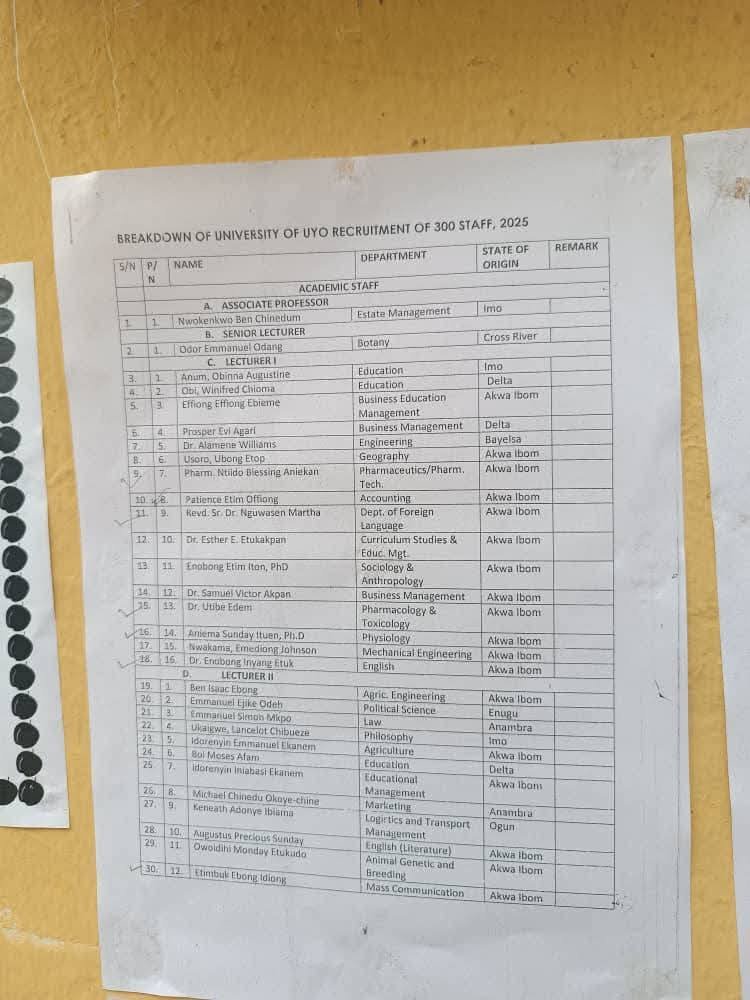
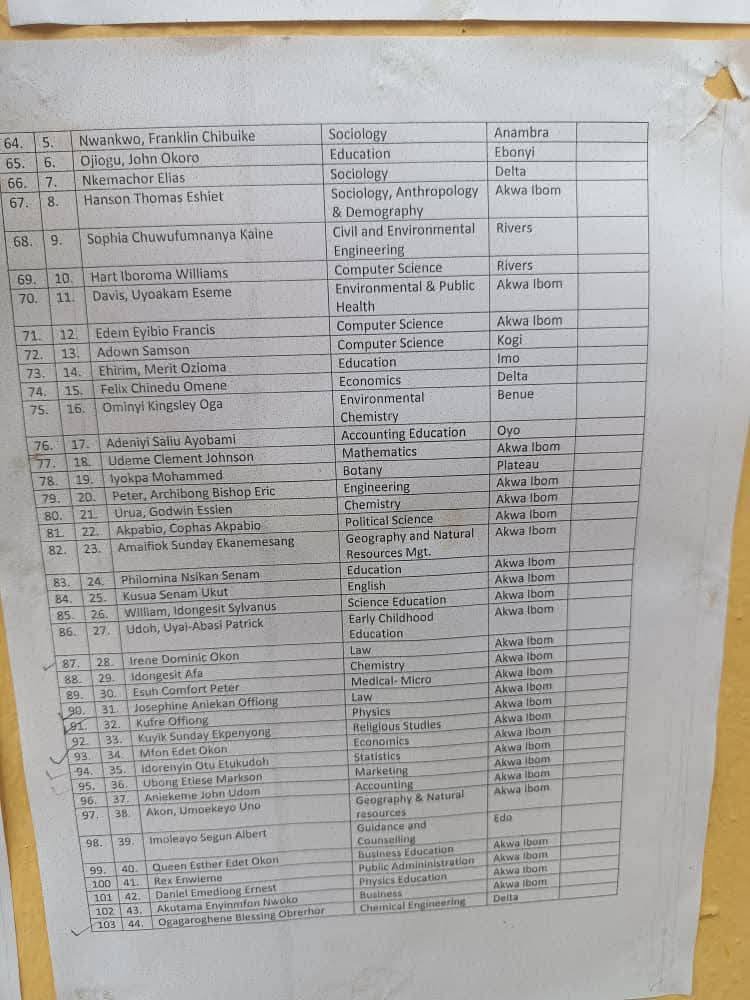
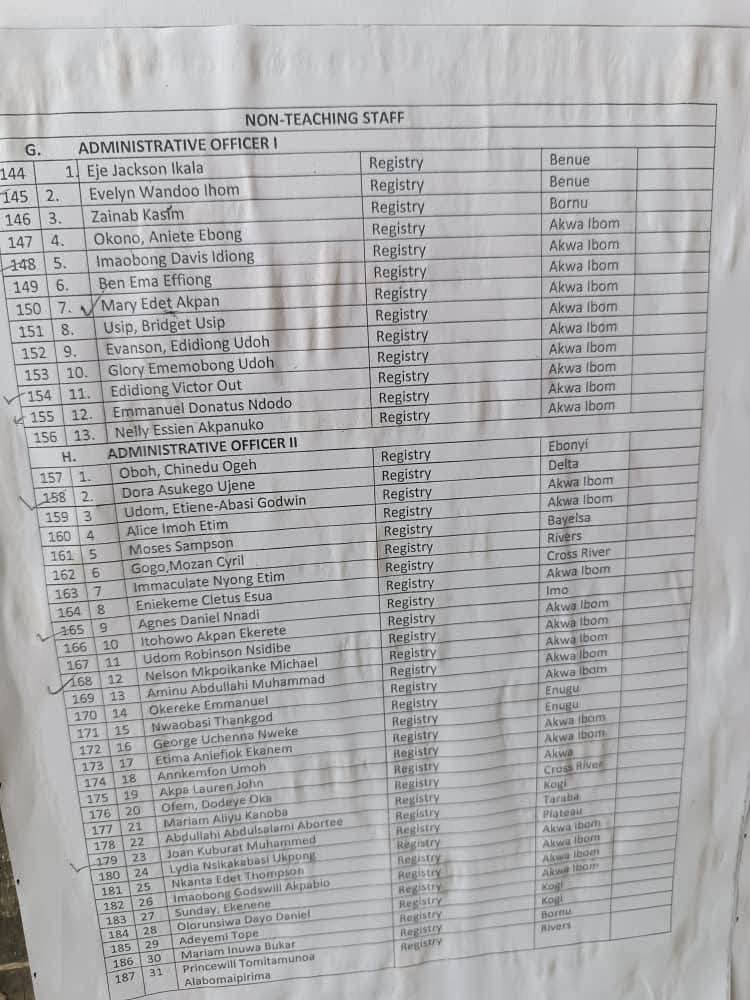
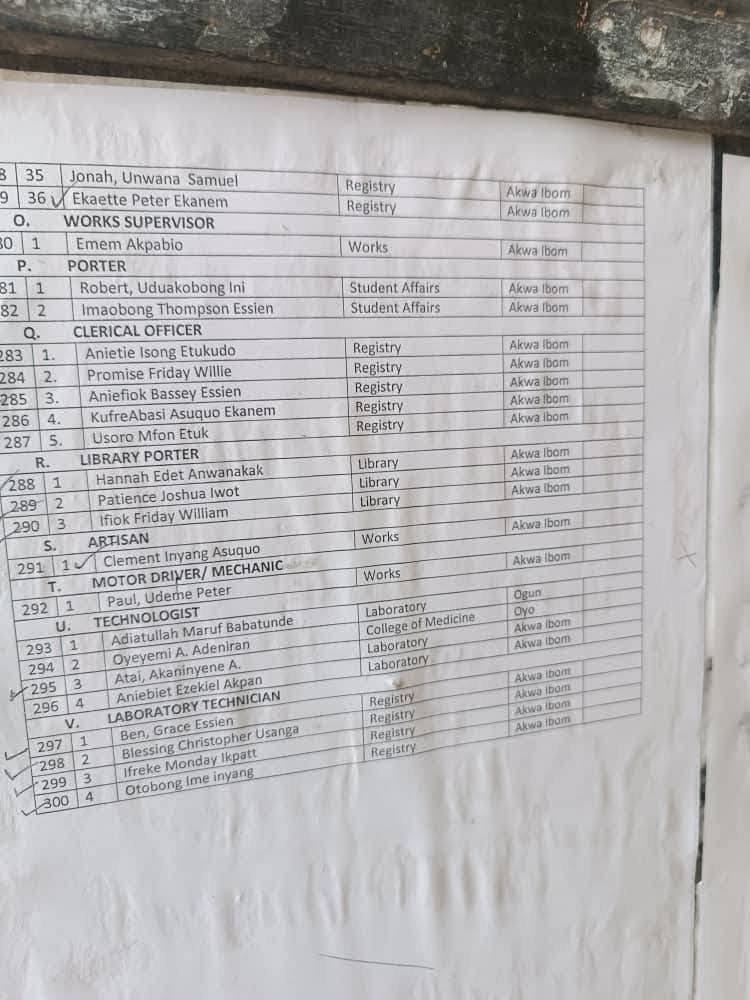
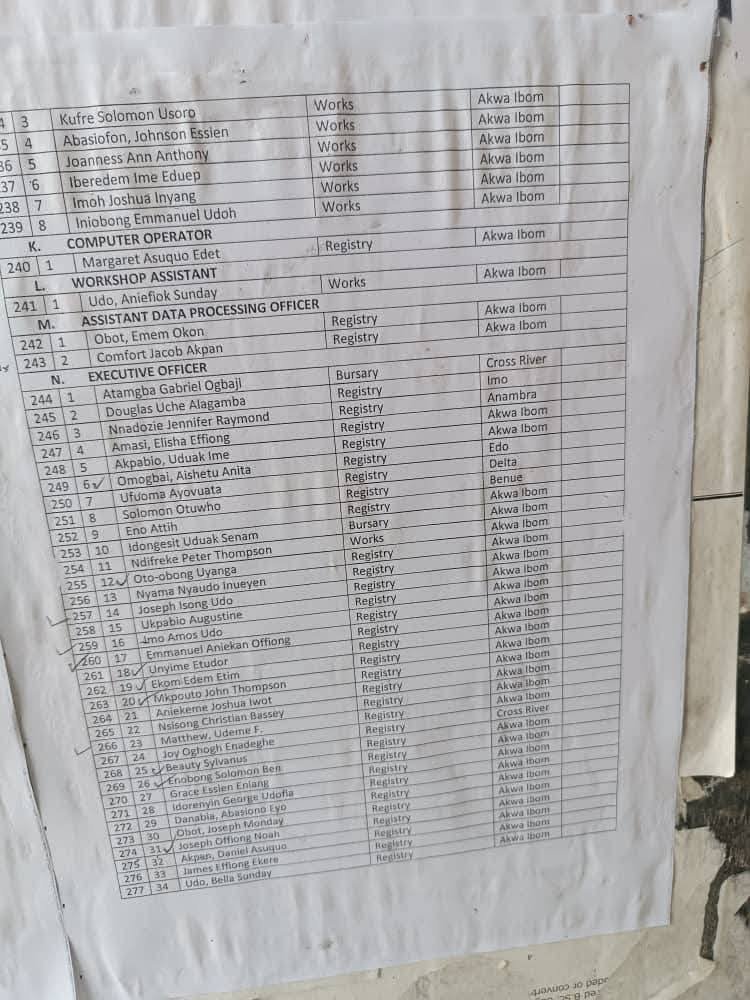
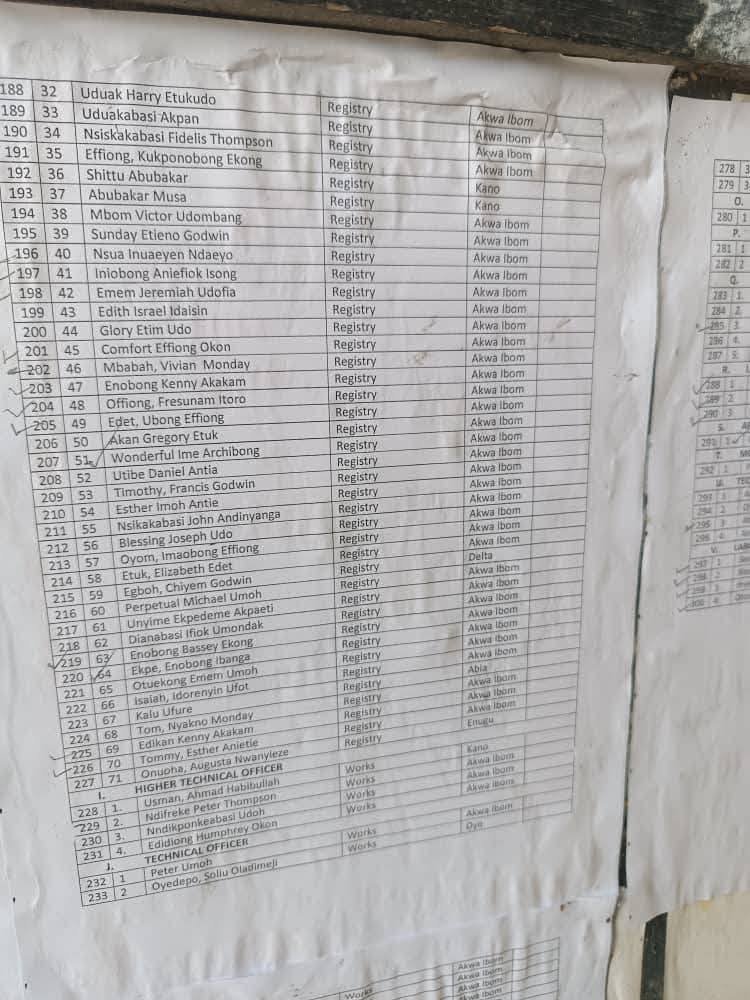
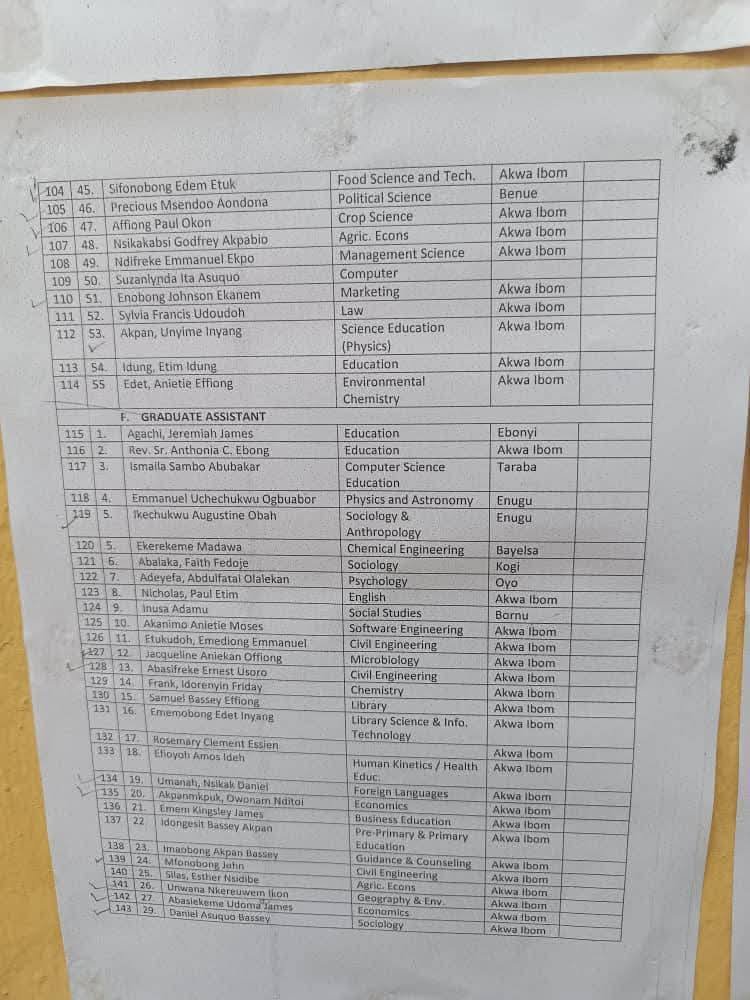
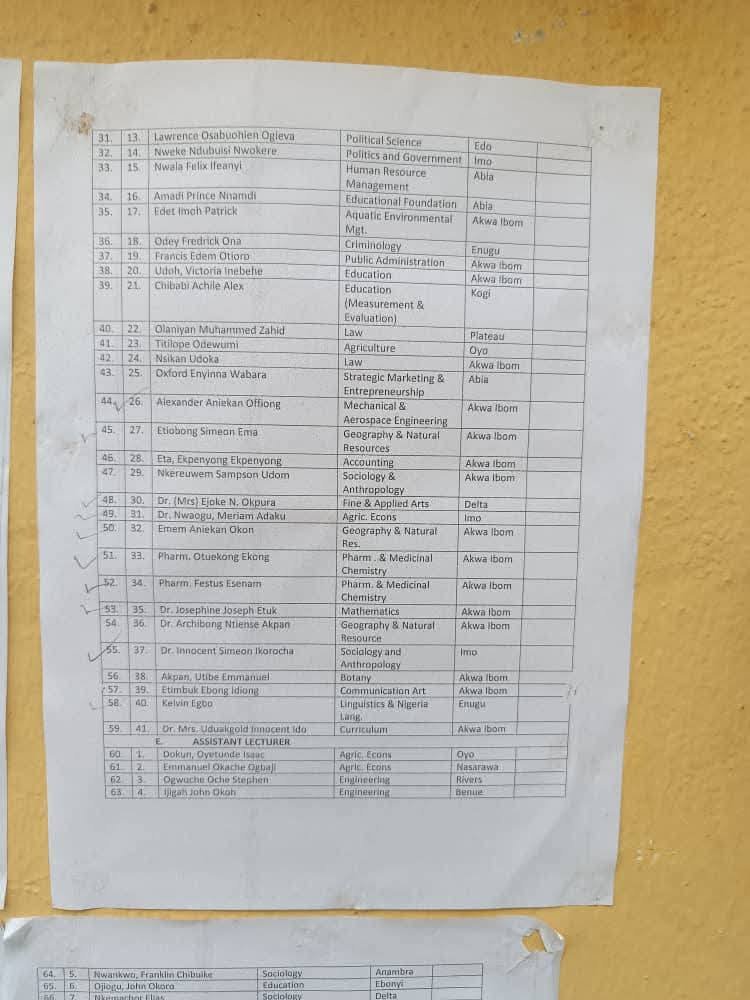
Check: UNIUYO 2025 List of Shortlisted Candidates for Recruitment

The University of Uyo (UNIUYO) has released the shortlisted candidates list for its 2025 recruitment exercise. A total of 300 successful applicants have been shortlisted across academic staff and non-teaching staff positions.

The shortlist covers various departments and units, reflecting the institution’s ongoing effort to strengthen its workforce. Candidates are advised to carefully check their names and prepare for the next stage of the recruitment process as communicated by the university.

To check Uniuyo shortlisted names, carefully go through the official list below:

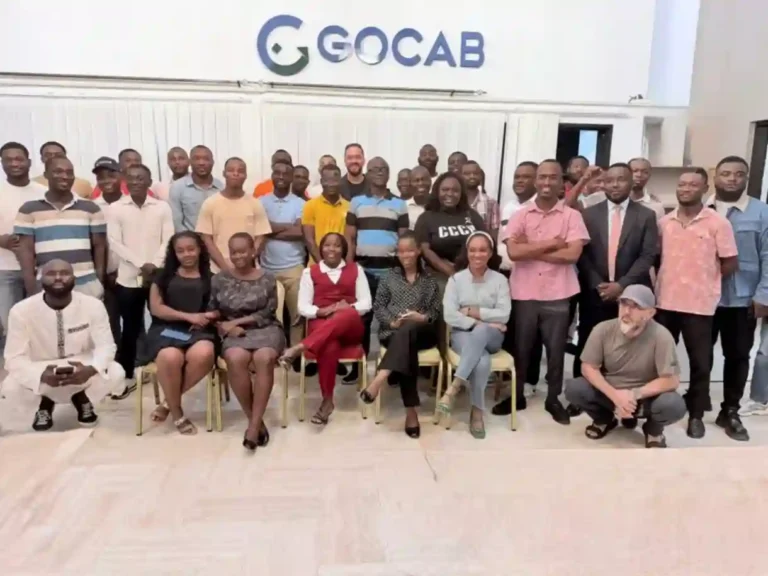
GoCab Raises $45m as Drive to Own Model Hits $17m Annual Revenue

GoCab, a mobility focused fintech that supports ride hailing and delivery drivers through a drive to own vehicle financing model, has raised 45 million dollars in new funding as it reports growing revenue and expanding operations across several markets. The company said it is now generating 17 million dollars in annual recurring revenue, describing the figure as proof that its business model is gaining traction among drivers and investors.

The seed round includes 15 million dollars in equity and 30 million dollars in debt, placing GoCab’s post money valuation at 51 million dollars. The round was led by E3 Capital and Janngo Capital, with participation from KawiSafi and Cur8 Capital. GoCab said the funding will support fleet growth, technology development, and operational expansion.

GoCab allows drivers to acquire brand new vehicles that they can fully own within three years through daily payments. The model is similar to that used by Moove, which the founders said influenced their approach. Drivers use GoCab’s app to make payments and track their progress toward ownership.

The company currently operates two pricing models. Under the short term rental option, drivers rent a vehicle for seven days but are only charged for five days. Under the drive to own option, drivers pay a higher daily amount that contributes directly to eventual ownership rather than simple rental use.

GoCab began operations in Abidjan, Côte d’Ivoire, where it said it has financed more than 1,000 vehicles. It also operates in Senegal and Chile and recently launched in Morocco. The company said it is considering Nigeria and Ghana but is still developing a working expansion playbook.

Co founder Azamat Sultan said GoCab has more than 5,000 drivers on its waitlist. He said the company’s near term objective is onboarding as many drivers as possible while expanding further across Africa. Sultan said demand remains strong across active markets.

GoCab said it has focused on profitability from the outset, shaping how it runs operations. One example is sourcing vehicles directly from manufacturers instead of dealers to avoid markups and improve pricing for drivers.

The company maintains an in house team of more than 60 mechanics handling repairs and maintenance. Sultan said keeping maintenance in house reduces “margin leakages” and helps control repair timelines that could disrupt drivers’ work.

Beyond leasing, GoCab said it earns revenue from maintenance services and spare parts. It sources parts directly from OEMs in China because the vehicles it provides are not widely used locally.

GoCab said many activities are conducted through licensed partners because it does not yet hold a regulatory licence. It plans to obtain the appropriate licence to operate more independently and offer more credit products.

On its roadmap, GoCab said it plans to introduce buy now pay later services for drivers for items like phones or fuel. It is also testing health insurance for drivers through a partner.

The company said it initially allowed drivers to get cars without deposits but later changed the policy. Sultan linked the change to costs incurred after driver infractions.

In a statement, Janngo Capital Founder and Executive Chair Fatoumata Bâ said the financing gives GoCab the scale to deploy “thousands of productive vehicles” and pointed to a roadmap toward 10,000 active assets and 100 million dollars in recurring revenue.

Separately, GoCab said it is in talks to raise an additional 60 million dollars in Sharia compliant debt. It said 30 million dollars has been raised so far from investors including Cur8 and Cumberland, with discussions continuing.

GoCab’s founders, Sultan and Hendrick Ketchemen, previously planned to launch a private credit fund focused on Africa but pivoted after concluding the market was not large enough. Both have backgrounds in investment management.

As it expands, GoCab said it localises operations and messaging. In Senegal, it switched onboarding to Wolof after finding French onboarding ineffective, saying nearly 70 percent of drivers did not fully understand the value proposition before the change.

GoCab said transparency helps reduce abuse risks linked to drive to own schemes. Sultan said reducing “information asymmetry” strengthens relationships over the three to four year term, adding that operating in a Sharia compliant manner provides an extra guardrail. The company said these measures are important for building long term trust, supporting driver income stability, and ensuring the sustainability of its vehicle financing model across different operating environments going forward

ISN unveils 2027 roadmap to scale 120 startups and create 10,000 jobs

The Innovation Support Network has unveiled a strategic roadmap aimed at redefining the role and impact of innovation hubs across Nigeria by the fourth quarter of 2027, with targets to scale 120 innovative businesses, create more than 10,000 jobs, and secure $3 million in follow-on funding.

The announcement was made at ISN’s Lagos Hubs Meetup, held at the Cedar STEM & Entrepreneurship Hub in Yaba, Lagos, where innovation hub managers, startup founders, policymakers, and ecosystem partners gathered to discuss the future of Nigeria’s innovation ecosystem.

Speaking in a statement issued on Sunday, Chairman of ISN, Hanson Johnson, said the roadmap is designed to build a stronger innovation environment. “We want to build a globally competitive, inclusive, and investment-ready ecosystem where innovation hubs collaborate seamlessly, startups and SMEs scale sustainably, and public policy supports enterprise growth and economic transformation. Our hubs are no longer just physical spaces; they are the engines driving economic resilience and technological advancement across the country,” he said.

Johnson explained that the 2027 Strategic Roadmap is built on five core pillars that will reshape how innovation hubs operate nationwide. A major focus of the plan is entrepreneurship scaling, with ISN committing to support 120 innovative businesses by providing access to mentorship, networks, and tools required to move from early ideas to market leadership.

Job creation is another key goal of the roadmap. According to Johnson, ISN aims to facilitate the creation of over 10,000 direct and indirect jobs, strengthening Nigeria’s workforce and expanding opportunities across multiple sectors.

Funding sustainability also features strongly in the plan. “Perhaps most significantly, ISN has set its sights on securing $3 million in follow-on funding for these businesses within a five-year window to ensure their long-term sustainability,” he stated.

The roadmap also emphasizes talent development. ISN plans to train 30,000 Nigerians in relevant digital skills and connect 10,000 of them to meaningful employment opportunities. Johnson said the network is focused on long-term impact. “This year, we aren’t just looking at the months ahead; we are setting our sights on a transformative milestone,” he said.

To drive these initiatives, ISN disclosed plans to secure at least N300 million in dedicated funding for its core programmes to support nationwide implementation efforts.

In the first quarter of 2026, ISN will roll out key initiatives, starting with the Nigerian Innovation Hub Assessment Report. The report is supported by GIZ and co-funded by the European Union, and it examined more than 190 innovation hubs nationwide, reviewing legal structures, organizational models, sector focus, and business operations.

“Innovation hubs play a pivotal role in fostering entrepreneurship, stimulating economic growth, and supporting emerging businesses and freelancers. However, they face significant obstacles, including limited access to advanced infrastructure, constrained funding, and gaps in capacity-building initiatives. This assessment will help us address these challenges systematically,” Johnson noted.

The assessment offers comparative insights with innovation hubs in other African countries and maps Nigeria’s ecosystem, providing data to guide policy actions and funding decisions for stakeholders.

Alongside the report, ISN is piloting an Audit and Certification Framework for Innovation Support Organizations, also backed by GIZ and co-funded by the EU. “The framework introduces a tiered certification system—Foundational, Standard, and Advanced—designed to assess the maturity, credibility, and impact of Entrepreneurship Support Organizations and Innovation Support Organizations operating in Nigeria,” Johnson explained.

The initiative is to improve coordination, trust, and performance across Nigeria’s innovation support landscape.

Tinubu Calls for Global Energy Partnerships at Nigeria International Energy Summit

0

President Bola Ahmed Tinubu has restated Nigeria’s readiness to collaborate with African nations, global partners, and the private sector to deliver cleaner, affordable, inclusive, and more secure energy, stressing that energy remains central to peace, prosperity, and global stability.

The President made this known on Tuesday in Abuja while declaring open the 9th Nigeria International Energy Summit, which attracted heads of delegation and senior government officials from across the globe, alongside leaders of international energy organisations, chief executives of global and indigenous energy companies, development finance institutions, and representatives of host communities.

Speaking through Vice President Kashim Shettima, President Tinubu described energy as the invisible force holding the modern world together, noting that it is the quiet architecture of balance among nations and the unseen hand that steadies economies and sustains societies.

He said Nigeria is placing strong focus on the use of its vast gas reserves as a transition fuel while expanding renewable energy capacity.

“Energy must unite communities, stabilize economies, and secure futures. It must power factories, illuminate homes, fuel innovation, and build trust between government, investors, and citizens,” the President said.

“Nigeria stands ready to collaborate with Africa, global partners, and the private sector to deliver energy that is secure, affordable, cleaner, and inclusive,” he added.

President Tinubu recalled that when his administration came into office in 2023, it inherited an energy sector rich in potential but constrained by inefficiencies, uncertainty, and prolonged underinvestment.

He said the government began work immediately, guided by the understanding that energy cannot be treated only as an economic commodity if stability is the goal.

“Energy is a catalyst for national security, industrial growth, social inclusion, and regional cooperation,” he stated.

The President assured that his administration is fully committed to building an energy system that delivers reliability, transparency, sustainability, and shared prosperity.

Outlining steps taken to strengthen the sector, he said his administration has sustained and deepened the full implementation of the Petroleum Industry Act, consolidating its role as the live wire of sector reform.

He noted that regulatory institutions have been strengthened to ensure clarity of roles, transparency, and improved investor confidence.

According to him, Nigeria’s upstream oil and gas activity recorded a historic rebound under his watch.

“Rig counts rose from eight rigs in 2021 to sixty-nine rigs by late 2025,” he said.

The President also disclosed that the sector secured Final Investment Decisions exceeding eight billion United States dollars, including major offshore gas developments involving global energy companies.

He added that foreign direct investment into the oil and gas subsector rebounded strongly, driven by regulatory certainty, fiscal reforms, and improved operating conditions.

Addressing crude oil theft, President Tinubu said the challenge declined significantly due to enhanced security coordination, surveillance, and regulatory enforcement.

He explained that these efforts restored operational stability and improved Nigeria’s production reliability in international markets.

The President further said deliberate leadership appointments across key regulatory and development institutions reinforced professionalism, accountability, and effectiveness.

He highlighted early reforms such as fuel subsidy removal and foreign exchange liberalisation, saying they repositioned the sector’s economics and improved market efficiency.

“While these measures required national sacrifice, they laid the foundation for sustainability, fiscal resilience, and investor confidence,” he said.

President Tinubu added that industry stakeholders and independent experts have described the reforms as transformational, aligning Nigeria’s energy sector with global best practices.

Formally declaring the summit open, the President urged participants to engage constructively, invest confidently, and partner purposefully with Nigeria.

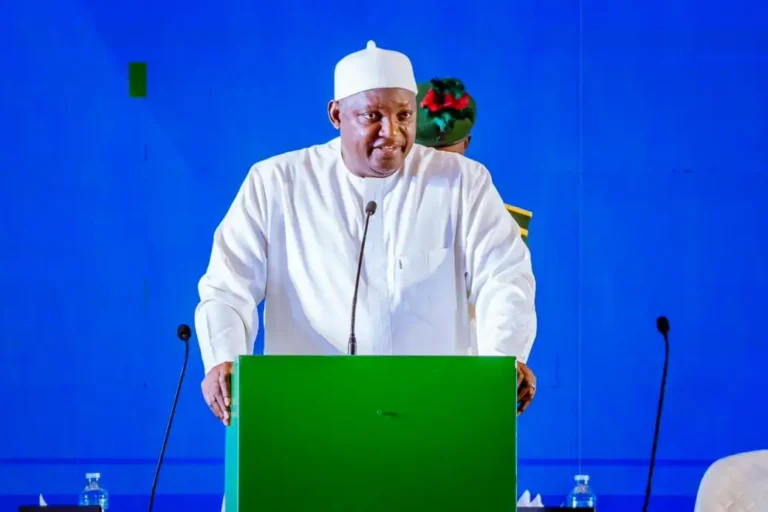
Earlier, Gambian President Adama Barrow said Nigeria’s energy policies have implications far beyond its borders, stressing that cooperation through strategic partnerships is vital to regional solutions and energy security.

President of the Republic of Equatorial Guinea, Teodoro Obiang Nguema Mbasogo, said Africa must move beyond being a mere exporter of raw materials and focus on processing them for future generations.

The Senate President, Godswill Akpabio, in a speech read on his behalf, said that in Africa, energy is not just about resources but about inclusive and sustainable prosperity.

He assured that the National Assembly is ready to work with relevant stakeholders by providing legislative backing.

Minister of State for Petroleum Resources (Oil), Senator Heineken Lokpobiri, said the summit serves as a call to action to make energy a champion for advancement.

He commended the Dangote Refinery, BUA, and other refiners for making significant investments in Nigeria’s energy sector.

The Minister of State for Petroleum Resources (Gas), Rt. Hon. Ekperikpe Ekpo, said collaboration remains essential in building a reliable energy system.

He stated that President Tinubu’s Renewed Hope Agenda is positioning gas as a cornerstone of Nigeria’s energy security.

Ekpo added that the government is strengthening oil and gas stability, supporting regional integration, and building on gains recorded.

Speaking on behalf of the Independent Petroleum Producers Group, the Managing Director and Chief Executive Officer of Aradel Holdings Plc, Adegbite Falade, said gas production in Nigeria has grown significantly since 2025.

He noted that indigenous producers are increasingly being allowed to thrive through approved reforms and executive orders.

The Group Chief Executive Officer of NNPC Ltd., Engr. Bashir Bayo Ojulari, said Africa is at a turning point in the energy sector.

He said Nigeria is well positioned to lead, with over thirty-seven billion barrels of oil potential, describing the country as an emerging global energy powerhouse.

The summit was attended by leaders of international energy organisations, executives of global and indigenous companies, development finance institutions, and representatives of host communities, reflecting broad interest in Nigeria’s energy direction. Discussions at the event centred on cooperation, investment confidence, regulatory clarity, and practical pathways to balance energy security with affordability and cleaner supply. Participants engaged around shared priorities, with emphasis on gas as a transition fuel, expanding renewables, and strengthening institutions to support long term stability and inclusive growth across the sector nationwide.