Home Blog Page 126

WTO Fish Fund Opens Second Call for Fisheries Subsidy Grants

0

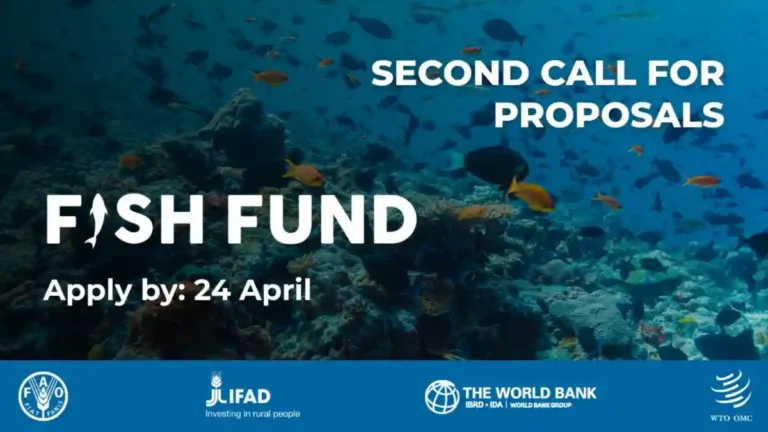
The World Trade Organization has announced that the WTO Fish Fund opened its second Call for Proposals on 2 February, inviting developing and least-developed country (LDC) WTO members that have ratified the Agreement on Fisheries Subsidies to apply for project grants to support implementation of the Agreement.

The Call offers two types of grants. These are project preparation grants of up to USD 50,000 to carry out needs assessments ahead of implementation, and project grants of up to USD 300,000 for projects that implement specific provisions of the Agreement.

Following the first Call for Proposals, the Fish Fund Steering Committee approved 26 requests for project grants at its November 2025 meeting, with the approved projects valued at a total of USD 2.9 million.

The Agreement on Fisheries Subsidies was adopted at the 12th Ministerial Conference (MC12) in 2022 and entered into force on 15 September 2025. This development brought the Fish Fund’s grant and disbursement mandate into full effect. It added that a brochure explaining the objectives and benefits of the Agreement is available to members.

So far, 116 WTO members have formally accepted the Agreement, according to figures released by the WTO, with the organization publishing a full list of members that have completed acceptance.

The Fish Fund was established under Article 7 of the Agreement on Fisheries Subsidies, which ministers also adopted at MC12 in 2022. The Fund is housed at the WTO and operates in cooperation with the Food and Agriculture Organization of the United Nations (FAO), the International Fund for Agricultural Development (IFAD) and the World Bank.

The Fish Fund currently has deposits, commitments and pledges totalling over USD 18 million from contributing members, including Australia, Canada, the European Union, Finland, France, Germany, Iceland, Japan, the Republic of Korea, Liechtenstein, the Netherlands, New Zealand, Norway, Portugal, Spain, Sweden, the United Arab Emirates and the United Kingdom.

The fact sheet titled “How to Access Funding – Opening the Call for Proposals” is available.

Eligible WTO members can submit proposals by 24 April via the application portal, which can be found here https://www.wtofishfund.org/.

Advertisement

Hon. Alile Programme Disburses ₦100,000 Grants to 77 Women in Edo State

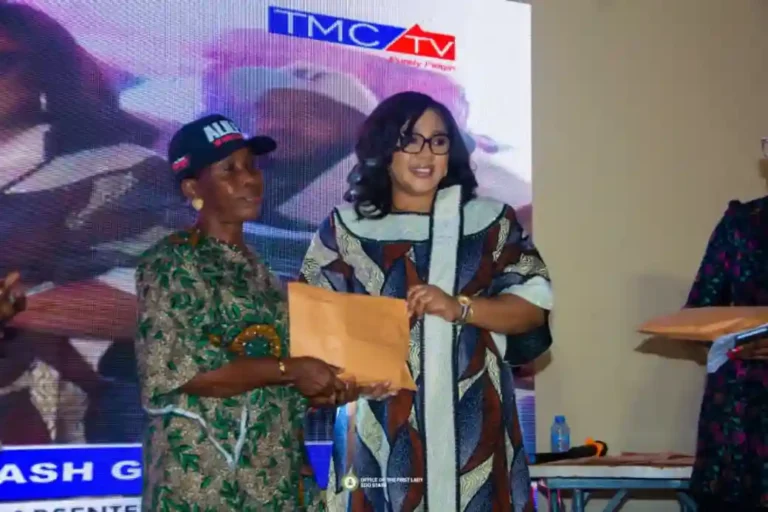
Hon. Alile Women Empowerment Programme has disbursed cash grants of ₦100,000 each to 77 beneficiaries in Edo State as part of efforts to support women-led economic activities and improve livelihoods. The empowerment programme was held on Monday at Elora Royal Hall, Sapele Road, Benin City, where beneficiaries gathered to receive support and guidance on the use of the funds.

Speaking at the event, the Coordinator, Office of the Edo State First Lady, Mrs. Edesili Okpebholo Anani, advised beneficiaries of the Deputy Chief of Staff to the Edo State Government, Hon. Pius Alile’s Empowerment Programme, to utilise the resources judiciously and invest in sustainable ventures capable of improving their socio-economic wellbeing. She explained that the initiative was structured to create lasting impact beyond short-term relief.

Nigeria Startup News reports that Mrs. Anani said the empowerment was designed to improve the quality of life of beneficiaries and contribute meaningfully to community development. According to her, the financial support should be used to strengthen small businesses, support families, and stimulate the local economy to ensure sustainable growth and long-term benefits within communities.

“Consider the empowerment being given to you today a seed of support, a seed of encouragement, and a seed of growth. I pray that this empowerment will multiply in the name of Jesus Christ. May you use it to support your home and your family, and may it yield multiple returns that will enable you to empower others, because if you are not empowered, you cannot empower another person,” she said.

Mrs. Anani congratulated the beneficiaries and appreciated Hon. Alile for his commitment to empowering women and supporting residents of Edo State. She acknowledged the dedication required to sustain empowerment initiatives and encouraged beneficiaries to remain focused on productive ventures that can generate income and stability.

In his remarks, Hon. Alile said the programme was aimed at empowering women and fostering inclusion, noting that each of the 77 beneficiaries would receive ₦100,000 to support their economic activities. “We believe women need a certain level of assistance and support, and we are here to provide that support. This is not the first time we have done this. We have been doing this over the years. This is one of several efforts to empower women and give them a sense of belonging,” he said.

Similarly, the All Progressives Congress APC Women Leader and wife of the Deputy Chief of Staff, Dr. Mary Alile, encouraged the beneficiaries to invest the funds in their businesses, stressing that the grant was intended to boost their trades rather than be used for personal expenses. She appreciated the Edo State Governor for creating opportunities that support women’s empowerment, congratulated the beneficiaries, and prayed for effective utilisation of the funds.

The highlight of the event was the presentation of cash grants to beneficiaries, including Comfort Aigbedion, Patience Ighalo, Hope Isaiah, and Evelyn Osarugue, among others. The beneficiaries expressed gratitude to Hon. Alile and pledged to utilise the funds to grow their businesses, support their families, and improve their livelihoods across Edo State.

Ogun State trains citizens on digital creativity and cyber awareness

0

The Ogun State Bureau of Information Technology has organised a four-day training programme to commemorate the state’s 50th anniversary, with the theme ‘Building Digital Confidence: Creativity and Cyber Awareness’. The training, which is ongoing at the Ogun Tech Hub, is aimed at exposing citizens to the importance of digital creativity and security towards boosting confidence in businesses and innovation across the state.

Speaking during the programme, the Special Adviser on Information Communication Technology (ICT), Dayo Abiodun, said cyber awareness and creativity were crucial elements for unlocking the state’s digital potential. He highlighted the rise in cyber-attacks that often come with increased digital activity, noting that this made it necessary to equip citizens with the right knowledge and skills to navigate the digital space safely and responsibly.

Abiodun recalled that the creation of the Ogun Tech Hub had launched several initiatives aimed at promoting digital literacy and cyber awareness. These initiatives include coding camps, hackathons and other skills training programmes, which he said have helped to build a strong ecosystem that supports Techpreneurship and innovation. According to him, the ecosystem has positioned many young people in the state to create jobs rather than only seek employment.

“Creativity and cyber awareness are the bedrock of a thriving digital economy, so we must educate people about them to attract more investments, create opportunities for citizens, ensure business safety online, as well as making them becoming ambassadors of cyber awareness,” Abiodun said.

Also speaking, the Director of Planning, Research and Statistics (BIT), Mrs. Olatundun Adekunte, urged participants to think outside the box and leverage digital tools to solve real-world problems, saying the programme would educate them on digital security, online safety and creativity.

Participants, including Tope Adeniyi and Busola Ogunsolu, lauded BIT saying training boosted entrepreneurship tools, jobs, networking

Delta State unveils new Model Technical College, Omadino

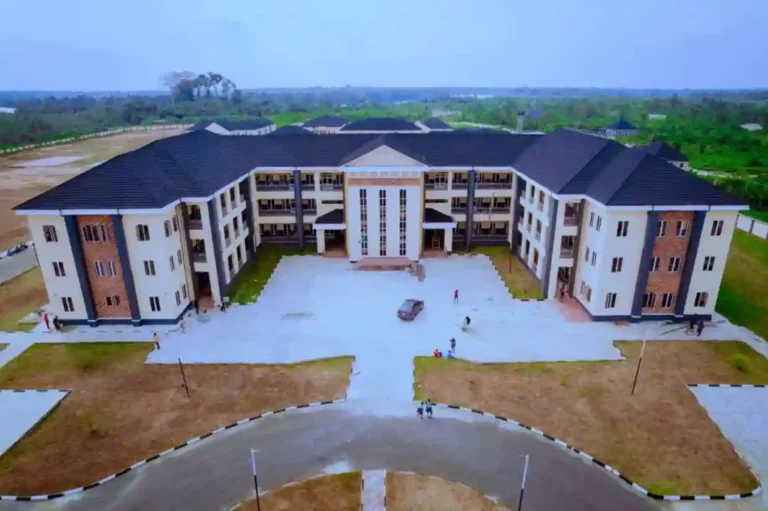
Delta State Governor, Rt. Hon. Sheriff Oborevwori, has unveiled the newly completed Model Technical College, Omadino, located in Warri South Local Government Area of the state, describing the institution as a flagship investment in technical and vocational education by his administration.

Speaking on Monday during the inauguration ceremony, the governor described technical and vocational education as one of the most effective tools for tackling youth unemployment in the country, noting that graduates of the college would emerge as skilled professionals, entrepreneurs and employers of labour rather than job seekers. Nigeria Startup News reports that Governor Oborevwori made the remark at the event held at the college premises.

He said some achievements were better appreciated when seen rather than spoken about, stressing that within two years, his administration had delivered landmark projects without borrowing or imposing additional burdens on the people of Delta State. “Even I am often amazed at how much we have been able to achieve within two years without borrowing and without burdening the people. This project we are commissioning today is a clear example of prudent management. Contractors were paid promptly, and that is why delivery was timely,” the governor said.

Oborevwori disclosed that the college commenced academic activities before its formal commissioning, a development he said demonstrated the readiness and full functionality of the facility. According to him, the institution represents another major milestone in the advancement of technical and vocational education in Delta State and aligns with his administration’s broader development goals.

He said the Model Technical College, Omadino, reflected clarity of vision, strategic planning and disciplined execution, pointing to the internal road network, administrative blocks, classrooms, workshops and laboratories as clear evidence of the administration’s commitment to quality education. The governor commended his predecessor, Senator Ifeanyi Okowa, for initiating the project, adding that his administration ensured its completion to the required standard.

“Today, I am pleased to see a beautiful and solid edifice standing proudly. We give God all the glory. Any student, lecturer or staff member would be proud to be associated with this institution,” Oborevwori said. He also praised the quality of training being imparted at the college, citing the confidence, articulation and composure displayed by a student who spoke earlier at the event as evidence of effective teaching and learning.

The governor emphasized that modern educational infrastructure played a critical role in fostering a conducive learning environment, improving student performance, enhancing teacher effectiveness and instilling pride within the school community. “With the high-quality facilities provided here, I am confident that students of this college can compete with the best anywhere in the world. All workshops and laboratories are fully equipped with state-of-the-art facilities,” he added.

Reaffirming his administration’s commitment to education in line with the MORE Agenda, the governor assured Deltans that government would continue to upgrade educational infrastructure across the state to ensure access to complete, functional education and globally relevant skills. He, however, appealed to the management, staff, students and host communities to ensure proper maintenance of the facilities, stressing that government property represents taxpayers’ commonwealth and must be protected from vandalism and neglect.

Earlier, the State Commissioner for Technical Education, Mr. Smart Ufoh, described the Omadino Model Technical College as far more than a modern technical school, calling it a bold statement of purpose and a symbol of transformation in the state’s education sector. He said the college was designed to equip young people with practical skills that would make them relevant in the labour market.

Facilities within the institution include 12 classrooms and nine fully equipped workshops to enhance learning and skills acquisition. Residential and welfare infrastructure comprises two hostel blocks, staff quarters, a principal’s lodge and a corps members’ lodge, ensuring a conducive environment for both students and staff to live and work within the school community.

The complex also features a dining hall, clinic and a spacious school hall, alongside recreational facilities including a football pitch and basketball court. Complementing these are essential support structures such as a generator house and operational quarters, underscoring the institution’s readiness for effective teaching, learning and administration from the onset.

Ufoh disclosed that academic activities commenced in September 2025 with the admission of Junior Technical One students to ensure that the sophisticated facilities did not lie idle or fall into disrepair. He added that the response from the Omadino community and beyond was overwhelming, reflecting growing interest in technical education across the state.

In his remarks, Chairman of Warri South Local Government Council, Hon. Weyinmi Agbateyiniro, expressed deep appreciation to Governor Oborevwori for his impactful leadership and numerous development projects in Warri and across Delta State. He described the commissioning of the Model Technical College as a landmark achievement for the area.

Agbateyiniro also highlighted other major infrastructure delivered by the administration, including the Trans-Warri Road and Bridges, extensive road networks, drainage systems that have addressed perennial flooding and the near-completed Warri Modern Stadium. He praised the governor’s fairness, inclusiveness and people-centred governance.

According to him, in less than three years, development projects had reached every senatorial district, Federal Constituency, local government and community in the state. He said the people of Warri South were firmly behind the governor and confident in his leadership ahead of 2027.

Also speaking, the Olu of Warri, HRM Ogiame Atuwatse III, thanked Governor Oborevwori for his commitment to the development of riverine communities and urged him to sustain and expand investments in schools, bridges, roads and jetties across riverine areas of Delta State.

Speaking on behalf of the students, Miss Courtney Omotoyine described the commissioning as the fulfillment of a long-held dream and a major step toward securing the future of young people in Delta State and Nigeria. She urged students to utilize the facilities responsibly and strive for excellence in their academic and practical pursuits.

Dignitaries at the event included the Deputy Governor, Sir Monday Onyeme; Speaker of the Delta State House of Assembly, Rt. Hon. Emomotimi Guwor; Speaker of the Edo State House of Assembly, Rt. Hon. Blessing Agbegbaku; Speaker of the Bayelsa State House of Assembly, Rt. Hon. Abraham Ingobere; and Speaker of the Anambra State House of Assembly, Rt. Hon. Udeze Somtochukwu, among others.

African Creator Summit names winners of ACS 3.0 Sound Challenge

The African Creator Summit (ACS) has announced the winners of its ACS 3.0 Sound Challenge, a creative initiative designed to spotlight original African sounds that reflect the theme, “Africa Trades ITs SWAG.” The challenge attracted creators from across the continent and highlighted how sound continues to grow as both a cultural tool and a digital asset within Africa’s expanding creator economy.

The Sound Challenge was launched ahead of ACS 3.0 as part of activities building momentum for the Summit. It invited emerging and established creators to produce original audio that captures Africa’s rhythm, identity, and digital energy. Entries ranged from rhythmic beats to experimental soundscapes rooted in local culture, showing the diversity that defines African storytelling today. Hundreds of submissions were received, generating strong engagement across social media platforms and sparking conversations around originality and African sound.

After a competitive selection process that assessed originality, creativity, cultural relevance, and audience engagement, ACS announced three winners: @prom2pee, @boylogik, and @yours_zegey. According to the organisers, the selected creators stood out because their sounds resonated widely with audiences while reflecting the cultural confidence and global appeal that ACS aims to promote through its initiatives.

As winners of the Official ACS 3.0 Sound Challenge, the creators will have their sounds featured across ACS 3.0 promotional campaigns, official content releases, and digital activations leading up to the Summit. In addition to increased visibility, the winners will take part in creator collaborations and gain access to broader exposure opportunities curated by ACS. The Summit said these benefits are designed to help creators grow sustainably and reach wider audiences.

The Sound Challenge is part of a broader ACS vision to position African creativity as both cultural capital and economic value. In the current digital environment, sound plays a key role in shaping online communities, driving short-form content trends, influencing music discovery, and triggering global cultural movements. ACS stated that by promoting original African sounds, it is reinforcing the idea that African creators should be visible, heard, and rewarded for innovation.

Speaking on the initiative, ACS Convener Mr. Oladapo Adewunmi explained the importance of sound within the creative ecosystem. “Sound is culture. Sound is identity. Sound is influence,” he said. “The ACS 3.0 Sound Challenge reflects our belief that African creators should own their narratives and be rewarded for their originality. These winners represent the vibrancy and global potential of Africa’s creative voice, and we are excited to amplify them on ACS 3.0.”

ACS also noted that the success of the Sound Challenge was driven by strong community participation and support from digital platforms, which helped boost discovery and engagement for participating creators. The initiative aligns with the Summit’s mission to connect creators with platforms, brands, media partners, and audiences, creating pathways for collaboration, monetisation, and long-term relevance in Africa’s digital economy.

The African Creator Summit described itself as Africa’s leading convening for digital creators, creative entrepreneurs, media leaders, and cultural stakeholders. It said that through initiatives like the ACS 3.0 Sound Challenge, the Summit continues to provide a platform for knowledge exchange, partnerships, and market access, while fueling the growth of Africa’s creator economy and amplifying voices.

Tinubu says stable power will cost more as subsidy burden shifts

0

President Bola Tinubu has directed the Budget Office of the Federation to operationalise a clearer framework for sharing electricity subsidy costs across the federation, saying the burden should no longer be treated as an open ended federal residual and adding that consumers seeking stable power must be ready to pay for it.

The directive was disclosed by the Director General of the Budget Office, Tanimu Yakubu, while speaking at a training for staff of Ministries, Departments and Agencies on the 2026 post budget preparation using the Government Integrated Financial Management Information System.

Yakubu said the president wants the electricity sector legal framework invoked to make burden sharing practical and transparent, stressing that subsidy costs must be explicit, tracked and properly funded to prevent arrears, liquidity crises and hidden market liabilities.

“If we want a stable power sector, we must pay for the choices we make. When tariffs are held below cost, a gap is created. That gap is a subsidy. And a subsidy is a bill. In 2026, we will stop pretending that this bill can be left to the Federal Government alone especially where the policy choice or the political benefit is shared across tiers of government,” he said.

According to him, the directive also requires that where any tier of government chooses affordability interventions, the funding responsibilities must be clear, agreed and enforceable, noting that the approach is not punitive but aimed at alignment.

“This is not punishment. It is alignment. When everyone carries a fair share of the cost, everyone also has an incentive to support cost reflective efficiency, targeted protection for the vulnerable and a power market that can actually deliver,” Yakubu stated.

He was represented at the event by the Director, Expenditure, Budget Office, Mr Yusuf Muhammed, who urged 2026 budget planners to make subsidy related costs visible in their planning and submissions and avoid pushing liabilities into the market as arrears or unfunded commitments.

“Support transparent, rules based attribution and financing of affordability decisions,” he charged.

Yakubu also lamented that rollover budgeting and fragmented project lists have weakened execution, reduced clarity, diluted accountability and created hidden obligations within the public finance system.

“We must speak plainly. Rollover budgeting and fragmented project lists have weakened execution. They reduce clarity. They dilute accountability. They create hidden obligations,” he said.

He explained that the 2026 Budget is designed as one coherent implementation framework, consolidating commitments into a single visible pipeline to be managed as a disciplined programme of delivery, which he described as the single train approach.

FG launches free financial inclusion training for 10 million Nigerians

0

The Federal Government of Nigeria on Monday flagged off a free training programme aimed at equipping 10 million Nigerians with financial inclusion and literacy skills, as part of efforts to strengthen participation in the country’s evolving digital economy.

The training, which is being implemented through the Office of the Vice President in collaboration with the Presidential Committee on Economic and Financial Inclusion, PreCEFI, is targeted mainly at women and youths and is designed to provide essential financial skills, investment knowledge and digital competencies for sustainable wealth creation.

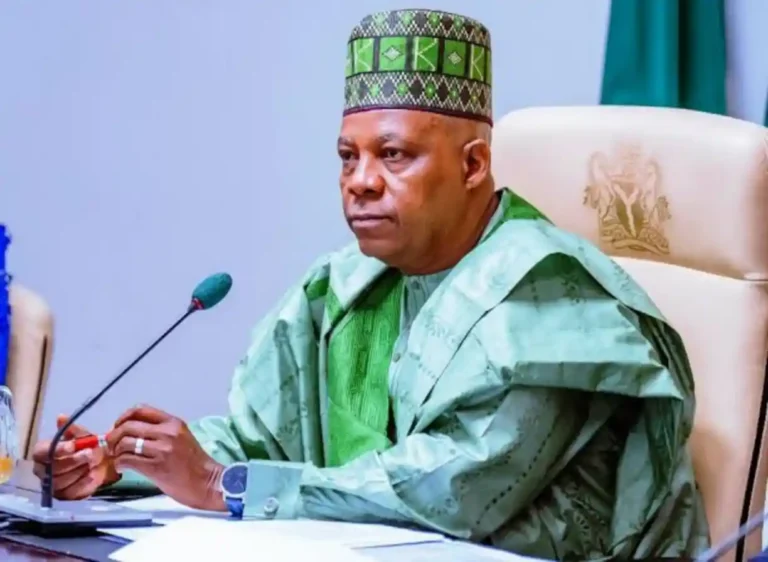
Speaking at the flag-off ceremony held at the Presidential Villa, Abuja, on behalf of President Bola Ahmed Tinubu, Vice President Kashim Shettima said Nigeria could only reap the benefits of its demographic dividend if young people and women are properly equipped with the skills and ethical grounding required for a fast-growing digital economy.

According to him, the initiative reflects the Federal Government’s resolve to ensure that financial inclusion goes beyond access to include competence, trust and capability among citizens.

As part of the programme, the Office of the Vice President, through PreCEFI, signed a Memorandum of Understanding, MOU, with six professional bodies to jointly design training programmes, certification pathways, digital skills initiatives and mentorship platforms that would strengthen Nigeria’s financial and enterprise workforce.

The professional bodies are the Institute of Chartered Accountants of Nigeria, ICAN; the Chartered Institute of Bankers of Nigeria, CIBN; the Chartered Institute of Stockbrokers, CIS; the National Institute of Credit Administration, NICA; the Chartered Risk Management Institute, CRMI; and the Nigeria Institute of Innovation and Entrepreneurship, NIIE.

Vice President Shettima described the signing of the MOU as more than a formal agreement, saying it represents a long-term national investment in capacity development.

“It is a strategic national investment in capacity as infrastructure, which is the human, institutional, and ethical foundations upon which inclusive growth must rest,” he stated.

He said the Aso Accord on Economic and Financial Inclusion, which PreCEFI is mandated to implement, recognises that financial inclusion cannot be achieved by access alone.

According to him, “financial inclusion is not achieved by access alone, but by competence, trust, and capability.”

The Vice President warned that Nigeria cannot build a one-trillion-dollar economy on weak skills, fragmented standards or disconnected professional ecosystems.

“This MOU therefore establishes a working framework to harness the collective expertise of ICAN, CIBN, CIS, CRMI, NICA, and NIIE to advance inclusion through capacity building, advocacy, digital transformation, youth empowerment, and support for small and medium practitioners,” he said.

Vice President Shettima noted that capacity building is central to financial inclusion.

“Without accountants who understand MSME formalisation, credit administrators who can assess risk beyond collateral, bankers who embed consumer protection, risk professionals who anticipate digital threats, and innovators who translate ideas into enterprises, inclusion remains a slogan rather than a system,” he said.

Emphasising the focus on women and youths, the Vice President said the programme was deliberately structured to prioritise these groups.

“Importantly, this collaboration prioritises women and youth inclusion and digital transformation, recognising that Nigeria’s demographic dividend will only materialise if young people are equipped with relevant skills and ethical grounding for a fast-evolving digital economy,” he said.

He urged PreCEFI and the participating professional bodies to treat the MOU as an active platform for implementation.

“Accordingly, on behalf of President Bola Ahmed Tinubu, GCFR, I hereby flag off the free training of 10 million Nigerians with priority for women and youth across the country,” the Vice President declared.

Earlier, the President of the Institute of Chartered Accountants of Nigeria, Mallam Haruna Nma Yahaya, commended the administration of President Bola Ahmed Tinubu for economic reforms that led to the launch of the free financial inclusion training programme.

Yahaya said the decision to embark on the initiative was informed by visible improvements in the economy following recent policy reforms.

He assured the Vice President of the full support of the professional bodies in achieving the objectives of the programme, describing their participation as an institutional honour.

For his part, the Chief Executive Officer of WAWU Africa, the technical partners for the programme, Mr Emmanuel Lennox, expressed readiness to deliver on the project by providing the required digital platform and enabling environment.

Also speaking, the Technical Adviser to the President on Economic and Financial Inclusion, Dr Nurudeen Abubakar Zauro, explained the rationale behind the training initiative.

“Exclusion is not only by lack of access, but by limited skills, weak institutional capacity, and insufficient professional support,” he said.

He added that “financial inclusion is not achieved by infrastructure alone; it is achieved when people and institutions are equipped to use that infrastructure responsibly, productively, and sustainably.”

The event featured the formal signing of the MOU on capacity building between the Federal Government and the six professional bodies, marking the official commencement of the financial inclusion and literacy training programme nationwide

FG begins garri distribution to PWDs in Edo State

0

The Federal Government has commenced the distribution of foodstuffs to Persons With Disabilities (PWDs) and other vulnerable persons in Edo State, as part of efforts to support food security and social inclusion.

The exercise was flagged off on Monday, February 2026, at the Army Salvation, Benin Rehabilitation Centre, by Patricia Imade, the Edo State Coordinator of the Federal Ministry of Food and Security.

Imade, while distributing over 500 bags of processed garri to the Joint National Association of Persons with Disabilities (JONAPWD), described the intervention as part of the Renewed Hope Agenda of President Bola Ahmed Tinubu.

She explained that the empowerment initiative, implemented under the Renewed Hope National Accelerated Garri Production Programme, would also be extended to correctional centres, vulnerable women and Internally Displaced Persons (IDPs) across the state.

According to her, the programme is designed to reach the less privileged and ensure that vulnerable groups are not excluded from government interventions.

“This empowerment is a kind of rescue mission for some persons with disabilities and the vulnerable,” Imade said.

“The federal government wants them to know that they are part of the government and that they are not left out in the scheme of events being done by the federal government,” she added.

Imade further stated that the distribution was being carried out through the Federal Ministry of Agriculture and Food Security.

“Through the Honourable Minister of the Federal Ministry of Agriculture here in Edo State, we have decided to distribute this 5kg bag of processed garri to those living with disabilities,” she said.

“It is a flag off. We are reaching out to those living with disabilities, vulnerable women groups and correctional centres in Edo State,” Imade noted.

She disclosed that JONAPWD comprises several clusters, including the visually impaired and other disability groups.

“There are so many clusters in JONAPWD such as the visually impaired among others. So we are reaching out to all of them,” she said.

While revealing that over 2,000 bags of processed garri have been earmarked for distribution, Imade assured beneficiaries of continued Federal Government empowerment programmes.

On his part, the Edo State Commissioner for Agriculture and Food Security, Jerry Uwangue, commended the Federal Government for the initiative, noting that the Governor Monday Okpebholo-led administration had aligned with several federal programmes.

Uwangue, represented by Princewill Idemudia, Manager of the Edo State Agricultural Development Programme, said the state government remains open to partnerships that promote empowerment.

“We are always willing to key into any initiative like this that the federal government is doing through the Federal Ministry of Agriculture and Food Security,” he said.

“I will tell you today that under the leadership of Senator Monday Okpebholo, he is ready and always willing to drive a governance of all inclusiveness, as he is taking responsibility for both the able-bodied and the physically challenged,” he added.

Also speaking, Ime Akpan, Administrator of the Army Salvation, Benin Rehabilitation Centre, Sylvester Oshiovue, a representative of JONAPWD, and Lucky Imafidon, State Chairman, Association of the Blind, lauded the gesture.

NMDPRA denies ongoing recruitment exercise

0

The Nigerian Midstream and Downstream Petroleum Regulatory Authority (NMDPRA) has announced that it is “NOT conducting any recruitment exercise currently,” warning Nigerians against ongoing employment scams using the agency’s name.

In a public disclaimer, the Authority said it was compelled to alert the public to the activities of “unscrupulous persons” who are exploiting young, economically vulnerable and unsuspecting Nigerians by demanding large sums of money for fake employment opportunities. According to NMDPRA, these individuals issue bogus “Letters of Employment,” make empty promises, and offer non-existent positions, actions believed to be linked to fake recruitment syndicates.

The Authority stated categorically that it is “NOT conducting any recruitment exercise currently,” adding that it is also not undertaking “any kind of employment into its services at any level.” It explained that any future recruitment would be carried out strictly “in accordance with extant rules guiding such exercises in the Nigerian Public Service.”

NMDPRA advised the public to disregard what it described as “spurious claims by unscrupulous people whose only objective is to defraud Nigerians and cast aspersion on the Authority.” It urged Nigerians to remain cautious and verify information before engaging with anyone claiming to represent the agency.

For accurate and date information on its activities, the Authority directed the public to its official website, www.nmdpra.gov.ng, and its verified social media platforms on Facebook, Linkedin and Instagram, stressing that these channels remain sources.

Newfoundland and Labrador Opens Virtual Immigration Recruitment for Skilled Workers

0

Employers in Newfoundland and Labrador, Canada, are set to engage skilled foreign workers through a virtual immigration and recruitment event scheduled for Wednesday, February 11.

According to a post obtained by Nigeria Startup News from Newfoundland and Labrador’s official website on Monday, the online session will be open to all audiences and will run from 18:00 to 22:00 GMT, corresponding to 2:30 PM to 6:30 PM Newfoundland Standard Time.

The virtual event is expected to attract participants from different regions, especially professionals exploring migration and employment opportunities in Canada.

The session is part of an ongoing series of virtual immigration events aimed at connecting international talent with employers across the province.

During the event, participating employers are expected to share details about available job openings and support systems to help skilled workers settle.

An excerpt from the event details published on the official website explained the objective of the session, stating: “If you’re interested in building your career and a home in Canada, our virtual immigration events are here to help!

“We’re bringing together employers from across the province of Newfoundland and Labrador that are looking for skilled workers like you.

“Register today, and you’ll learn more about opportunities and employers that may be of interest to you and get the information you need to start the process.

“Upload your current résumé, and we’ll share it with companies hiring across Newfoundland and Labrador! Approved employers can search through the résumés we receive for qualified candidates and reach out to candidates with the skills and experience they need,” the province added.

Interested candidates are encouraged to visit the province’s official website.