
Home Blog Page 136

Katsina Govt approves recruitment of additional health workers

The Katsina State Executive Council has approved the recruitment of additional health workers, installation of solar power systems, and deployment of tricycles for emergency referrals in rural communities as part of efforts to strengthen Primary Health Care (PHC) delivery across the state.

The approvals were granted at the 2nd Regular Meeting of the State Executive Council for 2026, held at the General Muhammadu Buhari House in Katsina.

The approvals were granted at the 2nd Regular Meeting of the State Executive Council for 2026, held at the General Muhammadu Buhari House, Katsina, and presided over by Governor Malam Dikko Umaru Radda.

Briefing journalists after the meeting, the Special Adviser on Local Government and Inspectorate, Hon. Lawal Rufai Safana, said the decisions reflect the administration’s commitment to improving access to quality and affordable healthcare, particularly at the grassroots.

According to him, the Council approved the recruitment of additional healthcare personnel, including traditional birth attendants, to ensure round-the-clock service delivery in at least one Primary Health Care Centre in each of the state’s 361 wards.

“This initiative is designed to guarantee 24-hour healthcare services at the ward level, especially for pregnant women, children and other vulnerable groups who require urgent medical attention,” he said.

Hon. Safana further disclosed that the State Government will install solar inverter systems in all the 229 Primary Health Care Centres across Katsina State to ensure uninterrupted power supply for medical services.

“Inadequate electricity has long affected effective service delivery in our PHCs. With the installation of solar power systems, health facilities will be able to function optimally, day and night,” he explained.

To address emergency response challenges in hard-to-reach areas, the Council also approved the procurement of tricycles to facilitate referrals from rural communities to higher health facilities.

“These tricycles will serve as emergency transport, especially in areas where conventional ambulances cannot easily access,” he added.

The Council noted that the interventions align with Governor Radda’s agenda of strengthening primary healthcare as the foundation of an efficient health system, while improving maternal and child health outcomes across the state.

The Katsina State Government reaffirmed its resolve to continue investing in people-centred policies that enhance social services and improve the quality of life of citizens, particularly at the community level.
Advertisement

Nigerian Developers Earn Over $1m From Locally Built Apps in 2025: NOTAP

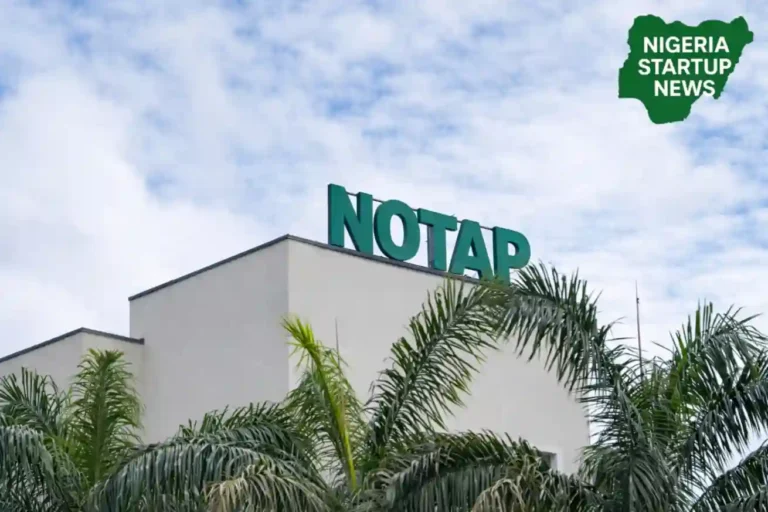
Nigerian software developers generated over $1m in sales in 2025 from locally developed applications, the entity[“organization”,”National Office for Technology Acquisition and Promotion”,”nigeria technology agency”] has said.

The Director-General of NOTAP, entity[“people”,”Obiageli Amadiobi”,”nigerian technology official”], disclosed this in an interview with the entity[“organization”,”News Agency of Nigeria”,”nigerian state news agency”] on Thursday in Abuja, describing the milestone as evidence of the growing strength of Nigeria’s digital innovation ecosystem.

Amadiobi said the achievement was driven by targeted interventions by NOTAP, including capacity building, intellectual property protection and access to market opportunities for local developers. She explained that many Nigerian innovators had previously failed to maximise the value of their ideas because they did not fully understand intellectual property rights.

She noted that without proper IP protection, locally developed software and digital content were often copied, repackaged and commercialised by others, depriving original creators of the benefits of their work.

“Whether it’s a literary work, a laboratory invention, or a creative digital product, the process of bringing an idea to life demands immense time, skill, and dedication.

“An innovator might wake up with a solution to a pressing problem; spend months testing and refining it and achieve remarkable results; so it is their fundamental right to patent that creation and claim ownership.

“Without this protection, someone else could easily replicate their work; patent it in their name; and legally control what was built with Nigerian brainpower,” she said.

Amadiobi said the challenge was worsened by widespread digital piracy and counterfeiting, which she said affected the ICT sector more than most others.

“From copied software applications to replicated content on social platforms like entity[“company”,”TikTok”,”social media platform”], unauthorised duplication has become a major barrier to growth.

“We see talented young creators develop unique digital content or tools, only to watch others rebrand and profit from their work within weeks,” she said.

She said NOTAP’s Local Vendor Policy, which requires foreign technology firms operating in Nigeria to partner with indigenous companies, had helped to address these issues by strengthening local capacity and encouraging technology transfer.

“The Local Vendor Policy mandates that foreign technology firms entering Nigeria partner with domestic counterparts,” she said.

According to the NOTAP boss, some of the successful applications include a mobile health platform serving about 750,000 users across six states.

“There is also the agricultural marketplace connecting smallholder farmers to buyers; and an educational tool that has been adopted by 200 schools to improve learning outcomes,” she said.

She said the $1m sales figure was recorded from more than 50 locally developed apps, with individual developers earning between $5,000 and $80,000. She added that about 60 per cent of the revenue came from other African countries.

“Three years ago, many of these developers were only providing support services to foreign companies.

“But today, they are building their own products that compete globally. 60 per cent of last year’s sales came from other African countries, showing our developers can lead on the continent,” she stated.

Amadiobi said NOTAP plans to double the figure by 2027, with increased support for developers working in fintech, renewable energy management and climate adaptation technologies.

She said the agency would expand training programmes, improve patent awareness, and widen regional market access, while working with regulators to ensure fair competition and stronger enforcement against piracy nationwide this year

NAFDAC resumes enforcement of ban on sachet alcohol, drinks below 200ml

0

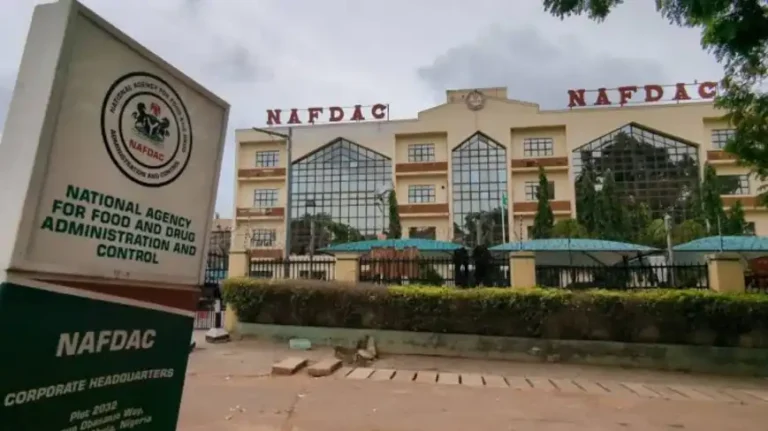
The National Agency for Food and Drug Administration and Control (NAFDAC) has resumed enforcement of the ban on the production and sale of alcoholic beverages packaged in sachets and small-volume PET or glass bottles below 200ml, in line with a resolution of the Senate of the Federal Republic of Nigeria and the Agency’s public health mandate.

The enforcement, supported by the Federal Ministry of Health and Social Welfare, is aimed at reducing the harmful use of alcohol, particularly among children, adolescents, and young adults. The widespread availability, low cost, and ease of concealment of alcohol in sachets and small containers have contributed to underage access, misuse, and addiction, with associated social consequences including road accidents, school dropouts, and other social vices.

NAFDAC clarifies that this action does NOT involve the closure of any alcohol-producing company. The restriction applies strictly to two packaging categories: spirit drinks in sachets and in PET or glass bottles below 200ml. Alcoholic beverages packaged in larger volumes remain approved for production and sale in Nigeria.

The Agency recalled that in December 2018, it entered into a Memorandum of Understanding with industry stakeholders to phase out sachet and small-volume alcohol packaging, initially by January 31, 2024. This moratorium was later extended to December 2025 to allow manufacturers exhaust existing stock and reconfigure production lines. The current enforcement aligns with that agreement and with Nigeria’s commitment to the World Health Assembly Global Strategy to Reduce the Harmful Use of Alcohol.

According to the Director-General of NAFDAC, Prof. Mojisola Christianah Adeyeye, “This ban is not punitive; it is protective. It is designed to safeguard children and young people from easy access to alcohol and the long-term consequences of misuse. The health of Nigerians, especially the younger population, must take priority.” NAFDAC calls on all stakeholders to comply fully, noting that no further extensions beyond December 2025 will be granted.

NELFUND extends 2025/2026 student loan application deadline to February 27

The Nigerian Education Loan Fund (NELFUND) has announced an extension of the application deadline for the 2025/2026 academic session from 31 January 2026 to 27 February 2026.

The extension is aimed at giving prospective applicants additional time to complete and submit their applications, ensuring that no eligible student is excluded due to timing constraints.

Speaking on the extension, the Managing Director/CE of NELFUND, Mr. Akintunde Sawyerr, said:

“This extension reflects our commitment to inclusivity and access. We understand that some applicants may require additional time to complete their submissions, and this decision ensures that every eligible Nigerian student has a fair opportunity to benefit from the Fund.”

NELFUND encourages all prospective applicants who are yet to apply or complete their applications to take advantage of the extended.

Edo Govt Records Successful Harvest at Udomi Corn Farm

The Edo State Government has recorded a successful harvest at the Udomi Corn Farm, marking another milestone in its commitment to sustainable agriculture and food security under the Project SHINE Agenda.

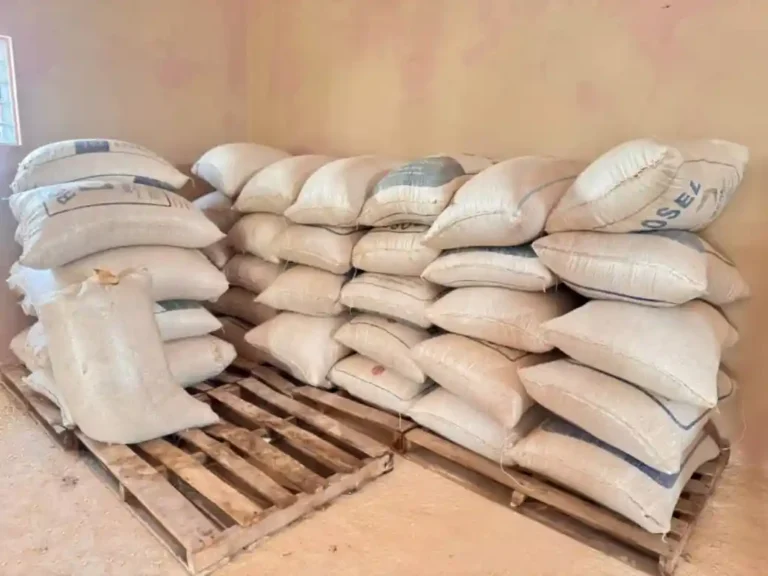
Following the harvest, over 400 bags of maize have been secured in the newly constructed warehouse at the agricultural hub. The Ministry is targeting a total yield of 5,000 bags while ensuring proper storage and preservation of produce. This development underscores the state government’s focus not only on increased production but also on efficient post-harvest handling and value-chain management.

The Honourable Commissioner for Agriculture and Food Security, Hon. Dr. Jerry Uwangue, explained that as harvesting progresses, replanting activities are simultaneously underway, reinforcing the government’s strategy for year-round farming without reliance on seasonal cycles.

“This approach ensures continuity in food production, a steady supply to the markets, and sustained engagement for farmers. We are deliberately moving away from seasonal farming to a system that guarantees consistent output throughout the year,” the Commissioner said.

He added that the Udomi Corn Farm is serving as a pilot model for the Ministry’s broader agricultural development plan, demonstrating the viability of continuous cultivation, efficient land use, and structured farm management across Edo State.

The Ministry further reaffirmed that similar farming practices will be replicated across other government-owned farmlands as land recovery, mechanization, and farm settlement initiatives progress across the state.

The Edo State Government reiterated its commitment to transforming the state into the Food Basket of the Nation, with a focus on food security, job creation, and sustainable agricultural growth for the benefit of all residents.

New Tax Law to End Multiple Taxation Hurting SMEs, MEDA DG

0

The Director-General and Chief Executive Officer of the Cross River State Microfinance and Enterprise Development Agency (MEDA), Great Ogban, has said that the new tax law will end multiple taxations affecting small and medium enterprises (SMEs) across the country.

Ogban made this statement at a high-level Tax Reforms Town Hall Meeting held in Abuja by the Small and Medium Enterprises Development Agency of Nigeria (SMEDAN), in partnership with the Nigeria Revenue Service (NRS) and the Presidential Committee on Fiscal Policy and Tax Reforms.

He said the reforms are aimed at easing the tax burden on businesses and creating a fairer operating environment. “The new tax law is designed to address the long-standing issue of multiple taxation, which has been a major challenge for SMEs,” Ogban said.

According to him, aligning regional development strategies with national fiscal goals is critical.

The session focused on explaining the new fiscal policies, with discussions on key provisions, economic impact, compliance opportunities, and open dialogue between policymakers and the public.

The event featured key stakeholders, including Zacch Adedeji, Executive Chairman of the NRS; Taiwo Oyedele, Chairman of the Presidential Committee on Fiscal Policy and Tax Reforms; and Charles Odii, Director-General and Chief Executive Officer of SMEDAN.

Organisers confirmed that the town hall series will expand into a nationwide tour to engage business owners nationwide soon.

UNILAG STDU Opens 2026 Training Needs Survey for Non-Teaching Staff

The Staff Training & Development Unit (STDU), University of Lagos (UNILAG) is currently designing training programmes specifically tailored for non-teaching staff in the year 2026.

To ensure these programmes effectively address training needs, all non-teaching staff members are to complete the online form available at: https://forms.gle/AFgWmXCAVrhu7KYx8 on or before Friday, February 27, 2026

Your input is vital in shaping impactful and relevant training opportunities.

Ned Nwoko unveils youth, women empowerment in Delta North

0

The Centre for Management Development (CMD), in collaboration with key private sector partners, has unveiled a series of empowerment and community intervention programmes targeted at youths, women and local communities across Delta North Senatorial District.

The initiatives, facilitated by Senator Ned Nwoko, are designed to promote skills development, economic empowerment and improved access to primary healthcare services as part of broader efforts to drive sustainable development in the region.

As part of the rollout, CMD, in partnership with Albeam Global Resources Ltd, will host a Training and Empowerment Programme for youths from January 28 to 31, 2026, at Hotel Benezia. The programme is expected to bring together young people from different parts of Delta North for intensive capacity-building sessions focused on leadership, entrepreneurship and employability skills.

Within the same period, CMD will also collaborate with Al Qibad International Ltd to organise a Capacity Development Programme for women at Hotel Benezia. According to the organisers, the initiative is aimed at equipping women with practical skills and relevant knowledge needed to improve economic participation, strengthen small businesses and encourage self-reliance within their communities.

In furtherance of its community-based interventions, CMD will partner with Biomed Imaging and Health Resources Ltd to conduct a Medical Outreach for selected communities in Delta North on February 1 and 2, 2026. The outreach will take place at the Primary Healthcare Centre in Agbor, Ika South Local Government Area, and the Primary Healthcare Centre in Ibusa, Oshimili North Local Government Area.

Residents are expected to benefit from a range of free healthcare services during the outreach, including Body Mass Index (BMI) assessments, malaria testing, blood sugar screening, eye examinations and general medical consultations. The programme will also feature health talks, the distribution of essential drugs and the provision of eyeglasses to beneficiaries.

Speaking ahead of the programmes, Senator Nwoko reaffirmed his commitment to human capital development and social welfare in Delta North. He stressed that empowering youths and women, alongside strengthening primary healthcare delivery, remains central to long-term growth.

“These programmes will form part of our ongoing efforts to build capacity, create opportunities and improve the quality of life of our people. When our youths are skilled, our women are empowered, and our communities are healthy, development will become sustainable,” Nwoko said.

Community leaders and prospective participants have welcomed the initiatives, describing them as timely and strategic. They expressed optimism that the programmes would positively impact livelihoods and improve access to essential services.

CMD stated that the interventions align with its broader mandate to support national development through strategic partnerships, training and community engagement. Stakeholders expressed hope for wider adoption across Delta State.

Sahara Group Awards $36,000 MAD Grant to UNILAG Academics

0

Sahara Group has awarded a total of $36,000 under its Making A Difference Grant initiative to three academics of the University of Lagos, reinforcing its push for sustainable development and human capital growth in Africa. The beneficiaries are Prof. Sunday Adebisi, Dr Victor Odumuyiwa and Prof. Abdul-Hameed Sulaimon, selected in the second edition of the grant which focuses on youth unemployment, digital inclusion and institutional governance.

According to a statement by Sahara Group’s Head of Corporate Communications, Bethel Obioma, each awardee received $12,000 to scale projects that have shown measurable impact and strong potential for replication. She said the initiative was designed to support practical academic solutions capable of driving economic growth.

“The MAD grant represents our sustained commitment to identifying and amplifying sustainable solutions that drive economic growth and development. This second edition allows us to deepen our support for academic innovators whose work has demonstrated clear potential for systemic impact,” Obioma said.

The Vice-Chancellor of the University of Lagos, Prof. Folasade Ogunsola, described the initiative as a catalyst for innovation within the institution. She noted that the programme reflects the value of collaboration between academia and the private sector in addressing real development challenges.

“The Sahara Group MAD Grant has been a catalytic force for innovation at UNILAG. It is a testament to the power of strategic partnership in advancing our university’s mission to develop leaders and solutions for the nation and beyond,” Ogunsola said.

One of the beneficiaries, Adebisi, said his grant would be used to expand the Entrepreneurship, Innovation and Business Certification programme. He explained that the programme had already supported more than 20,000 students to launch businesses aligned with their academic disciplines.

“The $12,000 MAD Grant provides critical resources to accelerate our mission of turning every student into a job creator,” he said.

Odumuyiwa said his funding would strengthen digital skills training and mentorship at the NITDA IT Hub, where over 20,000 people have been trained in areas including artificial intelligence and other emerging technologies.

“Strategic funding like the MAD Grant is essential for sustaining the momentum of our digital transformation efforts,” he noted.

Sulaimon said his project focuses on re-engineering faculty administration systems to improve efficiency, academic performance and resource mobilisation within the Faculty of Management Sciences.

“The MAD Grant provides crucial validation and practical support for our governance improvement efforts,” he stated.

Also speaking, Sahara Group’s Director of Governance and Sustainability, Ejiro Gray, said the projects were selected based on scalability and measurable outcomes.

“Each $12,000 award represents an investment in sustainable systems, whether creating entrepreneurs, developing digital talent or strengthening institutional frameworks,” Gray said.

Sahara Group disclosed that following the success of the projects at UNILAG, it plans to expand the MAD Grant initiative to other universities across Africa, targeting entrepreneurship, digital transformation and governance reform as drivers of sustainable development. The expansion will build regional capacity.

Edo flags off tech skills training With Google, supports student innovation

0

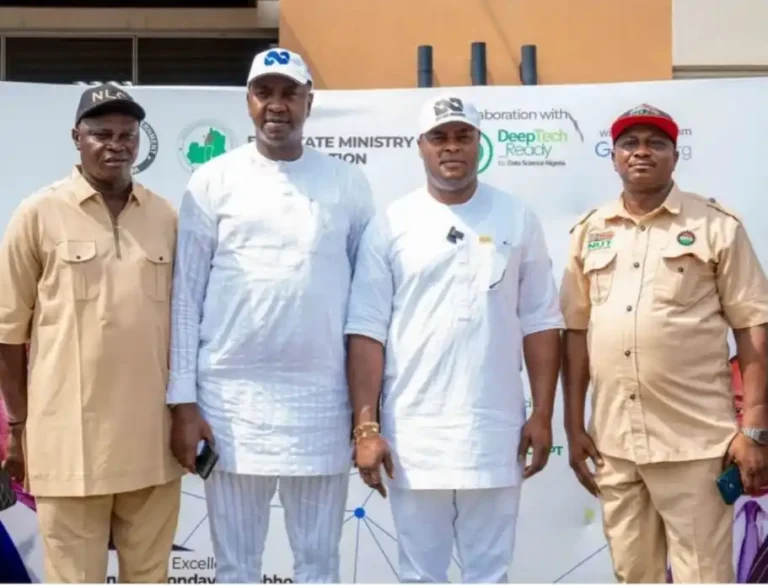
The Edo State Government has flagged off a six-month Advanced Job Ready Tech Skills Training in collaboration with Google and DeepTech Ready in Benin, aimed at empowering youths with digital skills.

The programme was officially launched on Wednesday, with the state government expressing readiness to support participants who complete the training to move closer to their career goals.

Speaking at the flag-off, the Commissioner for Education, Dr. Paddy Iyamu, said the initiative reflects the government’s commitment to preparing young people for opportunities in the digital space. The event featured an exhibition by Miss Elizabeth Chioma Chiketarauba, a 400-level Mechatronics Engineering student of the University of Benin, who showcased a solar-powered tricycle she invented.

Chiketarauba explained that the idea came after she experienced a seizure while attempting to board a commercial bus due to smoke pollution. She said the tricycle was designed as a cleaner alternative and added that it has the capacity to charge mobile phones, power a home, and support small businesses.

Dr. Iyamu praised the innovation and announced a N1 million support package for the student on behalf of the Edo State Government. He urged students across the state to think creatively and develop practical solutions to problems.

On the broader digital skills drive, the commissioner disclosed that the governor had approved a revamp of the state tech hub to strengthen training delivery. He added that no fewer than 25 Computer-based Test CBT centres would be created.

According to him, about 800 youths, most of them students, are expected to benefit from the programme. He encouraged interested students to take advantage of the opportunity.

“We are going to be certifying about 800 of our students in tech skills so that we can give them the opportunity in the international space,” Iyamu said.

“We are going to be doing a serious drive in terms of Computer-based Test CBT centres, so that we can put students to learn so that they can also compete anywhere in the world,” he added.