Home Blog Page 152

BUA Cement Signs CBMI Deal for 3mtpa Sokoto Cement Line

0

BUA Cement Plc, manufacturer of BUA Portland Limestone Cement and Sokoto Portland Limestone Cement, has signed an agreement with CBMI to build a new ultra-modern three-million-ton-per-annum cement line in Sokoto, marking a major step in the company’s expansion drive.

Announcing the development, the company said the agreement reflects its commitment to meeting Nigeria’s growing infrastructure needs and strengthening local cement supply. “This project represents a major milestone in our growth journey and underscores our dedication to supporting Nigeria’s development,” the company said.

The US$240 million project covers the construction of the new cement line, a power plant, and other key supporting facilities. When completed, the investment will raise BUA Cement’s total annual production capacity to 20 million tons, while also improving supply across the northern region and beyond.

The agreement builds on a 15-year working relationship between BUA Cement and CBMI. Over the years, CBMI has successfully delivered cement production lines with a combined capacity of 14 million tons across BUA Cement’s plants in Obu, Edo State, and Sokoto. According to the company, this track record provided confidence for the new phase of collaboration.

The Sokoto plant is strategically positioned as the only cement plant in Nigeria’s North-West zone. This location allows efficient access to several landlocked neighbouring countries, enabling the company to serve both domestic and regional markets. “Our Sokoto location gives us a strong advantage in supplying quality Nigerian cement to new communities and key infrastructure projects,” the company stated.

In parallel with the cement line, the company is developing a 700-ton-per-day mini LNG plant in Kogi State. Scheduled for completion later this year, the facility will supply clean and reliable energy to power the new Sokoto line and existing operations, helping to improve efficiency and reduce emissions.

The company said completion of the Sokoto line is targeted within 20 months and expressed confidence that the project will strengthen its position in Nigeria.

Read also: Seplat Achieves First Gas at 300MMscfd ANOH Project

Advertisement

US Mission revisits Google Developers Space launch in Nigeria

0

A post by US Mission Nigeria on X has renewed attention on Google’s decision to establish its first Google Developers Space in Africa in Lagos, Nigeria, a move that marked a major moment in the company’s engagement with African developers and startups. The post, shared under the hashtag #ThisWeekinUSNigeriaHistory, recalled how Google opened the space to support Nigerian tech talent and the wider startup ecosystem.

Google announced the launch in January 2020, stating, “Today, we launched our first Google Developers Space on the African continent, in Lagos, Nigeria.” The company explained that the Google Developers Space was created as a hub for African developers, entrepreneurs and startups, and that it would also house the Google Launchpad Accelerator Africa programme, which was designed to help early stage companies scale.

The launch was linked to an earlier promise made by Google leadership. “Back in 2017 our CEO, Sundar Pichai, made a commitment to African entrepreneurs to start the Launchpad Accelerator Africa program and launch a space to house these efforts in Nigeria,” Google said. According to the company, the Developers Space was “the realisation of that commitment,” providing a place where entrepreneurs, developers, mentors, venture capitalists and investors could connect and collaborate.

In setting up the Lagos facility, Google said it worked closely with local partners to reflect the needs of the African tech ecosystem. The company partnered and co-located with Impact Hub Lagos and also worked with a Nigerian firm, Spacefinish, to design an environment intended to foster collaboration and innovation. Google said this approach helped ensure the space was relevant and accessible to the local community.

At the time of the launch, Google announced that access to the Developers Space would be free. “Starting today, members of the African tech community can use this Space for free,” the company said. It added that the facility would support developer meetups, training sessions, experts’ office hours, Women in tech events, startup programmes outside Launchpad, partner events that support the wider entrepreneur and developer ecosystem, and Google initiatives focused on empowering people through digital skills training.

Google also shared figures showing the reach of the Launchpad Accelerator Africa programme. Since it kicked off in 2018, the company said it had worked with 47 startups from 17 African countries, including Algeria, Botswana, Cameroon, Côte D’Ivoire, Egypt, Ethiopia, Ghana, Kenya, Morocco, Nigeria, Rwanda, Senegal, South Africa, Tanzania, Tunisia, Uganda and Zimbabwe. According to Google, these startups “have collectively raised millions of dollars in investment, and created hundreds of jobs,” highlighting the programme’s economic impact.

In the years following the launch, Google’s engagement with Nigeria and Africa has continued through related initiatives. Launchpad Accelerator Africa later evolved into Google for Startups Accelerator: Africa, which has remained active, with Nigerian startups regularly selected in recent cohorts. Reports from 2024 and 2025 cohorts show Nigerian founders among participants building solutions in fintech, health technology, climate and artificial intelligence, receiving equity free support, mentorship and access to global networks.

Developer community activity connected to Google initiatives has also remained visible. Google Developer Groups continue to organise meetups and technical sessions across Nigeria, while DevFest events held in Lagos and other cities in recent years have attracted thousands of developers for workshops, talks and hands on learning. These events align with Google’s earlier aim of supporting community led learning through the Developers Space and related programmes.

Google has also expanded its focus on digital skills and AI in Nigeria. In recent announcements, the company highlighted new investments and partnerships aimed at training developers, students and small businesses, with Nigeria identified as a key market. Reports on AI adoption and digital skills training show increasing participation by Nigerians, reflecting demand for the type of opportunities the Developers Space and its connected programmes were created to support.

Providing broader context at the time of the launch, Google said it runs programmes such as Google Developer Groups and Women Techmakers to support developers with training aligned to real life job requirements. Community groups also engage in activities like Study Jams, which Google described as study groups for developers. The company said there were 173 active Google Developer Groups in Africa hosting meetups, workshops and DevFests, with more than 100 DevFest events held across the continent in a year.

Google also said Africa was home to 135 Developer Student Clubs, which are university based groups for students interested in Google developer technologies. Its Women Techmakers initiative, aimed at enabling women in technology to thrive through visibility, community and resources, was described as having over 150 chapters across 25 African countries.

Reiterating its outlook, Google said Africa’s startup ecosystem is growing and added, “we’re looking forward to working with startups and other players in the ecosystem from across the continent at the Space,” underlining the continued relevance of the Lagos Developers Space within its broader Africa strategy.

Read also: Apply: FG 3MTT National Impact Challenge

Rivers flags off first batch of School to Land agribusiness training scheme

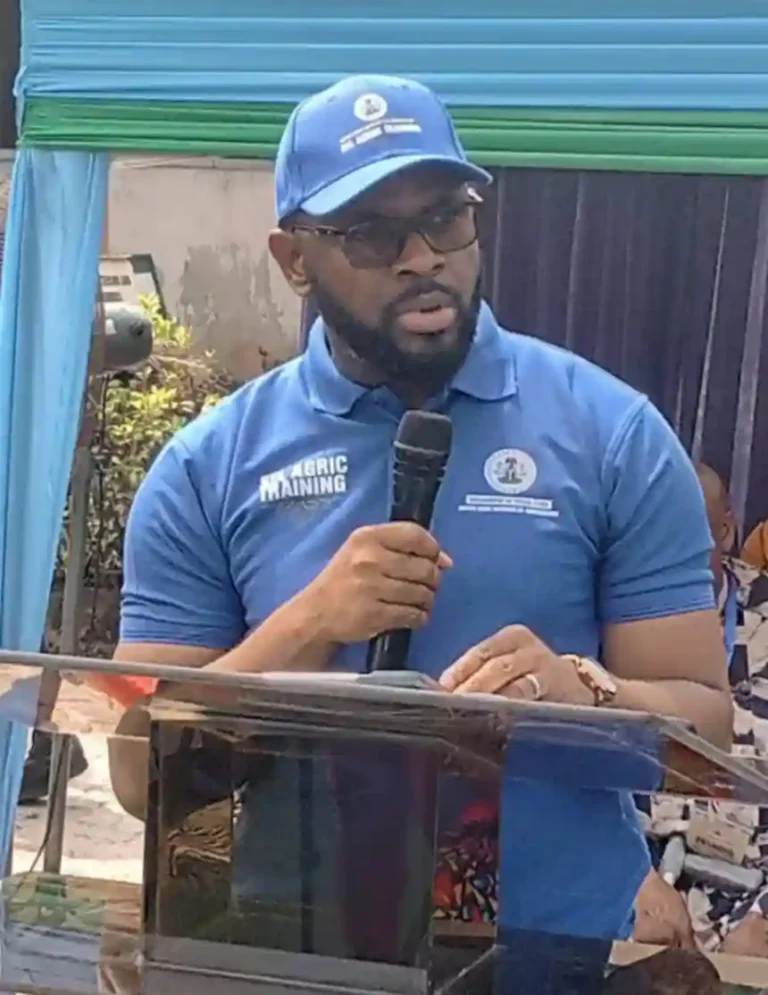
The Rivers State Government has officially flagged off the first batch of the School-To-Land Agri-Business Training Scheme, with a call on beneficiaries to approach the programme with seriousness and see agriculture as a profitable business rather than a last option.

The flag-off ceremony took place at the School-To-Land Authority in Rumodomaya, Obio/Akpor Local Government Area, where the Honourable Commissioner for Agriculture, Engr. Victor Kii, addressed participants and stakeholders.

Speaking at the event, Engr. Kii urged the beneficiaries to fully commit themselves to the training, describing agriculture as a clear pathway to prosperity if properly embraced. “This programme is not a fallback plan. It is a business opportunity and a route to long-term success for those who are ready to work,” he said.

He explained that the School-To-Land Agri-Business Training Scheme reflects a renewed vision by the state government to reposition agriculture as a sustainable and attractive livelihood for young people. According to him, the initiative is targeted at reducing unemployment, increasing food production, diversifying the state’s economy, and grooming a new generation of agribusiness entrepreneurs.

Engr. Kii noted that the training structure is largely practical, with emphasis on hands-on activities rather than classroom theory. He said this approach was designed to bridge the gap between academic knowledge and real-life agricultural practice. “We are focusing on practical learning because that is what builds confidence, improves productivity, and opens opportunities across the agricultural value chain,” he stated.

The Commissioner further disclosed that the programme aligns with the Renewed Hope Initiative, which is spearheaded nationwide by Senator Oluremi Tinubu and coordinated in Rivers State by Lady Valerie Fubara. He said beneficiaries of the Renewed Hope Programme were integrated into the scheme to strengthen their technical capacity, address food insecurity, and promote long-term economic resilience in the state.

He expressed appreciation to Governor Siminalayi Fubara for his leadership and consistent support for youth-focused programmes. According to Engr. Kii, the Governor’s administration understands the role of agriculture in driving economic growth, ensuring food security, and creating jobs. “The Governor’s commitment to youth empowerment and agricultural development is clear in the support given to this programme,” he said.

While congratulating the selected beneficiaries, Engr. Kii cautioned them against seeing the initiative as an avenue for handouts. He stressed that participation comes with responsibility and accountability. “Only those who show seriousness and dedication will qualify for further support,” he warned.

He also cautioned beneficiaries against selling empowerment items provided through the scheme, adding that ministry officials would carry out regular monitoring visits to track progress and compliance. He assured applicants who were not selected in the first batch that more batches would be rolled out, explaining that the programme is being implemented in phases to achieve wider reach and impact.

Also speaking at the event, the Commissioner for Employment Generation and Economic Empowerment, Dr. Chisom Kenneth Gbali, thanked the beneficiaries for their willingness to participate and reaffirmed the state government’s commitment to youth empowerment. He said the government is deliberately shifting focus from physical infrastructure to building human capacity. “Developing people is the foundation for sustainable growth, and this training is part of that vision,” he said.

In his opening remarks, the Director of School-To-Land in Rivers State, Dr. Yinka Akinbami, thanked the Governor for reviving the programme and preventing it from going into extinction. He assured participants that the scheme has been restructured to deliver practical and valuable knowledge that would prepare them for success in agribusiness.

Dr. Akinbami later conducted the Commissioner for Agriculture, other commissioners, and key stakeholders on a tour of the School-To-Land facility and farm.

A major highlight of the event was the symbolic presentation of training kits to beneficiaries drawn from the 23 Local Government Areas of Rivers State. The kits were presented by Engr. Victor Kii, former Commissioner for Commerce and Industry Barr. John Otamiri, former Commissioner for Special Duties in the Governor’s Office Engr. Basoene J. Benibo, and Dr. Gbali, in the presence of the Permanent Secretary of the Ministry of Agriculture, Mr. Maurice Ogolo, and other officials.

Read also: Apply: Africa CDC Data and Safety Monitoring Board (DSMB) Training Programme

Rivers State to Host Job Fair With Over 86 Companies

0

The Rivers State Government, in partnership with the Nigeria Employers’ Consultative Association (NECA), will host the maiden edition of the Rivers State Job Fair.

A statement signed by the Commissioner for Employment Generation and Economic Empowerment, Dr. Chisom Kenneth Gbali, said the one-day event is designed to bridge the gap between job seekers and employers, with over 86 reputable companies expected to participate.

According to the statement, the job fair is themed “Addressing Youth Employability for Prosperity” and will take place at the Dr. Obi Wali International Conference Centre, Port Harcourt, on Thursday 22 January 2026, beginning at 10:00 a.m.

Gbali said the initiative will “provide a unique platform for young professionals and job seekers to engage directly with employers, build professional networks, and explore career and development opportunities”.

He added that industry experts and stakeholders will be present, describing the fair as “an opportunity for individuals seeking to advance their careers or expand connections”.

Read also: Ekiti Begins Nigeria for Women Programme Scale-Up

Ekiti Begins Nigeria for Women Programme Scale-Up

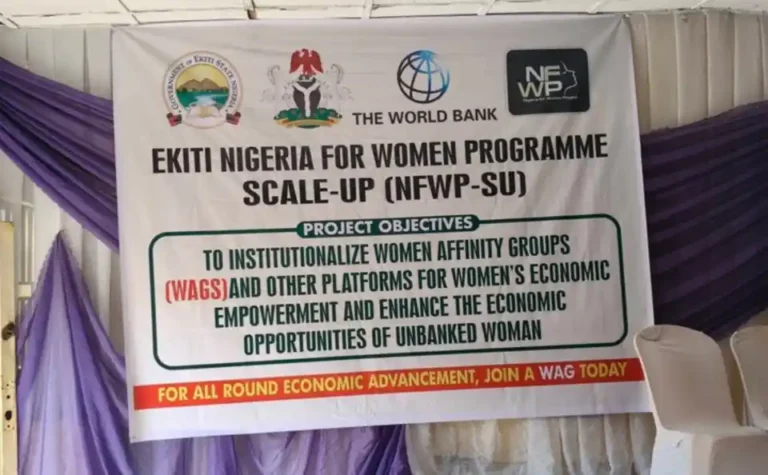
Ekiti State has commenced the implementation of the Nigeria for Women Programme (NFWP-Scale Up) in Efon Alaaye, marking a new step toward strengthening women’s economic participation through a World Bank–supported initiative focused on entrepreneurship, financial inclusion and sustainable livelihoods for grassroots women.

The programme was formally introduced during a stakeholders engagement held in Efon Alaaye, where the Commissioner for Women Affairs and Social Development, Mrs Olapeju Babafemi, explained that the project is designed to institutionalise Women Affinity Groups (WAGs) and other platforms that support women’s economic empowerment, while also expanding opportunities for women who are currently unbanked.

Babafemi stated that the programme would be implemented in three local government areas, namely Efon, Gbonyin/Ayekire and Moba, stressing that the initiative is strictly non-partisan and open to women across all political affiliations. According to her, the Nigeria for Women Programme belongs to women and is focused on improving their lives, regardless of political background.

She further disclosed that the initiative is jointly funded by the Ekiti State Government and the World Bank, describing women’s empowerment as a strategic investment in national development. “Empowering women is as good as empowering the entire nation. This programme is not about politics; it is about improving lives and strengthening our economy from the grassroots,” Babafemi said.

The commissioner explained that beneficiaries would be organised into Women Affinity Groups, described as small clusters of like-minded entrepreneurial or business women aged 18 years and above. She noted that members of each group would meet weekly and contribute savings at an affordable level, adding that the groups would receive structured training and access to the Community Investment Fund to support their business activities.

Babafemi added that the core objective of the programme is to improve economic opportunities for grassroots women and build sustainable livelihoods. She said the success of the initiative in the selected local governments would pave the way for its expansion to other parts of the state, allowing more women to benefit from similar interventions.

Speaking on behalf of the Wife of the Ekiti State Governor, Dr Olayemi Oyebanji, the Senior Special Assistant on Advocacy to the Wife of the Governor, Dr Eunice Fasanmi, reiterated the First Lady’s strong commitment to women’s development and her support for the successful implementation of the Nigeria for Women Programme in Ekiti State.

Dr Fasanmi said the First Lady is deeply committed to the programme because of its wide-ranging socio-economic benefits, urging women leaders at all levels to mobilise women of like minds to fully participate. She assured participants that the Wife of the Governor would continue to provide support to ensure the programme achieves its intended outcomes.

In her remarks, the Ekiti State Project Coordinator for the programme, Mrs Oluwatoyin Familoni, noted that the Nigeria for Women Programme has already been implemented across the six geo-political zones of the country, with Ogun State representing the South-West during the maiden phase. She described Ekiti State’s inclusion in the scale-up phase as a significant opportunity for women in the state.

Familoni urged beneficiaries to show full commitment to the programme, stating that the combined efforts of the Ekiti State Government and the World Bank would only yield lasting results if participants remain dedicated. She disclosed that about 34 states have keyed into the programme nationwide, adding that extensive sensitisation had been carried out in Efon Alaaye through meetings with traditional rulers and key stakeholders.

According to her, each participating local government has been given a target of 1,200 Women Affinity Groups, with a minimum of 20 women per group. “The level of commitment shown by participants will determine how much they benefit from the programme,” she said.

Providing further insights, Mrs Opeoluwa Asoro, who represented the Ogun State Project Coordinator, reiterated that the initiative has no political undertone and is open to all businesswomen in Efon Alaaye who meet the age requirement. She said the programme offers women access to low-interest loans, protecting them from exploitative and high-interest credit sources.

Asoro explained that the scheme is designed to be transparent and accountable, while also offering business management training, financial support and access to equipment. She added that the intervention would be implemented in three phases, during which beneficiaries would receive training on effective financial management and business growth strategies.

She stressed the importance of discipline, sincerity and collective responsibility among group members, noting that the success of each Women Affinity Group depends on trust and cooperation. Also speaking at the event, the Director-General and Senior Special Assistant, Office of Transformation Service Delivery, Dr John Ekundayo, alongside the Obanla of Efon Alaaye and High Chief Olawole Oni, urged women in the local government to ensure the required number of participants is met.

They emphasised that full participation would position Efon Alaaye as a model for other local governments in Ekiti State. In her contribution, the Permanent Secretary, Ministry of Women Affairs and Social Development, Mrs Olusola Adeluyi, congratulated Efon Local Government on being selected as a beneficiary of the programme.

Speaking on behalf of women in Efon Alaaye, Chief Mrs Ronke Okusanya highlighted the importance of economic empowerment, while stressing that the success of the initiative depends largely on strong commitment from all stakeholders. She called on women across the local government to embrace the programme fully.

“We are determined to take full advantage of this opportunity. Women in Efon Local Government are ready and committed,” she said. Okusanya added that the expected number of participants would be completed before the second of next month, in line with the programme’s timeline.

The event attracted community leaders and representatives of non-governmental organisations, including New Generation for Girls and Women Development Initiatives, represented by Mrs Bimbo Aladejare, and Balm of Gilead Foundation, represented by Mr Nelson Akelere. Other dignitaries in attendance included the Chief Whip of the Ekiti State House of Assembly representing Efon Alaaye, Hon. Bose Olowokere, the Director-General of the Bureau of Civic Orientation and Citizenship, Mrs Olawunmi Famuyiwa, the Chairman of Efon Local Government, Hon. Segun Afolabi, the Director of the WAOH Project, Dr Mrs Dairo, and the Alaaye of Efon Kingdom, represented by Olori Roseline Aladejare, among others.

Read also: Apply: 2026 PalmPay Graduate Trainee Program

Apply: 2026 PalmPay Graduate Trainee Program

0

PalmPay has opened applications for the 2026 PalmPay Graduate Trainee Program, and is calling all young professionals to apply. The program is designed to help young talents gain mentorship from industry experts, work on hands-on projects, and build real-world experience needed to shake up the fintech industry. This initiative is targeted at graduates who are eager to learn, grow, and contribute meaningfully to digital finance in Africa.

The program offers a structured pathway for participants to understand how a fast-growing fintech company operates while building skills that are relevant in today’s competitive job market.

About the Program

The PalmPay Leaders Program is a graduate trainee initiative that develops high-potential talents who are passionate about innovation and digital finance. Participants gain hands-on experience, work on real fintech projects, and receive mentorship in a fast-paced environment. The program is designed to prepare young professionals to build impactful careers and contribute to the future of digital payments across Africa.

Key details of the program include:

  • Department: Multiple Functions
  • Location: Ikeja, Lagos, Nigeria
  • Employment Type: Full-Time
  • Program Duration: 6 Months, with confirmation based on performance

Throughout the program, trainees are expected to actively participate in learning activities, contribute to team objectives, and demonstrate growth in both technical and professional skills.

About the Company

PalmPay is a leading pan-African fintech company committed to driving financial inclusion across emerging markets. The company provides seamless digital payment solutions, merchant services, and consumer financial products that empower individuals and businesses to grow.

As part of its growth strategy, PalmPay is launching this Graduate Trainee Program to attract, develop, and retain high-potential young professionals. These trainees are expected to form part of the next generation of leaders within the organization, supporting its mission to make digital payments accessible and reliable.

What We Offer

Participants in the PalmPay Fintech Leaders Program will benefit from:

  • A structured learning and development program
  • Competitive entry-level compensation
  • Mentorship from experienced professionals across different functions
  • Opportunity for full-time employment upon successful completion
  • Exposure to a fast-growing fintech ecosystem
  • Clear career growth and advancement opportunities

Key Responsibilities

Trainees will be involved in a wide range of activities, including:

  • Participating in structured classroom and on-the-job training programs
  • Learning PalmPay’s products, systems, policies, and operating procedures
  • Supporting teams in day-to-day operational and strategic tasks
  • Assisting in data analysis, reporting, and documentation
  • Contributing to process improvement and operational efficiency initiatives
  • Working on assigned individual and team-based projects
  • Conducting research and presenting findings or recommendations to stakeholders
  • Supporting product launches, campaigns, or internal initiatives where required
  • Participating in mentorship, coaching, and performance review sessions
  • Demonstrating continuous learning, adaptability, and a growth mindset
  • Upholding PalmPay’s values, culture, and ethical standards

Eligibility & Requirements

Education:

  • Minimum of a Bachelor’s degree with Second Class Upper minimum from a recognized institution
  • Degree in Business, Finance, Economics, Engineering, Computer Science, Marketing, or related disciplines

Experience and other must-haves:

  • 0–2 years of post-NYSC work experience
  • Not more than 27 years of age at the time of application
  • Must have completed NYSC at the time of application
  • Must reside in Lagos, Nigeria

Skills & Competencies:

  • Strong analytical and problem-solving skills
  • Excellent communication and interpersonal abilities
  • High level of integrity, professionalism, and attention to detail
  • Willingness to learn, take feedback, and work in a fast-paced environment
  • Basic proficiency in Microsoft Office tools such as Excel, PowerPoint, and Word
  • Interest in fintech, technology, and digital innovation

Key Attributes:

  • Self-motivated and results-driven
  • Adaptable and resilient
  • Team-oriented with leadership potential
  • Customer-focused mindset

How to Apply

Interested applicants are to apply via the official portal.

Application Closes: Jan 26th, 2026
Link to Apply: APPLY HERE

Read also: Apply: BYY Innovations Internship Program

FG Selects Ekiti for SAPZ Phase Two Programme Backed by AfDB

The Federal Government has selected Ekiti State to participate in the Special Agro-Industrial Processing Zones (SAPZ) Phase Two Programme, a major initiative supported by the African Development Bank (AfDB).

The notification, conveyed through the SAPZ National Coordination Office, affirmed the Federal Government’s recognition of Ekiti State’s commitment to agricultural transformation, industrialisation, economic diversification, and job creation, adding that processes required to operationalise the programme are being finalised.

Reacting to the development, the Ekiti State Government described the selection as a significant milestone and a strong endorsement of the Oyebanji Administration’s agriculture-led industrial growth agenda. The Commissioner for Agriculture and Food Security, Mr Olatunbosun, said Ekiti’s inclusion in SAPZ Phase Two reflects sustained efforts to reposition agriculture as a key driver of industrialisation, employment generation, and sustainable economic growth.

“This programme will significantly enhance value addition, attract private sector investment, and improve livelihoods across Ekiti State,” Olatunbosun said.

He explained that the benefits of the SAPZ Programme would be far-reaching, with thousands of jobs expected for young people, particularly in agro-processing and related industries. He added that small and medium enterprises (SMEs) would gain from stronger value chains and improved access to new markets, supporting growth and economic contribution.

“This initiative is not just about agriculture; it is about empowering our people, especially our youth and SMEs, to build sustainable livelihoods, improve food security, and drive Ekiti’s economic future,” he stated.

Olatunbosun assured that the state government is fully prepared for timely and effective implementation. He said steps include execution of Subsidiary Loan Agreements, establishment of a State Implementation Unit, and compliance with environmental and social safeguards, including compensation of Project Affected Persons at the Agro-Industrial Hub in Itapaji.

He mentioned the opening of dedicated project accounts and preparation of procurement plans and annual work programmes to guide execution and monitoring across project locations within the state during the rollout period.

The Commissioner disclosed that the SAPZ National Coordination Office plans to organise an onboarding workshop to provide technical guidance to participating states ahead of full implementation.

He reaffirmed Ekiti State’s readiness to work with the Federal Government, development partners, relevant Ministries, Departments and Agencies, and the private sector to deliver SAPZ Phase Two. He added that the programme aligns with the state’s vision of enhancing food security, strengthening agricultural value chains, and creating sustainable economic opportunities, while driving inclusive growth and long-term prosperity. He said the government views the programme as a platform to deepen collaboration, unlock private capital, expand processing capacity, and improve competitiveness of local agricultural products in regional and international markets sustainably.

Read also: LAPO, WSBI launch financing for 20,000 women

Lagos Begins Enforcement of Mandatory Health Insurance Scheme

0

The Lagos State Government on Wednesday formally inaugurated the Lagos State Health Scheme Enforcement Team, marking the start of full implementation of Governor Babajide Olusola Sanwo-Olu’s Executive Order on mandatory social health insurance aimed at ensuring that no resident is denied access to healthcare because of financial constraints. The ceremony, held at the Conference Room of the Public Service Office in Alausa-Ikeja, brought together stakeholders from state and federal institutions and reinforced Lagos State’s leadership drive toward universal health coverage through the Ilera-Eko Social Health Insurance Scheme for residents.

Delivering the keynote address, the Head of Service of Lagos State, Mr. Olabode Agoro, described the inauguration as a major milestone in the state’s health reform efforts. He said the Executive Order reflects the government’s commitment to affordable, accessible and sustainable healthcare for all residents, adding that health security remains a core social priority. According to him, the policy is designed to remove financial barriers that often prevent residents from seeking care when needed and to strengthen trust in the public health system across communities.

Agoro explained that since the Executive Order was issued, the state had carried out strategic engagements to ensure smooth implementation. These included a retreat with Permanent Secretaries in September 2025 and a follow-up engagement with Heads of Agencies in December 2025. He said the meetings were aimed at securing institutional ownership, aligning Ministries, Departments and Agencies with the enforcement framework, and ensuring that public institutions understood their responsibilities under the scheme.

He noted that enforcement would be rolled out in phases, starting with Ministries, Departments and Agencies in the first quarter of the year. According to him, the process would later extend to local governments, local council development areas, the formal sector and corporate organizations across Lagos State. He said the phased approach would allow for learning, adjustments and broader awareness as coverage expands.

Addressing public concerns, the Head of Service stressed that enforcement was not intended to be punitive. “This is not about arrests or sanctions; it is about advocacy, persuasion and moral suasion,” he said. He explained that enforcement would include restricting access to certain government services for residents who fail to enroll, similar to requirements for tax compliance, in order to encourage participation without criminalization.

Agoro directed all Ministries, Departments and Agencies to lead by example by ensuring that every staff member is enrolled on Ilera-Eko. He also instructed MDAs to integrate the LASHMA registration link on their official websites and to demand proof of enrollment before providing services. He disclosed that compliance would be monitored through monthly reports submitted to his office to track progress and address gaps.

In a further directive, Agoro announced that evidence of Ilera-Eko enrollment would now be mandatory during monthly staff audits. He warned that salaries of officers who fail to comply would be withheld. “Government already pays 75 per cent of the premium. We cannot afford to waste resources,” he stated, emphasizing accountability in the use of public funds.

Earlier, the Director-General of the National Health Insurance Authority, Dr. Kelechi Ohiri, commended Lagos State for pioneering mandatory health insurance implementation. He said the move aligns with President Bola Ahmed Tinubu’s health sector renewal agenda and national health insurance reforms. Ohiri described health insurance as a vital shield against “health poverty,” noting that both poor and middle-income earners face catastrophic costs without coverage. “No Nigerian should have to sell property or borrow money in the middle of the night to save a life,” he said.

Ohiri pledged continued federal support for Lagos State and expressed optimism that the scheme would attract millions of enrollees over time. “We will be here to celebrate one million, two million, and even ten million enrollees,” he assured, adding that Lagos could serve as a model for other states.

The Permanent Secretary of the Lagos State Health Management Agency, Dr. Emmanuella Zamba, said the Enforcement Team was constituted under the Governor’s Executive Order of July 16, 2024, which mandates social health insurance enrollment for all residents. She explained that Ilera-Eko offers actuarially designed plans to meet different needs, including Standard, Standard Jaara, Standard Jaara Plus, Seniors Plan and diaspora-focused packages.

Zamba said mandatory enrollment is critical for equity, sustainability and financial protection. She disclosed that members of the Enforcement Team had undergone specialized training at the Lagos State Law Enforcement Training Institute and are expected to operate with professionalism, fairness and integrity. She acknowledged the support of the Head of Service and appealed for additional logistics, including buses and a pick-up vehicle, to strengthen field operations.

In his remarks, the Special Adviser to the Governor on the Parastatal Monitoring Office, Hon. Ibrahim Obanikoro, urged residents to embrace the scheme, describing health as wealth. He said health insurance offers critical financial relief during emergencies. Also speaking, the Permanent Secretary of the Public Service Office, Mrs. Sunkanmi Oyegbola, announced that officers must present evidence of Ilera-Eko enrollment during monthly staff audits and pay-at-site exercises. “No enrollment, no pay,” she said.

Read also: Ogun State Unveils OgunLEARN to Digitalise Education Sector

FG, Sokoto Govt Launch Digital Skills Mentorship for MSMEs

0

The Federal Government, through the National Information Technology Development Agency, in collaboration with the Sokoto State Government’s Ministry of Innovation and Digital Economy, has launched a three day Digital Skills Mentorship Program for Micro, Small, and Medium Enterprises, DSMP–MSME, in Sokoto.

The programme, which is holding at Lint-Tech Limited Training Hub, Sokoto, is aimed at equipping business owners with relevant digital skills needed to compete effectively in a technology driven economy.

Declaring the programme open, the Honourable Commissioner for the Ministry of Innovation and Digital Economy, Hon. Bashar Umar Kwabo, described the initiative as timely, noting that digital capacity is now essential for business survival and growth.

He commended NITDA for the collaboration, stating that it reflects a shared commitment to building an inclusive and innovative digital economy.

“This training is designed to provide practical digital knowledge that will help MSMEs improve productivity, expand market access, and strengthen their businesses,” Kwabo said.

He also highlighted the Sokoto State Government’s commitment to digital inclusion, innovation, and human capital development under the leadership of His Excellency, Dr. Ahmad Aliyu Sokoto.

According to him, the establishment of the Ministry of Innovation and Digital Economy and the Sokoto Information and Communications Technology Development Agency demonstrates the state’s dedication to advancing digital transformation.

In his welcome address, the Permanent Secretary of the Ministry, Dr. Nasir Daniya Mni, disclosed that the programme received over 4,500 applications.

He said only 30 participants were selected based on merit, comprising 60 percent men, 40 percent women, and 10 percent persons with disabilities.

“This selection process reflects our focus on fairness, inclusion, and capacity,” Daniya said.

Speaking on behalf of NITDA, Dr. Ahmed Yusuf Tambuwal, Assistant Director, explained that the programme is structured to equip MSMEs with digital tools that can be applied immediately to their businesses.

He added that outstanding participants would be rewarded with laptop prizes to encourage excellence and innovation.

“The goal is to ensure that participants leave with skills they can use right away,” Tambuwal said.

Also speaking, Mr. Murtala Nuhu, Director of ICT at the Ministry, urged participants to take full advantage of the opportunity, stressing that the digital economy represents the future of business growth.

Lectures at the programme were delivered by Dr. Shadi Sabeh, Vice Chancellor of iConic Open University and Founder of BFI Group, and Manir Malami Umar MNCS, Chairman of the Nigeria Computer Society, Sokoto State Chapter.

The opening ceremony was attended by Directors and Heads of Units from the Ministry and the Sokoto Information and Communications Technology Development Agency, NITDA representatives, and other invited guests.

Read also: LAPO, WSBI launch financing for 20,000 women

Ogun State Unveils OgunLEARN to Digitalise Education Sector

0

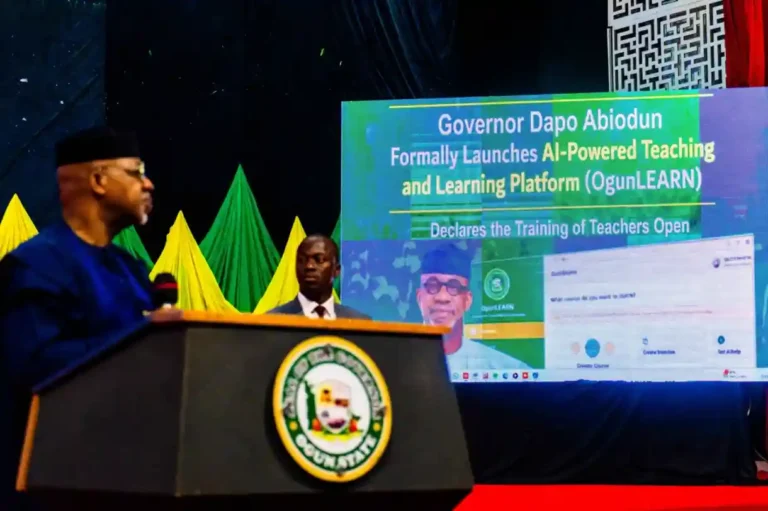
Ogun State Governor, Prince Dapo Abiodun, CON, has launched a first-of-its-kind Artificial Intelligence (AI)-powered Teaching and Learning Platform, known as the Ogun Learning Enhancement and Academic Resource Network (OgunLearn), aimed at repositioning the state’s education sector for 21st-century learning.

The platform was officially unveiled at the June 12 Cultural Centre, Abeokuta.

Speaking at the launch, Governor Abiodun said OgunLearn would provide comprehensive lesson resources and interactive learning support for students, while enabling teachers to plan lessons, access teaching materials and track performance more efficiently.

He explained that the platform would promote creativity, digital thinking and self-paced learning, adding that it is designed not only to deliver educational content but also to nurture accountability, analytical thinking and lifelong learning skills among learners.

“Today, OgunLearn reflects our firm belief that every child, regardless of location or background, deserves access to quality education enhanced by technology,” the governor said.

Abiodun noted that the initiative represents foresight, innovation and a deliberate effort to prepare children and youths for the future rather than the past.

According to him, OgunLearn is a digital education tool developed to modernise teaching and learning across schools in the state.

“We are today the only state in the federation that operates a Skills Qualifications Awarding Body. We are also an accredited training centre that enables our learners to become globally recognised digital professionals,” he stated.

The governor listed several education and skills development initiatives introduced by his administration, including the Ogun Skills Fund to drive employability; Ogun Educash and Ogun Scholar to promote access and equity; Ogun-Rehab to modernise school infrastructure; Ogun Teach to strengthen teacher quality; and Ogun-DIPER to enhance transparency and efficiency.

“Collectively, these initiatives represent a deliberate system reform agenda that places learners, teachers and outcomes at the centre,” he added.

Abiodun said exposing students across the state to AI concepts would help build a workforce capable of innovating locally, competing globally and attracting high-value investments.

He also disclosed that OgunLearn is a key component of the broader Education Digital Transformation Agenda (OGSERA), through which the state has embraced technology to strengthen institutions, empower teachers and improve learning outcomes.

“One of our flagship digital achievements is the Digital Platform for Education Revitalisation (DIPER), an integrated school management system that has transformed how schools plan, deliver, track and manage teaching and learning.

“DIPER has brought transparency, efficiency and real-time data into school administration, making evidence-based decision-making the norm,” he said.

The governor further noted that Ogun State has become a national reference point in Technical and Vocational Education and Training (TVET), transforming it into a credible and employment-oriented pathway.

He added that the state pioneered the Learner Identification System (LIN), which has now been adopted nationally by the Federal Government as the Examination Learner Identification Number (ELIN).

“This is a clear testament that Ogun State is leading in education innovation,” Abiodun said.

He concluded by affirming that education remains the strongest legacy of his administration.

“Through initiatives like OgunLearn, we are confidently building our future together,” he added.

Earlier, the Commissioner for Education, Science and Technology, Prof. Abayomi Arigbabu, recalled how the state leveraged technology during the COVID-19 pandemic to ensure uninterrupted learning, noting that OgunLearn has further consolidated the state’s leadership in the education sector.

Read also: Apply: Africa CDC Data and Safety Monitoring Board (DSMB) Training Programme