Home Blog Page 154

China, ABU to Advance Joint Agriculture Technology Incubation Centre

0

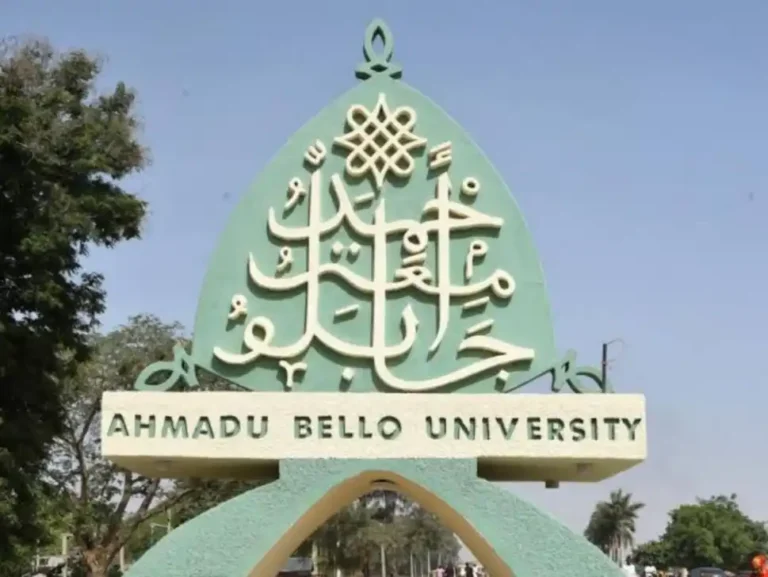
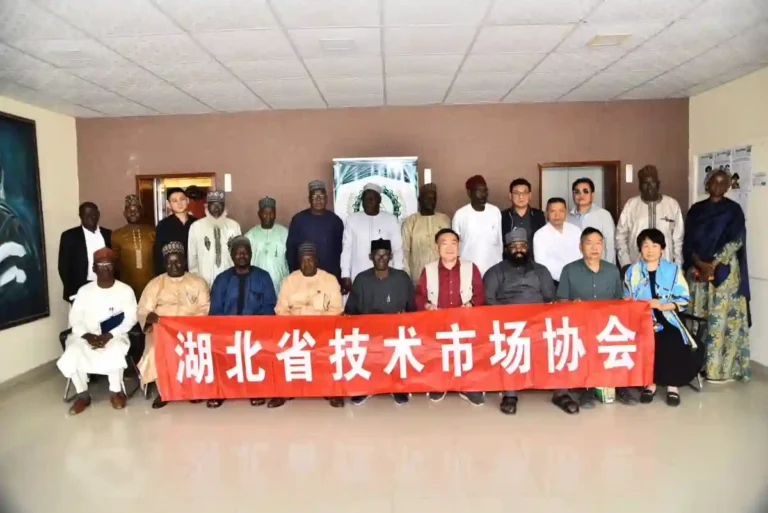
Chinese officials from Wuhan, China, have paid a courtesy visit to the Vice-Chancellor of Ahmadu Bello University, Prof Adamu Ahmed, in a move aimed at deepening agricultural research and technology collaboration between Nigeria and China.

The delegation was received on Monday, January 19, 2026, at the Vice-Chancellor’s Conference Room, Main Campus, Samaru, Zaria. The visit marked a follow-up to earlier engagements between representatives of the university and Chinese institutions on agricultural development and innovation.

Briefing the Vice-Chancellor, the Director of the Institute for Agricultural Research (IAR), Prof Ado Yusuf, explained that the engagement stemmed from a meeting he attended two months earlier at the China–Africa Development Forum in Wuhan, where he represented the Vice-Chancellor. According to him, it was during the forum that discussions were initiated on potential areas of collaboration with IAR, particularly in seed production and development.

Prof Yusuf disclosed that at the forum he met Prof Guo Bao Yuan, with whom he explored opportunities for joint research, technology transfer, and agricultural innovation. He said Prof Guo later promised to make a follow-up visit to Nigeria to advance the discussions, a commitment that culminated in the current visit to ABU.

Speaking on behalf of the delegation, Senator Mubarak Ahmad Tijjani from Abuja said the team was at the university to partner on a policy framework that had been solidified some weeks earlier in China. He noted that the partnership was intended to activate what he described as the second cornerstone of agricultural development and food security.

According to Tijjani, the Chinese team was proposing the establishment of a joint technology transfer and incubation centre linking Hubei Province and IAR. He explained that for the partnership to be effective, Nigeria required strong local anchors, adding that IAR’s experienced researchers were critical to ensuring successful technology transfer and improved food security outcomes in the country.

He emphasised that Nigeria was ready for the collaboration, noting that by hosting the incubation centre, IAR would not only function as a research institute but also serve as a China–Nigeria incubation hub focused on applied agricultural solutions.

Also speaking, Prof Guo Bao Yuan of the Hubei Provincial Technology Market Association thanked the Vice-Chancellor for the warm reception accorded to the delegation. He recalled that Prof Ado Yusuf had earlier visited Wuhan, describing the city as home to one of the highest concentrations of on-campus students in China. Prof Guo said that during that visit, both parties finalised the signing of two Memoranda of Understanding.

He further explained that in September 2024, Bola Ahmed Tinubu visited China, where discussions were held on strengthening bilateral relations, particularly in agricultural development. He thanked the ABU management for its openness and willingness to collaborate.

In his response, Prof Ahmed stated that Nigeria’s relationship with China was founded on mutual respect. He noted that in terms of technology, China remained a global reference point, adding that the decision to collaborate with ABU, especially IAR, was encouraging. He assured the delegation of the university’s full support and commitment, stressing that ABU would continue to build on its existing partnerships with Chinese institutions and companies.

The Vice-Chancellor was supported at the meeting by members of the university management and senior academics from IAR and the Faculty of Agriculture.

Read also: Katsina approves NBTE training for Youth Craft Village Instructors

Advertisement

KSM VGC Launches Digital Skills Programme for Youth Empowerment

The Knights of Saint Mulumba (KSM), Victoria Garden City (VGC) Subcouncil has launched its Digital Skills Acquisition Programme, marking a deliberate move to strengthen youth empowerment and build practical digital capacity within the community.

The programme, which held over the weekend, was officially kicked off by the Worthy Grand Knight (WGK), Sir Tony Ukairo, with the admission of 23 trainees into Cohort One. The participants were drawn from diverse educational and professional backgrounds but are united by a shared interest in acquiring relevant, future-ready digital skills.

Designed to respond to the realities of today’s fast-evolving digital economy, the initiative focuses on improving employability, encouraging entrepreneurship, and promoting self-reliance among young people. Organisers noted that the programme is tailored to bridge existing skills gaps by equipping participants with competencies that are in high demand across industries.

The training adopts a practical, hands-on approach, exposing trainees to key areas such as digital marketing, web development, data analytics, and cyber security, among other critical digital fields. Participants will engage in interactive sessions, guided projects, and simulations aimed at translating theory into real-world application.

Speaking at the kickoff ceremony, Sir Ukairo emphasised that the programme is rooted in empowerment rather than dependency, drawing inspiration from Matthew 4:19, which states: “Come, follow me, and I will make you fishers of men.” According to him, the initiative is structured to provide sustainable skills instead of short-term support.

“The programme is designed to teach participants how to be self-sufficient contributors in the digital space,” he said. “Our goal is to ensure that trainees learn by doing. Through practical sessions and real projects, they will be empowered to catch their own fish and compete in the global digital economy.”

The trainees were formally welcomed into the programme with a goodwill message from the Subcouncil, which encouraged discipline, consistency, collaboration, and curiosity throughout the learning process. The message stressed that digital skills are no longer optional but essential tools for relevance and competitiveness in the modern world.

The programme will run largely online, combining live and recorded sessions, expert-led instruction, and practical simulations to ensure measurable learning outcomes. Several leaders of the KSM VGC Subcouncil were present and have provided strong institutional backing. They include Sir Anthony Chiejina, Worthy Deputy Grand Knight; Bro Yemi Bankole, Worthy Chancellor; and course instructors Sir Peter Iwuegbu and Bro Dike Ukaegbu.

Also supporting coordination and public engagement is Sir Chojare Igho Najevwe, the Worthy Public Relations Officer of the Subcouncil. With two cohorts planned annually, the initiative is expected to evolve into a sustainable platform that aligns faith-based values with practical solutions to unemployment and digital skills gaps in Nigeria.

Read also: ABU, Huawei to Upgrade ICT Infrastructure with Smart Campus

FCMB Meets ₦200bn Capital Requirement

0

FCMB Group Plc has crossed the ₦200 billion capital requirement needed to retain its national banking licence, meeting a key condition under the Central Bank of Nigeria’s ongoing banking recapitalisation programme.

The milestone comes as the Central Bank of Nigeria recapitalisation policy, introduced in 2024, moves toward its March 31, 2026 compliance deadline. Under the framework, banks must hold a minimum of ₦200 billion in capital for a national licence and ₦500 billion for an international licence.

Regulatory filings show that FCMB met the national benchmark after completing a ₦147.5 billion public share offer in 2024. This clears the bank’s flagship subsidiary to continue operating nationwide without interruption.

A group spokesperson said the achievement secures FCMB’s domestic operations while allowing the bank to pursue the higher capital threshold required for an international licence. According to the group, the national licence compliance removes immediate regulatory pressure and provides stability for the next phase of expansion.

To reach the ₦500 billion international licence requirement, FCMB has launched a ₦160 billion share offer in late 2025 and obtained shareholder approval to raise up to ₦400 billion, subject to regulatory clearance. Analysts say the phased approach allows the bank to align capital raising with market conditions while maintaining operational continuity.

The recapitalisation exercise has produced mixed strategies across Nigeria’s banking sector. Tier-one lenders such as Access Bank, Zenith Bank, and Guaranty Trust Bank have already met the international licence threshold, while several mid-tier banks are adopting staggered compliance plans similar to FCMB’s.

Market observers note that FCMB’s strengthened capital base positions it to expand lending, support digital banking initiatives, and deepen its presence in Nigeria’s corporate and retail segments.

With national licence compliance secured and additional capital raising underway, FCMB’s progress reflects the broader restructuring of Nigeria’s banking industry as regulators push for stronger balance sheets, improved resilience, and increased capacity to support economic growth.

Read also: FG Targets $74bn Livestock GDP in 10 Year

AI in Action Now 2026 to Drive Practical AI Solutions Across Africa

0

Founders, developers and technology leaders are set to converge in Lagos for the AI in Action Now 2026 conference, an event aimed at accelerating practical, homegrown artificial intelligence solutions across Africa.

The conference is convened by Debola Ibiyode, the chief executive officer of CarbonAI Ltd, who said the initiative is designed to move conversations around artificial intelligence beyond industry hype to real-world impact.

Speaking in a statement issued in Lagos, Ibiyode said the conference, themed “Driving Productivity, Innovation, and Sustainability—Building the Future in AI Together,” is scheduled to hold on January 22, 2026, in Lagos.

According to her, the platform is specifically tailored for builders, innovators and decision-makers who are actively seeking to deploy artificial intelligence solutions that respond to Africa’s unique economic, social and development challenges.

“AI in Action Now 2026 is designed as a high-impact platform where deep-tech innovation meets real-world application. The conference will explore how Large Language Models, Agentic AI frameworks and Generative AI can be harnessed to power Africa’s transformation,” Ibiyode said.

She stressed that the era of endless discussions about artificial intelligence without implementation has passed, noting that the conference is targeted at stakeholders who are ready to build, apply and lead with AI-driven solutions.

“We aren’t chasing hype or funding, we are chasing real impact. Our mission is to empower budding founders to turn ideas into deployable solutions while championing responsible AI adoption that creates measurable social and economic change across the continent,” she added.

Ibiyode explained that the event will feature keynote presentations and panel discussions that will provide in-depth insights into Generative AI, Agentic frameworks and their growing role in global productivity and sustainability efforts.

She noted that participants will also take part in hands-on workshops designed to equip them with practical skills for building, deploying and scaling artificial intelligence tools in real-world environments.

According to her, a startup and product showcase will highlight African-built AI solutions across different sectors, while structured mentorship and networking sessions will connect early-stage founders with experienced practitioners, investors and industry leaders.

The conference is expected to attract a broad audience, including software and AI engineers, data scientists, business leaders, educators, policymakers and students, with a strong emphasis on promoting inclusive, ethical and sustainable AI adoption across the continent.

Meanwhile, organisers disclosed that AI in Action Now 2026 will offer organisations and partners opportunities to gain visibility among key decision-makers and emerging artificial intelligence talent in Africa.

Reaffirming the vision behind the event, Ibiyode said Africa’s digital future must be driven from within.

“Africa’s digital revolution must be homegrown. Whether you’re building solutions, shaping policy or mentoring young innovators, this is your platform. Together, we’re not just discussing the future, we’re building it,” she said.

Read also: ABU, Huawei to Upgrade ICT Infrastructure with Smart Campus

ABU, Huawei to Upgrade ICT Infrastructure with Smart Campus

0

Ahmadu Bello University (ABU), Zaria, has entered into a partnership with Huawei Technologies Nigeria Ltd. to modernise its Information and Communication Technology (ICT) infrastructure through the implementation of the Huawei Smart Campus Project.

The collaboration was formalised through a Memorandum of Understanding (MoU) signed on Wednesday in Zaria. The Vice-Chancellor of ABU, Prof. Adamu Ahmed, signed on behalf of the university, while Mr. Mars Zhangmi, Director of Enterprise Delivery Service, represented Huawei Technologies Nigeria Ltd.

Speaking at the signing ceremony, Prof. Ahmed said the partnership was necessitated by the urgent need to upgrade the university’s network infrastructure, much of which, he noted, had reached the end of its operational lifespan.

“In technical terms, most of the existing equipment has reached end-of-life and must be decommissioned and replaced with modern systems. Otherwise, our entire IT services would be grounded,” he said.

He explained that the university had been exploring options to revamp its ICT backbone for a considerable period before deciding to engage Huawei, describing the company as one of the leading players in the global ICT industry.

“We have been working towards revamping our ICT infrastructure for a long time, and when this opportunity came, we took the hard decision to engage one of the best ICT companies in the industry, Huawei Technologies,” Ahmed said.

According to the vice-chancellor, the upgraded infrastructure would significantly enhance blended learning, allowing students to engage with lecturers remotely from their homes, nationwide academic community.

Read also: Rivers launches Farm to Future agribusiness training scheme 2026

Katsina approves NBTE training for Youth Craft Village Instructors

0

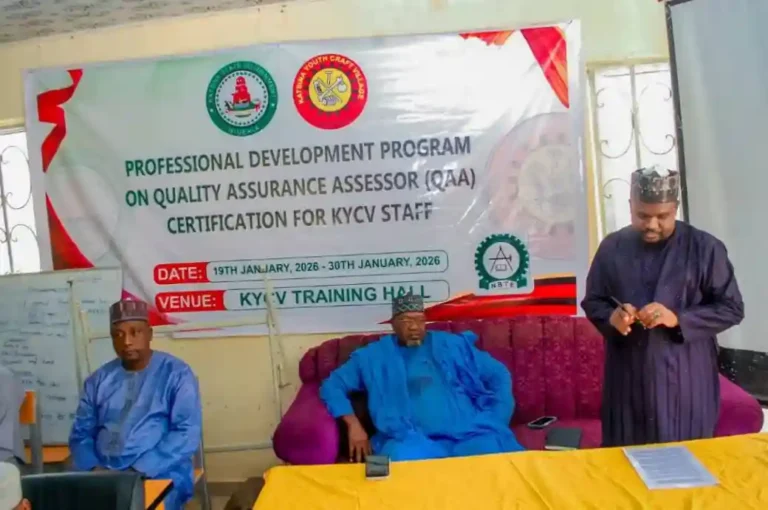
Katsina State Governor, Dikko Umaru Radda, has approved the Quality Assurance Assessor (QAA) Certification Training for staff of the Katsina Youth Craft Village (KYCV), marking another step toward strengthening skills development and improving training and certification standards in the state.

The programme, which is to be implemented in partnership with the National Board for Technical Education, will see thirty instructors of the Katsina Youth Craft Village trained and certified as Quality Assurance Assessors under the Nigeria Skills Qualifications Framework (NSQF).

The approval and official flag-off of the initiative took place at the KYCV Centre in Katsina, with government officials, education stakeholders, and technical experts in attendance. The training is designed to ensure that skills acquisition programmes in the state meet recognised national standards and deliver credible, industry-relevant certifications.

Under Governor Radda’s administration, KYCV is being fully aligned with the Skills and Vocational Training Law as well as the National Occupational Standards through the establishment of a comprehensive Quality Assurance system. This system includes Quality Assurance Assessors (QAA), Internal Quality Assurance Managers (IQAM), and External Quality Assurance Managers (EQAM).

Within the framework, assessors are responsible for conducting training and generating learner evidence, while QAAs validate assessment tools and decisions, sample evidence, and ensure full compliance with the NSQF. IQAMs independently review processes, verify consistency, implement corrective actions, and produce internal quality assurance reports. EQAMs, on the other hand, provide external oversight, validate compliance, and recommend system-wide improvements.

This integrated QAA–IQAM–EQAM structure is expected to guarantee credible certification, standardised assessment, accountability, and continuous quality improvement across KYCV and its coordinated training centres.

Speaking at the event, the Honourable Commissioner for Higher Education, Hon. Adnan Nahabu, described the programme as a major milestone in raising the quality of technical and vocational education in Katsina State.

“This programme takes our skills training from access to excellence. Development and employability depend on strong standards and well-trained personnel, not just buildings and equipment,” he said.

He explained that Quality Assurance Assessors play a critical role in ensuring that training, assessment, and certification processes meet both national and international benchmarks.

“Assessors protect the value of certificates and the relevance of skills. Without quality assurance, training loses its meaning. This is why the Governor’s decision is timely and forward-looking,” Nahabu added.

The commissioner also commended Governor Radda for repositioning KYCV as a hub for youth empowerment and industrial skills, highlighting key reforms already underway at the institution.

According to him, these reforms include NBTE recognition of KYCV as an NSQF training provider, the integration of six Community Skills Development Centres into the KYCV system, extensive renovation of facilities, and the procurement of modern tools and equipment valued at over ₦3.5 billion.

He further praised the growing partnership between the Katsina State Government and NBTE, noting that the Board’s regulatory guidance is helping to align KYCV programmes with National Occupational Standards and the NSQF.

The KYCV Centre Coordinator, Engr. Kabir Abdullahi Kofar Soro, described the QAA Certification Training as a landmark achievement for the institution.

“This programme lays the human foundation for all the investments in infrastructure and equipment. It marks a clear shift to quality-driven training and credible certification,” he said.

Engr. Kofar Soro explained that the training will be conducted in phases, consisting of two weeks of intensive instruction, three months of field practice, and a final consolidation stage to ensure practical application of acquired knowledge.

He thanked Governor Radda for the confidence reposed in KYCV and appreciated NBTE for its continued technical support, noting that additional instructors and quality managers would be trained to strengthen monitoring systems.

The QAA Certification Programme is expected to significantly improve training quality, strengthen the credibility of assessments, and enhance the employability of graduates in Katsina State, while firmly positioning KYCV in line with national and international best practices in technical and vocational education.

Read also: Katsina Govt Empowers 14,450 Women

Ogun State Opens Collect Earth, Mapathon Training

0

The Ogun State Commissioner for Forestry, Engr Taiwo Oludotun, has officially opened the Collect Earth and Mapathon Data Collection Training, describing the programme as a critical step toward strengthening data-driven forest governance and biodiversity conservation efforts across Nigeria. The training was organised under the FAO–GEF7 Biodiversity Project and attracted participants from multiple institutions involved in environmental management.

The event brought together representatives of the Food and Agriculture Organization of the United Nations, officials from federal and state governments, members of the National and State Project Implementation Units, development partners, resource persons, and participants drawn from relevant environmental and research institutions across the country.

Speaking at the opening ceremony, Oludotun commended the FAO and the Global Environment Facility for their sustained technical and financial support toward biodiversity conservation and sustainable forest management initiatives in Nigeria. He noted that the FAO–GEF7 Biodiversity Project had consistently demonstrated the importance of strong partnerships, targeted capacity development, and the application of global best practices adapted to local realities.

The commissioner also praised the National Project Implementation Unit and State Project Implementation Units for their coordination and professionalism in organising the training, saying their efforts reflected effective collaboration between national and state institutions in addressing environmental challenges and improving forest governance frameworks.

Oludotun explained that forest resources provide essential ecosystem services, support livelihoods for millions of people, and contribute significantly to climate regulation, soil conservation, and water management. However, he warned that these resources are increasingly threatened by illegal logging, forest encroachment, unsustainable land-use practices, and the growing impacts of climate change across different ecological zones.

He stressed that reliable and timely data are central to addressing these challenges effectively, adding that tools such as Collect Earth and Mapathon make it possible to monitor land-use changes and forest conditions more accurately. According to him, the tools rely on geospatial technology, satellite imagery, and participatory data collection methods that improve transparency and decision-making.

“In fact, the training is a strategic investment in human capacity, and I believe the participants will gain practical skills in data collection, interpretation, and validation,” Oludotun said.

He added that the skills acquired would strengthen institutional capacity to monitor forest cover change, assess degradation trends, identify biodiversity hotspots, and support evidence-based planning and policy formulation. He noted that the training would also improve reporting under national frameworks and international conventions on biodiversity, climate change, and sustainable land management.

The commissioner urged participants to fully engage in the programme, make use of facilitators’ expertise, and apply the knowledge gained within their respective institutions. He said the success of the training would ultimately be measured by its real impact on sustainable forest management and biodiversity protection.

In his remarks, the Chief Technical Advisor for the GEF7 Biodiversity Project, Professor Segun Oladoye, described the Global Environment Facility as a specialised institution that supports and finances environmental and livelihood-focused initiatives worldwide. He outlined the project’s four components, including a capacity-building programme that led directly to the current training.

A principal forest officer from the Ondo State Ministry of Agriculture and Forestry, Orogun Ademola, said he joined the training to gain updated knowledge on emerging geospatial technologies. Other participants, including Titilayo Omogie from the Edo State Forest Commission and Johnson Mafiejor from the Delta State Ministry of Environment, also commended the initiative and thanked the organisers.

Read Also: Ogun aquaculture generates ₦9.17bn for over 4,200 fish farmers

Akwa Ibom Releases List of Renewed Hope LGA Coordinators

0

Akwa Ibom State Renewed Hope People’s Empowerment Association (RHOPEA) has released the official list of Local Government Coordinators, as part of efforts to strengthen grassroots mobilisation and expand participation under the Renewed Hope Ward Development Programme (RHWDP).

The list, issued by the national leadership of the association, covers all 31 local government areas in Akwa Ibom State, ensuring full representation and coordination at the local level.

The coordinators are expected to serve as contact persons within their LGAs, mobilise members, disseminate accurate information, and coordinate empowerment-driven initiatives at the ward and community levels. Residents interested in joining or benefiting from the association’s programmes are to contact their respective local government coordinators.

Below is the official list of Akwa Ibom State RHWDP Local Government Coordinators:

  1. Uwem Wisdom Effiom – Uyo – 09058939874
  2. Samuel Frank – Esit Eket – 08029717832
  3. Charles Nsien – Eket – 07034190236
  4. Anyanime Umoh – Ikot Ekpene – 08169138296
  5. Samuel Ediette – Mbo – 07061825276
  6. Ceader Udo Umoh – Ika – 08035282575
  7. Sampson Sunday Sampson – Eastern Obolo – 07031963116
  8. Cornelius Umoren – Essien Udim – 08036543528
  9. Mr Godwin Joe – Urue Offong/Oruko – 07061222192
  10. Ime Dominic Ime – Nsit Atai – 08144054749
  11. Ndifreke Bassey Akpan – Ibiono Ibom – 09031762470
  12. Mema Alfred Esu – Obot Akara – 07061263259
  13. Uyom Daniel – Ikono – 08029190516
  14. David Godwin Monday – Etinan – 09021543814
  15. Anyanime Etuk – Oruk Anam – 09016770364
  16. Nsong Edet – Nsit Ibom – 07033731166
  17. Ntiense Okon Idiong – Ukanafun – 07060733949
  18. Ekerete Toby – Onna – 08034348748
  19. Ibok Gideon Uso – Oron – 09157768201
  20. Rose Daniel – Ini – 08169150657
  21. Ekemini Alex – Abak – 08037819421
  22. Esther Isaac Johnny – Ikot Abasi – 08039340039
  23. Ubongabasi Effiong – Udung Uko – 08037624470
  24. Patrick Benjamin Ita – Mkpat Enin – 08032543475
  25. Victor Umoh – Okobo – 07049749892
  26. Bishop Ekere George – Ibesikpo Asutan – 07031178952
  27. David Aniefiok – Uruan – 08033279430
  28. Glory Emem – Itu – 07035492008
  29. Joseph Mfon Akpan – Nsit Ubium – 08063646971
  30. Mfreke Ebenezer – Etim Ekpo – 08038556507
  31. Utiaruk Edifon Job-Ibok – Ibeno – 08135270201

The Renewed Hope People’s Empowerment Association reaffirmed its commitment to inclusive participation and grassroots-driven empowerment across Akwa Ibom State.

Read Also: How to apply for RHWDP

FG Invites Private Tertiary Institutions to Join TERAS Platform

The Federal Government has invited private tertiary institutions across Nigeria to join the Tertiary Education Research and Application Service (TERAS), a national digital platform designed to strengthen teaching, research, and institutional efficiency across the higher education system.

The call was contained in a statement issued on Tuesday, January 20, by the Director of Press and Public Relations of the Federal Ministry of Education, Boriowo Folasade. According to the statement, the initiative is part of ongoing efforts by the Federal Government to transform Nigeria’s tertiary education sector through technology-driven solutions and stronger collaboration with private stakeholders.

The Minister of Education, Maruf Olatunji Alausa, CON, said expanding TERAS to include private institutions is a key step toward building a more resilient and globally competitive higher education ecosystem. He noted that sustainable progress in education can only be achieved when government and private sector players work together toward shared goals.

The minister explained that TERAS, which is implemented in partnership with the Tertiary Education Trust Fund, has traditionally been available to public universities, polytechnics, and colleges of education. However, eligible private institutions are now being encouraged to participate and benefit from the platform’s services.

Dr. Alausa described TERAS as a unified national digital infrastructure that provides reliable internet connectivity, structured onboarding processes, cost efficiency, standardised quality assurance systems, and data-driven tools for decision-making. He said these features are critical to improving academic delivery, boosting research output, and enhancing overall institutional performance.

According to him, opening the platform to private institutions supports the Federal Government’s goal of building an inclusive and integrated tertiary education system that aligns with global best practices. He added that broader participation would encourage collaboration among institutions, improve collective bargaining strength, and speed up Nigeria’s move toward a fully digitalised higher education environment.

The minister therefore urged interested private universities, polytechnics, and colleges of education to formally express interest and engage with TETFund through the Committee of Vice Chancellors of Nigerian Universities.

He reaffirmed that the initiative aligns with the education agenda of Bola Ahmed Tinubu, which prioritises improved access to quality and inclusive education. He said TERAS would position Nigerian institutions for stronger global relevance in learning, research, innovation, and national development.

Read also: NBTE to create Polytechnic Commission to end HND discrimination

Yobe Enrols 80,000 RHWDP Beneficiaries for Portal Submission

0

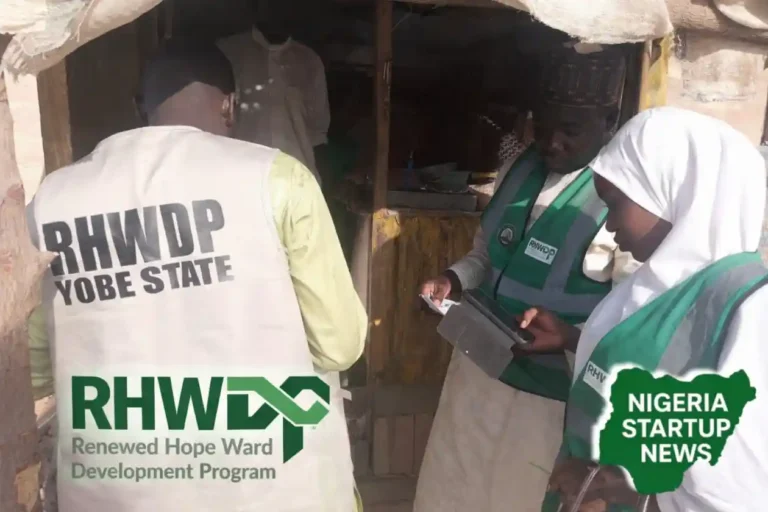
The Yobe State Renewed Hope Ward Development Programme (RHWDP) Coordination Office has enrolled over 80,000 prospective beneficiaries across the state’s 178 wards for submission to the National RHWDP Portal, as preparations continue for the national rollout.

While the full national rollout of the RHWDP, a strategic partnership between the Federal and State Governments, is still being finalized, Governor Mai Mala Buni has moved to fast-track implementation in Yobe State. The initiative aligns with the economic reforms of President Bola Ahmed Tinubu, GCFR, aimed at strengthening livelihoods at the grassroots.

In demonstrating support for the President’s agenda of “driving grassroots economic development across Nigeria,” Governor Buni directed the immediate commencement of enrolment. He approved the provision of institutional and logistical support to the State RHWDP Coordination Office to ensure the process remained equitable, inclusive, and transparent for “economically active citizens” across communities.

Governor Buni, who represents the North-East Governors on the National Steering Committee of the RHWDP, further directed that unemployed youths, smallholder farmers, and owners of Micro and Small Enterprises be prioritised during targeting and enrolment. Officials said the directive reflects current economic realities in Yobe State and the core objectives of the programme under the “Renewed Hope Agenda.”

Acting on these directives, the Yobe State RHWDP Coordination Office conducted enrolment between 16 and 20 January 2026, successfully capturing data for over 80,000 prospective beneficiaries across all 178 wards. The data has been validated and confirmed ready for submission to the National RHWDP Portal.

Even as other states await the national launch, the Governor approved additional steps to speed up local delivery, noting there was “no time to waste” in empowering residents. As part of this effort, more than 1,000 youths were trained in technology-enabled data collection and survey administration.

The trained youths carried out enrolment activities within their respective wards, a move officials say created short-term jobs, strengthened local ownership, and built trust in the programme at community level. The approach, according to state officials, positions Yobe State as a front-runner in translating national reforms into measurable grassroots benefits, reinforcing a shared vision with President Tinubu for “inclusive growth and sustainable economic empowerment.”

Officials said the enrolment framework will support transparency, data integrity, and fair access while strengthening coordination with federal authorities ahead of nationwide implementation timelines this year.

Read also: Leventis Foundation Agricultural Training Programme 2026