Home Blog Page 165

Umo Eno places agriculture at centre of Akwa Ibom governance

Governor Umo Eno is placing agriculture at the centre of his development strategy as a pathway to food security, economic diversification, and shared prosperity in Akwa Ibom State, according to a performance review of his administration after two and a half years in office.

The focus on agriculture was highlighted by the Akwa Ibom State Commissioner for Information, Aniekan Umanah, who described the governor’s leadership as focused and phenomenal while speaking as a studio guest on “ARISE Akwa Ibom” on Comfort 95.1 FM on Friday, January 16, 2026.

Umanah said the governor’s agricultural programme is deliberate and strategic, designed to boost food production while creating sustainable economic opportunities. He cited the establishment of Ibom Model Farms, which are patterned after technology-driven agricultural models, as well as the Tree Crop Revolution initiative aimed at revitalising oil palm production across the state. According to him, the programme goes beyond cultivation by empowering farmers with modern processing tools to improve value addition and incomes.

Agriculture, he said, remains central to the administration’s vision for shared prosperity. Initiatives such as the Home Garden Scheme are encouraging households to grow basic food crops, while the Tree Crop Revolution, alongside the return of the Akwa Ibom Agricultural Development Programme (AKADEP) to the Office of the Secretary to the State Government, forms a strong institutional backbone for agricultural growth and coordination.

Beyond farming, Umanah noted that the governor is driving rural development by opening up communities through the construction of rural roads, model schools, and health facilities across all 31 local government areas. He added that economic empowerment is being extended to business-minded citizens through SME funding initiatives rolled out during the governor’s Town Square Meetings across the state’s federal constituencies.

On security, the commissioner said sustained collaboration between the state government and security agencies has helped Akwa Ibom maintain peace and stability. He pointed to the hitch-free 32 Days of Christmas Unplugged celebrations as evidence of a safe environment for residents and visitors.

In the education sector, Umanah said the administration’s investments go beyond infrastructure. He highlighted the conversion of the State College of Education into a full-fledged university, as well as the steady operations of Akwa Ibom State University and Akwa Ibom Polytechnic, as indicators of a strong focus on human capital development and youth empowerment.

Healthcare reforms, he said, were reinforced by the declaration of a State of Emergency in the sector. Measures implemented include the recall of willing retired health workers, the recruitment of 2,000 new health professionals, and the construction of the Ibom International Hospital along the Medical Corridor. These efforts, he added, have expanded access to healthcare services, particularly through the State Health Insurance Scheme.

On tourism, Umanah described the ARISE Palm Resort as a flagship project transforming a previously unused site into a world-class leisure destination with facilities designed for visitors of all ages.

He reaffirmed that the governor remains committed to delivering the ARISE Agenda, noting that his leadership style combines vision, accountability, and focus. Umanah added that Akwa Ibom was the only state to hold a State Executive Council meeting on the first working day of the year, during which the governor launched a two-week ministerial briefing series to review 2025 stewardship scorecards and outline 2026 project projections, aimed at strengthening performance and service delivery across government.

Advertisement

FG launches Nigerian Industrialisation Policy to boost manufacturing, jobs

0

The Federal Government has launched the Nigerian Industrialisation Policy as part of efforts to drive value addition, accelerate industrial growth, and expand employment opportunities across the country.

The Minister of State for Industry, , announced the policy at its soft launch, describing it as a strategic move to convert Nigeria’s vast industrial potential into measurable productivity and economic outcomes.

The event took place on the sidelines of the launch of the (NESG) Macroeconomic Outlook Report for 2026, held on Thursday in Lagos.

According to Enoh, the policy, which was approved and validated in 2025, represents a coordinated framework that aligns industrialisation with trade and investment priorities. He added that it is fully aligned with the eight-point national agenda of , particularly Agenda Seven, which focuses on economic diversification and industrial development.

“Over the last year, discussions about industrialisation have become more public,” the minister said. “This policy was shaped with industry, not for industry, to ensure that every Nigerian has a stake and that implementation is front and centre.”

Enoh explained that the Nigerian Industrialisation Policy is built on six core pillars. These include competitive industrial production, value-chain deepening, import substitution, the transition of micro, small and medium enterprises into full industrial players, enhanced trade competitiveness under the (AfCFTA) framework, and strengthened institutional governance.

“These pillars are designed to address Nigeria’s long-standing challenges, such as fragmented value chains, high import dependency, and limited manufacturing capacity,” he said.

The minister disclosed that the policy is targeting ambitious outcomes, including increasing manufacturing’s contribution to gross domestic product to between 20 per cent and 25 per cent by 2030. He cited the recent temporary ban on raw shea nut exports as an example of why structured value addition and clear regulatory frameworks are necessary to support domestic industries.

Emphasising the need for action beyond policy formulation, Enoh said implementation had already begun. “We did not produce a policy just to admire it. A small committee is already working on implementation, because what matters most is turning strategy into jobs, productivity, and employment,” he stated.

He also highlighted Nigeria’s strategic position within AfCFTA, stressing the importance of leveraging the country’s large domestic market while preventing it from becoming a dumping ground for imported goods. He assured stakeholders of strong government commitment to clear execution timelines, measurable benchmarks, and coordinated action across key ministries, including trade, investment, finance, energy, skills development, and infrastructure.

The formal launch of the Nigerian Industrialisation Policy is scheduled for next month, with President Tinubu expected to preside over the event. Enoh added that the Ministry of Industry, Trade and Investment and NESG would work closely to ensure broad stakeholder engagement and effective delivery.

“The question is no longer what the policy is,” he said. “The question is how we deliver. Nigeria’s industrial future will not be built by chance, but by deliberate policy, disciplined execution, and collective resolve.”

Read Also: NGX, DEG open $3bn climate funding for Nigerian companies

PAWECA reports 94% success rate for Fintiri Business Wallet disbursement

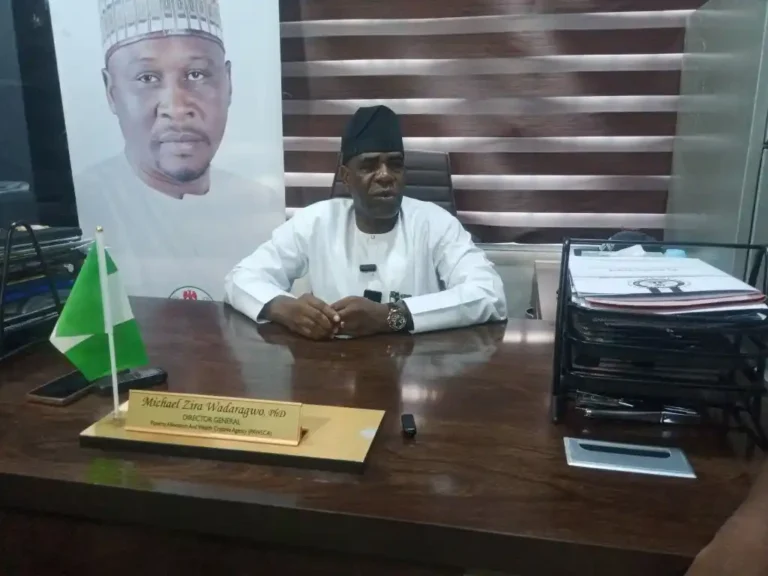
The Director General of the Poverty Alleviation and Wealth Creation Agency (PAWECA), Dr. Michael Zira, has announced that the recently disbursed Fintiri Business Wallet Programme recorded a 94 percent success rate. Speaking during a press briefing in Yola, Dr. Zira explained that many beneficiaries had received payments without being aware, as some failed to get transaction alerts despite the agency’s records confirming successful transfers.

Addressing public concerns, he said the agency received over 5,000 complaints, but investigations showed that 815 of them were fake, as the names were not found in PAWECA’s database. He added that data capture for the programme had officially closed, and only genuine complaints would be reviewed.

Dr. Zira hinted that another phase of the Fintiri Business Wallet initiative might soon be launched, given Governor Ahmadu Umaru Fintiri’s commitment to supporting entrepreneurship and economic growth in Adamawa State.

He further revealed that individuals involved in fraudulent or racketeering activities had been sanctioned, and payment for verified complaints would begin next Monday. Beneficiaries were urged to make prudent use of the funds.

Read Also: FG Begins Enrolment of RHWDP Beneficiaries in All Wards

Kaduna trains 40,000 girls on life skills education programme

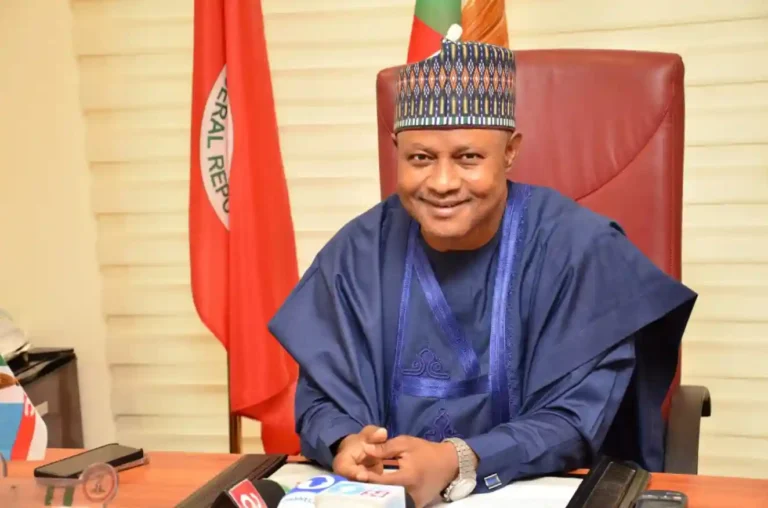
No fewer than 40,000 adolescent girls in Kaduna State have benefited from a structured life skills education programme as Governor Uba Sani moves to institutionalise the initiative across public secondary schools in the state.

The Kaduna State Government said the programme forms part of broader efforts to strengthen girl-child education and equip students with practical competencies that go beyond classroom academics. The initiative is designed to prepare young people for real-life challenges while supporting their personal, social and emotional development.

In a statement issued on Friday by the State Commissioner for Information, Ahmed Maiyaki, the government disclosed that Governor Sani would soon transmit an Executive Bill to the Kaduna State House of Assembly to make life skills education a compulsory and permanent component of the secondary school curriculum.

According to the statement, the programme is being implemented under the Adolescent Girls Initiative for Learning and Empowerment Project, which is supported by the World Bank. It added that the intervention had so far reached 40,536 girls and 1,864 boys across senior secondary schools in the state.

The statement further revealed that 1,141 teachers have been trained as mentors to deliver the life skills curriculum, ensuring sustainability and effective integration into the school system.

The Commissioner for Education, Prof. Abubakar Sani Sambo, disclosed these details at a strategic workshop on the institutionalisation of life skills education held in Abuja. Representing Governor Sani at the event, Sambo said the administration was committed to repositioning education to focus not only on academic excellence but also on emotional intelligence, resilience and leadership.

“Our goal is to deliberately build life skills that will help young people, especially girls, navigate real-life challenges and become responsible leaders in their communities,” the statement quoted him as saying.

Sambo explained that the reform marked a shift from a traditional learning model that prioritises rote thinking to a more holistic approach that emphasises practical application, self-awareness and emotional development. He noted that the life skills curriculum covers empowerment, health and nutrition, reproductive health, prevention of gender-based violence, climate change and social inclusion.

According to the Commissioner, early outcomes from the programme include improved self-confidence among students, reduced absenteeism and increased school enrolment across participating schools. The statement added that positive behavioural changes have also been observed, including better interpersonal relationships, greater respect for diversity and improved empathy among learners.

The AGILE State Project Coordinator, Maryam Dangaji, confirmed that the programme has been implemented across all senior secondary schools in Kaduna State. She said the wide coverage was designed to ensure that no girl was left behind in accessing life skills education critical to her personal and social development.

Commenting on the proposed legislation, the Executive Director of the Centre for Girls’ Education, Dr Habiba Mohammed, described Kaduna’s approach as “a model for sustainable, girl-child-focused education reform in Nigeria.”

Reacting to the move, the Chairman of the Kaduna State House of Assembly Committee on Education, Emmanuel Kantiok, said lawmakers were prepared to fast-track the bill, assuring stakeholders that the Assembly would give the initiative firm legal and budgetary backing once consultations are concluded.

Read Also: Apply: NDPC Data Privacy Ambassadorship Program

Agrisiti, UNIPORT launch Free agribusiness training for 3,500 youths

Agrisiti Nigeria, in partnership with the University of Port Harcourt and with support from Ruforum and the Mastercard Foundation, has launched a free 12-week agribusiness and climate-smart skills programme to equip 3,500 young Nigerians with practical, employment-ready competencies across seven states.

The initiative, known as the Agrisiti Tagdev Hybrid Agribusiness Programme, targets youths aged 18 to 35 in Ogun, Enugu, Cross River, Rivers, Bayelsa, Kano and Niger States. It is designed specifically for out-of-school youths and learners enrolled in Technical and Vocational Education and Training (TVET) institutions, reflecting a growing emphasis on skills-based education and job creation.

The programme is being implemented in collaboration with Tagdev 2.0 and adopts a hybrid delivery model that combines digital learning with hands-on practical training. Participants will receive mobile-first instruction via Telegram and the Agrisiti Digital Learning platform, alongside in-person practical sessions hosted at designated demonstration hubs within participating states.

At the end of the programme, successful participants will be awarded digital certificates, providing formal recognition of the skills acquired and enhancing their employability within the agribusiness sector.

Speaking on the initiative, Agrisiti’s Chief Operating Officer, Eneyi Ante, said the programme was developed to bridge critical skills and access gaps that prevent many young Nigerians from fully participating in the agricultural economy. He explained that the curriculum focuses on modern agribusiness practices, with strong emphasis on rice and aquaculture value chains, mentorship from industry professionals, access to startup networks, and career readiness support, including internship placements.

“Nigeria’s rice and aquaculture sectors hold immense potential, but many young people lack the training, mentorship and access needed to participate meaningfully. This programme equips them with practical, climate-smart skills to build sustainable agribusinesses or pursue career opportunities across these value chains,” Ante said.

Despite agriculture contributing about 15.4 per cent of Africa’s Gross Domestic Product, Nigeria continues to face food insecurity, hunger and high youth unemployment. Globally, an estimated 828 million people were undernourished in 2021, while more than 3.1 billion could not afford a healthy diet, highlighting the urgency for inclusive agricultural solutions.

The Agrisiti–UNIPORT initiative seeks to reverse youth disengagement from agriculture by promoting innovation, inclusive participation and climate-smart agribusiness pathways supported through mentorship, incubation and structured networking opportunities.

Read Also: Jerry Eze Foundation launches $360,000 empowerment grant

NEC: Non-oil sector now drives 96% of Nigeria’s GDP

0

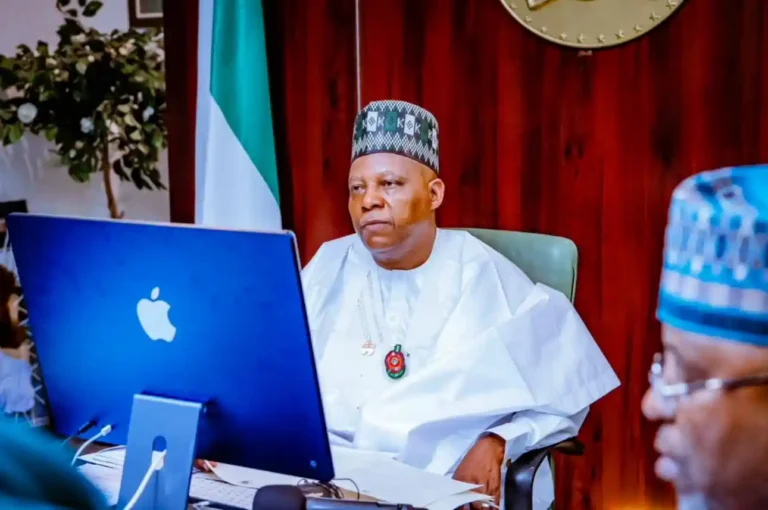
Nigeria’s non-oil sector now accounts for about 96 percent of the country’s Gross Domestic Product (GDP) and nearly 75 percent of total government revenue, with economic growth projected at 4.68 percent in 2026. This formed the central focus of deliberations at the 156th meeting of the National Economic Council (NEC), which resolved to deepen engagement with stakeholders to further boost non-oil revenues in line with the economic blueprint of the administration of President Bola Ahmed Tinubu.

The meeting, which was the first NEC session of the year and held virtually, brought together state governors and key federal officials to review Nigeria’s economic outlook, reform progress, and policy priorities for 2026. Discussions were largely shaped by the need to reduce the nation’s long-standing dependence on crude oil revenues and strengthen a more diversified, resilient, and inclusive economy.

Call for Accelerated Transition from Oil

Chairman of the Council and Vice President, Kashim Shettima, used the meeting to underscore the urgency of Nigeria’s transition from an oil-dependent economy to a non-oil-driven growth model. He observed that global economic conditions remain uncertain, with oil prices, exchange rates, and capital flows becoming increasingly volatile and disruptive to domestic economic planning.

According to him, this reality has reinforced the need for stronger fiscal risk management and deliberate efforts to reduce Nigeria’s economic and revenue exposure to oil. He noted that non-oil sectors have emerged as the backbone of Nigeria’s growth story, expanding steadily and providing a buffer against external shocks.

Shettima explained that services, agriculture, manufacturing, and other non-oil activities are increasingly carrying the weight of the economy. More importantly, he said non-oil revenues now contribute nearly three-quarters of total government collections, reflecting a gradual but meaningful shift away from historic reliance on oil receipts.

He stressed that the task before policymakers is to deepen this transition through:

  • Competitive manufacturing that can create jobs and add value locally
  • Export diversification to earn stable foreign exchange
  • Increased private sector investment across key value chains

Economic Priorities for 2026

NEC’s resolutions followed a presentation on the economic priorities for 2026 by the Minister of Finance and Coordinating Minister of the Economy, Wale Edun. The presentation highlighted key reforms already implemented by the Tinubu administration, noting that targeted programmes have helped remove long-standing distortions in the system, stabilise the economy, and place Nigeria on a path of sustained recovery.

The minister said Nigeria’s improving macroeconomic outlook and reform momentum have enhanced the country’s global standing, reinforcing investor confidence. This, he explained, underpins the projection that the economy will grow by 4.68 percent in 2026.

Key priorities outlined in the presentation include:

  • Maintaining Nigeria’s economic competitiveness through sound governance
  • Improving the availability and affordability of food to ease pressure on households
  • Strengthening human capital development through education and healthcare
  • Enhancing social protection frameworks to support vulnerable groups
  • Ensuring timely payment of debt service obligations, salaries, and pensions

In its resolution, NEC noted and commended the Federal Government’s plans to unlock rapid and sustained job-rich growth, with emphasis on high-quality jobs and entrepreneurship opportunities that can absorb Nigeria’s expanding labour force.

Food Security and Agricultural Productivity

Food security featured prominently in the council’s deliberations, with members agreeing that rising food prices and low agricultural productivity remain major threats to economic stability and household welfare. NEC resolved to dedicate a special session to address salient issues affecting food security, particularly those related to agricultural productivity and supply constraints.

Council members noted that improving agricultural outcomes will require coordinated interventions across production, processing, storage, transportation, and market access, especially as agriculture remains a key pillar of the non-oil economy.

Economic Performance Review for 2025

In his opening remarks, Vice President Shettima reflected on Nigeria’s economic journey over the past year, noting that while global powers continue to assert their interests and commodity markets remain volatile, Nigeria has made measurable progress despite difficult conditions.

He observed that the nation’s economy recorded significant growth in 2025, expanding by 3.9 percent, the fastest rate in over a decade. According to him, growth momentum strengthened quarter by quarter:

  • 3.13 percent in the first quarter
  • 4.23 percent in the second quarter
  • 3.98 percent in the third quarter

Shettima attributed this performance to difficult but necessary policy decisions taken by the administration, describing the outcome as evidence of disciplined economic management. However, he cautioned that acceleration of growth should not be confused with adequacy.

He explained that while 3.9 percent growth is encouraging, it is not sufficient to decisively reduce poverty, generate jobs at the scale required, or significantly lift per capita incomes. With population growth estimated at about 2.6 percent annually, he said the current pace of expansion leaves limited room to absorb inflationary pressures or external shocks.

Approval of Committee on Legacy Projects

One of the major outcomes of the meeting was the approval of a committee to oversee the implementation of President Tinubu’s directives on the actualisation of key legacy infrastructure projects. These include the Lagos–Calabar Coastal Highway and the Sokoto–Badagry Super Highway, which are expected to stimulate investment, open up economic corridors, and support long-term growth.

The committee is chaired by the Governor of Cross River State, with one governor representing each geopolitical zone:

  • North West: Sokoto State
  • North East: Gombe State
  • North Central: Niger State
  • South East: Abia State
  • South West: Lagos State

The Permanent Secretary of the Ministry of Budget and Economic Planning, Deborah Odoh, will serve as Secretary, while the Ministers of Works and Transportation will also serve as members.

Council was briefed that implementation is being coordinated by the Office of the Secretary to the Government of the Federation, and that the Office of the Surveyor-General of the Federation has been moved to the Presidency in compliance with the President’s directive.

Update on Federal Account Balances

The Accountant-General of the Federation presented updates on key federal accounts as at January 14, 2026. The balances disclosed to council were:

  • Excess Crude Account: $535,823.39
  • Stabilization Account: ₦64,652,693,552.36
  • Natural Resources Account: ₦97,369,382,081.96

NEC took note of the figures within the broader context of fiscal reforms and the need for prudent financial management amid limited resources.

World Bank–Nigeria Country Partnership Framework

Council also received a briefing on the proposed World Bank–Nigeria Country Partnership Framework. The presentation outlined how development support will increasingly focus on fewer but larger national programmes implemented at the state level, with an emphasis on results-based financing.

Key elements of the framework include:

  • National programmes executed at the state level, accounting for about two-thirds of the active portfolio
  • Greater use of result-based financing, covering about half of the portfolio
  • Strong focus on early childhood development, particularly the first 2,000 days of life
  • Alignment with Nigeria’s long-term human capital development goals

The framework also set out a 2026 agenda, including:

  • Agreement on a national, state-driven Early Years programme under the HCD 2.0 strategy
  • Nomination of state focal persons and senior budget officials as Early Years leads
  • Support for diagnostic and multisector dialogue to develop state-level investment plans
  • Alignment of budgets and medium-term strategies with Early Years priorities

Council noted that investing in human capital is critical if Nigeria is to transition into a group of wealthier and more productive nations.

Nigeria’s Sustainable Agricultural Value-Chains for Growth (AGROW)

NEC was further briefed on the AGROW initiative, a $500 million results-based programme designed to strengthen agricultural value chains nationwide. The initiative aims to ensure accountability and performance-driven implementation while promoting collaboration among stakeholders.

Key features of AGROW include:

  • A unified national platform linked to measurable outcomes
  • Performance-based funding to ensure accountability
  • Co-creation with state governments, private sector players, and development partners
  • Emphasis on long-term sustainability and local ownership

Council welcomed the initiative as a critical tool for boosting agricultural productivity, supporting rural livelihoods, and improving food security.

Update on Nigeria’s Tax Reform Laws

An update was also presented on Nigeria’s ongoing tax reform process. The Presidential Fiscal Policy and Tax Reforms Committee described the existing tax system as fragmented, complex, and inequitable, noting that reforms are aimed at promoting shared prosperity and reducing the burden on Nigerians and businesses.

The committee outlined priorities, targets, challenges, and opportunities associated with the new tax framework. Council directed the committee to prepare a more comprehensive brief for presentation at NEC’s forthcoming conference in February to prepare states for effective implementation.

Areas where state support is required include:

  • Political leadership to drive tax reform
  • Enactment of tax harmonisation laws
  • Adoption of a presumptive tax regime for the informal sector
  • Strengthening state internal revenue services
  • Approval and alignment with the National Fiscal Policy

Council Resolution on Tax Reform Engagement

NEC resolved to intensify engagement on the new tax regime at its forthcoming conference in February, stressing the importance of cooperation between the federal and state governments to ensure successful implementation across the country.

Overall, the meeting underscored a defining moment in Nigeria’s economic transition, with strong emphasis on non-oil growth, infrastructure delivery, human capital investment, and fiscal reform as pillars of sustainable development in 2026 and beyond.

Read Also: FG Begins Enrolment of RHWDP Beneficiaries in All Wards

Jerry Eze Foundation launches $360,000 empowerment grant

2

Pastor Jerry Eze has announced a $300,000 empowerment grant through the Jerry Eze Foundation to support 100 young Nigerians across agriculture, technology, and manufacturing.

The announcement was made in a video shared on social media, where Pastor Eze explained that each selected participant would receive at least $3,000 to either start a new business or expand an existing one. According to him, the initiative is designed to help young people build sustainable ventures in key productive sectors of the economy.

“The grant will see that each and every one of them will get at least $3,000 to support businesses or help them pioneer businesses in technology, in manufacturing, or in agriculture,” he said.

Pastor Eze also disclosed that a reputable international consulting firm would be engaged to manage and supervise the entire process. He said this was to guarantee transparency, fairness, and openness in the selection and disbursement process.

He added that the empowerment programme aligns with the foundation’s broader vision of addressing not just spiritual needs but also the economic and social challenges facing young people. “This is just a part, this is us playing just a part and being a part of the big thing that God wants to do for people this year,” he stated.

A few hours after the initial announcement, Nigerian business leader Tonye Cole pledged additional support for the initiative. Cole committed to sponsoring 20 more young Nigerians, increasing the number of beneficiaries from 100 to 120.

Pastor Eze confirmed the development in a post shared on X, where he appreciated the gesture and revealed that the total value of the fund had increased accordingly. “My friend Tonye Cole has decided to support the Jerry Eze Foundation initiative for empowerment of young people by adding 20 young persons to the scheme. Making our number 120, God bless you TC. The total fund is now $360,000,” he wrote.

The foundation said it would soon release detailed information on eligibility criteria and application procedures. The overall goal, according to the organisers, is to promote youth entrepreneurship, innovation, and long-term business growth across Nigeria.

Read Also: FG Begins Enrolment of RHWDP Beneficiaries in All Wards

Tradepal AI launches tax compliance platform for Nigeria’s new tax regime

Tradepal AI, a Nigerian financial technology startup, has officially launched to provide tax compliance solutions for individuals and businesses as the country implements a new tax reform regime. The platform is positioned to support users operating across both traditional business environments and digital asset markets, including cryptocurrency trading, where reporting obligations are becoming more structured.

Tradepal AI leverages artificial intelligence to deliver compliance infrastructure, tax filing support, and automated reporting tools. Its launch comes at a time when many small and medium-sized enterprises, as well as informal sector operators, are adjusting to updated tax requirements and increased regulatory scrutiny. By automating complex processes, the company aims to reduce errors and ease the administrative burden associated with tax compliance.

The platform provides real-time turnover tracking, automated deduction calculations, and continuous monitoring of tax exposure. These features are designed to help users understand their liabilities as transactions occur, rather than waiting until the end of a reporting period. This approach is particularly relevant for Over-the-Counter traders and businesses that handle high transaction volumes.

Tradepal AI was co-founded by Femi Adegolu and Adebiyi Ayoyinka, both active figures within Africa’s fintech and Web3 ecosystem. They said the idea was shaped by concerns that many businesses were unprepared for the practical realities of the new tax framework.

Speaking at the launch, Adegolu said the solution was built to address growing anxiety among SMEs and informal operators. “To be very honest, the informal sector and SMEs are not so prepared for this tax reform, and that’s why we’re here to help them,” he said. “We foresaw this some months ago when Ambassador Adebiyi told me about the idea to build something that will help businesses, fintechs, and service providers become compliant and avoid tax penalties by the government.”

He added that uncertainty around crypto taxation has created fear among traders, noting that the platform is designed as a plug-and-play tool. Users can log trades, access accurate records, monitor transactions, and maintain transparency through a single dashboard.

Ayoyinka said the platform places strong emphasis on documentation and audit readiness. He explained that Tradepal AI allows users to review transactions weekly or monthly and print records when engaging with tax authorities. The system also enables users to grant auditors controlled access to dashboards, allowing for remote reviews while maintaining oversight.

According to him, the platform can support users seeking recognition from the Securities and Exchange Commission without the need to operate an exchange, positioning it as an all-round compliance tool.

On January 1, 2026, Tradepal AI announced it had raised $50,000 in pre-seed funding to scale its solutions. The company’s CEO, Deborah Ojengbede, said the funding validates the demand for transparent, regulation-aligned operations. She added that as enforcement becomes more data-driven, compliance readiness is no longer optional, and the platform is being built to help users manage risk and operate confidently.

Read Also: New Nigerian Tax Laws: 9 career opportunities hidden in them

NGX, DEG open $3bn climate funding for Nigerian companies

Nigerian Exchange Group (NGX Group), in collaboration with Germany’s development finance institution DEG and Africa Foresight Group, convened a CEO Roundtable to accelerate corporate climate commitments and position Nigerian corporates for access to climate-linked capital estimated at $2.5–$3.0 billion.

The NGX–DEG CEO Roundtable brought together chief executives, development finance institutions and key market stakeholders to advance the NGX Net-Zero Programme (N-Zero), a market-led initiative designed to strengthen the long-term investability and competitiveness of companies listed on the Nigerian Exchange. The engagement focused on helping corporates move beyond climate pledges towards clear actions that meet global investor expectations.

In his opening remarks, the Group Chairman of NGX Group, Alhaji (Dr.) Umaru Kwairanga, said capital markets have a critical role to play in shaping Africa’s climate response. According to him, “Capital markets must be at the centre of climate leadership in Africa. The NGX Net-Zero Programme enables companies to move from climate ambition to measurable action.” He added that aligning corporate strategies with sustainability goals is increasingly important for companies seeking long-term growth.

Presenting the investment rationale, the Group Managing Director and Chief Executive Officer of NGX Group, Mr. Temi Popoola, noted that climate considerations are now central to how companies are valued. “Global capital is increasingly becoming conditional, with climate risk directly impacting cost of capital and valuation. Companies that embed sustainability into strategy and governance are better positioned to attract long-term capital,” he said.

On her part, Ms. Monika Beck, Member of the Management Board of DEG, said the institution’s strategy focuses on mobilising private capital to support climate action while delivering development impact. “Partnerships such as this enable us to scale solutions that are both impactful and commercially viable,” she stated.

During the interactive session, the Chief Executive Officer of Chapel Hill Denham, Mr. Bolaji Balogun, said execution remains a major hurdle, stressing that “access to capital, technical expertise and credible frameworks are essential if climate reporting is to translate into real investor value.”

Also speaking, the President and Group Chief Executive Officer of Transcorp Plc, Dr. Owen Omogiafo, OON, said Africa’s climate transition must be practical and inclusive, balancing sustainability goals with economic growth and social impact.

The event, which concluded with a Closing Gong Ceremony, follows a multi-million-naira co-funding partnership between NGX Group and DEG Impulse gGmbH under Germany’s develoPPP programme. The partnership is providing listed companies with subsidised net-zero transition planning, technical capacity building and access to globally recognised climate frameworks.

Read Also: FG allocates ₦202bn to NSIPA programmes

NLNG announces 2026 Change Your Story digital journalism training

0

Nigeria LNG Limited (NLNG) has announced the first edition of its Change Your Story (CYS) Digital Journalism Training for 2026, scheduled to hold from January 19 to 21, 2026, in Abuja.

The company said the highly regarded multimedia journalism programme, widely recognised as Nigeria’s leading digital journalism initiative, is powered by NLNG and designed to strengthen innovation, professionalism and collaboration within the media industry. The 2026 edition is themed “Re-calibrate, Create, Connect.”

NLNG noted that the programme will, as in previous years, focus on helping journalists adapt to the fast-changing digital media environment while improving storytelling standards across platforms. Renowned media project leader and trainer, Mr Dan Mason, will serve as the lead trainer for the programme.

Mr Mason has worked extensively with journalists and communicators across Africa and beyond. The training is coordinated by Mr Taiwo Obe, Founder of The Journalism Clinic, who has overseen the programme since its inception.

Over the years, the NLNG Change Your Story programme has trained hundreds of journalists from print, online, television and radio platforms across Nigeria. According to the organisers, the initiative has contributed significantly to the advancement of media excellence and digital journalism practice in the country.

Welcoming participants for the 2026 edition, the organisers described the training as a transformative experience. They said this year’s programme will feature over 27 journalists drawn from major media organisations nationwide.

Confirmed participants include Nathan Williams of Classic FM 94.3 Abuja; Tony Akowe, Senior Correspondent at The Nation; Anthonia Obokoh, an independent journalist; Palang Bukar of Silverbird Television; Ifeanyi Onuba, Editor at The Whistler; and Yemi Adebayo, Head of the Business Desk at Africa Independent Television (AIT).

Others are Faruk Shuaib of Daily Trust; Aremu Latifat of Galaxy Television; Glory Ohagwu of Voice of Nigeria (VON); Timothy Adebisi; Murey Angela Laraba of The Abuja Inquirer; Babatunde Opalana, Acting Editor at Daily Times; Ikenna Okonkwo, Editor of Blueprint Newspapers; and Helen Osamede Akins of TVC News.

Also confirmed are Taofeek Lawal of Nigerian Tribune; Juliet Dangiwa of Independent Television and Radio (ITV); Ochigbo EricJames Onuche, Editor at the News Agency of Nigeria (NAN); Nyiekaa Torkwase of The Independent; Mary Izuaka of Premium Times; Omor Bazuaye of ARISE TV; Cynthia Egboboh of Business Day; Temitope Balogun of Daily Times; Saheed Badmus of ONTV News; Tonia Uju Ike-Ejeye of AIT; Dalhatu Liman of Daily Trust; Ada Onah-Ifowodo of Atlantic Television Network; and Ebriku John Friday, Editor at the Nigerian Union of Journalists (FCT Council).

The organisers said the programme, made possible through NLNG’s continued support, remains focused on equipping journalists with cutting-edge digital storytelling skills while fostering meaningful professional connections across newsrooms.

Read Also: Apply: NDPC Data Privacy Ambassadorship Program