Home Blog Page 173

DHQ to create soft loan schemes for spouses of military personnel

0

The Defence Headquarters has begun engaging financial institutions to create soft loan schemes for spouses of military personnel at highly reduced interest rates as part of welfare initiatives for serving officers.

The Chief of Defence Staff, Gen. Olufemi Oluyede, made this known at the 2026 Armed Forces Celebration and Remembrance Day Social Night, a special event organised by the Defence Headquarters to honour serving personnel, veterans, and fallen heroes.

Gen. Oluyede announced that President Bola Ahmed Tinubu had approved the loan scheme, which aims to support viable business ventures, promote family stability, and guarantee long-term livelihoods for military families.

He acknowledged the immense contributions of military families, describing them as “silent heroes” whose patience, prayers, and sacrifices continue to sustain the morale and fighting spirit of the Armed Forces.

According to him, the Defence Headquarters is also working on expanding access to housing loans to complement existing Service housing schemes. The goal is to ensure that personnel retire with personal homes, sustainable sources of income, and a sense of fulfilment after years of dedicated service to the nation.

Oluyede explained that beyond serving officers, the Defence Headquarters is also deeply concerned about the welfare of retired personnel, especially regarding their post-service engagement and wellbeing.

He said the military leadership remains committed to addressing challenges faced by both active and retired officers, focusing on creating more sustainable support systems for their families.

Drawing inspiration from football, the Chief of Defence Staff reassured troops with the famous Liverpool Football Club motto, “You’ll Never Walk Alone.”

He commended members of the Armed Forces for their courage, professionalism, and resilience across all theatres of operation, from the northern savannahs to the southern creeks and within Nigeria’s airspace.

Earlier in his remarks, the Chief of Defence Administration, Rear Admiral Gideon Kachim, described the Social Night as a deliberate and special gathering that allows personnel to unwind, reflect, and celebrate.

Kachim said the event also served as a solemn moment to honour and remember fallen heroes who paid the supreme price in defence of the nation, noting that their sacrifices remain a timeless source of inspiration to serving personnel.

The Social Night formed part of the activities marking the 2026 Armed Forces Celebration and Remembrance Day.

In attendance were the Chief of Army Staff, Lt.-Gen. Waidi Shaibu; Chief of Naval Staff, Vice Admiral Idi Abbas; Chief of Air Staff, Air Marshal Sunday Aneke; and the Chief of Defence Intelligence, Lt.-Gen. Emmanuel Undiandeye.

Advertisement

NELFUND disburses N162bn student loans to 864,798 beneficiaries

The Nigerian Education Loan Fund has disbursed more than N161.97 billion to tertiary institutions for tuition fees and student upkeep, benefiting over 864,798 students across Nigeria. The Fund also disclosed that it has received more than 1.36 million loan applications from eligible students through its online portal.

Managing Director of NELFUND, Akintunde Sawyerr, made this known on Tuesday at a news conference in Abuja, where he outlined progress recorded since the inception of the Fund and addressed some operational challenges. He explained that the student loan programme is a direct outcome of Bola Ahmed Tinubu’s Renewed Hope Agenda, which prioritises access to education and human capital development.

Sawyerr said the response from Nigerian students since the launch of the NELFUND Student Loan Portal has been significant and encouraging. He disclosed that as of Tuesday, January 13, a total of 1,361,011 applications had been received, while 864,798 students had already benefited from the scheme, with total disbursement standing at N161.97 billion.

He explained that N89.94 billion of the total amount was paid directly to 263 tertiary institutions to cover tuition and other institutional fees, while N72.03 billion was paid directly to students as upkeep allowances. According to him, the figures show the scale of the programme’s impact nationwide.

“These figures are not just statistics. They represent real lives impacted, real barriers removed, and real opportunities created,” Sawyerr said. He stressed that the student loan scheme reflects the President’s firm belief that no Nigerian child should be denied access to education due to financial limitations.

Sawyerr also addressed concerns over 11,685 students who currently have outstanding upkeep payments amounting to N927.98 million. He explained that the backlog was identified during a routine reconciliation exercise carried out by the Fund after the conclusion of the 2024/2025 academic session.

“Our team carried out a routine reconciliation of student upkeep payments. This process revealed that 11,685 students currently have outstanding upkeep payments totalling N927.98 million,” he said. “Let me be very clear, these are not cases of withheld funds or policy failure. Rather, they are the result of technical and operational issues, including temporary network downtime, failed transactions, and instances where bank account details could not be validated at the time of processing.”

He added that, in line with the President’s directive on accountability and efficiency in public service, NELFUND management has approved a one time reconciliation process to resolve all outstanding cases. This, he said, includes direct engagement with affected students and a defined grace period for them to update or provide alternative bank account details.

Sawyerr noted that NELFUND systems are designed not only to disburse funds but also to protect public resources and ensure that every payment is accurate and accountable. On sensitisation plans for 2026, he said the Fund would expand engagement beyond campuses to include parents, guardians, traditional rulers, and faith based institutions.

“We will be engaging traditional institutions, community leaders, churches, mosques, motor parks, and community spaces to ensure families understand and trust the scheme,” he said.

Executive Director, Operations, NELFUND, Mustapha Iyal, disclosed that 325 institutions have been onboarded for the 2025/2026 academic session, which began in November last year, with about 3,730,331 eligible students. He added that 283,275 loan applications have been verified for the session, while N12.5 billion has been disbursed as institutional charges to 117,640 beneficiaries.

Behind The Scenes becomes first Nollywood film to cross ₦2bn box office

Nollywood filmmaker and actor, Funke Akindele, has further cemented her place in African cinema history as her latest release, Behind The Scenes, crossed the ₦2 billion mark at the box office, becoming the first Nollywood film to achieve the milestone.

The record-breaking performance was disclosed on Monday in a post on X by the film’s distributor, FilmOne Entertainment, which confirmed that the title has now grossed ₦2,103,039,706 in ticket sales.

Announcing the feat, the distributor said the film had “officially broken and shattered records,” noting that it is the first Nollywood production in Africa to cross the ₦2 billion box office threshold. FilmOne added that the achievement places Behind The Scenes as the highest-grossing Nollywood film of all time in Africa, as well as the top-grossing Nollywood release in the United Kingdom and Ireland.

According to the distributor, the success of the film also reinforces Akindele’s status as Africa’s most commercially successful filmmaker, describing her as the highest-grossing writer, director and producer in West Africa’s history.

FilmOne further highlighted that Akindele has now become the first filmmaker to rank number one at the African box office for three consecutive years, a feat it described as unprecedented in the region’s film industry.

Reacting to the support from cinema audiences, the distributor thanked viewers for “believing in the magic of storytelling,” describing the film’s run as more than a commercial win but a cultural movement driven by audience loyalty and strong word-of-mouth.

The ₦2 billion milestone represents a significant leap from the film’s earlier box office records. Behind The Scenes had previously crossed the ₦1 billion mark before climbing to ₦1.77 billion, already positioning it among the most successful Nollywood titles of all time. Its continued surge in earnings has now placed it firmly at the top of the industry’s all-time rankings.

The film stars Scarlet Gomez in the lead role and features an ensemble cast that includes Funke Akindele, Iyabo Ojo, Destiny Etiko, Tobi Bakre, Uche Montana, Uzor Arukwe, Ini Dima-Okojie, Adebowale ‘Mr Macaroni’, Ibrahim Chatta and Kamo State, alongside several other established and emerging actors.

At its core, Behind The Scenes explores the theme of black tax, examining the emotional, social and financial pressures faced by individuals who are expected to support extended family members.

The subject matter has resonated strongly with audiences, particularly young adults, contributing to the film’s sustained cinema attendance across Nigeria and the wider West African market.

Fans attribute the film’s exceptional performance to a mix of relatable storytelling, strong ensemble casting, aggressive marketing and Akindele’s enduring appeal as a filmmaker who consistently delivers commercially viable projects.

The success of Behind The Scenes adds to Akindele’s growing list of box office achievements. Her earlier releases, including Everybody Loves Jenifa, recorded rapid earnings growth and set multiple opening-week and cumulative revenue records, establishing her as Nollywood’s most bankable figure.

With its cinema run still ongoing and international markets contributing to its revenue, Behind The Scenes is widely seen as a defining moment for Nollywood’s commercial evolution, signalling the industry’s growing capacity to deliver billion-naira blockbusters with global reach.

SG Holdings Redeems ₦34.59bn Oversubscribed Commercial Paper

SG Holdings Limited, a major player in the downstream oil and gas sector and a fast-rising force in international shipping, has successfully redeemed its oversubscribed Commercial Paper (CP) issuance. The company initially aimed to raise up to ₦30 billion, but strong investor demand pushed total subscriptions to ₦34.59 billion across two series that matured in September and December 2025. The full amount was redeemed at maturity, underscoring SG Holdings’ solid financial standing and commitment to its investors.

The CP programme, launched in March 2025, attracted significant attention from institutional investors such as Asset Managers, Pension Fund Administrators, and other Qualified Institutional Investors. The notes were priced competitively within the 24–26% and 26–28% ranges, showing strong investor appetite and confidence in the company’s financial strength and credit profile.

SG Holdings’ impressive ratings of A1+ from GCR and A+ from Agusto & Co contributed to the overall success of the CP programme. These ratings are among the highest achievable in the short term and highlight the company’s credibility in the market. Not many firms in SG Holdings’ business category hold such ratings, setting the company apart as one of the strongest in the downstream and energy logistics space.

According to the company, the CP proceeds offered a cost-effective short-term financing source that strengthened liquidity and improved cash flow management. The oversubscription also reflected the company’s growing reputation and strong relationships within Nigeria’s capital market. Commenting on the development, SG Holdings’ Chief Executive Officer, Mr. Deji Matthew Somoye, expressed satisfaction with the outcome, saying, “We are pleased to have successfully repaid the ₦34.59 billion raised across two tranches as scheduled. The full redemption of our maiden commercial paper programme further demonstrates our commitment to maintaining investor confidence and showcases the financial discipline and creditworthiness of our company.”

SG Holdings Limited, an African multinational corporation headquartered in Lagos, Nigeria, also operates branches in Abuja, Port Harcourt, Accra (Ghana), Abidjan (Ivory Coast), and London (UK). The company’s diverse operations cut across energy logistics, shipping, trading, infrastructure, retail fuel services, aviation fuel supply, liquefied petroleum gas (LPG), and intra-African energy trade.

The group has made major investments in Nigeria’s downstream oil and gas industry, including an ultra-modern tank farm, jetty, gas plant, and an expanding network of retail filling stations. SG Holdings has also built a strong position in global shipping and currently stands as the largest indigenous private owner of ocean-going tankers in West Africa. Its fleet includes seven vessels—five Suezmax and two Medium Range (MR) tankers—named MT Stallion, MT Adebola Adeline, MT Moteleola, MT Adebomi, MT Ijemo, MT Montagu, and MT Westmore. The company’s shipping operations are managed from its London office in partnership with leading global firms such as Clarkson Shipping (UK), Teekay Marine (Canada), Navig8 Shipping (UK), Ocean EXL (UAE), and Union Maritime (UK). SG Holdings also disclosed plans to expand its fleet further in 2026 with the addition of three new vessels.

FG approves TETFund 2026 intervention funds for 271 tertiary institutions

0

The Federal Government, through the Tertiary Education Trust Fund, has approved the disbursement of intervention funds to 271 tertiary institutions across the country, covering universities, polytechnics, and colleges of education.

The approval follows earlier consent granted by Bola Tinubu for the Year 2026 intervention cycle, aimed at strengthening physical infrastructure, improving academic programmes, expanding research and innovation, and driving broad transformation within Nigeria’s tertiary education sector.

Details of the disbursement were announced in Abuja on Tuesday during the annual disbursement meeting. The Executive Secretary of TETFund, Sunny Echono, said each university would receive N2,525,932,228.02, while each polytechnic would get N1,871,059,920.53. According to him, every college of education will receive N2,056,527,973.04 under the approved funding structure.

Echono explained that the disbursement cycle is structured to ensure effective use of funds. He said 90.75 percent of the allocation will be released as direct disbursement, made up of 50.00 percent annual direct disbursement and 40.75 percent special direct disbursement. He added that designated projects account for 9.07 percent, while stabilization funds represent 0.18 percent of the total allocation.

While outlining the figures, the TETFund executive secretary raised concerns about delays by some beneficiary institutions. He said several institutions have been slow in processing projects for approval in principle and in completing due process requirements for implementation. According to him, these delays affect timely execution and overall impact of the interventions.

He advised heads of beneficiary institutions to improve their planning processes. “Institutional heads are advised to execute their procurement planning processes early enough to avoid these delays,” Echono said.

Echono also expressed concern over the slow adoption of the Tertiary Education Research Application Services platform. “Also worrisome is the slow and reluctant utilization of the TERAS platform with all its associated services by some beneficiary institutions. The Fund will be paying closer attention to this in the year 2026,” he stated.

He further called for better understanding of TETFund guidelines, especially for training and content-related interventions. “The Fund also expect better documentation and knowledge of its guidelines for its training and content intervention lines. This should mitigate the challenges and problems experiences by scholars across beneficiary institution,” he cautioned.

According to Echono, TETFund has introduced a new intervention line for 2026 to strengthen research quality and impact. The initiative, known as the Nigerian Research and Education Network, Ng REN, is designed to improve access to global academic resources and integrate the TERAS platform into NgREN starting from the 2026 intervention cycle.

“With these investments, the Year 2026 promises to be a year of growth, innovation, and measurable impact,” he said.

He announced an expansion of special intervention projects to include the establishment of Centres for Robotics, Coding and AI Machine Learning, as well as Centres for Cybersecurity Studies in selected institutions. Echono also disclosed that 12 additional institutions will benefit from the commercial farm project, including two universities, eight polytechnics, and two colleges of education.

The executive secretary said the Fund will continue upgrading research and development offices, supporting student hostel projects through Public–Private Partnerships, and sustaining interventions in security infrastructure, abandoned projects, and disaster recovery measures.

He added that laboratory development and agriculture will receive a major boost. “We are enhancing the ongoing multipurpose laboratory projects, setting up two new ones, and creating new agricultural laboratories and demonstration farms,” Echono said.

He also highlighted plans to strengthen the ICT roadmap through expanded digital services, ICT Experience Centres, subscription-based internet access, and continued advancement of TERAS.

Echono thanked the Federal Inland Revenue Service for its role in education tax collection in 2025. “As we prepare to commence the Year 2026 intervention cycle, I urge all Heads of Beneficiary Institutions to ensure the full utilization of their 2025 allocations and look forward to an engaging interaction that will further shape our interventions,” he said.

World Bank projects 5.6% growth for low-income countries

The World Bank Group has projected that growth in low-income countries will average 5.6 percent in 2026–27, driven by stronger domestic demand, a rebound in exports, and easing inflation. This was disclosed in its latest Global Economic Prospects report released on Tuesday.

However, the institution warned that such growth will not be enough to close the income gap between developing and advanced economies. According to the report, per capita income growth in developing economies is projected to stand at 3 percent in 2026, which is about one percentage point below the 2000–2019 average. At this pace, per capita income in developing economies will be only 12 percent of the level seen in advanced economies.

The report further stated that growth in developing economies is expected to slow to 4 percent in 2026 from 4.2 percent in 2025 before slightly increasing to 4.1 percent in 2027. The rebound is expected as trade tensions ease, commodity prices stabilize, financial conditions improve, and investment inflows strengthen.

The World Bank warned that these economic trends could worsen the job creation challenges facing developing economies, where 1.2 billion young people are expected to reach working age over the next decade. To address this challenge, the report highlighted three main policy areas: strengthening physical, digital, and human capital to improve productivity and employability; improving the business environment by ensuring policy credibility and regulatory certainty; and mobilizing private capital on a large scale to support investment. These measures, it noted, can help shift job creation toward more productive and formal employment, contributing to income growth and poverty reduction.

The report also noted that the global economy is proving more resilient than previously expected despite ongoing trade tensions and policy uncertainties. Global growth is projected to remain relatively steady over the next two years, slowing slightly to 2.6 percent in 2026 before picking up to 2.7 percent in 2027. This represents an upward revision from the World Bank’s June forecast.

The resilience in global growth, according to the Bank, is largely due to stronger-than-expected performance in the United States, which accounts for nearly two-thirds of the upward revision in the 2026 forecast. Still, the report cautioned that if the forecasts hold, the 2020s are on track to be the weakest decade for global growth since the 1960s.

The report found that this sluggish pace is widening the gap in living standards across the world. By the end of 2025, nearly all advanced economies are expected to have per capita incomes above 2019 levels, while about one in four developing economies will continue to have lower per capita incomes than before the pandemic.

The report attributed 2025’s growth to a surge in trade activities ahead of expected policy changes and swift adjustments in global supply chains. However, these boosts are likely to fade in 2026 as trade and domestic demand soften. Despite this, easing global financial conditions and fiscal expansion in several large economies are expected to help cushion the slowdown.

Global inflation is projected to decline to 2.6 percent in 2026, reflecting the effects of softer labor markets and lower energy prices. Growth is expected to recover slightly in 2027 as trade flows stabilize and policy uncertainty decreases.

“With each passing year, the global economy has become less capable of generating growth and seemingly more resilient to policy uncertainty,” said Indermit Gill, the World Bank Group’s Chief Economist and Senior Vice President for Development Economics. “But economic dynamism and resilience cannot diverge for long without fracturing public finance and credit markets. Over the coming years, the world economy is set to grow slower than it did in the troubled 1990s, while carrying record levels of public and private debt. To avert stagnation and joblessness, governments in emerging and advanced economies must aggressively liberalize private investment and trade, rein in public consumption, and invest in new technologies and education.”

The report also highlighted that developing economies need to strengthen their fiscal sustainability, which has been undermined by recent overlapping shocks, increasing development needs, and rising debt-servicing costs. A special-focus chapter in the report analyzed the use of fiscal rules by developing economies—mechanisms that set clear limits on government borrowing and spending to manage public finances more effectively.

According to the World Bank, such fiscal rules are generally associated with stronger growth, higher private investment, more stable financial sectors, and greater resilience to external shocks.

“With public debt in emerging and developing economies at its highest level in more than half a century, restoring fiscal credibility has become an urgent priority,” said M. Ayhan Kose, the World Bank Group’s Deputy Chief Economist and Director of the Prospects Group. “Well-designed fiscal rules can help governments stabilize debt, rebuild policy buffers, and respond more effectively to shocks. But rules alone are not enough: credibility, enforcement, and political commitment ultimately determine whether fiscal rules deliver stability and growth.”

The report noted that more than half of developing economies now have at least one fiscal rule in place. These include limits on fiscal deficits, public debt, government expenditures, or revenue collection.

Developing economies that adopt fiscal rules typically record an improvement in their budget balance by 1.4 percentage points of GDP within five years, after accounting for interest payments and business cycle fluctuations. The adoption of fiscal rules also increases by 9 percentage points the likelihood of achieving a multi-year improvement in budget balances.

However, the report stressed that the long-term benefits of fiscal rules depend heavily on institutional strength, the economic environment in which they are introduced, and the design of the rules themselves. It emphasized that while fiscal rules can contribute to stability and growth, their success depends on consistent implementation and strong political will to enforce them.


Tinubu Targets $3bn Annual Revenue From Nigeria Carbon Market

0

President Bola Tinubu has announced that Nigeria is positioning its newly activated carbon market to generate between $2.5 billion and $3 billion annually over the next decade. The move is part of efforts to mobilise climate finance and support the country’s energy transition plan.

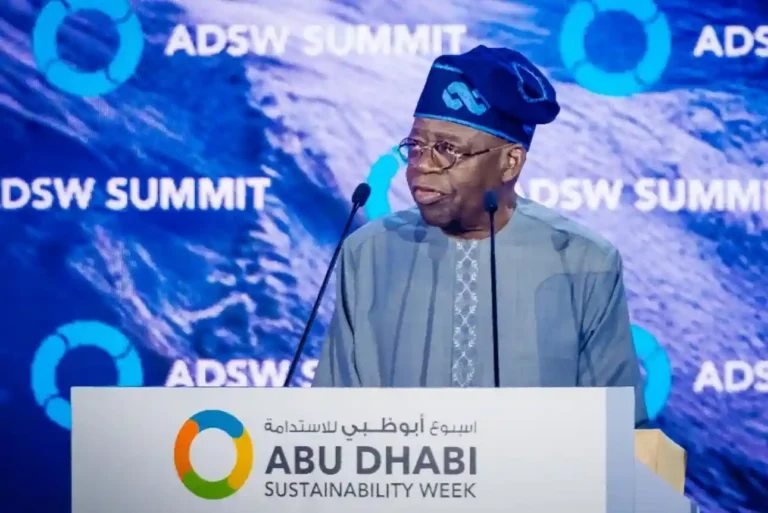
Tinubu made this known on Tuesday while addressing world leaders and investors at the 2026 Abu Dhabi Sustainability Week, themed “The Nexus of Next: All Systems Go.” He said Nigeria had taken regulatory steps to strengthen climate governance and attract investments into low-carbon projects that align with its national development priorities.

“Nigeria feels at the heart of development opportunity,” the President said. “In this spirit, Nigeria has launched a climate and green industrialisation investment to unlock $20bn to $30bn annually in climate finance.”

He explained that the government’s push in the carbon market is anchored on the National Carbon Market Activation Policy and the launch of the National Carbon Registry, which are aimed at improving emissions reporting, verification and transparency. Tinubu said these measures would make Nigeria’s carbon credits credible and appealing to global buyers.

The President stated that Nigeria approved the National Carbon Market Framework in October 2025, which defines the rules for carbon credit registration, issuance and verification. He added that the Climate Change Fund was operationalised in November, alongside the restoration of the National Council on Climate Change to the federal budget to strengthen institutional capacity and oversight.

Tinubu said the carbon market would support emissions-reduction projects in key sectors such as forestry, renewable energy, clean cooking and agriculture. He added that these efforts would create new income streams for local communities and businesses while contributing to global decarbonisation goals.

Speaking on energy reform, Tinubu highlighted the 2023 Electricity Act, which allows decentralised electricity generation and distribution. According to him, this reform has opened the way for inclusive energy access, especially for rural communities, off-grid health facilities, schools, markets and other underserved areas across Nigeria.

“Nigeria recognises the urgent need to deploy and advance technologies to improve green efficiency, modernise infrastructure, and accelerate the delivery of sustainable energy to underserved areas,” he said.

The President also mentioned several financing initiatives connected to Nigeria’s climate and energy transition agenda. These include a climate investment platform targeting $500 million for climate-resilient infrastructure, a national climate platform aimed at mobilising $2 billion in capital investment, and a $50 billion sub-regional green bond that was oversubscribed by 97.7 per cent.

Tinubu acknowledged the role of international partners in supporting Nigeria’s green efforts. He noted that the World Bank is currently implementing a $750 million programme to expand clean electricity access to over 17.5 million Nigerians.

He further stated that Nigeria’s energy transition plan integrates “climate mitigation, industrial growth, and social development into a single coherent framework,” targeting net-zero emissions by 2060 while ensuring universal energy access.

Tinubu called on developed countries to deepen partnerships with Nigeria through technology transfer, knowledge exchange and innovation. He added that “the adoption of artificial intelligence to optimise efficiency is no longer a matter of the future.”

Nigeria submitted its updated climate commitments to the United Nations in September 2025, reaffirming its plan to use market-based mechanisms, including carbon trading, to meet emissions targets while promoting sustainable economic growth.

Nigeria to co-host Investopia with UAE in February

0

President Bola Tinubu announced on Tuesday that Nigeria will co-host Investopia with the United Arab Emirates (UAE) in Lagos in February, an initiative aimed at attracting global investors and accelerating sustainable investment inflows.

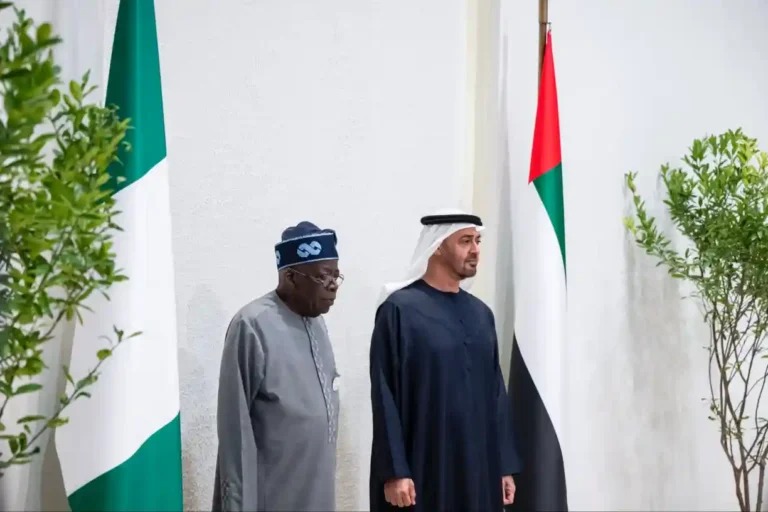
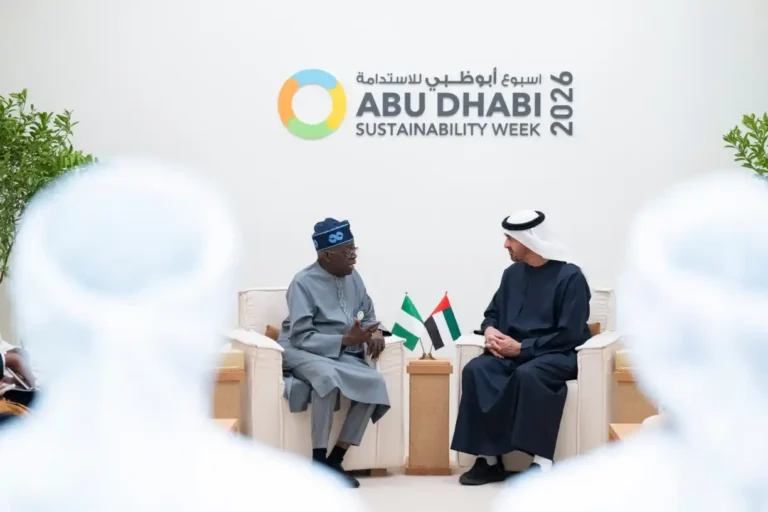
He made the announcement at the 2026 Abu Dhabi Sustainability Week (ADSW), where Nigeria also concluded a Comprehensive Economic Partnership Agreement (CEPA) with the UAE to deepen trade and cooperation in renewable energy, infrastructure, logistics, and digital trade.

Present at the signing of the agreement were President Tinubu, President of the United Arab Emirates, Mohamed bin Zayed Al Nahyan, Nigeria’s Minister of Industry, Trade, and Investment, Dr Jumoke Oduwole, and UAE Minister of Foreign Trade and Minister in charge of Talent Attraction and Retention, Dr Thani bin Ahmed Al Zeyoudi.

President Tinubu described CEPA as a historic and strategic agreement that will also enhance cooperation in aviation, logistics, agriculture, and climate-smart infrastructure, creating enduring opportunities for the people of both countries.

He stated that Investopia will bring together investors, innovators, policymakers, and business leaders to transform opportunities into commitment and ideas into investment.

“We warmly invite our partners to join us and help build the next chapter of sustainable and shared prosperity for Nigeria, Africa, and the world,” President Tinubu said.

At the Summit, the President revealed that Nigeria aims to mobilise up to 30 billion dollars annually in climate and green industrial finance as the country accelerates energy transition reforms and expands nationwide electricity access.

“The foundation of every modern economy is electricity. As an emerging economy in the Global South, we understand the delicate balance between industrialisation and decarbonisation, ensuring neither is pursued at the expense of the other.

“We are calling for a fundamental shift in the global financial architecture: a move away from the restrictive requirement of sovereign guarantees, which unfairly penalise developing economies.

“Instead, the focus should be on blended finance and first-loss capital mechanisms that allow private sustainable capital flows directly into our green projects without further straining national balance sheets,” he said.

According to President Tinubu, Nigeria has strengthened its climate governance framework with the adoption of a National Carbon Market Activation Policy and the launch of a National Carbon Registry.

He explained that these measures are aimed at improving transparency and investor confidence.

President Tinubu highlighted the Electricity Act 2023 as a central pillar of Nigeria’s energy reforms, noting that it enables decentralised power generation and distribution to underserved communities.

He said Nigeria’s climate investment drive includes a 500 million dollar distributed renewable energy fund backed by the Nigeria Sovereign Investment Authority, as well as a 750 million dollar World Bank programme expected to expand clean electricity access to more than 17.5 million people.

The President reaffirmed Nigeria’s target of net-zero emissions by 2060 under its Energy Transition Plan while pursuing industrial growth and universal energy access.

He invited foreign investors to partner in Nigeria’s lithium and critical minerals sector, stressing that the government prioritises local processing and value addition.

President Tinubu noted that ongoing economic reforms in Nigeria are producing tangible results, including a 21 per cent growth in non-oil exports.

“These reforms, alongside wider fiscal and monetary measures, are delivering results. Non-oil exports have grown by 21 per cent, supported by a more diversified product base. Capital importation has risen, and Nigeria now has over 50 billion dollars in investment commitments across key sectors.

“We are ready to work with partners across the world to ensure that the next era of development is not only green and inclusive, but just and enduring,” he said.

Nigerian-made products to enter UAE without customs duties

Nigeria and the United Arab Emirates (UAE) have signed a new trade partnership that allows Nigerian-made products to enter the UAE market without paying customs duties, a move expected to make the products more affordable and competitive.

President Bola Ahmed Tinubu disclosed this on Tuesday while attending the Abu Dhabi Sustainability Week at the invitation of His Highness Mohamed bin Zayed Al Nahyan, President of the UAE. Tinubu said he witnessed the signing of the Nigeria-United Arab Emirates Comprehensive Economic Partnership Agreement alongside the UAE leader.

According to the President, the agreement is the result of months of coordinated efforts by both nations. “This agreement is the result of sustained and disciplined work led by Minister Dr Jumoke Oduwole for Nigeria and by Minister Thani bin Ahmed Al Zeyoudi for the UAE. I commend both ministers and their teams for the seriousness and clarity that brought these negotiations to a conclusion,” he said.

Tinubu explained that the deal provides duty-free access for thousands of Nigerian products into the UAE, expands opportunities for exporters, manufacturers, and service providers, and gives UAE investors more confidence to invest in Nigeria’s productive sectors.

“For Nigerians, this agreement is not abstract. It opens duty-free access for thousands of Nigerian products into the UAE, expands opportunities for our exporters, manufacturers, and service providers, and gives UAE investors clearer confidence to back Nigeria’s productive economy,” he stated.

He added that the agreement supports Nigeria’s broader economic goals. “This comprehensive agreement also supports our industrialisation and diversification goals and strengthens Nigeria’s position as a gateway for trade and investment into Africa.”

Tinubu described the development as “the work of economic reform, purposeful engagement and measured partnerships.” He expressed hope that the renewed Nigeria-UAE relationship would continue to yield long-term benefits for both nations and their citizens.

BudgIT requests FOI details on FG intervention funds to States

0

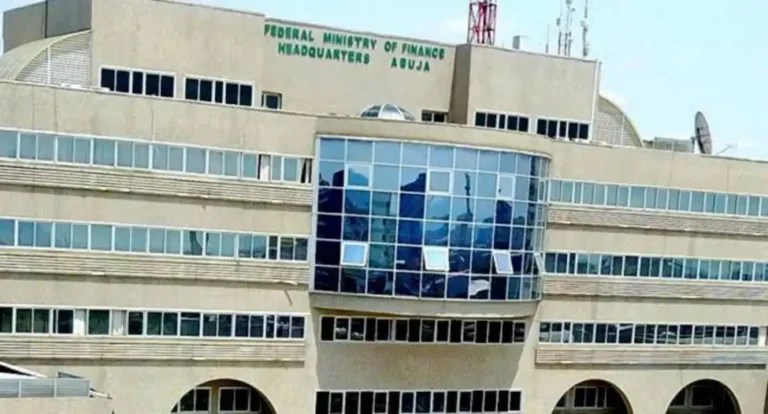
BudgIT Foundation, a civic tech organisation known for promoting transparency and accountability in Nigeria’s governance, has requested detailed information from the Federal Ministry of Finance on intervention funds provided to states by the Federal Government from 2023 to date.

In a letter dated January 8, 2026, and addressed to the Honourable Minister of Finance and Coordinating Minister of the Economy, Mr. Adebayo Olawale Edun, BudgIT, through its Tracka program, made the request under the Freedom of Information Act, 2011. The organisation said the request was made to enable Nigerians to track how public funds were allocated and used across the states.

The letter, signed by Osiyemi Joshua, Head of Tracka, stated that “BudgIT Foundation is a civic tech organisation raising the standards of transparency, accountability, and service delivery in the Nigerian government and governance.” It added that BudgIT uses technology to simplify public information and encourage citizens to demand accountability and better service delivery.

According to the document, the request is in line with the Freedom of Information Act, which gives every Nigerian the right to access or request information from public institutions. Tracka, a project under BudgIT, has been supporting communities in monitoring government and constituency projects to ensure proper delivery for public benefit.

The letter requested four key sets of data from the Ministry of Finance. These include “a comprehensive list of all states that received these funds, including the Federal Capital Territory,” and “the total amounts of Intervention Funds disbursed each year from 2023 to date, broken down by state, type of intervention, and dates of disbursement.”

It also sought “the purpose(s) and condition(s) attached to each disbursement,” as well as “reports on utilization, audits, or compliance by the recipient states.”

BudgIT explained that the request was made “in the interest of the public” to promote transparency in fiscal federalism and to help Nigerians understand how intervention funds are managed. The group stated that the information could be provided in soft or hard copy, preferably in machine-readable formats such as Excel or CSV.

“In the spirit of transparency and accountability, we would appreciate it if a response is given within seven days as stipulated in the Freedom of Information Act, 2011,” the letter read.

BudgIT further urged the Ministry to uphold openness and accountability principles, adding that responses could be sent via email to info@tracka.ng or physically delivered to its office in Abuja.

The letter was acknowledged by the Ministry with a handwritten note indicating the time and date as 3:28 p.m. on January 8, 2026.