Home Blog Page 177

PAC Foundation, ALX train 100 women in Virtual Assistant skills

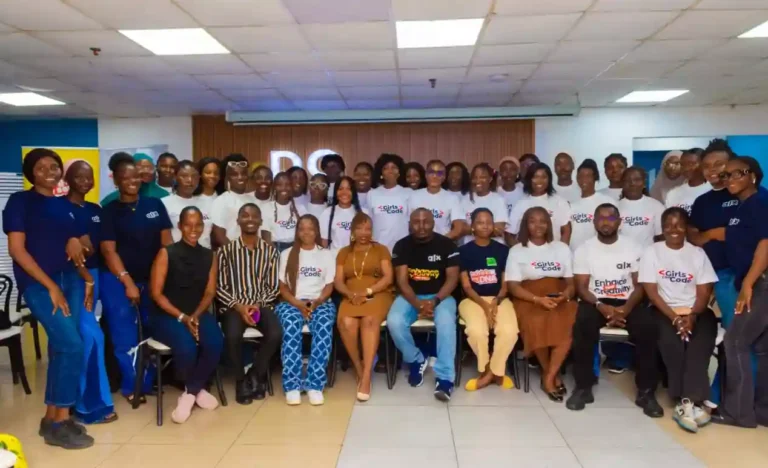
PanAfrican Capital Foundation (PAC Foundation), in partnership with ALX Nigeria, has trained 100 young women in Virtual Assistant (VA) skills under its Girls Can Code (GCC) Cohort 3.0 initiative. The programme was designed to equip participants with digital skills, improve employability, and promote economic empowerment among young women in Nigeria.

The Girls Can Code programme provided a combination of technical instruction and career-readiness support, focusing on building participants’ confidence and competence in virtual assistance. It also helped prepare them for freelance and remote job opportunities in the fast-changing digital economy.

Speaking about the purpose and impact of the initiative, Omolola Ojo, Executive Secretary of PAC Foundation, explained that the training was about more than just technical knowledge. “Girls Can Code goes beyond technical training—it is about unlocking opportunities and helping young women see what is possible for their futures. By equipping them with relevant digital skills, we are enabling financial independence, confidence, and long-term career growth,” she said.

The programme has now been successfully concluded, recording strong participation and notable results. PAC Foundation reported an overall attendance rate of 87 percent and a certification rate of 84 percent, surpassing the original target.

Participants also gave positive feedback, with a learner satisfaction score of 4.75, reflecting both the quality of instruction and the usefulness of the learning experience. Some graduates have already moved into freelance and remote work roles, while others have been trained as mentors to guide new learners and sustain the programme’s impact.

According to Oluwayomi Tobi-Ayegun, Programs and Evaluation Manager at PAC Foundation, the outcomes show the value of a well-structured and supportive learning model. “The outcomes from Cohort 3.0 affirm that when young women are given access to the right skills, tools, and support systems, they excel. Beyond certifications, we are seeing real transitions into income-generating opportunities and a growing culture of peer mentorship among alumni,” he stated.

Several participants also shared personal stories about how the programme changed their lives. One said, “Before this programme, I had no clear direction in the digital space. Today, I am certified, confident, and already exploring freelance opportunities.”

Another added, “Girls Can Code helped me believe in my abilities. The training was practical, supportive, and empowering.” A third participant noted, “Being part of this cohort has opened my eyes to global opportunities I never thought were accessible to me.”

Girls Can Code remains part of PAC Foundation’s ongoing effort to promote gender inclusion, digital literacy, and youth empowerment across Nigeria. The Foundation said it will continue to expand the initiative to reach more young women in future editions.

Advertisement

Borno Gov announces N40m grant for 400 women vocational trainees

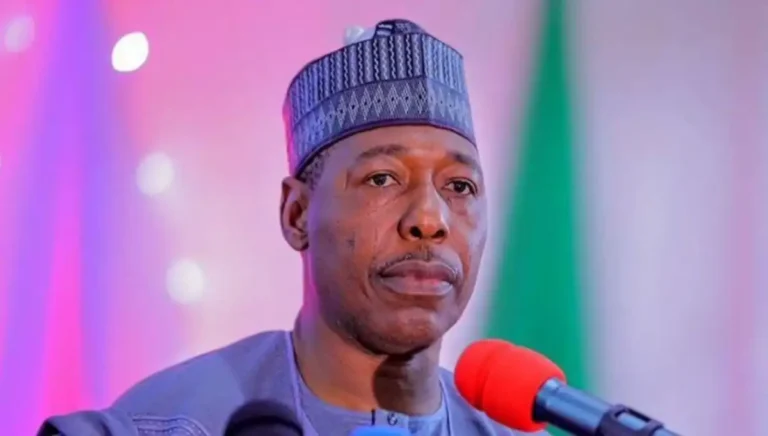
Governor has announced a N40 million grant for 400 women vocational trainees in Borno South Senatorial District, as part of the inauguration of the Women and Girls Skills Acquisition Centre (WGSAC) in , Borno State.

The announcement was made last Friday during the official inauguration of the centre, an event that brought together women and girls from eight local government areas of the district. According to the governor, the beneficiaries were selected from communities across the senatorial zone and include women and girls who had previously been unable to complete their education due to various circumstances.

“The 400 women vocational trainees are drawn from eight LGAs,” Zulum said, explaining that the initiative was designed to give them a second chance at economic independence. He added that each beneficiary would receive N100,000, to be paid in two instalments.

Zulum said the total N40 million grant would support training in tailoring, catering, knitting and crocheting, and bead making. He noted that the programme was aimed at restoring livelihoods and improving household income across communities in the district.

Addressing the trainees during the event, the governor asked, “Who among you has the qualifications for higher education in the country?” As several women raised their hands in response, he announced an additional intervention, offering instant scholarships to some of the trainees to study nursing and midwifery within the state.

The announcement of the grants and scholarships was met with strong emotional reactions from the beneficiaries, many of whom expressed disbelief at the scale of support. Some of the women were seen openly weeping, while others appeared stunned by the sudden opportunity to rebuild their lives through skills acquisition and education.

According to officials present at the event, the WGSAC was established to provide practical skills and training opportunities for vulnerable women and girls across southern Borno. The centre is expected to serve as a hub for vocational education and economic empowerment in the area.

The inauguration of the WGSAC formed part of Governor Zulum’s five-day working tour of southern Borno, during which he visited health facilities, schools, and other public institutions. The tour also included engagements with health workers, teachers, youth groups, and vulnerable residents across the zone.

Many of the beneficiaries offered prayers for the governor, expressing hope that the programme would be sustained to improve living conditions and promote long-term economic stability in the region.

AFRIMA 2026 Full Winners List by African Regions and Categories

Nigerian music stars Burna Boy, Rema, Yemi Alade, Shallipopi, and Phyno were among the biggest winners at the 9th edition of the All Africa Music Awards (AFRIMA), held on Sunday night in Lagos State.

Rema stood out as the top act of the night, winning three major awards. The 24-year-old Calm Down crooner took home Best Male Artiste in Western Africa, Artiste of the Year, and Best African Artiste, Duo or Group in African RnB/Soul for his global hit Calm Down. Rema edged out other top Nigerian artistes including Burna Boy, Davido, Wizkid, and Asake in the Best Male Artiste in Western Africa and Artiste of the Year categories.

Burna Boy won the Album of the Year award for his project No Sign of Weakness, adding another milestone to his list of achievements. Yemi Alade’s song You Are, from Iyanu: The Animated Series, clinched the award for Best Soundtrack in a Movie, Series, or Documentary.

Fast-rising artiste Shallipopi also had a big night, winning Song of the Year with Laho and securing Best African Collaboration alongside Burna Boy for the same track. Phyno was honored with the award for Best African Artiste in African Hip-Hop, while Chella won the African Fans’ Favourite category.

Other winners included Tanzanian singer Jux, who received Best Male Artiste in Eastern Africa, and Cindy Le Coeur from the Democratic Republic of Congo, who won Best Female Artiste in Central Africa. AFRIMA 2026 highlighted African musical diversity and heritage, with Lagos hosting the event for the third time. The ceremony at the Convention Centre, Eko Hotels and Suites, Victoria Island, featured electrifying performances from several African stars.

Below is the full list of winners:
Best Male Artist in Central Africa

  • C4 Pedro (Angola)
  • Eboloko (Gabon)
  • Gims (DRC)
  • Gerilson Insrael (Angola)
  • Kocee (Cameroon)
  • L’Oiseau Rare (Gabon)
  • Fally Ipupa (DRC)
  • Magasco (Cameroon)
  • Singuila (The Congo) – Winner
  • Werrason (DRC)

Best Female Artiste in Central Africa

  • Anna Joyce (Angola)
  • Blanche Bailly (Cameroon)
  • Charlotte Dipanda (Cameroon)
  • Cindy Le Coeur (DRC) – Winner
  • Deborah Lukalu (DRC)
  • Emma’a (Gabon)
  • Jessy B (The Congo)
  • Krys M (Cameroon)
  • Liriany (Angola)
  • Rebo (DRC)

Best Male Artiste in Eastern Africa

  • Bien (Kenya)
  • Diamond Platnumz (Tanzania)
  • Element Eleéh (Rwanda)
  • Joshua Baraka (Uganda)
  • Jux (Tanzania) – Winner
  • Marioo (Tanzania)
  • Mbosso (Tanzania)
  • Bruce Melodie (Rwanda)
  • Sat-B (Burundi)
  • Yared Negu (Ethiopia)

Best Female Artiste in Eastern Africa

  • Abigail Chams (Tanzania)
  • Bridget Blue (Kenya)
  • Denise (Madagascar) – winner
  • Haleluya Tekletsadik (Ethiopia)
  • Lady Jaydee (Tanzania)
  • Mahlet Wendimu (Ethiopia)
  • Salemia (Ethiopia)
  • Weeha (Ethiopia)
  • Winnie Nwagi (Uganda)
  • Zuchu (Tanzania)

Best Male Artiste in Northern Africa

  • A.L.A. (Tunisia)
  • Adviser (Mauritania)
  • Amr Diab (Egypt)
  • Cheb Momo (Algeria)
  • El Grande Toto (Morocco)
  • Hamza Namira (Egypt)
  • Lbenj (Morocco)
  • Mohamed Ramadan (Egypt)
  • Stormy (Morocco)
  • Wegz (Egypt)

Best Female Artiste in Northern Africa

  • Chirine Lajmi (Tunisia)
  • Inez (Morocco)
  • Jannat (Egypt)
  • Jaylann (Morocco)
  • Manal (Morocco)
  • Meryem Aboulouafa (Morocco)
  • Sherine (Egypt) – Winner
  • Zina Daoudia (Morocco)

Best Male Artiste in Southern Africa

  • Anderson Mário (Mozambique)
  • Jah Prayzah (Zimbabwe)
  • Manana (Eswatini)
  • Nasty C (South Africa)
  • Teddy Makadi (Malawi)
  • Tyler ICU (South Africa)
  • Wanitwamos (South Africa)
  • Yo Maps (Zambia) – Winner
  • Zeze Kingston (Malawi)
  • Kazba De Small (South Africa)

Best Female Artiste in Southern Africa

  • Babalwa M (South Africa)
  • Hanna (Zimbabwe)
  • Makhadzi (South Africa)
  • Nkosazana Daughter (South Africa)
  • Nontokozo Mkhize (South Africa) – Winner
  • Sha Sha (Zimbabwe)
  • Temwah (Malawi)
  • Tyla (South Africa)
  • Uncle Waffles (Eswatini)
  • Zee Nxumalo (South Africa)

Best Male Artiste in Western Africa

  • Asake (Nigeria)
  • Axel Merryl (Benin)
  • Black Sherif (Ghana)
  • Burna Boy (Nigeria)
  • Davido (Nigeria)
  • Didi B (Côte d’Ivoire)
  • Djodje (Cape Verde)
  • Rema (Nigeria) – Winner
  • VJ (Senegal)
  • Wizkid (Nigeria)

Best Female Artiste in Western Africa

  • Amaarae (Ghana)
  • Ayra Starr (Nigeria)
  • Djelykaba Bintou (Guinea)
  • Josey (Côte d’Ivoire)
  • Mariam Ba Lagaré (Mali)
  • Mia Guissé (Senegal)
  • Moliy (Ghana)
  • Tiwa Savage (Nigeria)
  • Viviane Chidid (Senegal)
  • Wendy Shay (Ghana) – Winner

CONTINENTAL CATEGORY

Best Male Artiste in African Inspirational Music

  • Christian Mukuna (DRC)
  • Djunny Beatz (Mozambique)
  • Gaise Baba (Nigeria)
  • Israel Mbonyi (Rwanda)
  • Jah Prayzah (Zimbabwe)
  • Joel Lwaga (Tanzania)
  • Kocee (Cameroon)
  • Lawrence Oyor (Nigeria)
  • Milo (Côte d’Ivoire) – Winner
  • Sjava (South Africa)

Best Female Artiste in African Inspirational Music

  • Ada Ehi (Nigeria)
  • Choisie Basolua (DRC)
  • Krys M (Cameroon)
  • Martha Mwaipaja (Tanzania)
  • Mercy Chinwo (Nigeria)
  • Morijah (Côte d’Ivoire) – Winner
  • Nontokozo Mkhize (South Africa)
  • Roseline Layo (Côte d’Ivoire)
  • Vestine & Dorcas (Rwanda)

Best African Artiste, Duo or Group in African Jazz

  • Adrian Younge & Ali Shaheed Muhammad (Ghana)
  • Haddinqo (Ethiopia) – Winner
  • Mádé Kuti (Nigeria)
  • Rorisang Sechele (South Africa)
  • Sibusiso Mash Mashiloane (South Africa)
  • The Cavemen (Nigeria)
  • Alune Wade (Senegal)
  • Nomfundo Xaluva (South Africa)
  • Kyle Shepherd Trio (South Africa)

Best Artiste, Duo or Group in African Contemporary

  • Fireboy DML (Nigeria)
  • Axel Merryl (Benin) – Winner
  • Espe Bass (Congo B)
  • Bien (Kenya)
  • Jaylann (Morocco)
  • Kizz Daniel, Angélique Kidjo & Johnny Drille (Nigeria)
  • Mbosso (Tanzania)
  • Ferre Gola & Rayvanny (DRC)
  • Didine Canon 16 (Algeria)
  • Wendy Shay (Ghana)

Best Soundtrack in Movie, Series, or Documentary

  • Igho’le Trap Mix Version (“To Kill a Monkey”: Series) – Oscar Heman-Ackah (Ghana)
  • El Ma2as (“The Start”: Film) – Tamer Hosny, Reda Elbahrawy (Egypt)
  • You Are (“Iyanu”: The Animated Series) – Yemi Alade (Nigeria) – Winner
  • Timpi Tampa (“Timpi Tampa”: The Film) – Ismaël Lo (Senegal)
  • Tori Ife (“Seven Doors”: Series) – Tolu Obanro (Nigeria)
  • Saatte Ragouj (“The Last of the Mohicans” Film) – Kafon (Tunisia)

Songwriter of the Year

  • Bakhaw Dioum – “Choix” (Mia Guissé ft. Wally B. Seck) (Senegal) – Winner
  • Emel, Jehanny Beth & Camille Berthomier – “Fall in the Light” (Tunisia)
  • Emma’a – “Trop d’amour” (Gabon)
  • Emmanuel Ayobami Alli-Hakeem – “Za” (Anendlessocean) (Nigeria)
  • Ferre Gola – “Amour Illusoire” (DRC)
  • Mohammed Ismail Sharrif – “Rebel Music” (Black Sherif) (Ghana)
  • Mugisha Fred Robinson – “Tombé” (Element Eleéh) (Rwanda)
  • Olamide Adedeji – “Hassibunallah” (Olamide) (Nigeria)
  • Prince Omoferi & Nwamu Francis Chukwudubem – “It Hurts” (Johnny Drille & Don Jazzy) (Nigeria)
  • Victor Ngatuvese Kaune – “Oputuri ‘Queens’” (One Blood Namibia) (Namibia)

African Fans’ Favourite

  • Ali Jita (Nigeria)
  • Barnaba (Tanzania)
  • BNXN & Rema (Nigeria)
  • Chella (Nigeria) – Winner
  • Dlala Thukzin (South Africa)
  • Innoss’b (DRC)
  • Kizz Daniel (Nigeria)
  • Parazar (Algeria)
  • Faceless (Nigeria)
  • Tul8te (Egypt)

Best African DJ

  • DJ Malvado (Angola)
  • DJ Maphorisa (South Africa)
  • DJ Moh Green (Algeria) – Winner
  • DJ Mombochi (The Congo)
  • DJ Tunez (Nigeria)
  • DJ YK Mule (Nigeria)
  • Kelvin Momo (South Africa)
  • Oscar Mbo (South Africa)
  • Uncle Waffles (Eswatini)
  • Woodblock Djs (South Africa)

Producer of the Year

  • Beneth Seraphin Akatché Koffi (Senegal)
  • Butternut, Xolani Majoz (South Africa)
  • Dina One (Mali)
  • Element Eleéh & Mugisha Fred Robinson (Rwanda) – Winners
  • Jazzworx (South Africa)
  • Progrex (Nigeria)
  • DaVinci (Angola)
  • Tempoe (Nigeria)
  • Themba Sekowe, Gomolemo Joy Gumede, Kabelo Motha (South Africa)

Album of the Year

  • Ebtadena – Amr Diab (Egypt)
  • No Sign of Weakness – Burna Boy (Nigeria) – Winner
  • 5ive – Davido (Nigeria)
  • Diyilem & Bazarhoff: Genius – Didi B (Côte d’Ivoire)
  • Ngomoya – DJ Maphorisa & XDuppy (South Africa)
  • Salgoat – El Grande Toto (Morocco)
  • Big Aka 4 Aka Kai – Himra (Côte d’Ivoire)
  • Thato Ya Modimo – Kelvin Momo (South Africa)
  • Idrache (Traces of the Past) – Tinariwen (Mali)

Best African Video of the Year

  • “Rebel” – Black Sherif (Ghana)
  • “Meta” – Nomcebo Zikode & Sofiya Nzau (South Africa)
  • “Ki Lo Wa Wa” – Yemi Alade (Nigeria)
  • “Timpi Tampa” – Ismaël Lo (Senegal)
  • “Tori Ife” – Tolu Obanro (Nigeria)
  • “Ova” – Mbosso (Tanzania) – Winner
  • “Ololufe” – Juma Jux & Diamond Platnumz (Tanzania)
  • “Shaolin” – Seyi Vibez (Nigeria)
  • “Stk Stk” – Dizzy Dros, Kekra & Norfafrica (Morocco)

Song of the Year

  • “Isaka (6AM)” – Ciza, Jazzworx & Thukuthela (South Africa)
  • “Bengicela” – Mawhoo Gl Ceejay & Thukuthela (South Africa)
  • “Choix” – Mia Guissé (Senegal)
  • “Diplomatico” – El Grande Toto (Morocco)
  • “Kaay Waay” – VJ (Senegal)
  • “Laho” – Shallipopi (Nigeria) – Winner
  • “Ololufe Mi” – Jux & Diamond Platnumz (Tanzania)
  • “Push 2 Start” – Tyla (South Africa)
  • “Shake it to the Max” – Moliy, Shenseea, Skillibeng & Silent Addy (Ghana)
  • “With You” – Davido (Nigeria)

Best African Dance/Choreography

  • Jaylann – “Ha Wlidi” (Morocco)
  • Lady Ponce – “Je veux danser” (Cameroon)
  • Rebo – “Mobambo” (DRC)
  • Serge Beynaud – “Taper Dedans” (Côte d’Ivoire)
  • Toofan – “Deodorant” (Togo)
  • Tyla – “Push 2 Start” (South Africa)
  • Uncle Waffles & Royal Musiq – “Zenzele” (Eswatini)
  • Weeha – “Dimama” (Ethiopia) – Winner
  • Werrason – “Tout se paie ici bas” (DRC)
  • Wizkid – “Kese” (Nigeria)

Best African Act Reggae, Ragga & Dancehall

  • Magasco – “Dirty Whine” (Cameroon)
  • Moliy, Shenseea, Skillibeng & Silent Addy – “Shake it to the Max” (Ghana)
  • Ruger & Kranium – “Dudu” (Nigeria)
  • Sean Morgan – “Vuu” (Malawi)
  • Black Sherif – “Rebel Music” (Ghana)
  • Takana Zion – “On My Eyes” (Guinea) – Winner
  • Tiwa Savage – “Forgiveness” (Nigeria)
  • Wakadinli – “Kum Baba” (Kenya)
  • Yemi Alade – “Baddie” (Nigeria)
  • Iyani, Mwanaa & Cedo – “Kifo cha Mende” (Kenya)

Best African Collaboration

  • Blanche Bailly & Lady Ponce – “Lève toi” (Cameroon)
  • Goon Flavour, Master Kg & Eemoh – “Ngishutheni” (South Africa)
  • Mia Guissé ft. Wally Seck – “Choix” (Senegal)
  • Moliy, Silent Addy, Skillibeng & Shenseea – “Shake It to the Max” (Ghana)
  • Paki Chenzu ft. Himra – “Assaut” (Togo/Côte d’Ivoire)
  • Shallipopi ft. Burna Boy – “Laho” (Nigeria) – Winner
  • Uncle Waffles ft. Cowboii, Royal Musiq, Uncool MC & Xduppy – “Zenzele” (Eswatini)
  • Davido ft. Omah Lay – “With You” (Nigeria)
  • Mawhoo, GL Ceejay & Thukuthela ft. Jazzworx – “Bengicela” (South Africa)
  • Benny Adam & Khadija El Warzazia – “Mok Ya Mok” (Morocco)

Most Promising Artiste of the Year

  • Cysoul (Cameroon)
  • Joshua Baraka (Uganda)
  • King Luca (Cameroon)
  • L’Oiseau Rare (Gabon)
  • Lwah Ndlunkulu (South Africa)
  • Massamba Amadeus (Senegal)
  • Qing Madi, Valorant (Nigeria) – Winner
  • Rym (Morocco)
  • Kunmie (Nigeria)
  • Fola (Nigeria)

Artiste of the Year

  • Amr Diab (Egypt)
  • Ayra Starr (Nigeria)
  • Burna Boy (Nigeria)
  • Davido (Nigeria)
  • DJ Maphorisa (South Africa)
  • El Grande Toto (Morocco)
  • Fally Ipupa (DRC)
  • Jux (Tanzania)
  • Rema (Nigeria) – Winner
  • Shallipopi (Nigeria)
  • Tyla (South Africa)

Breakout Artiste of the Year

  • Blaq Major (South Africa)
  • Ciza (South Africa) – Winner
  • Eboloko (Gabon)
  • Himra (Côte d’Ivoire)
  • Marioo (Tanzania)
  • Mawhoo (South Africa)
  • Moliy (Ghana)
  • Shallipopi (Nigeria)
  • Trap King (Algeria)
  • VJ (Senegal)

Best African Lyricist Rapper

  • ALA (Tunisia)
  • Didi B (Côte d’Ivoire) – Winner
  • Jessy B (Congo B)
  • Klassafan le Melangeur (Guinea)
  • Nasty C & Usimamane (South Africa)
  • Nyashinski (Kenya)
  • Reminisce (Nigeria)
  • Sarkodie (Ghana)
  • Switch (Libya)
  • Yacou B OG (Mali)

Best African Artiste, Duo or Group in African Hiphop

  • ALA ft. Mootjeyek (Tunisia)
  • Cassper Nyovest (South Africa)
  • Eboloko (Gabon)
  • El Grande Toto (Morocco)
  • Himra (Côte d’Ivoire)
  • Phyno (Nigeria) – Winner
  • Nasty C & Usimamane (South Africa)
  • Odumodublvck (Nigeria)
  • Sarkodie (Ghana)
  • Suspect 95 (Côte d’Ivoire)

Best African Artiste, Duo or Group in African RnB & Soul

  • Bensoul & V- Be (Kenya)
  • Big Zulu ft. Malungelo (South Africa)
  • Braye (Nigeria)
  • Calema (Sao Tome)
  • Emma’a (Gabon)
  • Kunmie (Nigeria)
  • Manal (Morocco)
  • Naledi Aphiwe & Mawelele (South Africa)
  • Rema (Nigeria) – Winner
  • Wegz ft. Tayc (Egypt)

Best African Duo, Group or Band

  • Babylone (Algeria)
  • Blaq Diamond (South Africa)
  • Celema (Sao Tome & Principe)
  • Team Paiya (Côte d’Ivoire) – Winner
  • The Cavemen (Nigeria)
  • Tinariwen (Mali)
  • Toofan (Togo)
  • Vestine & Dorcas (Rwanda)
  • Wapendwa Muziki (Kenya)
  • We Are Nubia (Kenya)

GoGreen Environmental Health Sustainability Initiatives opens 2026 recruitment

1

GoGreen Environmental Health Sustainability Initiatives has announced the opening of its 2026 recruitment exercise, inviting qualified candidates to apply for various positions across its programs. The organization said the recruitment process aims to strengthen its workforce as it expands its community-driven and evidence-based programs across Benue State and other parts of Nigeria.

According to the organization, “Thank you for your interest in joining GoGreen Environmental Health Sustainability Initiatives. This application form is designed to collect information required to assess your suitability for the advertised positions. Please complete all sections carefully. Incomplete applications may not be considered.”

GoGreen Environmental Health Sustainability Initiatives described itself as a youth-led, non-profit organization committed to addressing key environmental, public health, and development challenges in vulnerable and conflict-affected communities. Its focus areas include peace and conflict management, agriculture and food security, climate change adaptation and resilience, and youth empowerment.

The group said it works closely with government institutions, donors, and local stakeholders to implement sustainable interventions that build community resilience, improve public health, and promote inclusive development.

As part of its current recruitment, GoGreen is seeking motivated and results-oriented professionals for several roles. The positions include Associate Director-Programs, Senior Program Manager, Program Manager, Internal Auditor/Compliance, Senior Program Officer, Program Officer-Climate Change, Program Assistant, Procurement Assistant, Finance Assistant, and Driver.

The organization emphasized its commitment to fair recruitment practices, stating, “GoGreen Environmental Health Sustainability Initiatives is an equal opportunity employer and is committed to fostering a diverse, inclusive, and respectful workplace. Recruitment and selection decisions are made based on merit, qualifications, and organizational needs.”

Interested applicants are encouraged to apply through the official link provided by GoGreen: https://docs.google.com/forms/d/e/1FAIpQLSfnDPC9pn5XF6fAs6gFq3gxrwZxWAVcNYY8bwRhzuDYJe3hnQ/viewform

Edo Central Schools Postpone Second Term Resumption

0

The Edo State Government has announced that all public and private schools in Edo Central Senatorial District will not resume for the second term of the 2025/2026 academic session as earlier scheduled. The resumption has been postponed until further notice to allow the government address pressing issues affecting the welfare of children in the area.

The announcement was made on Monday by the Honourable Commissioner for Education, Dr. Emmanuel Paddy Iyamu, who said the decision affects all schools within the senatorial district.

“This is to inform the general public, particularly parents, school heads, and proprietors, that the resumption of all public and private schools in Edo Central Senatorial District for the Second Term of the 2025/2026 academic session has been postponed until further notice,” he stated.

According to the commissioner, the postponement is aimed at creating room for urgent actions required to improve the welfare and safety of pupils and students across the district.

“This is to enable us address some exigencies to improve the welfare of our children. The new date of resumption will be duly communicated to the public in due course,” Dr. Iyamu added.

Recent developments in parts of Edo Central have raised concerns among residents, including reported cases of insecurity, kidnapping fears, and protests in communities such as Ekpoma. These incidents have led to heightened tension and increased calls for stronger security measures to protect lives and property.

In the past week, residents in some areas of the district staged protests over alleged killings and abductions, prompting responses from security agencies and the state government. Authorities have since urged calm while efforts are ongoing to restore normalcy and strengthen safety across affected communities.

Against this backdrop, the state government said the postponement of school resumption is a precautionary step taken in the interest of students and school staff.

‘Parents, guardians, and all education stakeholders within Edo Central Senatorial District are kindly requested to take note of this development and comply accordingly,” the commissioner said.

NCC engages PwC to assess competition in Nigeria’s telecom market

The Nigerian Communications Commission (NCC) has announced that it has hired PricewaterhouseCoopers (PwC), a leading consulting firm, to carry out a study on the level of competition in Nigeria’s telecommunications industry.

According to the Commission, “This is pursuant to Section 92 of the Nigerian Communications Act (NCA), 2003 and the Competition Practices Regulations (CPR), 2007.” The move is aimed at assessing how fair and competitive the telecom market is and ensuring that consumers and investors benefit from a balanced environment.

In a statement, the NCC said the study “seeks to provide an independent, data-driven evaluation of competitive conditions in the Nigerian telecommunications market to inform proportionate regulatory interventions that promote effective competition, safeguard consumer welfare, encourage investments, and support national digital development objectives towards overall industry sustainability.”

PwC will engage with a wide range of industry stakeholders, including licensed operators, associations, and consumer groups. “Stakeholders will be invited to provide data, submissions, and perspectives to enrich the analysis and ensure that the outcome of the study reflects current and evolving market realities,” the statement added.

The NCC further stated that, in line with its participatory regulatory approach, several stakeholder engagements will be held. The first meeting is scheduled for Tuesday, January 13, 2026, at Sheraton Lagos Hotel, Ikeja, beginning at 10:00 a.m. Each participating organisation is expected to send no more than two representatives.

All enquiries regarding the study should be sent to competitionstudy2025@ncc.gov.ng.

Heritage Bank: NDIC declares N24.3bn liquidation dividend for depositors

0

Heritage Bank Limited has entered another phase in its liquidation process as the Nigeria Deposit Insurance Corporation, NDIC, announced a second liquidation dividend of N24.3 billion for depositors affected by the bank’s closure. The funds, generated from debt recovery, sale of physical assets, and realisation of investments, will go toward paying depositors whose balances exceeded the N5 million insured limit. The payment is set at a rate of 5.2 kobo per N1.00 on outstanding balances, as provided under Section 72 of the NDIC Act 2023.

Following the revocation of Heritage Bank’s operating licence by the Central Bank of Nigeria, CBN, on June 3, 2024, the NDIC was appointed as Liquidator in line with Section 12(2) of the Banks and Other Financial Institutions Act, BOFIA, 2020, and Sections 55 subsections 1 and 2 of the NDIC Act 2023. The Corporation then took over the bank’s operations to begin the process of reimbursing depositors and recovering assets.

“Upon its appointment, the Corporation commenced the processing of claims and payment of insured deposits up to the statutory limit of N5 million from its Deposit Insurance Fund. The Corporation also immediately commenced the disposal of physical assets, recovery of debts, and realization of investments of the defunct bank,” the NDIC said.

As part of these efforts, the NDIC had declared a first liquidation dividend of N46.6 billion in April 2025. That payment was made at a rate of 9.2 kobo per N1.00 on a pro-rata basis to depositors whose balances exceeded the statutory insured limit of N5 million at the time of closure. The Corporation continued with debt recovery and asset realisation to enable further reimbursement of eligible depositors.

“It is in continuation thereof, that the NDIC has now declared a second liquidation dividend of N24.3 billion. This amount, derived from debt recovery, sale of physical assets, and realisation of investments, will be applied to the payment of uninsured balances for depositors with funds exceeding the N5 million insured limit,” the statement read.

“The second liquidation dividend is payable at a rate of 5.2 kobo per N1.00 on outstanding balances, in accordance with Section 72 of the NDIC Act 2023. This brings the cumulative liquidation dividend declared to date to 14.4 kobo per N1.00,” the Corporation added.

According to the NDIC, payments will be made using depositors’ details already in its records. “Payments will be effected using depositors’ details already in the NDIC records. Eligible depositors, who previously received the insured sum and the first tranche of liquidation dividends, will have their alternative bank accounts automatically credited using their Bank Verification Numbers, BVN,” the Corporation said.

Depositors are advised to check their accounts for confirmation of payment. Those without alternative bank accounts or BVNs, or who have not yet claimed their insured deposits of up to N5 million or the first liquidation dividend, are encouraged to visit the nearest NDIC office or fill the e-claim form available at https://ndic.gov.ng/claims-verification-forms for prompt processing.

Providing further clarification, the NDIC explained that a liquidation dividend refers to the amount paid to depositors of a closed bank whose balances exceed the insured limit, derived from proceeds of asset sales, investment realisation, and debt recovery. “Only after all depositors have been fully reimbursed will payments be made to other creditors, and subsequently to shareholders, subject to the availability of funds,” it said.

The Corporation assured the public that this is only the second liquidation dividend and that more payments would follow as additional assets and debts are recovered. It reaffirmed its commitment to ensuring the timely recovery of funds and the prompt reimbursement of depositors.

Kano to Train 50,000 Youths in 2026 to Tackle Unemployment

0

The Kano State Government has unveiled plans to train 50,000 youths across the state in 2026 as part of efforts to tackle unemployment and promote economic self-reliance.

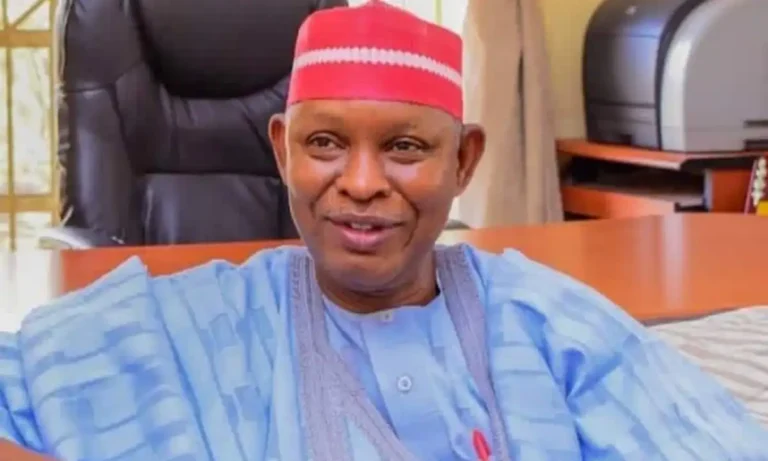
Governor Abba Yusuf made this known on Sunday during the distribution of empowerment packages to 2,260 graduates from 8 entrepreneurship skills institutes at the Government House in Kano.

According to a statement released by the governor’s spokesman, Sunusi Dawakin Tofa, the initiative aims to equip young people with practical skills to enable them to become productive contributors to the state’s economy.

Speaking at the event, Governor Yusuf said the programme was designed to build a skilled and self-reliant youth population capable of driving sustainable development.

“Our goal is to empower young people with the skills and opportunities they need to stand on their own, earn a living and contribute meaningfully to the growth of Kano State,” the governor stated.

He explained that the initiative is part of his administration’s broader plan to address poverty, unemployment and youth restiveness across the state.

Yusuf also assured that his government would continue to make substantial investments in youth empowerment as a long-term strategy to secure the future of the next generation.

“We are committed to investing in our youths because they are the backbone of our development agenda and the future of this state,” he said.

The governor added that the planned training would complement other empowerment programmes currently being implemented by the state government to promote inclusive economic growth and social development.

NASENI launches awareness roadshow for MDAs’ innovation competition

The National Agency for Science and Engineering Infrastructure (NASENI) has announced the launch of a roadshow in the Federal Capital Territory (FCT) Abuja to mobilize and encourage Ministries, Departments, and Agencies (MDAs) to participate in its Inter-Agency Innovation Competition. The campaign, which begins on Monday, January 12, 2026, aims to promote home-grown innovations and reward outstanding ideas with a total cash prize of N140 million.

The roadshow will move across major government locations in Abuja, starting from the Old Federal Secretariat in Area 1 and proceeding to the main Federal Secretariat in the Central Business District. It will make stops at various MDAs to create awareness about the competition, its objectives, and the benefits of public servants’ participation in developing innovative solutions to national challenges.

The initiative is part of NASENI’s drive to boost Nigeria’s innovation ecosystem and support the Federal Government’s industrialization agenda. The roadshow will also provide staff from different MDAs with the opportunity to engage directly with members of the Inter-Agency Innovation Committee, take part in informative sessions, and learn how to submit entries through https://naseni.gov.ng/innovation/.

Chairman of the NASENI Inter-Agency Innovation Competition, Engr. Dr. Olayode Olasupo, who also serves as Director of the Manufacturing Services Department at NASENI, said the competition reflects Nigeria’s desire to harness local creativity for industrial development.

He explained that the initiative is designed to give civil servants across the country a platform to contribute to the nation’s progress. “We want to make sure talents in staff are not wasted, and we know that all Ministries, Departments, and Agencies (MDAs) have such staff in abundance,” he said.

According to him, the competition encourages MDAs to propose innovative ideas across key sectors such as health, agriculture, education, and infrastructure. “The competition hereby invites all MDAs to propose innovative solutions leveraging innovation, science, engineering and technology to enhance service delivery and improve the quality of life for Nigerians,” Olasupo stated.

He urged all MDAs to participate and share creative ideas that can contribute to Nigeria’s growth. “Join us in driving innovation for a better Nigeria,” he said, adding that through the Renewed Hope Agenda, the Federal Government remains committed to building a modern and industrialized nation.

AltBank targets livelihood sectors, creative economy in 2026

0

AltBank’s 2026 strategy will prioritize financing in sectors that directly shape livelihoods and is also exploring structured partnerships within the creative economy, as non-interest banking continues to gain ground in Nigeria’s evolving financial space.

Despite the dominance of conventional banking, non-interest banking (NIB) is gradually emerging as a viable alternative focused on ethical finance, inclusion, and sector-driven development. The Alternative Bank (AltBank) disclosed its growth and impact plans for 2026, positioning NIB as a tool for broader economic transformation.

Speaking on Islamic Finance Viewpoint, Korede Demola-Adeniyi, Executive Director, South, said the non-interest banking sector remains largely underpenetrated. She noted that NIB accounts for just 1.7 per cent of Nigeria’s total banking assets as of 2024, despite rising interest in ethical and value-based financial services.

“Non-interest banking is not niche banking. It is ethical banking designed for inclusion. We are not selling to Muslims alone. We are offering a value proposition that works for everyone,” Demola-Adeniyi said, addressing widespread misconceptions about the sector.

She explained that although the sector recorded modest growth in 2025, significant expansion would depend on stronger advocacy, improved public education, and continuous product innovation. According to her, clearer regulations and increased capital inflow expected in 2026 could enable non-interest banks to play a more active role in national economic development.

As part of its strategy, AltBank plans to channel financing into sectors that directly impact everyday life. These include healthcare, education, agriculture, renewable energy, and transportation, which the Bank considers critical to social and economic stability.

The Bank is also considering structured partnerships within the creative economy, while ensuring that all transactions remain fully compliant with NIB principles.

“These are sectors that shape lives and livelihoods. Our responsibility is to design financing structures that solve real problems, not just disburse funds,” Demola-Adeniyi said.

Responding to concerns around overcollateralisation in non-interest banking, she clarified that NIB operates on a partnership-based model rather than interest-driven lending. She stressed that transparency and shared risk between banks and customers are key features of the system.

“The NIB model demands honesty and collaboration. When customers understand that the Bank is a partner, not just a lender, trust deepens and outcomes improve,” she added.

AltBank currently operates more than 130 branches and service points nationwide, mainly through strategic partnerships. The Bank plans to expand to 500 locations, supported by financial literacy campaigns and agent empowerment programmes to deepen financial inclusion across Nigeria.