Home Blog Page 196

Yuletide: Festus Keyamo Distributes 4000 Bags of Rice, Cows in Delta

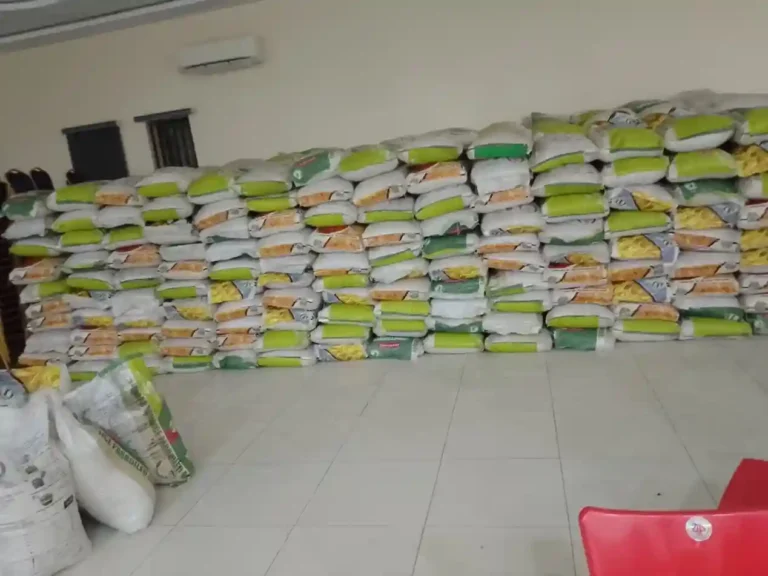
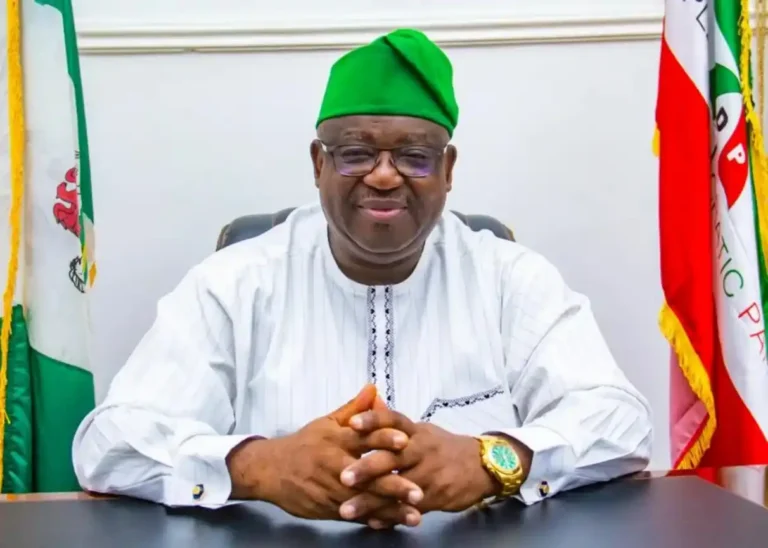
The Honourable Minister of Aviation and Aerospace Development, , SAN, has distributed over 4,000 bags of rice, cows, and other essential food items across as part of a Yuletide outreach programme.

According to a press statement issued by his Special Assistant on Media and Research, Emameh Gabriel, and made available to newsmen, the initiative was designed to share festive joy while advancing the Renewed Hope Agenda of .

The distribution covered Delta State’s three senatorial districts and targeted a broad range of beneficiaries. These included traditional institutions, religious bodies, party structures, local government areas, and organised groups such as youth and women’s associations, as well as labour unions.

The statement quoted Minister Keyamo as stressing the importance of solidarity during the festive season. “The joy of the season is best felt when shared. This outreach is a modest but heartfelt effort to stand with our people, to bring a measure of relief to families, and to celebrate together as a community,” he said.

He further explained that the exercise aligned with the welfare focus of President Tinubu’s Renewed Hope Agenda. “As a representative of the people, I see it as both a duty and a privilege to facilitate initiatives that directly touch lives,” Keyamo was quoted as stating.

The statement added that community leaders and beneficiaries across the state expressed appreciation for the gesture. Many described the outreach as timely, noting that it helped ease economic pressure on households during the festive period.

The distribution, which included food items and livestock, was aimed at complementing Yuletide celebrations and supporting families across Delta State.

Advertisement

Kano SUBEB Releases Shortlisted Candidates for Teachers Recruitment Exam

The Kano State Universal Basic Education Board (SUBEB) has released the list of shortlisted candidates who will sit for the teachers recruitment examination across the state.

The Commission informed applicants that those shortlisted are required to verify their names and private examination numbers by visiting their respective Local Government Education Authorities (LGEA). Candidates are expected to come along with important items on the examination day.

Each examiner must go with their password, which is provided at the bottom of the list. Candidates will also present their National ID Card as proof of citizenship and their assigned examination number, which appears on the released list.

SUBEB has congratulated all shortlisted applicants and wished them success, urging them to comply with all instructions to ensure a smooth examination process ahead.

To check Kano SUBEB shortlist, candidate should visit www.facebook.com/share/1BzbEgHT3j and look for their names in the document.

Plateau to create jobs through agriculture, tourism, mining in 2026

The Plateau State Government is set to create jobs in 2026 by prioritising agriculture, tourism, mining, and the creative economy, while sustaining support for small and medium-scale businesses and continuing ease of doing business reforms across the state.

Governor Caleb Manasseh Mutfwang made this known during his New Year broadcast, where he outlined economic diversification and job creation as major priorities for the year. He said the administration is taking deliberate steps to unlock opportunities in productive sectors that can generate sustainable livelihoods for the people.

According to him, the government’s approach will focus on expanding access to economic resources, encouraging entrepreneurship, and boosting local industries. He said, “Our government is fully committed to creating jobs through targeted investments in agriculture, tourism, mining, and the creative economy. These sectors hold immense potential to drive growth, attract investors, and improve incomes across Plateau State.”

Mutfwang explained that the administration will continue to improve the ease of doing business to attract investors and help local businesses thrive. He said the government’s reforms are designed to simplify processes for registration, licensing, and access to funding, allowing small and medium-scale businesses to grow and create employment.

He noted that Plateau has a growing number of young entrepreneurs who need support to expand their ideas into profitable ventures. “We are sustaining our support for small and medium-scale enterprises because they are the backbone of the economy. By making it easier to do business, we are giving our people the freedom to innovate and contribute to the prosperity of our state,” he stated.

In the agricultural sector, the governor reaffirmed that the government will continue to provide farm inputs, extension services, and improved access to markets for farmers across the three senatorial zones. He said the administration will build on previous achievements to increase production and empower rural communities.

He added that improved potato seedlings and other crop varieties recently introduced by the state government will be promoted further to boost yields, income, and export potential. “Agriculture remains a major comparative advantage for Plateau State. Through modern farming practices and improved inputs, we are helping our farmers increase productivity and competitiveness,” he said.

The governor said the government’s agricultural support programme is not limited to crop farming alone but also includes livestock and agro-processing initiatives aimed at creating value chains that will generate more jobs in the state.

Mutfwang identified tourism and mining as two other priority sectors capable of driving economic diversification. He said the government will partner with relevant stakeholders to revive tourist attractions, develop hospitality infrastructure, and ensure that mining activities are properly regulated for the benefit of host communities.

He also highlighted the growing potential of the creative economy, which includes arts, entertainment, and digital innovation, as a space where many young people can find opportunities. He said the administration will continue to provide support and platforms for creative talents to showcase their work and build sustainable careers.

The governor reaffirmed that all these efforts are part of a broader strategy to reduce unemployment and strengthen the state’s economic base. He said the focus for 2026 is to create an enabling environment where every citizen can work, innovate, and prosper, contributing to the shared growth and stability of Plateau State.

Plateau Govt to Sustain Scholarships, Foreign Education Partnerships

The Plateau State Government says it will continue scholarship programmes and partnerships with local and foreign institutions in 2026 as part of efforts to strengthen manpower development and expand educational opportunities for students across the state.

Governor Caleb Manasseh Mutfwang, speaking during his New Year broadcast, said the policy aligns with the administration’s commitment to education as the bedrock of the state’s future, stressing that sustained investment in human capital remains critical to long-term growth and competitiveness.

He said the government will continue supporting deserving Plateau students through scholarship opportunities that allow them to pursue higher education and specialised training both within Nigeria and abroad.

According to the governor, the decision to sustain foreign partnerships is aimed at exposing students to global standards and advanced learning environments. “We have strengthened partnerships with institutions at home and abroad to ensure that our youths acquire the knowledge and skills required to compete globally,” he said.

Mutfwang referenced the recent award of scholarships to Plateau students to study in India, describing it as part of a deliberate strategy to build global competence and expand the state’s pool of skilled professionals.

He explained that beneficiaries of the scholarship schemes are expected to return and contribute to development efforts in key sectors of the economy, including education, health, technology, and public service.

The governor added that partnerships with local tertiary institutions will also be sustained to improve research, innovation, and workforce readiness, noting that collaboration remains essential to aligning academic training with development priorities.

Mutfwang said the government is committed to ensuring that scholarship opportunities are accessible and transparent, adding that education remains central to building a skilled and competitive workforce for Plateau State.

He called on students, parents, and educational stakeholders to support the programmes, stressing that investments in education today will shape leadership, innovation, and productivity in the coming years across the state.

Plateau Govt to Expand Youth Skills Acquisition, Vocational Training

0

The Plateau State Government has announced plans to expand skills acquisition and vocational training programmes in 2026, with a renewed focus on youth empowerment and practical skills development across the state.

Governor Caleb Manasseh Mutfwang made this known in his New Year broadcast, where he emphasized that empowering the youth remains central to his administration’s plan for economic growth and social stability. He said the government’s target is to equip young people and women with the tools they need to become self-reliant and productive contributors to the economy.

According to him, the government will scale up training centres and expand access to skills programmes in key areas such as technology, crafts, agriculture, and entrepreneurship. He explained that the initiative is designed to bridge the gap between education and employment, providing opportunities for young people to develop practical skills that are relevant to current market demands.

“We are committed to empowering our youths through practical training and mentorship that can translate into real jobs and sustainable livelihoods,” Mutfwang said. “By expanding skills acquisition and vocational programmes, we are laying the foundation for a generation that will drive innovation, productivity, and self-employment across Plateau State.”

The governor also highlighted the importance of partnerships with both public and private organisations in delivering the programmes. He noted that collaboration with training institutions, local industries, and development agencies will help ensure that the beneficiaries receive quality instruction and post-training support.

Mutfwang said the government’s approach to youth empowerment will not stop at training but will also include business support initiatives, start-up grants, and linkages to small and medium-scale enterprise opportunities. He explained that this approach is aimed at enabling trained youths to start and grow their own businesses, especially in agriculture, manufacturing, and the digital economy.

He further noted that vocational education will remain a major component of the state’s human capital development strategy, as it provides a direct path to employment and entrepreneurship.

The governor urged young people to take advantage of the new opportunities that will be created under the 2026 programmes. He expressed confidence that with determination and government support, Plateau youths can build a strong and innovative workforce that contributes to the long-term growth of Plateau State.

Plateau Govt to Recruit More Teachers in 2026

The Plateau State Government says it will recruit and train more teachers in 2026 as part of plans to strengthen public education and improve learning outcomes across the state. The government also announced that digital learning will be scaled up in public schools to equip students with modern skills and prepare them for a technology-driven future.

Governor Caleb Mutfwang, in his New Year broadcast, described education as the foundation of Plateau State’s growth strategy, stressing that investing in teachers and technology is key to improving the quality of learning across all public schools.

According to him, the state government is determined to address the shortage of qualified teachers and will embark on fresh recruitment and training programmes to strengthen classroom teaching. “We are focused on building a strong education system by recruiting more teachers and improving their capacity through continuous training,” the governor said. “Our children deserve access to quality education delivered by motivated and well-trained professionals.”

Mutfwang explained that the new recruitment drive will target both primary and secondary school levels, while retraining sessions will be organised to help teachers adapt to modern teaching methods. He said the government’s goal is to raise teaching standards and ensure that pupils in every part of the state benefit from equal learning opportunities.

On digital learning, the governor said his administration will expand access to technology in schools to help students develop essential digital skills. “We are scaling up digital learning so that our students can compete in a fast-changing world,” he said. “Technology will be integrated into classroom activities to make learning more interactive, practical, and future-oriented.”

He added that the move towards digital learning is part of broader efforts to build human capital and prepare young people for jobs in science, innovation, and technology.

The governor noted that the government will also strengthen partnerships with institutions and private stakeholders to support these reforms. He called on parents, teachers, and education partners to cooperate with government efforts aimed at restoring the quality of public education and equipping Plateau youths with knowledge that can help them succeed in the modern economy.

SUPA Document Reveals FG Plan to Provide Starter Packs for Artisans

1

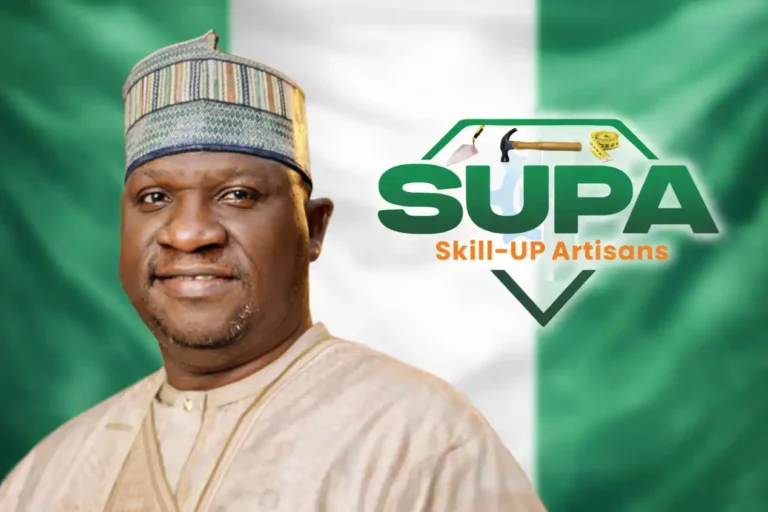
A document detailing the Skill-Up Artisans (SUPA) programme shows that the Federal Government plans to provide Nigerian artisans with starter packs, including essential tools, equipment, and access to financial resources to help them expand their businesses.

SUPA, also known as Skill-Up Artisans, is a national programme implemented by the Industrial Training Fund (ITF) to upskill, reskill, and professionalise artisans across Nigeria. The document explains that the programme is designed to move artisans beyond training by supporting their transition into productive economic activities.

According to the document, SUPA focuses on improving the skills and capabilities of artisans in trades such as carpentry, masonry, plumbing, electrical work, tailoring, and ICT-related services. It states that training under the programme includes “comprehensive training programmes, including health and safety, and skills enhancement” to meet industry standards.

Beyond training, the document highlights access as a key objective of the programme. It states that artisans will be supported through “enabling artisans to access essential tools, equipment, and financial resources to expand their businesses,” indicating that starter packs are central to SUPA’s structure.

The programme also places emphasis on certification and licensing, ensuring that trained artisans are certified to operate under recognised standards. This, according to the document, is aimed at improving professionalism and increasing trust in locally sourced skills.

SUPA is also structured to enhance employment opportunities for artisans, both within Nigeria and internationally. The document notes that certified artisans will be better positioned for job placement and engagement within the real economy.

The programme leverages technology to register artisans, assess their skills, and provide tailored training paths. Funding and resources are expected to support business growth after training, reinforcing ITF’s role in linking skills development with job creation.

SUPA targets both existing and aspiring artisans, including unemployed and underemployed Nigerians, as part of the Federal Government’s broader effort to address unemployment through skills development.

The document positions SUPA as a pathway from skills training to livelihoods.

Oshodi-Isolo LG Rolls Out Renewed Hope Mega Empowerment 2.0

The Executive Chairman of Oshodi-Isolo Local Government, Otunba Kehinde Oloyede-Almaroof, has rolled out another mega empowerment programme for hundreds of residents in continuation of his administration’s commitment to grassroots development.

The event, tagged Bola Ahmed Tinubu Renewed Hope Mega Empowerment 2.0, was held on Wednesday and is aimed at promoting economic self-reliance and improving the socio-economic wellbeing of residents across the local government. It comes less than a month after the first mega empowerment programme, which was carried out within the chairman’s first 100 days in office.

Speaking at the event, Otunba Oloyede-Almaroof described the initiative as “a deliberate effort to translate the Renewed Hope Agenda into tangible benefits at the grassroots.” He said his administration places strong emphasis on empowering residents with productive tools rather than providing short-term relief.

The chairman explained that the distributed items were carefully chosen to support artisans, traders, small business owners, youths, and women in building sustainable livelihoods. Among the distributed items were deep freezers, make-up kits, popcorn machines, vulcanising machines, cooking gas cylinders, generators, sewing machines, grinding machines, POS machines, food shelves, and customised stands.

Recalling the earlier phase of the programme, he said, “On December 12, our administration empowered 1,100 beneficiaries, distributing 100 units each of various empowerment items.” He added that the success and positive feedback from the first edition motivated the decision to launch a second phase. According to him, this expansion reaffirms his commitment to inclusive governance, poverty reduction, and grassroots economic development.

Otunba Oloyede-Almaroof also acknowledged the partnership of renowned social media influencer, Mrs Titilayo Orojimi, popularly known as Iya Ogba, whose collaboration contributed to the success and wider reach of the programme.

He assured residents that similar empowerment initiatives would continue under his administration, noting that the council remains focused on uplifting lives, supporting local businesses, and delivering purposeful governance.

In addition to the empowerment items, the council chairman shared 50kg, 25kg, 10kg, and 5kg bags of rice with residents, as well as goats, chickens, and guinea fowls. He said his team would be on the field the following morning to distribute 1,000 units of 5kg rice directly to residents to ensure a joyous New Year celebration.

The council boss also wished residents a prosperous New Year in advance.

Enugu Civil Service to Recruit New Workers in 2026

The Enugu State Government says it will recruit new workers into the public service in 2026, citing the growing scale of projects and the need to strengthen existing government structures.

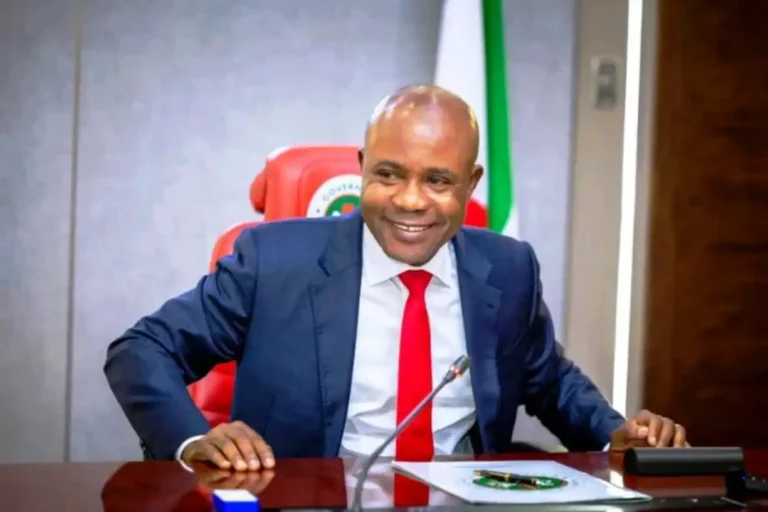
Governor Peter Mbah made this known during his 2026 New Year’s Day broadcast, where he said the administration would deepen reforms in the public sector to sustain the pace of work across all sectors. He explained that as the state continues to expand development programmes in education, healthcare, transportation, and agriculture, there is a clear need for more manpower and modern administrative systems.

According to him, “We will strengthen our public service. The scale of work ahead is too large for our current structures. We will recruit, reform, retrain, and insist on accountability.” The Governor said the decision to bring in new workers was part of a wider effort to ensure that Enugu’s ongoing projects are properly managed and that government institutions remain effective.

He added that the recruitment would not only fill gaps in capacity but also help rebuild a more efficient and transparent public workforce. The administration, he said, intends to attract skilled and motivated individuals who will drive the delivery of policies and services at every level.

Governor Mbah explained that the expansion of infrastructure, Smart Schools, Farm Estates, and healthcare centres has created a new level of responsibility that demands stronger public service capacity. He said the state must evolve beyond traditional methods of administration to meet the demands of its growing economy and population.

He also noted that the reforms would focus on retraining existing staff to improve their performance and align them with global best practices in governance and service delivery. Emphasising discipline and accountability, he said his government will ensure that every worker in the state system is held to higher standards of professionalism.

The Governor stressed that the coming year is not a victory lap but a continuation of the work that has begun. “This is the year where the work deepens, where the foundations we laid must be strengthened, where momentum must not only be sustained but accelerated,” he said, calling on all civil servants to embrace the new reforms with commitment and integrity.

Enugu Govt to Bring 260 Farm Estates to Full Operation in 2026

The Enugu State Government says all 260 Farm Estates across the state will reach full operational capacity in 2026, with farmers gaining access to mechanised tools, modern storage, and processing facilities to prevent post-harvest losses.

Governor Peter Mbah disclosed this during his 2026 New Year’s Day broadcast, where he highlighted agriculture as one of the state’s key economic drivers for the new year. He said the Farm Estates initiative would transform rural economies by supporting farmers with equipment, infrastructure, and market access that would guarantee productivity and food security.

According to the Governor, “Our farmers now stand at the doorstep of a new agricultural economy, with 260 Farm Estates that would reach full traction this year. No farmer should lose his harvest to rot again. We are building both farms and futures.” He described the programme as a comprehensive step towards reshaping the state’s agricultural value chain through mechanisation and efficient post-harvest management.

Governor Mbah explained that the 260 Farm Estates were spread across all wards of the state, designed to ensure that no community is left behind in the state’s agricultural transformation. Each estate, he said, will operate as a complete hub equipped with irrigation systems, machinery, processing zones, and storage facilities to minimize wastage and preserve food for longer periods.

He added that the government’s goal was to make agriculture both profitable and sustainable. By moving from subsistence to mechanised farming, farmers will be able to expand production, reduce manual labour, and increase output. “We are determined to create a system where every farmer has access to the tools and support they need to thrive,” the Governor said. “Mechanisation is not just about machines; it is about empowering our people to produce more and earn more.”

The Governor also noted that the storage and processing components of the Farm Estates would help eliminate the common issue of food spoilage that has affected farmers’ income over the years. With modern storage facilities and small processing plants located close to production areas, crops such as cassava, maize, rice, vegetables, and fruits will be processed into market-ready goods.

He stated that the initiative was not only about producing food but also about creating a new generation of agro-entrepreneurs. By investing in these estates, the state aims to attract young people back to farming through technology-driven and profitable models. “The farms we are building are not the farms of the past,” he said. “They are smart, connected, and designed to inspire the youth to see agriculture as a pathway to wealth creation and self-reliance.”

Governor Mbah explained that the estates would also support rural industrialisation by linking production to processing, packaging, and distribution. This integrated system, he said, will create thousands of jobs in farming, logistics, and agribusiness while ensuring that value from agriculture stays within the local communities.

He emphasized that food security was at the core of his administration’s economic vision. The Farm Estates, according to him, will play a major role in reducing dependence on imported food and stabilising prices across markets in the state. The Governor assured that the government would continue to provide enabling infrastructure, access to finance, and extension services to make the programme sustainable.

“We are building both farms and futures,” he repeated, stressing that the success of the programme depends on the active participation of farmers, cooperatives, and investors. He said his administration had already begun collaborating with local and foreign partners to bring in more equipment, establish seed multiplication centres, and expand agro-processing capacity.

The Governor reaffirmed that 2026 will be a defining year for agriculture in Enugu State. With the Farm Estates reaching full traction, mechanised tools in farmers’ hands, and post-harvest losses drastically reduced, he said the sector will become one of the biggest contributors to the state’s economy. He urged farmers to take advantage of the opportunities being created and assured them that the state’s support structures are in place to ensure long-term benefits for all participants in the agricultural value chain.