
Home Blog Page 212

President Tinubu backs increased women participation in governance

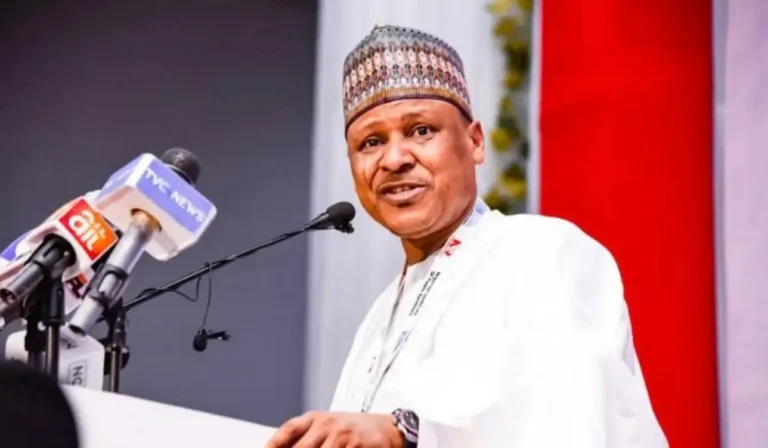
President Bola Ahmed Tinubu has expressed his strong support for the ongoing efforts to increase women’s participation in governance across Nigeria. The President made this known during the All Progressives Congress (APC) National Caucus meeting held on December 19, 2025, at the State House Banquet Hall in Abuja. The meeting was attended by key party leaders including Vice President Kashim Shettima, Senate President Godswill Akpabio, APC governors, and several ministers, among them the Minister of Women Affairs and Social Development, Hajiya Imaan Suleiman Ibrahim.

According to a statement signed by the Head, Press and Public Relations, Ahmed Lawan Danbazau, the caucus meeting was aimed at aligning the party’s strategies and policies ahead of the upcoming National Executive Committee (NEC) meeting.

President Tinubu commended the National Assembly for its initiative on constitutional amendments designed to create more opportunities for women in leadership. “We are in support of that,” the President said, reaffirming his administration’s commitment to gender inclusion.

He also praised the Niger State government for setting an example through the emergence of many women in key leadership positions. The President urged other states to follow Niger State’s lead and ensure that women are given more opportunities in decision-making roles.

Speaking on governance at the community level, President Tinubu called on governors to focus on grassroots development. He emphasized the need for government programs and policies to reach people at the local levels to achieve meaningful impact.

In a related statement, the Minister of Women Affairs and Social Development, Hajiya Imaan Suleiman Ibrahim, expressed appreciation to the President for his consistent support toward gender equality. “Your Excellency, President Bola Ahmed Tinubu, GCFR, we extend our deepest gratitude for your unwavering commitment as a HeForShe champion. Your leadership of the APC-led Government is more than just words; it is a daily demonstration of putting women at the forefront of national progress. Thank you for lending your voice and your power to the cause of gender equality,” she said.
Advertisement

FG spends N150bn on 788,000 students under NELFUND in 2025

0

The Federal Government has spent over N150 billion to support 788,000 students under the Nigeria Education Loan Fund (NELFUND) initiative.

The Minister of Information and National Orientation, Alhaji Mohammed Idris, made this known during an end-of-year news conference on Monday in Abuja.

Idris said President Bola Tinubu’s administration had achieved notable progress across various sectors, especially education. He described 2025 as a “bumper year for targeted and catalytic policymaking and implementation, particularly for young Nigerians.”

According to the minister, “NELFUND has now supported over 788,000 Nigerian students with interest-free loans and stipends amounting to over N150 billion, and still counting.”

He further explained that the Federal Government’s Investment in Digital and Creative Enterprises (iDICE) programme also commenced during the year. The programme, he said, is built around “an investment in a new multi-million-dollar venture fund that will support the creative and digital entrepreneurship aspirations of young Nigerians.”

The minister announced that the Student Venture Capital Grant (S-VCG) was launched in 2025. He stated that the S-VCG provides equity-free financing of up to N50 million for undergraduate innovators in Science, Technology, Engineering, Mathematics, and Medicine (STEMM) disciplines across accredited tertiary institutions.

“With this new intervention, the country is nurturing the seeds of entrepreneurship on its campuses and turning the brightest minds into job creators, not just job seekers,” Idris added.

He also highlighted the progress of the Three Million Technical Talent (3MTT) programme, which aims to build Africa’s largest digital workforce.

NELFUND was created to manage the Nigeria Student Loan Scheme, which President Bola Tinubu signed into law in April 2024. The initiative offers interest-free loans to students in public tertiary institutions to cover tuition and living expenses.

The scheme began accepting applications in May 2024 and was designed to remove financial barriers to education, particularly for students from low-income families. Beneficiaries are expected to repay the loans two years after completing their studies and gaining employment, with NELFUND partnering with the National Youth Service Corps (NYSC) for loan recovery after the service year.

FG approves mandatory drug test for CDCFIB applicants, others

0

The Federal Government of Nigeria has approved the introduction of mandatory pre-employment drug testing for all applicants seeking to join the Public Service, including security and paramilitary agencies such as the Civil Defence, Correctional, Fire and Immigration Board (CDCFIB) and the Nigeria Customs Service.

A statement issued on Monday by the Director of Information and Public Relations, Office of the Secretary to the Government of the Federation, Segun Imohiosen, explained that the policy aims to curb the growing problem of illicit drug use and its negative impact on national development and security.

According to the statement, Permanent Secretaries and Heads of Extra-Ministerial Departments and Parastatals have been directed to make drug testing a compulsory requirement during recruitment processes for new employees.

The statement partly read, “The Federal Government has approved the introduction of mandatory pre-employment drug testing as a requirement for prospective applicants into the Public Service, as part of ongoing efforts to curb the rising menace of illicit drug use and its attendant consequences on national development and security. Consequently, Permanent Secretaries and Heads of Extra-Ministerial Departments/Parastatals are hereby directed to include mandatory drug testing as a core requirement in the recruitment of new personnel.”

Imohiosen further said that Ministries, Departments, and Agencies have been instructed to collaborate with the National Drug Law Enforcement Agency (NDLEA) to conduct the tests in accordance with established standards and procedures.

He noted that the directive, which was contained in a service-wide circular from the Office of the Secretary to the Government of the Federation, aligns with the government’s commitment to addressing drug and substance abuse while protecting the integrity of the national workforce.

“The directive on the introduction of mandatory pre-employment drug testing for prospective applicants is premised on the concern raised by the Federal Government over the alarming rate of drug and substance abuse, especially among the teeming youth in the country, with far-reaching implications for public health, socio-economic development, workplace productivity, and national security,” the statement added.

Katsina commissions Local Govt digital learning centre for youth skills

0

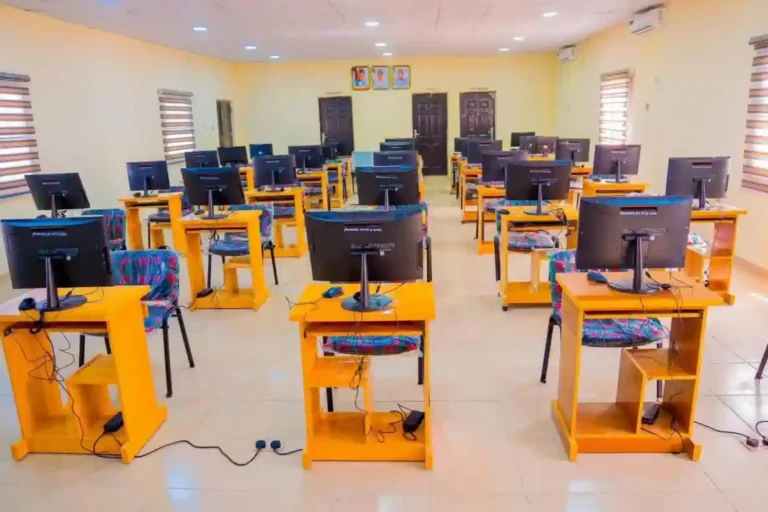
Katsina State Governor, Malam Dikko Umaru Radda, has commissioned the Katsina Local Government Digital Learning Centre, describing the facility as a strategic investment in youth empowerment and a major milestone in the state’s drive toward digital literacy and inclusive technological development. The commissioning ceremony was held at the Muhammad Dodo Primary School Layout in Katsina, where the governor said the centre represents a practical response to the growing demand for digital skills among young people across the state.

Speaking at the event, Governor Radda explained that the centre was constructed and fully equipped by Katsina Local Government, noting that the project reflects the importance of grassroots-driven development. According to him, empowering local governments to identify and execute projects that meet community needs is essential for sustainable development. He said the initiative shows how local authorities can contribute meaningfully to preparing youths for the realities of a rapidly evolving digital world.

The governor commended the Chairman of Katsina Local Government, Hon. Isah Miqdad, for initiating and completing what he described as a forward-looking project capable of delivering long-term benefits to youths and the wider society. “The importance of this Digital Learning Centre cannot be over-emphasised. It is timely, strategic and fully aligned with the direction the world is moving,” Governor Radda said during his address.

Governor Radda explained that the facility is fitted with modern ICT infrastructure designed to provide hands-on training in computer usage, ICT operations and general digital literacy. He said the skills to be acquired at the centre would help beneficiaries prepare for education, employment and productive participation in today’s technology-driven economy. “Digital skills are no longer optional. The world has fully embraced technology, and our youths must be prepared to compete, innovate and succeed,” he stated.

He further noted that Katsina State has recorded measurable progress in digital literacy and ICT development in recent years. The governor acknowledged the role of the State ICT Directorate in driving the government’s digital agenda and reaffirmed his administration’s commitment to positioning Katsina as a digital-friendly and innovation-driven state. He added that the location of the centre within Katsina metropolis is strategic and accessible to many youths.

According to Governor Radda, the proximity of the centre would enable more young people to benefit, especially as major examinations such as JAMB and WAEC have transitioned to computer-based testing. “To compete favourably with other states, digital preparedness is key. We must not only catch up; we must lead,” he said, projecting that thousands of youths would benefit from the centre over time.

Earlier in his remarks, the Executive Chairman of Katsina Local Government, Hon. Isah Miqdad, attributed the establishment of the Digital Learning Centre to Governor Radda’s reform-driven leadership. He said the grant of full financial autonomy to the 34 Local Government Councils in the state marked a turning point in local governance and development planning. “When financial autonomy was granted, it challenged us to think beyond routine administration and focus on projects that would leave lasting legacies,” Miqdad said.

Miqdad explained that the centre represents the council’s commitment to legacy-focused development, adding that the project was completed within five weeks despite limited resources. He said the facility is designed to promote digital literacy, creativity and employable skills among youths in the area. “We are already working to secure national ICT examination and JAMB CBT accreditation for this centre, which will ease the burden on students, expand access to higher education and restore dignity to local learning,” he added.

Representing the Director-General of the National Information Technology Development Agency, the Head of Partnership Division, Mr. Bashir Ibrahim, described the centre as a strategic investment in human capital that aligns with NITDA’s Digital Literacy for All programme. “This centre goes beyond infrastructure; it is about inclusion, opportunity and equipping young people with relevant digital skills for the modern economy,” Ibrahim said.

He added that the facility would strengthen digital capacity at the grassroots and support blended learning, while urging proper utilisation, maintenance and sustainability to ensure long-term impact. Those in attendance at the event included the Chief of Staff to the Governor, Alhaji Abdulkadir Mamman Nasir; Hon. Aliyu Albaba; the Commissioner for Local Government and Chieftaincy Affairs, Hon. Bashir Tanimu; the Director-General of Katsina State Directorate of ICT, Naufal Ahmed; and the Executive Secretary of the Katsina State Development Management Partners Board, Dr. Mustapha Shehu, among others.

Edo 2026 budget allocates ₦116.46bn for job creation

0

The Edo State Government has allocated ₦116.46 billion for job creation and employment-related programmes in the 2026 Appropriation Bill presented to the State House of Assembly by Governor Monday Okpebholo. The bill, according to the government, is designed to accelerate infrastructure renewal, expand employment opportunities, and strengthen social services across the state.

The Commissioner for Finance, Engr. Emmanuel Okoebor, who briefed journalists on the details of the bill, said the 2026 budget aligns with Governor Okpebholo’s SHINE Agenda, which focuses on Security, Healthcare, Infrastructure, Natural Resources and Agriculture, and Education.

Okoebor explained that “the 2026 budget represents a strategic shift from routine fiscal planning to impact-driven public finance, positioning the budget as a tool for structural correction and inclusive growth.” He noted that the administration deliberately prioritised sectors capable of unlocking productivity, reducing inequality, and integrating underserved communities into the state’s economic framework.

According to him, infrastructure dominates the budget with ₦420.62 billion allocated to the sector. Out of this, over ₦305 billion is earmarked for road construction and rehabilitation. “Governor Okpebholo firmly believes that improved road networks will ease the movement of goods and people, reduce transaction costs, and improve access to healthcare, education, and markets, particularly in rural areas,” Okoebor stated.

He also highlighted that agriculture received ₦68 billion in targeted funding, reflecting the government’s focus on food security, job creation, and rural stability. He added that the provision supports livestock development through a dedicated ministry, offering a structured and preventive response to farmer–herder conflicts while strengthening agricultural value chains.

On the social sector, the Commissioner said the budget provides for education and healthcare through the recruitment of teachers and health workers, as well as continued investment in schools and healthcare facilities. These measures, he noted, are intended to address manpower shortages and improve service delivery across urban and rural communities.

Okoebor emphasized that job creation remains a major feature of the 2026 budget, with ₦116.46 billion specifically set aside for employment-related programmes. The allocation, he said, is expected to generate new jobs through infrastructure development, agricultural expansion, and government-backed initiatives.

The budget also provides ₦8.9 billion for social welfare programmes targeting women, youths, children, and other vulnerable groups, aimed at promoting inclusive growth and shared prosperity.

Okoebor added that the administration has strengthened governance and accountability mechanisms through improved procurement systems, regular publication of budget reports, and the activation of a Project Monitoring Unit. He concluded that Governor Okpebholo’s decision to label the 2026 Appropriation Bill as a “Budget of Hope and Growth” reflects his confidence that it will deliver completed roads, new jobs, improved schools, and better healthcare services across Edo State.

UNDP, YAI unveil 31 innovators in A’ Ibom tourism and creative sectors

The United Nations Development Programme (UNDP), in partnership with the Young Africa Innovates (YAI) Programme, has unveiled 31 youth innovators in Akwa Ibom State across key sectors such as tourism, creative enterprise, local culture, and small businesses. The programme, funded by UNDP and the Mastercard Foundation, also receives technical support from NerdzFactory Company.

The initiative forms part of a broader effort covering seven states, including Lagos, Ekiti, Kwara, Kaduna, Anambra, Akwa Ibom, and Borno, aimed at promoting innovation-driven development through youth empowerment.

The Akwa Ibom State Innovators Showcase, held over the weekend in Uyo, had the theme “Youth Innovation as Driver of State Development.” The event highlighted how young people are using creative ideas to promote the state’s growth while aligning with the ARISE Agenda of Governor Umo Eno’s administration.

Speaking during the event, the Project Manager of the YAI Programme, Ifeyonwa Egwaoje, explained that the focus for Akwa Ibom was on tourism and creative enterprise. She said the programme celebrates young people who have created impactful solutions to societal challenges while generating employment opportunities.

“In Akwa Ibom, the YAI Programme focused on tourism and creative enterprise, bringing together 31 young innovators developing solutions that promote sustainable tourism, local culture, and small business growth,” she said.

Egwaoje added that Akwa Ibom has a rich cultural heritage marked by diverse traditions, languages, and artistic expressions. She noted that this diversity is showcased through annual festivals, culinary experiences, and the state’s renowned hospitality.

“The programme is aimed at leveraging Akwa Ibom’s coastal and cultural heritage to promote tourism innovations that can stimulate job creation, enhance service delivery, and showcase the region as a competitive destination,” she said.

Speaking further about the initiative, Egwaoje described the YAI Programme as a platform for youth-led solutions. “Innovation isn’t just about technology. It’s about solving real problems that affect real people,” she said.

“The state showcase is a celebration of young people doing exactly that: building climate solutions, inclusive fintech tools, waste-to-wealth platforms, agro-logistics systems, and more.”

She explained that the Young Africa Innovates Programme (2023-2025) is a partnership between UNDP and the Mastercard Foundation, designed to catalyse youth-led innovations that drive socioeconomic development.

Egwaoje stated that YAI identifies, incubates, and scales innovations from young people across different sectors by providing training, mentorship, and resources needed to transform their ideas into practical solutions.

One of the innovators, Beatrice Ekemini Joshua, said she specialises in manufacturing and selling historical costumes and handmade accessories. “I am establishing a cultural art hub through the manufacturing and selling of historical costumes and handmade accessories, creating empowerment, cultural preservation, and global recognition,” she said.

US, Nigeria sign $5.1bn healthcare MoU supporting 900 Christian clinics

The United States government has announced the signing of a $5.1 billion five-year bilateral healthcare memorandum of understanding (MoU) with Nigeria.

In a statement released on Sunday, the U.S. Embassy in Nigeria explained that the agreement is part of efforts to advance the ‘America First Global Health Strategy’. A major feature of the MoU is the commitment of $200 million to support 900 Christian healthcare centres across the country.

According to the Embassy, Christian health facilities play a vital role in Nigeria’s healthcare sector, particularly in underserved and hard-to-reach communities. The Embassy emphasized that these facilities have remained key in delivering healthcare services to millions of Nigerians.

“The United States signed a five-year, $5.1 billion bilateral health cooperation memorandum of understanding with the Federal Republic of Nigeria to advance the America First Global Health Strategy,” the statement read.

It added, “The MoU includes approximately $200 million in dedicated support to more than 900 Christian faith-based healthcare facilities, expanding access to integrated HIV, TB, malaria, and maternal and child health services. Christian faith-based clinics represent about 10 per cent of providers in Nigeria but serve more than 30 per cent of Nigeria’s 230 million people, often in underserved areas.”

The Embassy noted that the new agreement would provide lasting benefits for both countries. It also highlighted that the initiative comes at a time when Nigeria is facing serious public health challenges, especially among women and children.

“With Nigeria facing one of the highest maternal and child mortality rates globally and accounting for 30 per cent of the global malaria burden, this U.S. assistance protects Nigerian and American lives while strengthening our bilateral partnership,” the statement continued.

The Embassy further disclosed that under the MoU, the United States intends to provide $2.1 billion in support, while Nigeria will invest $3 billion in new domestic health spending over the next five years. “This represents the largest co-investment by any country to date under the Strategy. This five-year MoU will strengthen Nigeria’s healthcare system, save lives, and make America safer, stronger, and more prosperous,” it added.

The statement also clarified that the agreement remains subject to broader U.S. foreign policy considerations. “With all foreign assistance, the president and secretary of state retain the right to pause or terminate any programmes that do not align with the national interest,” it said.

The cooperation is the largest co-investment ever made under the ‘America First Global Health Strategy’ and follows the recent termination of the United States Agency for International Development’s global aid programme by the Trump administration.

Foundation Supports 700 Families With Food, ₦10,000 Cash in Kwara

0

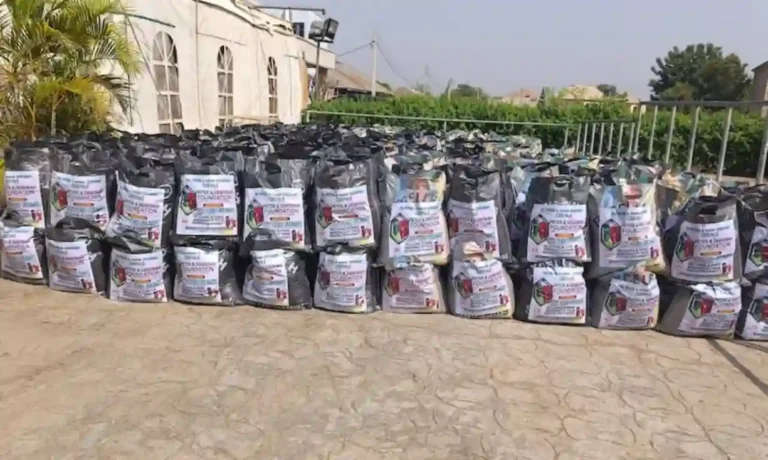
No fewer than 700 vulnerable families across Kwara State have benefitted from food items and cash support from the Peter and Deborah Foundation as part of efforts to cushion the effects of the current economic hardship in the country. Each beneficiary received relief materials, including a cash donation of ₦10,000.

The intervention, which took place on Sunday, was part of the foundation’s annual humanitarian outreach aimed at supporting indigent households during the yuletide season.

Speaking at the event, the Chairman of the foundation, Mr Ademola Gbenle, urged governments at all levels to work with credible non-governmental organisations to better address the needs of vulnerable citizens.

Gbenle, who was represented by one of his coordinators, Prince Akin Arowolo, expressed concern over the growing hardship faced by many Nigerians. He stressed that partnerships with grassroots organisations would enable government interventions to reach more people effectively.

“If governments collaborate with credible grassroots organisations like ours to ameliorate the suffering of the people, more will be done,” he said.

He explained that the outreach was designed to give back to society and provide some relief to struggling families during the festive period.

According to him, the annual food distribution programme, now in its tenth year, has continued to grow in scope and impact. This year, 700 beneficiaries were selected from different parts of Kwara State.

“Out of the 700 beneficiaries, 250 were selected from my hometown, Ahun, in Ifelodun Local Government Area of Kwara State, while others were drawn from different backgrounds and communities, cutting across religious lines,” he added.

Gbenle highlighted the important role of civil society organisations, noting that they often have closer ties with communities and a better understanding of their needs. He emphasised that stronger collaboration between government and NGOs could make social intervention efforts more effective.

An aunt to the founder, Mrs Aishat Ibraheem, described Gbenle as someone deeply committed to helping others, attributing his generosity to values instilled by his parents.

“He experienced hardship while growing up and understands the importance of supporting others. This gesture, which he has sustained for 10 years, is in memory of his parents and reflects the values they taught him,” she said.

A community leader in Ahun, Mr James Olaniyu Dada, commended the foundation for its continued support, describing it as a major source of relief to residents.

“Imagine someone feeding 700 families and also giving them money at this time. Such a gesture should be encouraged,” he said.

One of the beneficiaries, Mr Abdulsalam Taiwo Oladosu, thanked the foundation and urged other wealthy individuals to emulate the initiative.

“If more well-to-do individuals remember and support the less privileged, the suffering in the land will be greatly reduced,” he said.

Items distributed included bags of rice, beans, semovita, groundnut oil, and ₦10,000 cash for each beneficiary.

ITF partners automotive company to train over 3000 artisans with global skills

1

The Industrial Training Fund (ITF) has partnered with Lanre Shittu Motors, a leading local automotive company, to equip over 3,000 Nigerian artisans with globally competitive technical skills. The initiative is aimed at enhancing workforce competence, improving employability, and raising industry standards. It also aligns with government policies that promote collaboration between the public and private sectors to create jobs and build local capacity.

The Director General of the ITF, Dr. Afiz Oluwatoyin Ogun, said the partnership has already completed its first training phase, which focused on project management, ethics, and global safety practices. According to him, the collaboration represents a practical step towards equipping Nigerians with the technical know-how needed to meet international standards.

“We should scale up Nigerian artisans to international standards. You can see everything we have seen here is international standards. I was saying it just now that the executive bus I saw there is even more beautiful, aesthetically better, and structurally better than what I saw last week in China. That gladdens my heart. That means we are working. That means Nigeria is moving,” he said.

Dr. Ogun also expressed satisfaction with the active involvement of young people in the programme. “And look at the workers there. Look at the youths there in the training. You see them 19, 20, from all the nooks and crannies of Nigeria. This gladdens my heart and makes me very happy,” he said.

He further explained that the goal of the ITF is to expand training access and empower more Nigerians through practical skill development. “So our purpose is to make more Nigerian twins, bring more trainees to them. That’s why we are here, so that they train them, so that they can be fully employed, having their own business. And those that want to travel can even travel and get better good jobs also from there, and transferring more technology home and bringing the dollars home too,” he added.

Lanre Shittu Motors, a key partner in the initiative, disclosed that more than 3,000 ITF trainees have already completed training at its facilities. The company has expanded its training classrooms in Abuja from a capacity of 50 to 250, with similar upgrades ongoing in Lagos and planned for other parts of the country. Both organisations emphasized that the new empowerment model goes beyond giving starter packs to participants. It focuses on securing job placements, exporting skilled talent for international exposure, and building business incubation platforms that help trainees become globally competitive.

The Group Managing Director of Lanre Shittu Motors, Taiwo Shittu, commended the collaboration and praised government support for the automotive industry. “What is in it for me is to first thank the government of President Bola Ahmed Tinubu for introducing the Nigerian Automotive Policy. And that says that everybody should go back and patronize Made in Nigeria everything,” he said.

He also noted ITF’s commitment to closing the technical skills gap in Nigeria. “I see a new ITF because they’ve sent over 3,000 students to us to train and they are sending more. And they are not just sending them, we train them and they empower them. And that gives us, when it comes to Nigeria, what is missing is the technical know-how,” he said.

Shittu added that the initiative is helping address youth unemployment by focusing on practical technical skills. “So if you have a philanthropist like this ITF under the leadership of President Bola Ahmed Tinubu passing this knowledge and making sure Nigerians are empowered because we have a lot of graduates in Nigeria right now without jobs. But there’s that technical shortage in Nigeria that they are trying to fill in. And with this, the sky is the limit for young Nigerians.”

With upgraded facilities, modern training programmes, and a focus on international standards, the ITF said the partnership will play a vital role in preparing Nigerian youth for better opportunities in the country’s growing automotive sector.

University of Agriculture, Science and Technology (UAST) Ihugh Recruitment

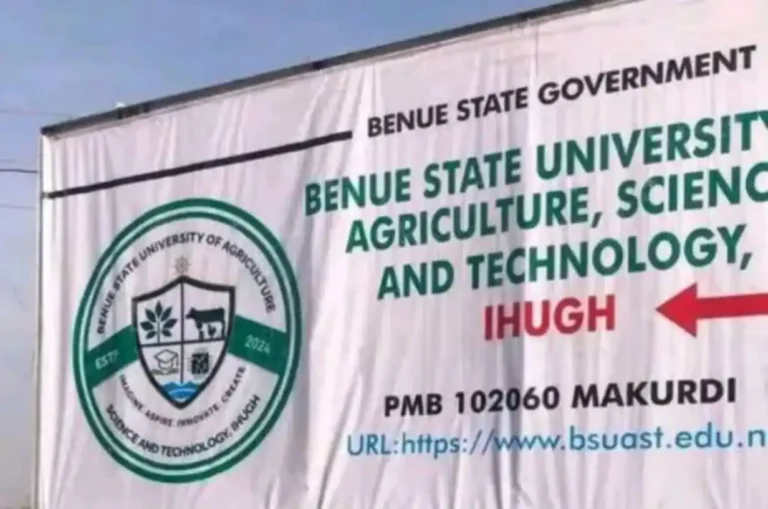
Benue State University of Agriculture, Science and Technology (BSUAST), Ihugh, has opened applications for the 2025 academic, research, administrative, technical and professional staff recruitment. The institution invites applications from qualified individuals to join its workforce as it expands teaching and research.

Vacancies are available across academic and research cadres, administrative and management services, technical, technological and ICT services, as well as professional and specialist support services.

BSUAST is seeking individuals committed to nation-building through education, research and service, while embracing innovation and digital tools.

Ideal candidates should be passionate about research, mentorship and knowledge transfer, value professionalism, ethics and institutional loyalty, and share UAST’s vision of building an Africa-for-Africa university. Suitably qualified and interested candidates are encouraged to apply for vacant academic, research, administrative, technical and professional positions.

Specific qualification requirements, experience thresholds and rank placements apply in line with the approved UAST Recruitment and Staffing Framework, available on the university’s official website and careers portal.

Applicants are required to complete all mandatory fields and upload scanned copies of required documents as a single PDF file. These include academic credentials and certificates from primary level to highest qualification, NYSC discharge or exemption certificate, birth certificate or declaration of age, evidence of professional registration where applicable, academic publications for academic roles, certificate of state and local government of origin, and other relevant supporting documents.

Shortlisted candidates will be contacted through notifications issued via the UAST Careers Portal. Application opens on Monday, 22 December 2025, and closes on Sunday, 1 February 2026.

To apply, interested and eligible candidates should visit the official UAST careers portal careers.bsuast.edu.ng.