Home Blog Page 239

NJFP Applicants Report Widespread CBT Technical Issues

0

The Nigeria Jubilee Fellows Programme has confirmed that some applicants faced technical issues while trying to take the NJFP 2.0 Computer-Based Test. In a message posted at 5:10 PM on December 10, the programme said it is already reviewing credible cases and will reschedule tests for affected applicants. Applicants were advised to check their email, including Junk and Spam folders, for rescheduling invitations and to follow official NJFP social media pages for new updates.

The team also encouraged candidates to join the Step-by-Step CBT Orientation Sessions which are held regularly to guide them through the test. For issues related to the test, applicants were directed to send an email to help@njfp.ng.

Reactions from applicants across social media show growing frustration. One user, Jonathan Kiri, wrote that the team should “also inform those that their cases is not valid.” Another applicant, mubie, said, “I did the test, and everything worked fine. Why is the main exam giving me issues, it’s so unfortunate.”

Some users blamed the recommended Safe Exam Browser app, with Dèén Núrúddeen explaining that despite preparing for days, “the recommended SEB app gave us headache before being downloaded and afterward.”

Others reported system-generated errors. Jaafarrh said he was unable to take both the mock and main test because the system “kept saying failed to generate login token.” Complaints also came from users who said their rescheduled exams still did not work, while Xavi expressed frustration, saying the situation is “becoming a joke.”

Many urged NJFP to fix the technical problems or provide alternate options as several candidates noted that their devices and networks were functioning properly.

Advertisement

CDCFIB tells candidates be patient for physical screening, document verification

The Civil Defence, Correctional, Fire and Immigration Services Board CDCFIB has appealed to candidates to remain patient as it completes the arrangements for the next stage of its recruitment exercise, which will involve physical screening and document verification. The Board said the public should ignore a message circulating online that claims the next stage have already been confirmed.

The false message stated, “The Civil Defence, Correctional, Fire and Immigration Services Board CDCFIB wishes to inform the general public that plans are ongoing towards moving to the next stage of its recruitment exercise i.e physical screening/document verification.” It further claimed that applicants who performed well had been shortlisted on merit and advised to log into the official portal from Monday 15th to Friday 19th December 2025 to choose a screening venue and date.

The message also added that “The screening exercise will hold from Monday 22nd to Friday 26th December 2025 across the 36 States and the FCT.”

It went on to congratulate supposed successful candidates and said the process followed the Federal Character principle and the needs of each Service.

CDCFIB has debunked all the claims, stressing that candidates should wait for the official physical screening and document verification announcement before taking any action.

FG Launches NIPOF to Boost Polytechnic Innovation and TVET

0

The Minister of State for Education, Prof. Suwaiba Ahmad, has unveiled the Nigeria Polytechnic Foundation (NIPOF), a new initiative designed to strengthen technical and vocational education and drive innovation across polytechnics in the country. The foundation was launched on Wednesday at an event organised by the National Board for Technical Education (NBTE) in Abuja, where stakeholders highlighted the urgent need to reposition polytechnics for national development.

Speaking at the unveiling, Ahmad said NIPOF would help transform polytechnics into engines of creativity, centres of technical expertise, and strong hubs for applied research. She noted that the launch came at a time when national conversations were shifting toward skills development, youth employability and preparing the workforce for future opportunities.

According to her, the Ministry of Education is committed to expanding the capacity of the nation’s technical and vocational education, especially as polytechnics play a central role in producing skilled manpower for sectors such as manufacturing, engineering, renewable energy, digital technology, agriculture and transportation.

Ahmad said, “Today’s event is not merely the birth of a new institution. It is the beginning of a movement, to reposition our polytechnics as engines of creativity, hubs of technical expertise, and centres of applied research that directly respond to the needs of industry and society. The launch of NIPOF comes at a pivotal moment in our national conversation on skills development, youth employability, and the future of work.”

She explained that the foundation was structured to support programme development, improve infrastructure, promote entrepreneurship, reward excellence and enhance the quality of teaching and learning across polytechnic institutions. She added that the global focus on STEMM, TVET and applied research placed Nigeria in a position where investment in technical education had become necessary for global competitiveness.

Ahmad listed areas where NIPOF could make major impact, including strengthening industry-oriented training, expanding internships, improving private sector linkages, supporting lecturer capacity-building, funding research and prototypes with commercial promise, and encouraging more women to pursue technical careers while boosting entrepreneurship among students and graduates.

She also stressed the need to improve the perception of technical and vocational education, saying TVET should be seen as a strategic pathway to national development rather than a second option. She promised the ministry’s support to ensure NIPOF grows into a catalyst for excellence, innovation and inclusion across the country’s polytechnics.

The Permanent Secretary of the Federal Ministry of Industry, Trade and Investment (FMITI), Nura Rimi, also spoke at the event and congratulated NBTE and the NIPOF Council for what he described as a visionary and timely initiative. Rimi said the foundation’s establishment aligned with the Federal Government’s aim of building a highly skilled workforce and deepening collaboration between polytechnics and industry players.

Meanwhile, the Executive Secretary of NBTE, Prof. Idris Bugaje, highlighted the urgent need to strengthen Nigeria’s technical education system. He noted that Nigeria’s industrialisation would remain slow unless polytechnics were properly equipped and adequately funded. Bugaje explained that the idea for NIPOF began in 2021 when a U.S.-based Nigerian suggested mobilising modern training equipment from American institutions where such equipment had become outdated. According to him, NBTE made arrangements to ship the equipment, but the donating institution later declined because it could not donate to a Nigerian government agency.

“That was when we were advised to create a non-governmental platform. So, we thought: why not a Nigerian Polytechnic Foundation? It will serve as the platform to seek equipment, training and other forms of support for our polytechnics,” he said.

Bugaje added that the minister’s involvement expanded the foundation’s scope, making it clear that Nigerian industries must become active partners if polytechnics are to produce graduates ready for modern manufacturing needs. He urged the board of trustees to immediately begin engaging major industrial stakeholders for collaboration.

CBN launches revamped ACGSF to expand smallholder farmer credit

The Central Bank of Nigeria has introduced a major overhaul of the Agricultural Credit Guarantee Scheme Fund, setting a new strategic direction to widen credit access for smallholder farmers and strengthen national food security. Speaking in Abuja at the inauguration of the reconstituted ACGSF Board, CBN Governor, Olayemi Cardoso, described the initiative as “a new dawn” for agricultural financing and said it aligns with the Federal Government’s plan to position agriculture as a key driver of inclusive growth, rural development and economic diversification.

Cardoso explained that the ACGSF, which was established in 1977, remains one of Nigeria’s most impactful development finance tools. However, he noted that despite agriculture employing nearly two-thirds of the country’s labour force and contributing over 20 per cent to GDP, the sector still receives less than five per cent of total bank credit. He said this long-standing gap has limited the growth and potential of millions of farmers across the country.

He pointed out that the agricultural sector has changed significantly, moving from subsistence activity to one shaped by integrated value chains, technology, climate risks and an expanding agritech ecosystem. According to him, the Scheme must now evolve into a dynamic and data-driven system that can support the realities of modern agriculture.

Cardoso highlighted the 2019 amendment that increased the Scheme’s share capital from N3 billion to N50 billion and widened its operational scope. He added that one major improvement is the inclusion of farmers’ representatives on the newly constituted Board, which he described as an “inclusive and strategic” step to ensure policies reflect real sector needs.

He stressed that the core aim of the revamp is to unlock affordable credit for smallholders who contribute 90 per cent of Nigeria’s agricultural output but face difficulties due to low collateral, weak credit history and limited access to formal financial services.

Cardoso urged the Board, chaired by Olusegun Oshin, to develop products that serve women, youth and other underserved groups, while working with fintechs, microfinance banks and cooperatives to introduce innovative lending models. He also encouraged the adoption of technology such as satellite imagery and digital dashboards to monitor loan usage and measure impact.

Oshin welcomed the reforms and called for further expansion of the Fund to support the level of investment needed for significant transformation in the sector.

FG Launches Programme to Cut Power Sector Debt, Stabilise Market

0

The federal government has introduced the Presidential Power Sector Debt Reduction Programme, a new intervention designed to improve liquidity in Nigeria’s electricity market and boost investor confidence. The announcement was made by the Special Adviser to President Bola Tinubu on Energy, Olu Verheijen, who shared the update through a post on her X handle. She explained that the programme is the result of months of close collaboration among major institutions working in the power sector.

According to Verheijen, the Federal Ministry of Finance, the Federal Ministry of Power, the Nigerian Bulk Electricity Trading, the Nigerian Electricity Regulatory Commission, and power generation companies jointly reviewed outstanding claims and agreed on debt-settlement frameworks aimed at stabilising the market. She said the effort was targeted at creating a more reliable structure for financial recovery in the sector.

The programme was presented during a virtual investor forum hosted by the Ministries of Finance and Power in partnership with the Office of the Special Adviser on Energy. The meeting included remarks from the Minister of Finance and Coordinating Minister of the Economy, Olawale Edun; the Minister of Power, Chief Adebayo Adelabu; and Verheijen.

MTN, Huawei Deploy RuralCow to Expand Rural Mobile Coverage

0

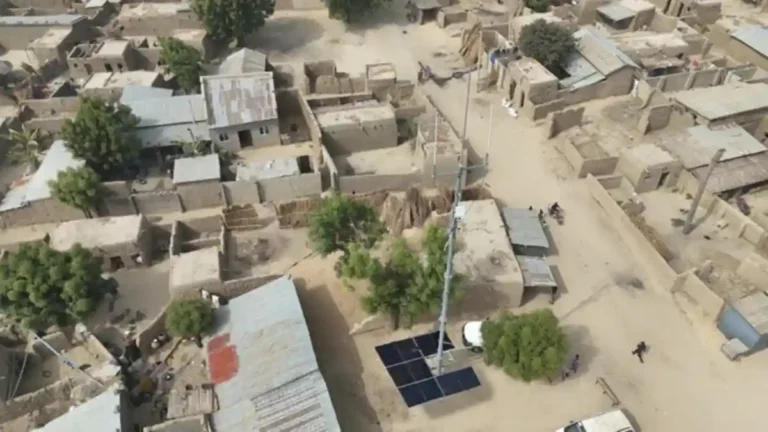
MTN Nigeria and Huawei have announced the commercial deployment of the RuralCow solution, an all-in-one mobile base station designed to bring reliable mobile coverage to remote rural communities. The two companies said the rollout marks a major step in closing connectivity gaps and improving digital access for millions of Nigerians who currently lack stable mobile network services.

Nigeria remains Africa’s most populous country, with rural residents making up nearly half of its population, estimated at around 105 million people according to the World Bank in 2024. Many of these communities face long-standing challenges such as the absence of grid power and fiber transmission infrastructure, which makes building traditional base stations costly and difficult. Huawei noted that most villages with fewer than 3,000 residents are widely dispersed and typically record low average revenue per user, leading to long return on investment periods for operators. These conditions have slowed network expansion in underserved regions.

Huawei developed the RuralCow solution to tackle these challenges and speed up rural communications infrastructure growth. The system combines a baseband unit, radio unit, and transmission equipment in one compact setup and supports multiple frequency bands and radio access technologies. Compared with conventional macro base stations, RuralCow cuts overall power consumption by about 85 percent and reduces equipment needs by roughly 70 percent. It also requires no heavy machinery for installation.

The solution does not rely on fiber or microwave links and can deliver non-line-of-sight transmission over distances of about 30 kilometers. This feature allows operators to extend coverage into hard-to-reach areas while using intelligent remote operation and maintenance to minimize on-site visits. Data from live network deployments further shows that in villages with populations ranging from 1,000 to 3,000, RuralCow can shorten the return on investment period from 5 to 10 years to about 3 years, improving both coverage and commercial sustainability.

Yahaya Ibrahim, Chief Technical Officer of MTN Nigeria, said, “We believe that everyone deserves the benefits of a modern connected life. Rapidly extending wireless coverage to remote rural areas and ensuring equal access to digital benefits is our shared mission.”

Fang Xiang, Vice President of Huawei Wireless Network Product Line, added, “As an industry leader in inclusive connectivity, Huawei is committed to bringing leading technology to rural areas to narrow the digital divide. RuralCow is an ultra-simple, green, and cost-effective solution to provide coverage to rural areas, an essential element of a healthy, sustainable business ecosystem. We will continue on our innovation-driven mission of Connecting the Unconnected to push for a digitally inclusive world.”

Nigeria’s Inclusive Growth Depends on Building Future Skills – W’ Bank

Nigeria’s push for inclusive growth is receiving fresh momentum as the World Bank says the country’s economic progress depends on building the right skills for the jobs of tomorrow. According to the Bank, training a new generation of Nigerians in sustainable procurement, environmental management and social standards is now central to shaping a stronger and more resilient economy. It explained that Nigeria’s ambition to diversify its economy and accelerate inclusive growth hinges on strengthening institutional capacity through the Sustainable Procurement, Environmental and Social Standards Enhancement Project known as SPESSE. The project is designed to train professionals in sustainable procurement and environmental and social risk management.

Nigeria remains one of the largest economies in Sub-Saharan Africa, with a GDP of 242 billion dollars in 2024 and an average annual growth rate of 3.7 from 2023 to 2024. Yet the World Bank notes that over 46 percent of the country’s population still lives in poverty. Weak public procurement systems continue to inflate contract costs and fuel corruption, while inadequate environmental and social standards worsen climate pressures, conflict and gender inequalities.

Ranked 154 out of 185 on the Notre Dame Global Adaptation Index, Nigeria faces rising climate risks, including flooding, droughts and desertification. These environmental challenges mostly affect women and young people, creating deeper social and economic instability.

Since its launch in 2020, the SPESSE project has trained more than 40,000 participants, out of which 43 percent are women. The project focuses on procurement, environmental management and social standards, but demand remains high. Records show that over 25,000 government staff and 29,000 private firms still require training to strengthen the country’s governance and development systems. With 65 million dollars in additional financing now approved, the project is expanding its reach and increasing its impact on Nigeria’s sustainable development goals.

At the core of SPESSE is a plan to build human capital for jobs that are becoming more relevant in the economy. Through Centers of Excellence located in federal universities, the project trains thousands of Nigerians in procurement, environmental management and social standards. These skills are described as strategic, helping to improve service delivery, attract investment and support responsible development across sectors. By expanding its training and certification programmes, SPESSE aims to close the national skills gap and link young Nigerians to formal job opportunities.

One of the most transformative components is the rollout of an Electronic Government Procurement system known as e-GP at the federal level. The digital platform streamlines procurement processes, reduces red tape and improves transparency. It also creates opportunities for small businesses, women-owned enterprises and other underrepresented groups. With a digital procurement system, Nigeria can generate new jobs in technology, compliance and contract management, while encouraging innovation and entrepreneurship.

Government institutions are also expected to benefit as SPESSE strengthens the capacity of agencies such as the Bureau of Public Procurement, the Federal Ministry of Environment and the Federal Ministry of Women Affairs. The project is helping these institutions create and sustain public sector roles ranging from procurement analysts to environmental management specialists and social compliance officers.

As environmental and social standards become more important in national planning, both government and private organisations will require certified professionals, ensuring long-term demand for skilled workers.

Beyond training individuals, SPESSE is also focused on building systems that can support sustainable development. Investments in certification programmes, policy reforms, online learning platforms and independent monitoring are helping to establish a self-sustaining ecosystem of professional standards. These structures improve transparency, strengthen accountability and position Nigeria to attract future investments in governance and job creation.

The newly approved 65 million dollars in additional financing is expected to support the certification of 14,000 new experts in procurement, environmental management and social standards. It will also enhance procurement efficiency with an estimated savings potential of up to 75 million dollars annually.

According to project documents, the funding will reduce corruption, speed up government contract execution and strengthen climate and gender inclusion, including support for women-led businesses and climate-resilient procurement. The nationwide digital rollout of the e-GP system is also set to continue.

Risk mitigation measures include stakeholder consultations, policy alignment, financial safeguards and sustainable business models to manage macroeconomic shocks. The project will also support ongoing training and inter-agency coordination to address gaps in institutional capacity.

The World Bank says Nigeria’s inclusive growth depends on building the right skills for the jobs of tomorrow, adding that projects like SPESSE show that investing in standards means investing in people.

FG Flags Off LLIN Plant to Cut Imports and Create 600 Skilled Jobs

0

Nigeria’s plan to cut reliance on imported health products, create more skilled jobs and strengthen industrial growth advanced on Wednesday as the Federal Government flagged off the construction of the country’s first dual active-ingredient Long-Lasting Insecticidal Net (LLIN) manufacturing plant in Ogun State. The project is championed by the Presidential Initiative for Unlocking the Healthcare Value Chain and is a joint venture between Swiss-based Vestergaard Sàrl and Nigeria’s Harvestfield Industries Limited, facilitated to boost local production of essential health commodities.

PVAC National Coordinator, Dr Abdu Mukhtar, said the modern facility is expected to start production in April 2026 and will manufacture about 10 million LLINs annually, supplying nearly 30 per cent of Nigeria’s national demand.

He said, “This project marks a transformative step towards strengthening local production of essential commodities. The investment will not only reduce reliance on imports but also create an estimated 600 skilled jobs, stimulate industrial growth, and position Nigeria as a regional hub for health product manufacturing.”

He explained that malaria continues to pose a major public health challenge in Nigeria, accounting for roughly a quarter of global cases and deaths, mostly affecting children. According to him, the presidential initiative aims to change this trend by supporting sustainable and locally driven solutions.

Dr Mukhtar added that leaders of the joint venture, relevant agencies and development partners, including the World Bank, the Bill & Melinda Gates Foundation and the National Coordinator of the National Malaria Elimination Programme, are confident the new plant will contribute significantly to reducing and potentially eliminating malaria in Nigeria and across Africa.

FG Says Kidnapping Now Major Funding Source for Terror Groups

0

The Federal Government has raised fresh concern over the rising threat of kidnapping, warning that what was once seen as an opportunistic crime has now grown into a major source of funding for criminal and terrorist networks across Nigeria. This warning was given on Wednesday in Abuja at a Stakeholders Workshop of the Multi-Agency Kidnap Fusion Cell. The National Coordinator of the National Counter Terrorism Centre, Maj. Gen. Adamu Laka, said the proceeds from kidnapping are now being used to acquire weapons, sustain terror activities, and, in some cases, enable criminals to assert territorial control.

Laka explained that the workshop is part of ongoing efforts to improve coordination, intelligence sharing, and operational synergy among agencies involved in addressing kidnapping nationwide. According to him, Nigeria continues to face a wide range of security challenges driven by terrorism, banditry, separatist violence, and clashes between farmers and herders.

He noted that kidnapping has become a common factor across all these threats. He said, “What was once an opportunistic crime has become a persistent and destabilising enterprise, enabling these groups to procure logistics, perpetuate terror, and, in some cases, exert territorial control.”

He highlighted that the growing national and international worry over rising kidnapping cases resulted in strengthened collaboration between Nigeria and the United Kingdom, which eventually led to the creation of the Multi-Agency Kidnap Fusion Cell at the NCTC. Laka said, “The Cell, officially commissioned by the National Security Adviser on 19 December 2024, coordinates counterterrorism and anti-kidnap operations nationwide while supporting Nigeria’s ambition to become a regional centre of excellence in counterterrorism in West Africa and the Sahel.”

Laka added that since it began operations, the Fusion Cell has brought together the Armed Forces, intelligence services, and law enforcement agencies to prevent, disrupt, and respond to kidnapping incidents. He noted that analysts working within the Cell have generated intelligence that has led to the rescue of hostages and the dismantling of several kidnapping syndicates across the country. To improve coordination between the national level and state-level responses, he said the NCTC carried out a state expansion programme in July 2025 for Anti-Kidnap Commanders of the Nigeria Police Force and the Department of State Services from all 36 states and the Federal Capital Territory.

Despite the progress recorded, Laka stated that more work is still needed. He said additional stakeholders, including media organisations, telecommunications operators, and social media platforms, must be integrated into the national anti-kidnap framework. He urged participants at the workshop to propose practical ideas that can help rescue victims, dismantle kidnapping groups, and protect communities while keeping close contact with the Fusion Cell to support ongoing rescue operations.

The Acting High Commissioner, British High Commission, Gill Lever, said the UK government was impressed with the achievements of the centre since its establishment.

She assured that the UK would continue supporting Nigeria’s counterterrorism and anti-kidnapping efforts. Also speaking, the Head of the UK’s National Crime Agency, Chris Gibson, said strong collaboration and communication among critical stakeholders are essential to the Cell’s continued success. He encouraged Nigerians to support government efforts, stressing that “anti-kidnapping is a responsibility of every citizen.”

BOI, NCGC Seal N10bn GLOW Agreement for Women Entrepreneurs

Nigeria’s push to expand women’s economic participation received a major boost on Wednesday as the Bank of Industry BOI and the National Credit Guarantee Company NCGC finalized a landmark agreement to unlock 10bn naira in guaranteed loans for women entrepreneurs. The partnership, signed in Abuja, establishes a new credit-guarantee framework expected to make financing easier and more affordable for thousands of women-owned businesses across the country.

At the centre of the effort is the BOI Managing Director and CEO, Dr Olasupo Olusi, whose focus on gender-inclusive financing continues to influence national MSME development policy. The MoU was signed by Dr Olasupo Olusi on behalf of BOI, while the Managing Director of NCGC, Mr Bonaventure Okhaimo, signed on behalf of the NCGC.

Under the new arrangement, NCGC will provide a 25 percent credit guarantee cover on BOI loans. This structure reduces lender risk and allows BOI to fund more women-led enterprises at scale. The initiative targets high-impact sectors such as manufacturing, processing, ICT, digital marketing, e-commerce, creative and entertainment industries, healthcare, education, renewable energy, and waste management.

Speaking during the signing ceremony, Olusi described the GLOW Guaranteed Loans for Women programme as a national intervention created to remove long-standing challenges that stop women from growing their businesses. He said, “Today’s event represents more than a procedural milestone, it signals our collective commitment to expanding access to finance for the Nigerian entrepreneurs who power our economy, particularly women and MSMEs.”

Olusi explained that GLOW was intentionally designed to deliver affordable, flexible, and well-structured financing to women, noting that the programme was built to close systemic gender-financing gaps. He stated, “With a 10bn naira fund, concessionary pricing at seven percent, flexible collateral arrangements, and embedded capacity building, GLOW reflects our intentional drive to close gender-financing gaps and stimulate inclusive growth.”

One of the strongest signs of the programme’s importance, he said, is the level of interest it has already attracted from the market. “We have recorded over 33,000 applications in progress, with an estimated value exceeding 65bn naira,” Olusi revealed. He added, “This level of demand clearly demonstrates the depth of entrepreneurial activity among Nigerian women and the urgent need to scale programmes such as GLOW to meet real market demand.”

Olusi also highlighted the significance of NCGC’s role in the partnership. “NCGC’s guarantee support, starting with a 5bn naira guarantee envelope enhances our ability to responsibly extend credit, manage portfolio risk, and reach women and MSMEs who are viable but previously underserved due to collateral constraints,” he said.

According to NCGC, the guarantee cover will enable women-owned businesses to access loans at lower interest rates and with quicker approval timelines.

GLOW will also provide mentorship, advisory services, and capacity-building opportunities to strengthen the operations of beneficiaries. Olusi emphasized that the programme aligns closely with national goals for financial inclusion, MSME development, job creation, and the Federal Government’s ongoing credit-reform agenda. “This partnership strongly aligns with national priorities on financial inclusion, youth and MSME development, and productivity expansion,” he said.

He also commended NCGC’s leadership and the BOI teams for their contributions. “I commend the MSME Directorate and the Gender Business Group for the design and operational groundwork that has brought the GLOW Programme to this stage of national relevance,” he said.

Reaffirming BOI’s long-term focus, Olusi added, “Our shared objective is to empower women, strengthen MSMEs, create jobs, and unlock the productive potential of our economy.” He noted that BOI will continue to work with NCGC to deepen the partnership and expand its reach.

NCGC Managing Director, Mr Bonaventure Okhaimo, said the company remains committed to supporting responsible credit expansion and advancing national goals for inclusive economic growth.

He explained that by offering guarantees that reduce lending risks, NCGC ensures that more women entrepreneurs can access the capital, skills, and resources needed to innovate and compete. He added that the NCGC remains dedicated to fostering a stronger and more inclusive financial ecosystem where women-led businesses receive the support required to thrive.