Home Blog Page 242

FG Raises Education Budget to ₦3.52tn Amid Out-of-School Emergency

0

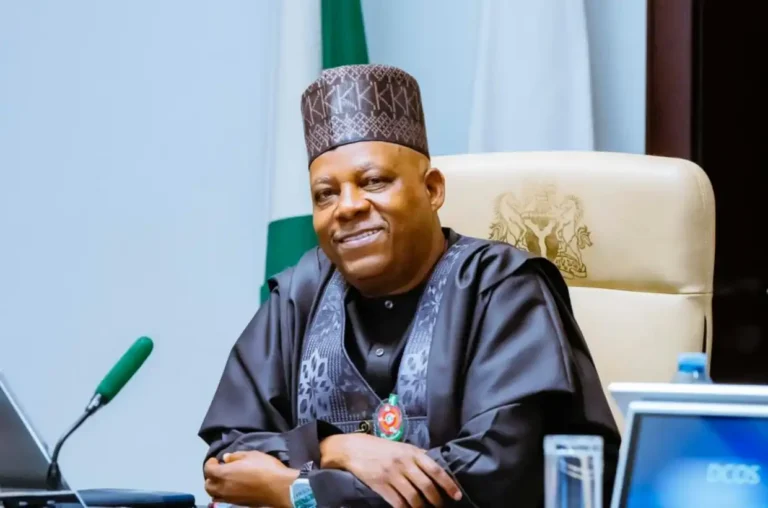
Nigeria’s education sector received another major push as the Federal Government increased the 2025 budget for the Ministry of Education to ₦3.52 trillion, rising sharply from ₦1.54 trillion in 2023. Vice President Kashim Shettima announced the figures on Tuesday in Abuja, describing the situation of out-of-school children as a national emergency that demands immediate and united action from both government and private-sector stakeholders.

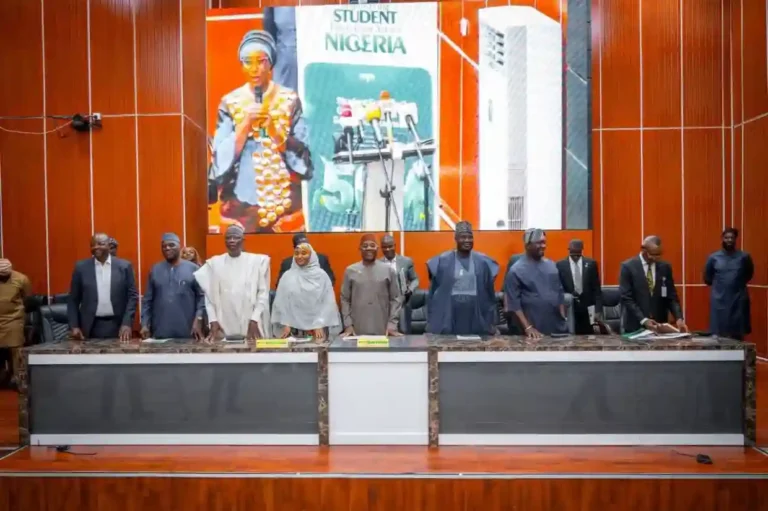
Speaking at the opening of the 2025 Nigeria Education Forum, VP Shettima, who was represented by the Special Adviser to the President on General Duties (Office of the Vice President), Dr. Aliyu Modibo Umar, said the administration of President Bola Ahmed Tinubu has demonstrated an unwavering commitment to building an enlightened and globally competitive population through increased education spending. The event was organised by the Nigeria Governors’ Forum, the Federal Ministry of Education, and the Committee of States’ Commissioners of Education, and focused on the theme Pathways to Sustainable Education Financing: Developing a Synergy Between Town and Gown in Nigeria.

Senator Shettima highlighted the broader national implications of weak education systems, saying, “Nothing threatens a civilisation more than an uneducated generation. Nations rise when the people, regardless of circumstance, are equipped with the knowledge to imagine a better future and the skills to build it.” He explained that Nigeria has reached a critical inflection point where traditional government-only funding models can no longer meet the country’s growing educational needs, stressing the importance of a transition toward collaborative, innovative, and resilient financing structures.

According to him, “The burden cannot rest on government alone. We must enlist private sector actors, industry leaders, alumni networks, philanthropists, and communities to co-invest in laboratories, research centres, vocational hubs, innovation clusters, and endowment funds.” He noted that this approach is central to ensuring a sustainable and responsive education system under the Renewed Hope plan.

Providing details on the administration’s investments, VP Shettima said the Tertiary Education Trust Fund budget rose from ₦320.3 billion in 2023 to ₦683.4 billion in 2024, and has climbed to ₦1.6 trillion in 2025. He added that the Universal Basic Education Commission distributed ₦92.4 billion in matching grants to 25 states and the Federal Capital Territory. Another ₦19 billion supported teacher development programmes across 32 states and the FCT, while ₦1.5 billion went directly to more than 1,147 communities. He also stated that UBE grants to individual states have increased from about ₦1.3 billion to over ₦3.3 billion, enabling states to access more than ₦6.6 billion through counterpart funding.

The Vice President further explained the progress of the Nigerian Education Loan Fund, a new initiative created under the Student Loans Act of 2024. He said NELFUND has already disbursed ₦86.3 billion to more than 450,000 students in 218 tertiary institutions nationwide. According to him, “This Fund signals a new era where no Nigerian is denied tertiary education for lack of money.”

He added that solving the learning crisis also requires improving learning environments and strengthening teacher welfare. “The learning crisis cannot be solved without safe and well-equipped schools, from basic classrooms to technical laboratories. Teachers must enjoy adequate training, welfare, and professional recognition if they are to deliver the outcomes our children deserve.”

Shettima called for stronger collaboration across all levels of government, urging local governments and traditional institutions to support school infrastructure, maintenance, security, and teacher welfare. He concluded by saying, “We are here today because we do not treat education as just a line item in the national budget. We treat it as the foundation of our national identity, the engine of our economic transformation, and the shield of our collective security.”
Advertisement

FG Unveils ECMS to Boost Digital Governance in Maritime Sector

0

The Federal Government has launched the Nigerian Shippers’ Council’s Enterprise Content Management System, ECMS, aimed at strengthening digital governance and improving efficiency across the maritime and blue economy sector. The system was jointly unveiled in Abuja by the Secretary to the Government of the Federation, SGF, George Akume, and the Minister of Marine and Blue Economy, Adegboyega Oyetola.

Akume said the introduction of the ECMS would minimise bureaucratic delays, enhance internal processes and support the Federal Government’s wider ambition of building a digitally driven public sector. He praised Oyetola’s leadership, noting that it contributed to Nigeria’s recent election into Category C of the International Maritime Organisation, IMO, Council. According to him, the victory reflects Nigeria’s rising global maritime profile. He added that the new system would reinforce the country’s push toward modern, transparent and accountable public service delivery.

Oyetola described the launch of the ECMS as an important milestone in Nigeria’s shift to a modern, technology-driven maritime administration. He said digital transformation remains central to the Ministry’s plan to boost port efficiency and rebuild Nigeria’s competitiveness in global trade. According to him, the theme of the event, Driving the Maritime and Blue Economy Sector through Digital Innovation, shows the urgency of adopting tools that improve speed, precision and regulatory performance.

He explained that although the ECMS is designed for internal workflow management, its benefits would spread across the maritime sector by improving service delivery, cutting delays and ensuring more predictable regulatory actions. Oyetola also highlighted ongoing reforms, including efforts to clear the long-standing Apapa gridlock, the approval of the national port modernisation programme and the development of Inland Dry Ports across all six geopolitical zones to boost trade and economic inclusion.

Head of the Civil Service of the Federation, Didi Walson-Jack, restated the Federal Government’s commitment to achieving a fully digital and paperless administrative system by the end of 2025. She commended the Nigerian Shippers’ Council for complying with the Presidential directive on digital records management and said the ECMS demonstrates institutional readiness for the future of governance.

Earlier, Executive Secretary and CEO of the Nigerian Shippers’ Council, Akutah Pius Ukeyima, described the ECMS as a core pillar of the Council’s digitalisation agenda and a major step toward ending manual file movement and administrative bottlenecks. He said the system would boost accountability, improve internal speed, strengthen information security and expand the Council’s ability to deliver efficient regulatory services.

Akutah encouraged staff to fully adopt the platform, calling it essential for maintaining a modern, paperless and performance-driven organisation.

FG Targets Youth With Digital Skills To Tackle Corruption

The Federal Government has said it is strengthening its use of digital-economy initiatives to curb corruption among young Nigerians, as part of a wider national effort to promote integrity and accountability. The Attorney-General of the Federation and Minister of Justice, Lateef Fagbemi (SAN), stated this on Tuesday in Abuja at the commemoration of the 2025 International Anti-Corruption Day.

Speaking at the event organised by the Technical Unit on Governance and Anti-Corruption Reforms (TUGAR) domiciled at the Nigeria Extractive Industries Transparency Initiative (NEITI), Fagbemi said the administration of President Bola Ahmed Tinubu has deliberately placed technology, innovation training and digital-skills development at the centre of its anti-corruption plan for the youth. The theme of the event was Uniting with Youth Against Corruption: Shaping Tomorrow’s Integrity.

Fagbemi, who delivered the keynote address, explained that the Federal Government believes young people who are empowered, skilled and economically engaged are less likely to fall into corrupt practices. He pointed to programmes such as the 3 Million Technical Talents Programme (3MTT) and the recently launched Nigerian Youth Academy (NiYA), noting that they are already equipping millions of young Nigerians with ICT and digital-innovation skills that help reduce dependence on patronage networks.

He stated that a major goal of the government is to use digital literacy, tech entrepreneurship and innovation-driven training to build a generation of globally competitive young Nigerians who are resistant to corruption. According to him, a hopeful youth is harder to corrupt; an engaged youth is harder to mislead; and an empowered youth is a powerful force for national transformation.

Beyond digital-skills training, the AGF highlighted ongoing efforts to expand educational access through the Nigeria Education Loan Fund (NELFUND), while programmes like the Nigeria Youth Investment Fund (NYIF) and the iDICE initiative are providing funding, mentorship and training for young innovators across technology, entertainment, agriculture and design. He added that the inclusion of young people in governance through appointments and civic-engagement channels was also a strategic approach to strengthen transparency and integrity in public service.

Fagbemi called on stakeholders to intensify actions that integrate anti-corruption values into school curricula, establish integrity clubs, mentor young leaders and deploy ICT tools that encourage transparency, whistleblowing and public accountability.

Earlier in her remarks, the Head of TUGAR, Mrs Jane Onwumere, said the gathering was meaningful because it reflected the shared understanding that the future of integrity in Nigeria heavily depends on young people. She said the theme was a call to action and a reminder that youth are not only beneficiaries of good governance but co-architects of it. Onwumere added that corruption has affected lives and the economy in many ways, pointing to the japa wave that has seen many young Nigerians leave the country in search of better opportunities. According to her, this trend has drained human capital, weakened families and affected one of the fundamental pillars needed to sustain anti-corruption efforts.

In his speech, the Executive Secretary of NEITI, Hon. Musa Sarkin Adar, restated the agency’s commitment to empowering youths as advocates for accountability and as active partners in shaping the future of integrity in the extractive sector and other areas. He said corruption undermines growth, distorts resource governance and increases inequality, but a united and informed generation can dismantle these barriers. Adar added that NEITI will continue to expand civic education, strengthen reporting mechanisms, support youth-led innovation and create more platforms for engagement with young professionals, students and entrepreneurs.

Nigeria Food Data Shows N5tn Trade Flow as Farmers Record Losses

0

Nigeria’s evolving food planning framework is drawing attention to structural pressures across the food economy, with new figures showing that combined food imports and exports nearly reached N5 trillion while many farmers reported losses on major staples. Fresh data presented at the National Agribusiness Policy Mechanism workshop in Abuja on Tuesday outlined how the country’s food system has been shaped by high import bills, production shortfalls and rising costs that affected farmer margins across the 2025 major wet season.

The workshop, convened by the Presidential Food Systems Coordinating Unit under the Office of the Vice President, reviewed outcomes from 13 pilot states and assessed prospects for the 2025 to 2026 dry season. Presentations showed that about N4.5 trillion worth of food commodities were imported during the last major crisis period, while exports ranged between N4.8 trillion and N5 trillion, based on figures from the Nigeria Customs Service.

Marion Moon, technical assistant, agriculture, Office of the Vice President and secretary of PFSCU, said the NAPM was created to move agricultural policy away from scattered decision making. She said it aims to support coordinated and data driven planning across federal, state and local governments to help stabilise food production and trade. Updated PFSCU data showed that Nigeria’s food import bill rose to nearly N6 trillion in 2024, a trend stakeholders described as exposing the economy to global price shifts and supply disruptions. Farmers, at the same time, struggled to break even as costs climbed following naira depreciation and higher fuel prices.

Impact assessments shared at the workshop showed maize and rice farmers were the hardest hit during the 2025 major wet season. Maize farmers recorded average production costs of about N726,000 per hectare and earned about N685,440, leading to a loss of roughly N40,560 per hectare. Rice farmers faced average costs of about N750,200 per hectare, while their revenue averaged around N729,980, resulting in losses of about N20,220 per hectare. Analysts at the event noted that rising input prices and reduced acreage contributed to the negative margins.

Production data showed maize output in the pilot states fell by about 2.8 percent due to smaller cultivated areas and lower yields. Rice production dropped by nearly 8 percent as farmers reduced planting because of weak profitability. Not all crops performed poorly, however. Soybean production rose by about 38 percent, driven by higher yields and increased land use. Average profits for soybean farmers were estimated at more than N400,000 per hectare. Sorghum output slipped by about 1 percent but remained marginally profitable because of lower input costs and its stronger tolerance to climate pressure.

Food balance simulations under the NAPM showed supply gaps across maize, soybean and sorghum. Maize availability was estimated at about 11.43 million tonnes against a domestic demand of roughly 12.2 million tonnes. Soybean availability stood at about 0.69 million tonnes compared with demand of about 1.1 million tonnes, while sorghum also recorded a deficit. Rice was the only major staple with a simulated surplus, supported by imports estimated at 3.2 million tonnes and reserves of about 1.88 million tonnes.

Dera Nnadi, deputy comptroller general of the Nigeria Customs Service in charge of strategic research and policy, explained that government approved imports of unprocessed commodities such as paddy rice and wheat during the 2024 food crisis. He said the measure was designed to stabilise domestic prices through local processing. According to him, Nigeria imported about N4.5 trillion worth of unprocessed food commodities during that period and exported almost N5 trillion worth of agricultural products. Nnadi said this showed strong production capacity but also revealed persistent weaknesses in post harvest management, storage and processing that reduce farmer earnings.

He said farmers lose value when they sell produce in raw form and urged state and local governments to support federal investments by providing silos and processing facilities. Nnadi added that the NCS shares food trade data with the PFSCU and the NAPM, monitors global food price movements and enforces food import rules while working with quarantine agencies to block harmful agricultural imports. He pointed out that official records do not fully capture informal cross border movement of food and stressed that customs acts as an implementing agency and not a policy making body.

PFSCU data also revealed gaps in farming inputs. Average fertiliser application stood at about 30 kilograms per hectare, below the Abuja declaration goal of 50 kilograms. Only about 45 percent of farmers used improved seed varieties during the wet season, limiting potential yields. For the 2025 to 2026 dry season, states plan to support about 214,000 farmers with input subsidies, extension services and limited irrigation assistance. Yet fewer than 30 percent of farmers currently have access to motorised irrigation tools, which raised concerns about the scale of dry season production.

Officials said the NAPM pilot, launched in May 2025 for four production seasons, will help determine how improved coordination across production, trade and reserves can shape nationwide agricultural planning in the years ahead.

FG Launches NiYA Gigs, Awards Startup Grants for Empowerment

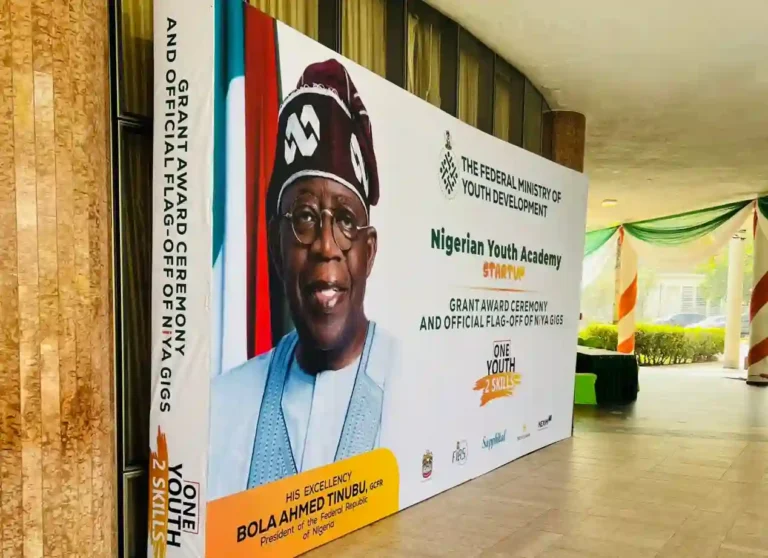
The federal government on Tuesday hosted the NiYA Startup Grant 2.0 award ceremony and officially launched NiYA Gigs, marking a major step in building an economy where no young person is left behind. The event highlighted a renewed push to equip young Nigerians with digital skills, business support, and access to global opportunities through a growing set of youth-focused programmes.

President Bola Ahmed Tinubu restated that empowering Nigeria’s youth remains a “deeply personal” priority of his administration. Speaking at the launch of the second edition of the Nigeria Youth Academy (NiYA) Startup Grants and the unveiling of the NiYA Gig digital-work platform in Abuja, the President, represented by his Chief of Staff, Hon Femi Gbajabiamila, said youth empowerment is central to the nation’s future and the engine of his Renewed Hope Agenda. He explained that the government is committed to ensuring that young Nigerians are not left out of national development efforts.

“From the earliest days of this administration, I made a firm decision that Nigeria’s youth will not stand on the margins of our national development. This commitment is not political; it is personal,” he said. The President noted ongoing reforms to expand opportunities for youth-led enterprises, such as easing tax compliance for small businesses, incentivising the digital and creative economy, and building a strong pipeline of young global service providers through the NiYA Academy, NiYA Startup, NiYA Jobs, and the newly launched NiYA Gigs. He also commended the Ministry of Youth Development for widening the programme’s reach after the debut edition recorded more than 14,000 applications across the country.

Earlier at the event, the Minister of Youth Development, Ayodele Olawande, said the administration is constructing a comprehensive youth-empowerment ecosystem that covers skills acquisition, enterprise creation, and income generation. He announced grants of N1 million each for 200 youth-led startups and N500,000 each for 100 beneficiaries in the informal sector, describing the funds as “not loans, but fuel for your journey.” He added that the goal is to support young Nigerians who are ready to create and grow sustainable businesses.

He also launched NiYA Gig, a national digital-work platform created to link young Nigerians to paid opportunities both locally and globally. Olawande highlighted the progress of initiatives such as the Nigerian Youth Help Desk and a WhatsApp AI Chatbot that has already engaged more than one million young people. “NiYA Gigs, our new national digital work platform which we also unveiled today, now opens unlimited global job opportunities for Nigerian youth in the fast-growing outsourcing and digital service economy. Combined with NiYA Academy and NiYA Jobs, we have built a complete ecosystem that takes a young person from learning to building and to earning. This is how we create a generation that does not wait for the future, but builds it.” He further appreciated the programme’s partners, saying, “I thank all our partners; Dubai Digital School, Sapphital, FIRS, NEXIM Bank, Providus Bank, and others, for walking this journey with us. Together, we have strengthened the Nigerian Youth HelpDesk, expanded our digital support systems, and unlocked new pathways for innovation, creativity, and employment.”

Minister of Finance and Coordinating Minister of the Economy, Wale Edun, said the Federal Government is preparing Nigeria’s youthful population for global competition by investing in digital infrastructure, skills training, and innovation. “Nigeria’s youth are our demographic advantage. With proper preparation, young Africans will make up 25 percent of the world’s workforce by 2050,” he said. He noted that expanded broadband access and automation will help young Nigerians export digital services without leaving the country.

Also speaking, Minister of State for Finance, Doris Uzoka-Anite Udoka, said ongoing financial-sector reforms will ease access to credit, expand concessional loans, strengthen tax incentives, and improve digital infrastructure for youth-led MSMEs. “These initiatives are deliberately designed to stimulate entrepreneurship and deepen the creativity that defines the Nigerian spirit,” she said.

In a goodwill message, the Director-General of the National Information Technology Development Agency (NITDA), Kashifu Inuwa Abdullahi, described the country’s digitally fluent young population as a major national asset. “Our human capital, our talent, is our new oil,” he said, noting that more than 70 percent of Nigeria’s 230 million citizens are under 18.

Special Adviser to the President on Policy Coordination, Hadiza Bala Usman, said achieving President Tinubu’s ambition of a 1 trillion dollar economy depends on unlocking the full potential of Nigeria’s youth. She added that planned reforms to the National Youth Service Corps will help turn the scheme into a launchpad for future-oriented careers.

Speakers at the event agreed that Nigeria’s economic future will be driven by the skills, creativity, and enterprise of its young population, with the government constructing a national empowerment framework to help them rise.

NNPC Subsidiary Sets 355,000-Barrel Record, Highest Since 1989

0

NNPC E&P Limited (NEPL), the flagship upstream subsidiary of NNPC Limited, has recorded a major breakthrough in Nigeria’s oil sector with a new production peak of 355,000 barrels of oil per day achieved on December 1st, 2025. This marks NEPL’s highest daily output since 1989 and represents a turning point for the country’s upstream industry. The figure stands as proof of a steady transformation anchored on efficiency, discipline, and structured operational growth.

Data from the company shows that NEPL’s progress is not accidental. Average daily production rose by 52%, moving from 203,000 barrels per day in 2023 to 312,000 barrels per day in 2025. This growth reflects a clear strategy focused on operational excellence, strong asset management, and well-planned field development. NEPL’s rise demonstrates how improved leadership, strengthened systems, and a dedicated workforce can help Nigeria overcome years of instability in the upstream sector.

This new output level also pushes national ambitions forward. For years, Nigeria’s targets of 2 million barrels per day by 2027 and 3 million barrels by 2030 have seemed far from reach. NEPL’s performance now gives these goals renewed possibility and shows measurable momentum. Speaking on the milestone, Engr. Bashir Bayo Ojulari, the Group CEO of NNPC Limited, described the development as proof that Nigeria’s energy revival is already underway. According to him, “By showing its ability to exceed its own production benchmarks, NEPL confirms that the essential building blocks for scaling national output are being firmly established. The achievement signals that the machinery of production—equipment, processes, capabilities, and partnerships—can be driven with commercial discipline to produce real and positive outcomes.”

Ojulari added that this success strengthens national and international confidence, assuring energy partners and investors that Nigeria intends to maintain its position as a reliable global supplier. Also commenting, Udy Ntia, the Executive Vice President, Upstream, explained that the milestone carries deeper meaning beyond the 355,000 barrels per day figure. He stated, “In a sector where shortcuts can yield short-term wins but long-term damage, NEPL is making a different point: sustainable progress must rest on responsible operations. This ensures that scaling production does not compromise worker safety, community wellbeing, or environmental protection. It reinforces a shift away from extraction at any cost towards sustainable value creation—a core requirement for any modern energy company seeking global relevance.”

Nicolas Foucart, MD of NEPL, connected the achievement to the broader transformation happening across NNPC Limited. He noted, “This is a story shaped by leadership that charts a clear course; by partnerships built on alignment and accountability; and by a workforce whose hard work is turning goals into measurable progress. Our people, our processes, and principles are the real engines behind this success. We are building for tomorrow, not just celebrating today.” He further stressed that the impact for Nigerians extends beyond higher production volumes. As he said, “For Nigerians, this accomplishment means far more than increased barrels; it translates into greater national revenue, stronger energy security, and a more resilient economic foundation. NEPL has not only produced more hydrocarbons; it has reignited belief in what Nigeria’s energy sector can achieve with the right systems, culture, and dedication.”

NEPL remains a wholly-owned subsidiary of the Nigerian National Petroleum Company involved in the exploration and production of oil and gas resources.

Dangote Granite Mines Awards Bursaries to Ijebu-Igbo Students

0

Dangote Granite Mines, a subsidiary of Dangote Industries Limited (DIL), has awarded bursaries to many qualified students from host communities in Ijebu-Igbo, Ogun State. The initiative reflects the company’s steady commitment to youth empowerment, community upliftment, and long-term development in the area.

The presentation ceremony brought together community leaders, excited students, parents, and the Management of Dangote Granite Mines. Beneficiaries were drawn from the four major host communities of Ayebandele, Olorunmodu, Saliu Babarisi, and Idi Omo, showing the company’s continued focus on inclusive growth and shared progress within the communities it operates in.

Speaking during the event, Joseph Alabi, General Manager, Community Relations, Dangote Granite Mines, restated the organisation’s long-standing dedication to social responsibility. He explained that 40 tertiary-level students and 20 secondary school students were selected for the bursary support. According to him, this demonstrates Dangote Granite Mines’ strong interest in strengthening both higher education and secondary learning for young people across the host communities.

He noted that the bursary scheme forms part of a wider set of interventions in Ijebu Igbo. These include renovating classrooms, developing health centres, installing solar-powered boreholes, and supporting cultural heritage initiatives that help preserve the identity and traditions of the people.

Mr. Alabi further highlighted the unique structure of the bursary programme, explaining that it provides continuous support throughout each beneficiary’s academic journey. “The uniqueness of our bursary is such that it doesn’t stop as a one-off gesture; we continue to support the students throughout their study period,” he said, stressing the value the company places on sustainability and steady academic progress.

He added that the initiative reinforces the Dangote Group’s commitment to promoting academic excellence while reducing financial pressure on families in the host communities.

Representing the paramount ruler, the Sopinlukale of Oke-Sopin, Ijebu-Igbo, Oba Mufutau Adesesan Yusuf, High Chief Ademola Ariyo praised the Dangote Group for what he described as consistent dedication to community development. He noted the positive relationship between the company and the host communities, calling the education support programme clear evidence of an organisation that genuinely values the people around it. “When you invest in the education of our children, you invest in the future of Ijebu Igbo,” he said.

He also acknowledged other community development projects conducted by the company, explaining that the impact of previous interventions in infrastructure and social welfare remains visible across the communities.

The excitement among beneficiaries was evident as Zainab Ontilo, a tertiary-level awardee, expressed gratitude, saying, “This money would go a long way in ensuring I complete my tertiary education seamlessly.” Another recipient, Enitan Haruna, added, “I can finally concentrate fully on my education without having to worry about how my next tuition would be paid or how I will afford miscellaneous expenses.” The ceremony closed with the presentation of cheques to the students.

Anambra Allocates N200m for Traditional Fruit Tree Seedlings in 2026

0

The Anambra State government has set aside N200 million for the procurement and distribution of endangered Igbo traditional fruit tree seedlings in the 2026 fiscal year. The commissioner for agriculture, Foster Ifejiofor, announced this during a briefing with journalists after a bilateral meeting with the Finance and Appropriation Committee of the Anambra State House of Assembly on the 2026 budget proposal.

Mr Ifejiofor explained that the programme includes the procurement of 60,000 Ukwa (African breadfruit) seedlings at the cost of N1,500 each, totaling N90 million. He also said that 40,000 Udala (African star apple) seedlings and 20,000 bitter kola seedlings will be purchased at a combined cost of N84 million. According to him, the state will further procure 10,000 raffia seedlings and 16,000 Ogbono seedlings for N26 million.

He stated that the seedlings will be distributed across the 21 local government areas of the state to boost household incomes and support environmental sustainability. He added that the Governor Chukwuma Soludo-led administration understands the value of agriculture and continues to create opportunities for youths to take part in the sector.

Mr Ifejiofor also revealed that the state government will embark on a palm revolution as one of its major economic transformation strategies. He said no fewer than 100,000 households will receive oil palm and other economic tree seedlings during the 2026 fiscal year.

The commissioner noted that agricultural development in the state has been strengthened by ongoing supportive programmes. He highlighted that programmes such as road infrastructure projects have opened up rural communities for increased farming activities.

27,914 Students from 402 Institutions Apply for FG Venture Capital Grant

The Ministry of Education has confirmed 17,914 applications from 402 institutions for the Student Venture Capital Grant (S-VCG), reflecting strong national interest in the new initiative aimed at supporting student-led innovation. The Federal Government introduced the Grant to deepen research excellence, empower student innovators, and strengthen entrepreneurship across tertiary institutions.

The Honourable Minister of Education, Dr Maruf Tunji Alausa, said the Grant represents a bold investment in student creativity, with beneficiaries eligible for up to N50 million in equity-free seed funding. According to him, the programme is designed to support full-time students in federal, state, and private institutions, especially those in STEM and Medical Sciences.

He explained that successful ventures will receive incubation support, mentorship, innovation tools, and access to academic and industry networks. A twelve-member expert panel drawn from academia, industry, and the public sector will evaluate all submissions.

The Ministry noted that thousands of applications have been recorded since the portal opened on 17 November, with submissions scheduled to close on 23 January 2026. Dr Alausa highlighted collaboration with partners such as TETFund, the Bank of Industry, Afara Initiative, Afrilabs, and Google. He said these partnerships will help strengthen the programme’s reach and improve the quality of support offered to students.

Minister of State for Education, Professor Suwaiba Saidu Ahmad, described the Grant as a transformative platform that addresses funding gaps in student innovation. She added that an AI-powered evaluation system will assist in screening the large number of applications received so far.

National stakeholders, including the Minister of Agriculture, the House Committee on University Education, the Special Adviser to the President, and former Minister of Power, Professor Barth Nnaji, commended the programme’s alignment with Nigeria’s development goals, with the Ministry reaffirming its commitment to supporting innovative student ideas across the country.

Students who are yet to apply for this grant can apply Here.

BUA Cement Awards N40m Scholarships to 200 Students in Host States

0

BUA Cement Plc has expanded its support for education in its host states by awarding N40m in scholarships to 200 students from Sokoto, Kebbi, and Zamfara states. Each beneficiary received 200,000, which is double the amount previously given under the company’s scholarship scheme. The programme, which began in 2018 with 100 students receiving 100,000 each, is aimed at helping young people pursue their studies while preparing a future workforce for the company.

The Director of Administration and Corporate Affairs at BUA, Mohammed Sada, said the initiative was created to complement government efforts in improving education and nurturing future talent. He explained that the scholarships are meant to empower students to reach their academic goals and make positive contributions to their communities. “Our aim is to ensure these young scholars can fulfill their academic dreams and contribute meaningfully to society,” he said.

Speaking on behalf of the Managing Director and CEO, Plant Director Engr. Aminu Bashir stated that the selection process was rigorous and transparent. He said that 50 students were selected from each host state, with an additional 50 chosen from Wamakko Local Government Area, which is the company’s immediate host community.

The Executive Secretary of the Zamfara State Scholarship Board, Professor Rashida Usman, praised the company, noting that the initiative highlights the importance of investing in education. Also, the Sokoto State Special Adviser on Corporate Social Responsibility, Usman Arzika Fako, said educational empowerment remains essential for sustainable development.

Community leaders encouraged BUA to deepen its engagement with local residents. The District Head of Arkila, Aliyu Hassan, urged the company to ensure that at least 50 per cent of its workforce comes from host communities.

The beneficiaries thanked the company for the support, describing BUA as “a pillar of hope for future generations.” The expanded scholarship programme reflects BUA Cement’s commitment to corporate social responsibility and reinforces the role of private sector support in advancing education across northern Nigeria.