Home Blog Page 248

FG moves to reclaim and revive 157 abandoned Almajiri schools

0

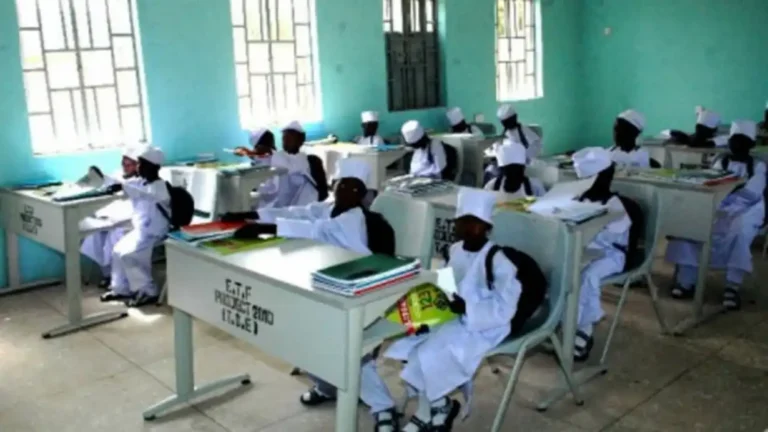
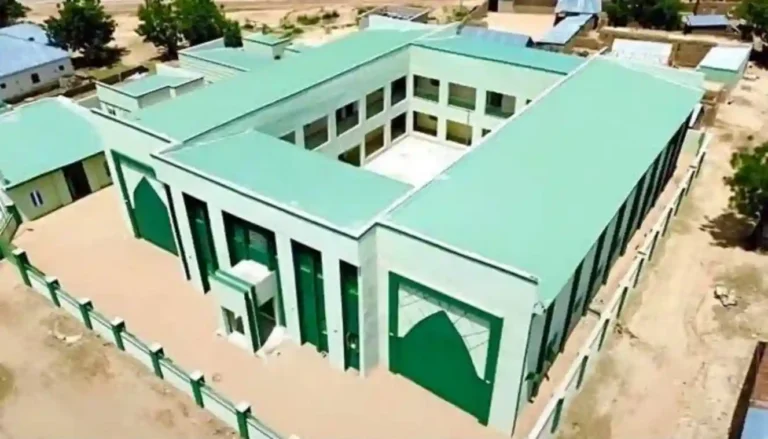
The Federal Government has begun full recovery of the 157 model Almajiri schools built across the country under former President Goodluck Jonathan. This was confirmed by Nura Muhammad, spokesperson of the National Commission for Almajiri and Out-of-School Children Education, in an interview with the News Agency of Nigeria in Abuja on Sunday. He described the move as a decisive step to revitalise and institutionalise Almajiri education in Nigeria.

According to Muhammad, the recovery process is already underway, and all the schools will be placed under the Commission’s control before rehabilitation begins. He explained that the renewed action follows the creation of a legally backed national body mandated to regulate all activities related to Almajiri education, something that was lacking during earlier reforms.

The spokesperson praised former President Jonathan for initiating the 157 model schools, calling the project “a noble and well-intentioned stride toward modernising the system”. However, he noted that the initiative faced some limitations, particularly poor engagement with Alarammas, the traditional Qur’anic teachers who play a central role in the education of Almajiri children.

“We must commend President Goodluck Jonathan for his remarkable efforts towards reforming Almajiri education, which led to the establishment of 157 model Almajiri schools across the country,” he said. “Although the initiative was noble and well-intentioned, it, however, faced several challenges. One major issue was the inability to adequately carry along the Alarammas during the policy implementation.”

Muhammad added that the programme only existed as an initiative under the Federal Ministry of Education without a strong framework to sustain it. He said this gap contributed to the failure of the project to achieve lasting impact.

He stressed that the establishment of the Commission, backed by law and supported by a new National Policy on Almajiri Education, has strengthened the momentum for reforms. “We are confident that, in due course, all negative practices associated with the system will be eliminated. These schools will soon be fully under our control and subsequently rehabilitated so they can serve the purpose for which they were originally established,” he stated.

In January 2025, the Ministry of Education publicly admitted that more than 80 per cent of the Jonathan-era schools had been abandoned or repurposed. Some were turned into political offices, stores or private facilities. Officials said this failure came from lack of legal ownership and weak coordination, a situation that triggered the mandate for nationwide recovery and rehabilitation.

In April, President Tinubu formally activated the National Commission for Almajiri and Out-of-School Children Education, granting it statutory powers to regulate Qur’anic learning and reclaim abandoned facilities.

The Commission revealed that its first directive was to take possession of the Jonathan-built schools because many states mismanaged them. This move followed a 2024 Act passed to institutionalise reform in Almajiri education.

Advertisement

FG sets up 119 schools to support Almajiri and out of school children

0

The Federal Government has established 119 learning centres across the country to improve access to foundational education for Almajiri learners and out of school children. This development was disclosed by the spokesperson for the National Commission for Almajiri and Out of School Children Education, Nura Muhammad, in an interview with the News Agency of Nigeria in Abuja on Sunday.

Muhammad explained that the centres work under two different models. Some are designed to support existing Almajiri schools by adding structured literacy and numeracy lessons, while others serve only out of school children using the Accelerated Basic Education Programme curriculum. He said this approach helps learners finish foundational education within a shorter period.

He also confirmed the successful development of a National Policy on Almajiri Education, championed by the Minister of Education, Tunji Alausa. According to him, “Almajiri learners would no longer be classified as out of school children.” He added that Almajiri schools will now receive the same level of support and funding as standard schools.

Muhammad noted that the commission has expanded its reach nationwide, setting up an office in every state within 28 months of existence. In addition, a ward to ward advocacy campaign was launched in seven pilot states, namely Kano, Jigawa, Yobe, Borno, Lagos, Ogun and Cross River. He said, “The campaign engages parents, traditional rulers, religious leaders, civil society groups, and children, sensitising communities to the dangers of leaving the Almajiri system unregulated and the importance of enrolling children in schools.”

He revealed that Lagos, Cross River, Ogun and Yobe have already covered all wards in their states, recording encouraging public responses. He added that the remaining states are also making good progress, and the model will be expanded nationwide.

According to Muhammad, these reforms align with the establishment Act of the commission, already passed by the National Assembly and signed into law by the President in May 2023. He said the mandate of the commission covers reforming the longstanding Almajiri system through literacy, numeracy and skills training, while ensuring that millions of out of school children enter formal or non formal education pathways.

He stated that when the Executive Secretary, Muhammad Idris, assumed office, he began nationwide engagement with stakeholders. These included visits to the Sultan of Sokoto, the CAN President, the Oba of Lagos, the Shehu of Borno, the Ooni of Ife and the Olubadan. “These engagements culminated in two major Abuja retreats organised with the Office of the National Security Adviser, focusing on reforming Almajiri education and addressing out of school children,” he said.

Muhammad explained that the retreats produced the NCAOOSCE Strategic Plan 2025 to 2035, which offers a roadmap for the coming decade. One of the commission’s top projects is the Tinubu Legacy Skills Training Institute, created to give Almajiri youths both religious knowledge and practical job skills.

He said that at the Kaduna campus, 200 Almajiri learners completed a nine month intensive programme covering Arabic and English literacy, Qur’anic interpretation, and various vocational skills such as POP design, plumbing, agriculture, tiling, solar installation, GSM repair and ICT. He added that the trainees used the National Board for Arabic and Islamic Studies curriculum, wrote their examinations and are now awaiting results. “Many of them, previously unable to communicate in English or Arabic, can now do so fluently,” he said.

Muhammad also revealed that another branch of the institute in Ibadan is training 150 girls using the ABEP curriculum to fast track their learning alongside vocational skills. He said that after nine months, the girls will be qualified to continue their formal education.

“These initiatives reflect the Tinubu administration’s determination to reform the Almajiri system and ensure no child is left behind. From expanded learning centres to community advocacy and skills development, the Commission is laying a foundation that will shape Nigeria’s education landscape for years to come,” Muhammad said.

Anambra sets N2bn fund for small business support

0

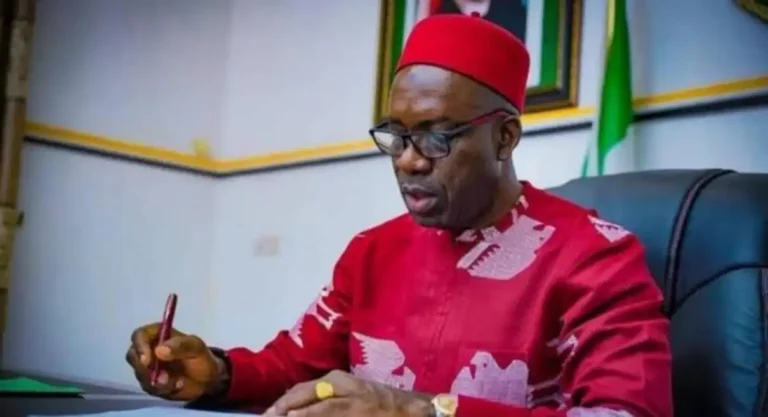
Anambra State Governor, Professor Chukwuma Soludo, has allocated N2 billion to assist small-scale entrepreneurs through a new Micro Enterprise Support Scheme. The initiative is a key part of the 2026 budget already before the State House of Assembly. The Commissioner for Economic Planning and Budget, Mrs. Chiamaka Nnake, revealed the plan while presenting her ministry’s budget estimates to the House Committee on Finance and Appropriation.

She stated that the Ministry of Economic Planning proposed a total of N6.2 billion for next year. According to her, N3 billion will go to counterpart funding while N2 billion is set aside for the micro enterprise scheme.

Nnake explained that the scheme targets operators of small businesses across the state who need capital to grow. She noted that many beneficiaries are already applying knowledge from the state’s 1-Youth-2-Skills programme but require government backing to expand.

Nnake stressed that the programme will boost productivity and help young people and market operators become financially stable. She added that the budget reflects the state’s cautious spending culture, saying the 2026 proposal was structured to be realistic and true to Anambra’s identity for efficient fiscal management. “We are maintaining prudent planning and conservative budgeting,” she told the lawmakers during her presentation.

Push Africa to empower 2 million Africans, graduates 100 healthcare assistants

0

The Founder of Push Africa, Doris Egberamen, has said the organisation’s vision is to train and empower 2 million Nigerians and Africans with industry and market skills. She made this statement on Saturday in Abuja during the inaugural graduation ceremony of the Push Africa Healthcare Assistant Training Programme, Class of 2024/2025.

According to The Guardian, the programme organised by Push Africa in partnership with the African University of Science and Technology (AUST), Abuja, graduated over 100 healthcare assistants. Egberamen explained that the efforts of her organisation to tackle unemployment and poverty in Nigeria and sub-Saharan Africa are driven by a passion to create a clearer pathway for graduates. She said Push Africa’s mission is to innovate, initiate, and implement labour market skill training in healthcare, tech, media, and agriculture.

Speaking to the graduating students, Egberamen urged them to approach their new career paths with discipline, empathy, and professionalism. She stressed that the healthcare sector demands technical competence combined with strong ethical values. The Founder encouraged them to see the programme not as the end of their journey but as the beginning of a progressive career path with vast opportunities for growth both locally and internationally.

She reminded the graduates that the skills they acquired are globally relevant and urged them to remain focused, seek continuous improvement, and uphold the highest standards of care in their practice. She added that their dedication would help them thrive in a sector where quality of service matters greatly.

In his remarks, the President of AUST, Professor Azikiwe Onwualu, said the university enjoys a 100 per cent employment record for its postgraduate alumni. He noted that Nigeria’s industrial workforce has become skewed as universities produce more degree holders than technicians and artisans needed in practical fields. To correct this gap, he explained that AUST has broadened its focus to include technical and vocational education and training, setting up an innovation hub on campus to equip students with hands-on industry skills.

“Every graduate of this university is either employed before graduation or immediately after,” he said, adding that the institution is determined to replicate the same success at undergraduate and vocational levels. Onwualu outlined the significant transformation taking place at AUST, including its expanding academic vision and rising global relevance.

He urged the graduands to make the most of their new skills by embracing innovation and positioning themselves as globally competitive professionals. According to him, the training they received is recognised internationally and provides a strong base for them to contribute to the healthcare sector within and outside Nigeria.

Professor Onwualu encouraged them to stay curious, keep advancing their knowledge, and pursue opportunities for further education, including routes that could lead to full nursing and other health-related programmes as the university grows its offerings. He added that their success would not only help their careers but also showcase the impact of AUST’s commitment to producing skilled graduates capable of addressing Africa’s development needs.

Medical Directors from Abuja hospitals and officials from the Federal Ministry of Youth Development attended the event, adding further weight to the milestone celebration.

NEF, AEA launch food aid for displaced families in BAY states

The Nigeria Evangelical Fellowship in collaboration with the Association of Evangelicals in Africa has launched a food distribution program to support vulnerable displaced people in Borno, Adamawa, and Yobe States. The intervention began at the EYN Church Headquarters in Maiduguri, where over 100 adolescent girls and women received hygiene kits. Displaced individuals from the CAN IDP center were given 75kg bags of grains, cooking condiments, and detergents as part of the outreach.

A medical exercise was also carried out during the distribution. Drugs were administered to people with various ailments, while some beneficiaries underwent basic medical checks including vital signs examinations to help identify health needs early.

Speaking to the beneficiaries, the Executive Secretary and CEO NEF AEA, Rev. James Akinyele, who is also the Project Coordinator in Nigeria, encouraged them not to lose faith in God. He urged them to continue praying for peace in Nigeria. According to him, the security challenges facing the country remain serious, but he assured that God would intervene to restore stability. He explained that the program targets 300 households in Borno, 350 in Adamawa, and 300 in Yobe, aiming to support around 10,000 direct beneficiaries.

Rev. Akinyele noted that the intervention is meant to ease the struggles of those affected by the crisis. He appealed to government and well spirited individuals to invest more in the welfare and security of the people. Representatives of the funder, including Rev. Jim Olang and his colleague Melisa from Nairobi, were present at the distribution and expressed their support for the initiative.

Some beneficiaries who spoke with our correspondent expressed gratitude to NEF for coming to their aid. The organization’s efforts highlight its commitment to assisting vulnerable communities across the region. The distribution continues in Adamawa, Borno, and Yobe States as more families await assistance.

Jaiz Bank becomes first African IILM Primary Dealer

0

Jaiz Bank, Nigeria’s pioneer Non-Interest bank, has signed an agreement with the International Islamic Liquidity Management Corporation for its onboarding as an IILM Primary Dealer. The deal was sealed during the CBN–IILM Liquidity Management Capacity Building Conference held recently in Abuja.

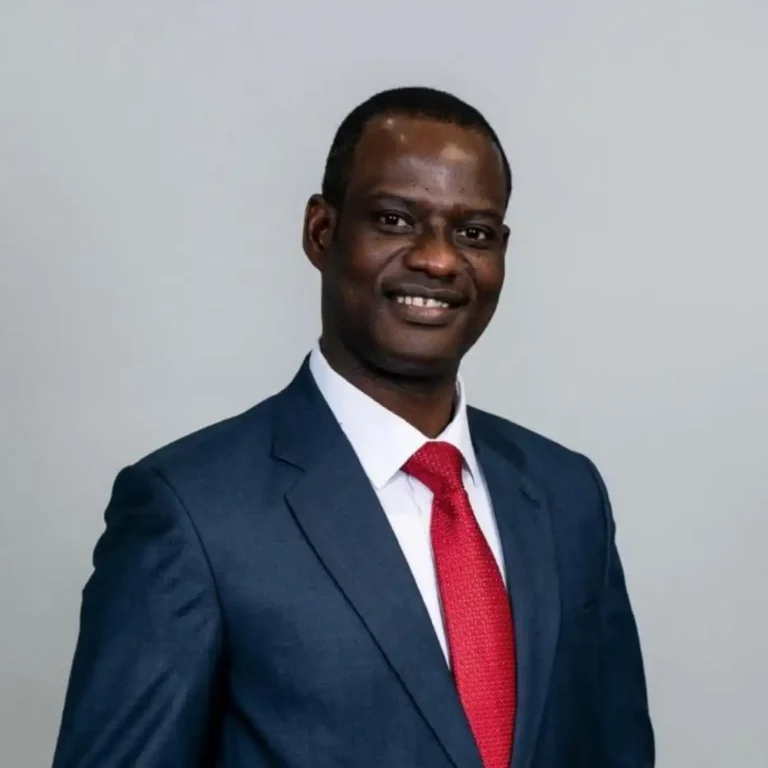
Speaking at the ceremony, Jaiz Bank Managing Director and Chief Executive Officer, Dr. Haruna Musa, described the development as an important step for the institution. He said, “This milestone is historic, as Jaiz Bank becomes the first financial institution in Africa to be admitted into the IILM’s global network of primary dealers.”

According to him, joining this network opens new opportunities for the Bank. “The onboarding positions Jaiz Bank to access world-class liquidity management instruments with strong credit quality,” Dr. Haruna explained. He noted that the agreement is expected to boost the Bank’s balance sheet resilience and enhance its capacity to manage risks.

Dr. Haruna added that the move would “Enhance its regional and international visibility within the Islamic finance ecosystem,” while also helping to “Strengthen its long-term collaboration with the CBN, IILM, ICD, and other global Islamic finance institutions.”

He stressed that the recognition aligns with the Bank’s strategic ambition. “This achievement aligns fully with the board and management strategic aspiration to elevate Jaiz Bank into a leading institution in Africa’s Islamic finance landscape, while supporting the Bank’s growth trajectory and capital-market activities,” he said.

The MD/CEO expressed appreciation to the Central Bank of Nigeria, IILM management, and the board and staff of Jaiz Bank for their support. The IILM is an international body that provides high-quality, short-term Shariah-compliant liquidity instruments recognised by regulators and central banks worldwide.

FG expands tax reform training to 50 content creators

0

The Presidential Fiscal Policy and Tax Reforms Committee has announced an expansion of its Top Content Creators Program for tax reform education. The Chairman, Taiwo Oyedele, expressed appreciation for the “overwhelming feedback and interest” from creators and praised their patriotism and commitment to accurate public education.

According to Oyedele, the initiative aims to educate creators on new tax laws so they can inform the public responsibly. He confirmed that more creators will now be accommodated, saying the programme is expanding to allow additional qualified applicants to indicate interest.

The eligibility criteria require a minimum combined social media followership of 10,000 across platforms such as Instagram, Facebook, TikTok, X, LinkedIn and YouTube. Applicants must also show willingness to participate fully in the special training and demonstrate a commitment to accuracy by seeking clarification when unsure.

Oyedele said the committee will select 30 new creators in addition to the 20 earlier shortlisted, bringing the total participants to 50. After the training, creators will gain direct access to him and other key committee members for further clarification before publishing tax education content to ensure credibility and public trust.

The committee will publish an updated list of top creators after the training. The Chairman encouraged eligible Nigerians not to “just watch history unfold,” urging them to participate, learn, upskill and contribute.

Applications close on Monday, 8 December 2025, and the entry form is available online.

Interested applicants can apply via the form https://forms.gle/6QMULojAA92GkJC47.

NCDMB shifts focus to youths, initiates $50m industrial park fund

0

The Nigerian Content Development and Monitoring Board (NCDMB) has again shifted attention to the grassroots, stressing that its programmes must be understood by young people and communities who live closest to oil and gas activities. The message at its latest sensitisation forum in Yenagoa was clear: now our focus is on you and the grassroots.

The Board explained that this renewed push is coming at a time when youths have high interest and high influence in industry affairs and community development. The tone of the meeting reflected a belief that local involvement leads to stronger ownership and sustainability of Nigeria’s oil and gas agenda. This thinking aligns with the new industrial park developed by NCDMB at Emeyal 1 in Ogbia Local Government Area under the Nigerian Oil and Gas Park Scheme (NOGaPS).

The Park is designed to become a hub for manufacturing components and spares needed for industry operations, helping to keep activities within the State and strengthen indigenous capacity. That idea formed the basis of the introduction to the sensitisation meeting.

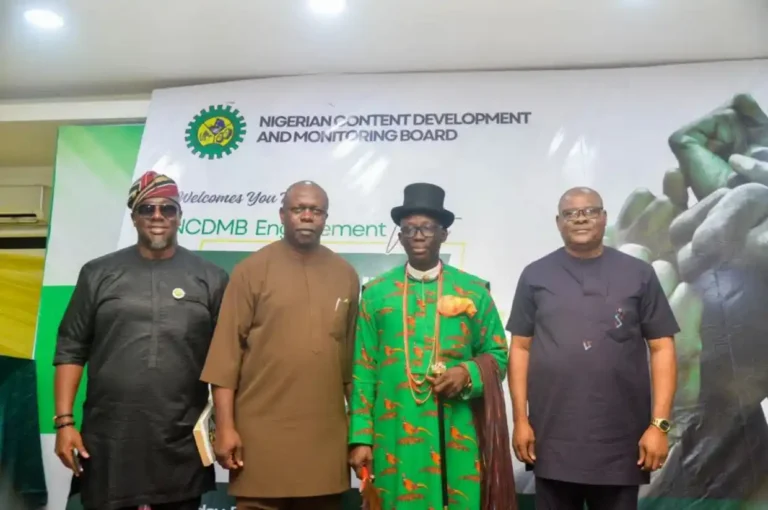
On Friday, the NCDMB held an engagement session with youth groups and civil society organisations (CSOs) to increase awareness around its roles, activities, and guiding law. Representatives of youth bodies and CSOs gathered at the Harold Dappa Biriye Hall, Golden Tulip Resort, Yenagoa, where the Executive Secretary of the Board, Engr. Felix Omatsola Ogbe, addressed them through the General Manager of the Corporate Communications Division, Dr. Obinna Ezeobi. Ogbe explained the need to deepen outreach to industry players and communities, including vendors, contractors, host settlements, and emerging stakeholders.

Citing Section 67 of the Nigerian Oil and Gas Industry Content Development Act of 2010, which mandates regular workshops, seminars and public forums to enlighten Nigerians, he stated that the Board had achieved notable progress in compliance, cooperation and partnerships. “We have done so much at the higher level, talking and sharing ideas,” he said, adding that “now our focus is on you and the grassroots.” He explained that it was important “to let youths understand their connection to local content…that they are part of Nigerian Content.”

According to the Executive Secretary, young people must see themselves as owners and contributors to the future of oil and gas. He said the Board recognises that “Youths have high interest and high influence” and therefore would intensify engagements with them. The gathering was told that such meetings would become more regular, reflecting the Board’s intention to broaden awareness.

Dr. Ezeobi made a presentation showing how local capacity has evolved since the NOGICD Act came into force in 2010. He described the law as the disruptor of the old order, when foreign interests dominated the industry and Nigeria retained only about five per cent of sector spending. He highlighted that the Board has been intentional with Bayelsa development since inception, starting with the multi billion naira corporate headquarters in Yenagoa, the tallest structure in both South East and South South regions. The Nigerian Content Tower draws hundreds of industry players to the State every year.

Next to the tower is the 204 room four star NCDMB Conference Hotel, currently over 80 per cent complete and projected for commissioning in 2026. It is expected to transform the hospitality sector by serving growing industry traffic. In the same neighbourhood, the Best Western Plus Hotel, Oxbow Lake, was attracted to the area by the presence of the Board and industry executives who frequently visit the city.

The General Manager also highlighted the NCDMB Gas Hub in Gbarain, near the Shell Gbarain Ubie Gas Plant which produces one billion standard cubic feet of gas per day. The Gas Hub occupies 10.6 hectares and was set up to host gas related enterprises and boost industrialisation in Bayelsa. Already, Rungas Liquefied Petroleum Gas Composite Cylinder Manufacturing Plant, Azikel Refinery, and other firms are located there.

He added that in partnership with Agip, the Board built a 10 megawatt power plant at Elebele, supplying electricity to the Nigerian Content Tower, Government House, Yenagoa, and key government facilities. Surplus energy is available for purchase by qualified cooperatives or corporate entities.

Highlighting the NOGaPS Park in Emeyal 1, he noted that the facility was created to serve as a local hub for manufacturing essential components and spares required in the oil and gas sector, helping to domiciliate activities within the State. According to him, the Board has set up a US$50 million NOGaPS Manufacturing Fund to support manufacturers willing to establish at the Park. The Park includes factory spaces, dedicated power, workshops, shop floors, administrative buildings, clinics, and training centres. It is expected to be commissioned in 2026 after power link up.

Other major interventions include the Brass Island Shipyard, developed with Nigerian Liquefied Natural Gas Limited, to serve dry docking of oil and gas vessels. The engineering design has been completed, and the project is expected to position Brass Island as a maritime servicing hub.

He also listed the Oloibiri Museum and Research Centre in Otuabagi, jointly funded by PTDF, NCDMB, Renaissance Africa Energy Limited (formerly Shell Petroleum Development Company) and the Bayelsa State Government. The facility is due for completion and commissioning within 30 months.

Dr. Ezeobi mentioned vocational programmes and empowerment initiatives that have trained thousands of Bayelsa youths. He emphasised that developing people has remained a core mandate for NCDMB.

In his remarks at the event, Chairman of the Bayelsa State Council of Traditional Rulers, King Bubaraye Dakolo, Agada IV, urged youths to apply peaceful dialogue when dealing with companies in their communities. “If you negotiate properly, the outcome will ever be better,” he said. He advised youth groups and activists to arm themselves with facts, truth, and respectful approaches when interacting with authorities, noting that both NCDMB and the Petroleum Industry Act were products of negotiation.

Youth organisations and CSOs at the meeting welcomed the sensitisation, commending the Board for human capacity initiatives including vocational training. They pledged cooperation but appealed that more beneficiaries of training programmes should be assisted to find employment.

Representatives from across Bayelsa State and beyond attended the forum, reflecting wide interest in the Board’s grassroots focused approach and renewed push to bring youth into mainstream oil and gas discourse.

PETAN says Nigeria offers Africa’s cheapest oil and gas service costs

0

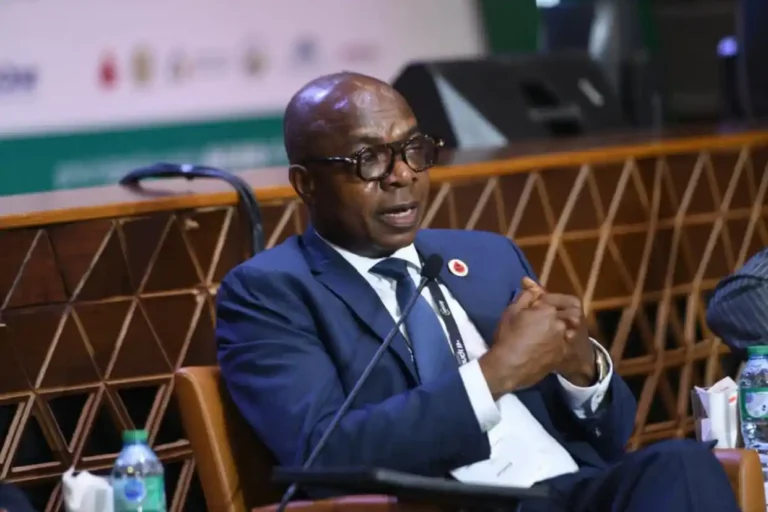
The President of the Petroleum Technology Association of Nigeria (PETAN), Engr. Wole Ogunsanya, has stated that the cost of providing services in Nigeria’s oil and gas industry is relatively the cheapest on the African continent. He made this known on Wednesday during a Townhall Session at the 14th Practical Nigerian Content Conference and Exhibition held at the Nigerian Content Tower in Yenagoa. Ogunsanya gave a detailed analysis of project expenses across the region and beyond.

He stressed the need to clearly separate capital expenditure, known as CAPEX, from operating expenditure, OPEX. According to him, Nigeria’s CAPEX remains one of the lowest in Africa even though many people believe production costs are high. He explained that the issues often highlighted are linked to challenges in oil evacuation, security expenses, and the activities of portfolio companies that manipulate their clients.

Ogunsanya noted that PETAN has over time analysed the production costs of different countries using CAPEX and OPEX, and has also identified the specific cost drivers involved in Nigeria’s oil and gas operations. He said the biggest cost factor is the evacuation of crude oil and gas. In his words, “The number one cost driver in Nigeria’s oil and gas industry operations is evacuation of crude oil and gas. Our pipelines are vandalised, and some companies use vessels, barges to move crude oil, at a cost of US$12 per barrel.” These costs also include payments to security personnel who are engaged as guards or escorts during operations.

Providing a comparison, the PETAN leader, who also serves as Chairman and Chief Executive Officer of Geoplex Drillteq Limited, stated that renting a land rig in India could cost up to US$60,000 per day, while the same service in Nigeria costs as low as US$30,000. He said one of the explanations for lower service rates in Nigeria is that the local content policy indirectly subsidises oil and gas production, even though many people may not notice how this works.

However, Ogunsanya lamented that portfolio companies are contributing to unnecessary increases in cost. These are firms without the necessary equipment or operations capacity, but still secure contracts. He revealed that PETAN is “aware of portfolio companies that had previously obtained the Nigerian Content Equipment Certificate, became registered on NIPEX and had services, projects awarded to them.”

He explained that the Presidential Directive on Local Content Compliance Requirements, issued on March 24, 2024, mandated that such portfolio companies must be barred from participating in industry activities. Going forward, companies competing for projects must show tangible capacity and prove that they can deliver services on their own.

Ogunsanya appealed to the Nigerian Content Development and Monitoring Board (NCDMB) to allow PETAN specialists to help guide the industry on the type of equipment required for different tasks. He also urged the Federal Government and the Nigerian National Petroleum Company Limited (NNPCL) to support PETAN’s efforts to gather cost data from other markets. This, he said, would allow the association to advise authorities better whenever oil companies present project budgets. According to him, this would help provide a proper benchmark “so when any of the IOCs or even indigenous companies say we are doing a US$5 billion project to produce 100,000 barrels, we have a basis for comparison.”

The Townhall Session was moderated by the General Manager of Corporate Communications at the NCDMB, Dr. Obinna Ezeobi. Among the topics discussed were requirements for the Nigerian Content Equipment Certificate and whether startup companies or research operators could access the US$400 million Nigerian Content Intervention Fund.

Speaking on NCEC requirements, the Director of Capacity Building at the NCDMB, Engr. Abayomi Bamidele, explained that the Board has developed “Guidance Notes,” outlining both mandatory and specific documents needed by applicants. He advised companies seeking certification to apply only in one or two categories in which they own relevant assets instead of attempting to register across all eight categories available. He also hinted that a platform would soon be opened by the NCDMB for lodging complaints related to NCEC.

On the Nigerian Content Intervention Fund, the Director of Finance and Personnel at the NCDMB, Mr. Uchendu Ossaowa, explained that research and development organisations cannot borrow from the Fund because it is reserved for contributors and companies already engaged in running oil and gas contracts.

However, the Director of Corporate Services, Dr. Abdulmalik Halilu, clarified that companies involved in research and development can access a separate US$50 million Nigerian Content Research and Development Fund established by the Board. He added that the NCDMB also sponsors hackathons, where innovation-driven firms can receive support through competitions designed to encourage local solutions.

The 14th Practical Nigerian Content Conference and Exhibition ended on Thursday with delegates visiting an oil and gas facility specialising in electrical services and related solutions.

NCDMB unveils $100m Equity Investment Scheme for oil and gas

0

The Nigerian Content Development and Monitoring Board (NCDMB) has unveiled a $100 million Equity Investment Scheme as part of several new measures aimed at strengthening indigenous participation and technical capacity in Nigeria’s oil and gas industry. The announcement was made by the Executive Secretary of the Board, Engr. Felix Omatsola Ogbe, during his keynote address delivered on the opening day of the 14th Practical Nigerian Content Forum, which ended on Thursday.

The forum was attended by a high profile audience made up of three ministers of state, members of Local Content Committees in the National Assembly, a representative of the Bayelsa State Governor, the Special Adviser to the President on Energy, two former Executive Secretaries of the NCDMB, the Managing Director of the Bank of Industry, as well as major industry leaders and operators. The presence of this delegation highlighted the relevance placed on local content implementation across the energy sector.

According to Engr. Ogbe, the newly unveiled $100 million Equity Investment Scheme is designed to “provide equity financing to high-growth indigenous energy service companies, while diversifying the income base of the Nigerian Content Development Fund (NCDF).” He emphasised that the initiative was created to stimulate scale development among Nigerian companies offering services within the oil and gas space.

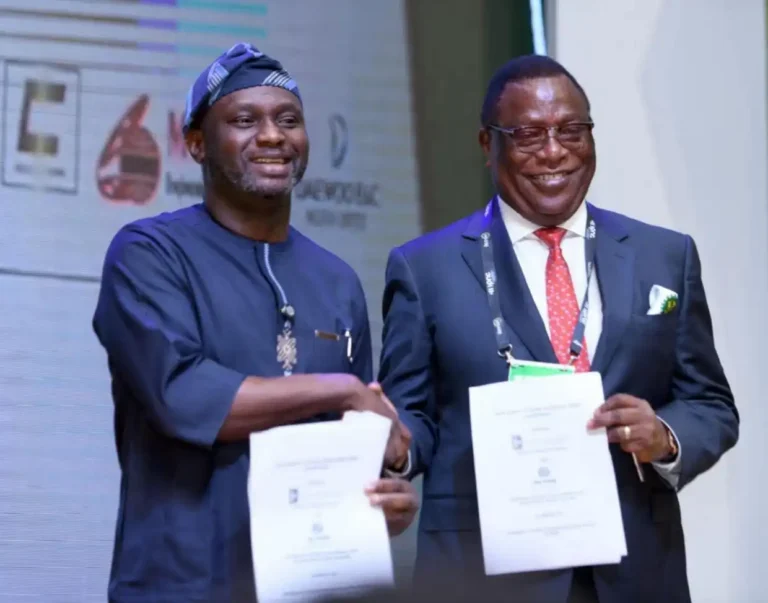
To drive implementation, a memorandum of understanding (MOU) was signed between the Executive Secretary of the NCDMB and the Managing Director of the Bank of Industry, Dr. Olasupo Olusi, to oversee the management of the scheme. The fund represents a new product under the Nigerian Content Intervention Fund (NCI Fund), and operational frameworks are expected to leverage BOI’s long standing investment experience.

During his address, Engr. Ogbe also revealed that the Nigerian Content level in the oil and gas sector has reached 61 per cent by the third quarter of 2025 based on projects monitored by the Board. He stated that this achievement reflects a maturing industry and continuous compliance with local content guidelines.

He further announced that the Board is preparing to onboard a new set of Project 100 Companies after successful outputs recorded under the first phase. The earlier set, launched in 2019, benefitted from targeted interventions and is scheduled for exit in April 2026. Project 100 Companies is an initiative of the Ministry of Petroleum Resources and the NCDMB designed to nurture 100 indigenous companies through structured capacity development, access to market opportunities, and tailored support to enhance competitiveness.

The Executive Secretary noted that the Board has concluded preparations to launch the NCDMB Technology Challenge in the first quarter of 2026, while a Research and Development Fair is expected to be held in the second quarter of the same year. He disclosed that the Board will also review its seven current guidelines between the first and second quarter of 2015.

Engr. Ogbe said the Board has finalised the framework for issuing the NCDF Compliance Certificate, which will serve as proof that companies have complied with the 1 per cent remittance obligation under the NCDF. The certificate will become effective from 1st January 2026 and will be required by companies seeking to obtain critical permits and approvals from the Board to operate in the oil and gas sector.

Among its recent accomplishments, he stated that the Community Contractors Scheme recorded more than 94 disbursements in 2025, marking wider access to funding for indigenous contractors at community level. He added that the Nigerian Content Academy has begun functioning as a full division within the Board and has organised seven lecture series covering key industry issues.

Speaking on human capacity development, Engr. Ogbe explained that the Board has rolled out its Oil and Gas Field Readiness Training Programme targeted at the top 10 skills in high demand. The training was introduced in response to increased final investment decisions (FIDs) on major oil and gas projects and over 20 Field Development Plans recently approved by the Nigerian Upstream Petroleum Regulatory Commission (NUPRC). He said the initiative ensures that local manpower is adequately positioned for upcoming oil and gas developments.

He also highlighted the progress of the multibillion naira Oloibiri Museum and Research Centre (OMRC) in Otuabagi, Ogbia Local Government Area of Bayelsa State. The project commenced after a contract was signed between Julius Berger Plc and OMRC Limited in December 2024, followed by mobilisation to site in July 2025. Jointly funded by the Petroleum Technology Development Fund (PTDF), NCDMB, Renaissance Africa Energy Limited (formerly Shell Petroleum Development Company), and the Bayelsa State Government, the project is expected to be completed within 30 months.

In his presentation, the Chairman of the Senate Committee on Local Content, Senator Joel Thomas, expressed concern that some indigenous companies have continued to ignore provisions of the Nigerian Oil and Gas Industry Content Development (NOGICD) Act, 2010, concerning the 1 per cent remittance to the NCDF. He called for greater compliance to sustain funding for indigenous content development.

The Chairperson of the House of Representatives Committee on Local Content, Hon. Boma Goodhead, commended the Board for sustaining the PNC Forum and its exhibitions. She credited the NCDMB with guiding industry compliance towards the objectives of the NOGICD Act and supporting indigenous growth.

Speaking on the theme, the Minister of State for Petroleum Resources (Gas), Rt. Hon. Ekperikpe Ekpo, stated that the forum’s theme “Securing Investments, Strengthening Local Content, and Scaling Energy Production,” mirrors Nigeria’s priorities in driving reform, investment attraction and local capability.

He emphasised that “Investment remains the lifeblood of the energy sector,” and assured that his ministry will continue driving transparent policy frameworks, providing stable platforms and ensuring incentives that attract long-term capital. He added that the government is committed to “continue strengthening local capacity across fabrication, engineering, technology services, manufacturing of components, and research and development.”

The Minister of State for Petroleum Resources (Oil), Senator Heineken Lokpobiri, described the implementation of the Petroleum Industry Act (PIA) 2021 and presidential directives issued by President Bola Ahmed Tinubu in March 2024 as key achievements that ended a decade-long industry stagnation.

He said Nigeria has witnessed rising investor confidence shown through new FIDs and an increase in the number of oil rigs from 14 to over 60, with 40 currently active. According to him, “Our investment climate now is globally competitive… our fiscal terms are globally competitive,” but he insisted that “Our policies must be seen to be consistent.”

He assured stakeholders that the Federal Government is ready to support Nigerian Content and industry development but stressed that “things have to be done responsibly.” He also confirmed that “Nigeria has met all its obligations to the African Energy Bank,” and noted that its Abuja corporate headquarters has been fully furnished and operationalised.

The Minister of State for Industry, Senator John Owan Enoh, stated that Nigeria is “at the edge of a profound energy transition,” which he described as “not just a transition from fossil to cleaner fuels, but a transition from import dependence to production strength, from resource extraction to value creation, and from talking about local content to building true local capacity across value chains.”

In a goodwill message, the Managing Director of the Bank of Industry, Dr. Olasupo Olusi, said the partnership between BOI and NCDMB signals a major expansion in their long-standing collaboration. He stated that through the $100 million NCIF Equity Investment Fund, “the Bank of Industry will deploy equity and quasi-equity capital to support high-potential Nigerian companies,” complementing debt financing and “strengthening access to the long-term risk capital required for scale, competitiveness, and value creation.” He further noted that “With a single obligor limit of $5 million, the Fund is designed to catalyze multiple high-impact investments while maintaining strong governance and prudent risk management.”

In her goodwill address, the Special Adviser to the President on Energy, Mrs. Olu A. Verheijen, commended the NCDMB for sustaining the PNC Forum over the years, noting that it “accelerates change, drives competitiveness, and pushes the industry toward global standards.” She said stakeholders must prioritise intentional local value creation, emphasising that the transfer of onshore assets from international oil companies to indigenous operators “reflects decades of accumulated local capability, technical maturity, and domestic capital formation.”

She added, “We have living proof of what happens when policy, ambition, and capability align: from SHI-MCI’s fabrication yards to Waltersmith’s modular refining success; from the NLNG Train 7 Project to the Nigerian Oil and Gas Park Scheme, and the expansive growth of Nigerian-owned marine vessels.”